Why the Landline Still Matters: Peace of Mind for Filipino Families


In today’s digital age, it’s easier than ever to stay connected. Families use mobile phones, messaging apps, and video calls, but when routines change or unexpected events occur, many discover that having multiple ways to stay in touch provides peace of mind.

Why the Landline Still Matters

Why the Landline Still Matters

Whether a child gets home before their parents, a grandparent favors a traditional phone, or there’s an urgent need for help, a dedicated home landline is among the easiest and most reliable ways for everyone in the household to communicate.

A shared number everyone can use

Unlike mobile phones, which are owned by individuals, a landline is assigned to a home. It provides all household members with a single, dependable contact number, making it easier for children, parents, grandparents, and other family members to make or receive important calls whenever necessary.

A landline offers families with young children without smartphones an easy way to contact parents or guardians. For older family members uncomfortable with mobile apps, it provides a familiar, accessible means to stay connected with relatives, neighbors, healthcare providers, and essential services.

A home landline can also act as a convenient contact point for schools, delivery services, utility providers, and home-based businesses.

Prepared for the unexpected

Preparedness starts well before an emergency happens. During crises, having various communication methods provides families with extra reassurance. A landline at home serves as an additional contact for loved ones, service providers, or the 911 emergency hotline for quick assistance.

For many families, this extra communication channel offers reassurance. It gives someone at home the ability to call for help, check in, or remain accessible when every second is crucial.

Connectivity that supports everyday life

Modern Filipino homes serve multiple roles beyond just living spaces. They function as workplaces, classrooms, small businesses, and gathering spots for families to connect, care, and establish their daily routines.

As households become more connected, families require various methods to communicate, such as internet, mobile phones, messaging apps, or a landline at home.

PLDT Home enhances its Fiber plans by including a landline alongside high-speed internet, offering more than just traditional phone service. This landline supports digital connectivity by providing a dedicated voice line suitable for personal, family, business, and emergency use.

Since every PLDT Home Fiber plan includes a landline, families benefit from a home landline service without needing to subscribe separately.

A Small Feature That Brings Lasting Peace of Mind

Technology will keep advancing, and smartphones will stay essential in daily life.

However, one constant remains: every family needs a dependable way to get home and ask for help when it matters most.

Sometimes, peace of mind comes from having a phone within reach that everyone in the household can use.

For Filipino families looking for a comprehensive home connectivity solution, PLDT Home Fiber provides high-speed, dependable internet paired with a bundled landline. This offers digital convenience and the comfort of a single reliable number for the entire family.

Sign up now for a PLDT Home Fiber plan and experience fast, dependable internet along with a dedicated landline for your household.

Follow and subscribe to OutofTownBlog.com  on  Facebook Twitter Instagram, Pinterest, and YouTube  for more Travel-related updates.

Read: An Ultimate Guide to Telephone Area Codes in the Philippines


Source link

Leave a Reply

Subscribe to Our Newsletter

Get our latest articles delivered straight to your inbox. No spam, we promise.

Recent Reviews


Today, when one pictures a “classic Dodge Charger”, the first image that pops up is almost certainly one of the highly desirable Charger models from the late 1960s or early ’70s. Indeed, those early muscle car Chargers are iconic, playing a starring role in the “Dukes of Hazzard” television show and, somewhat more recently, “The Fast and the Furious” films. But as time ticks on, is it time to start appreciating the modern version of the Charger as a potential modern classic?

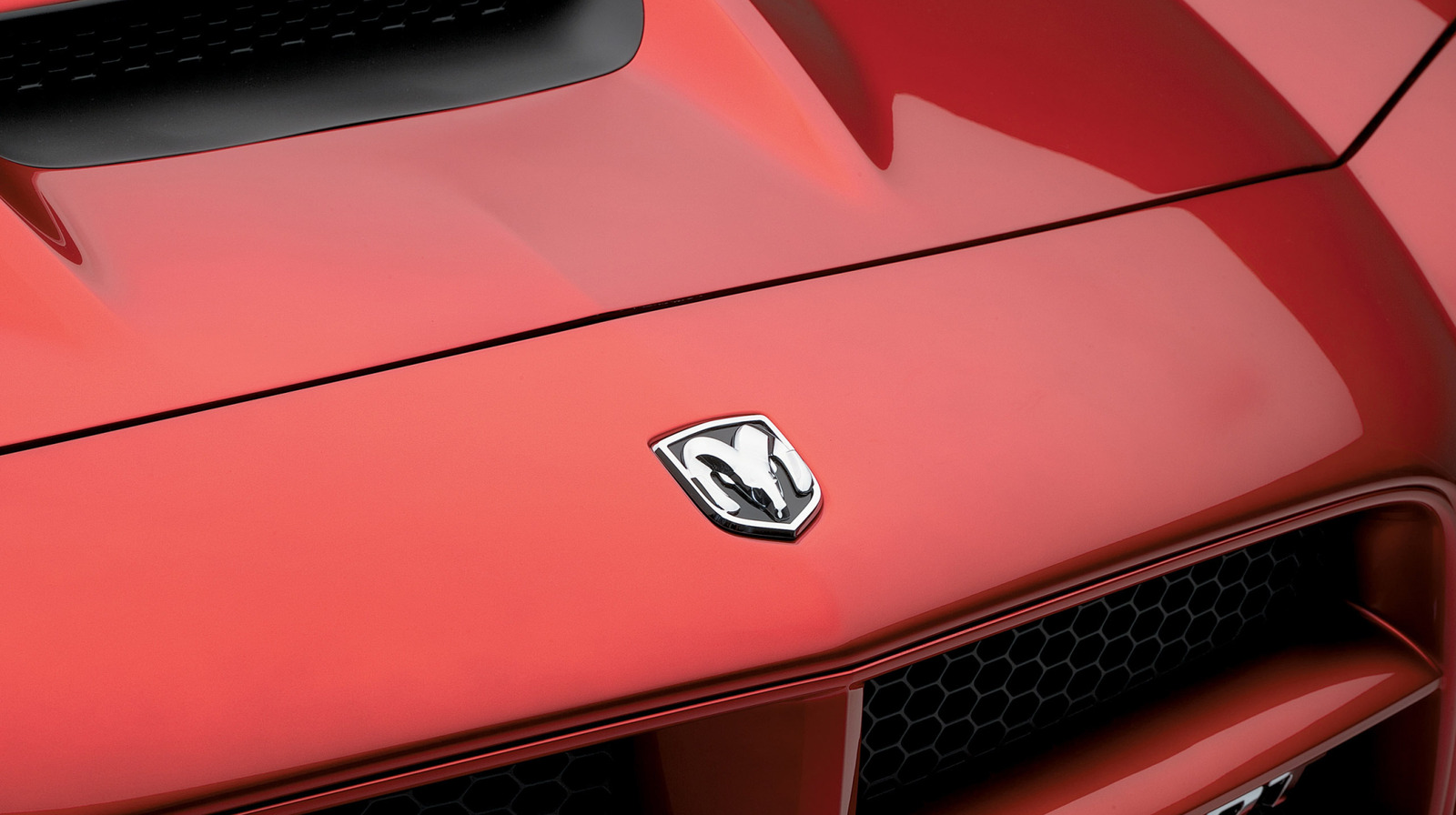
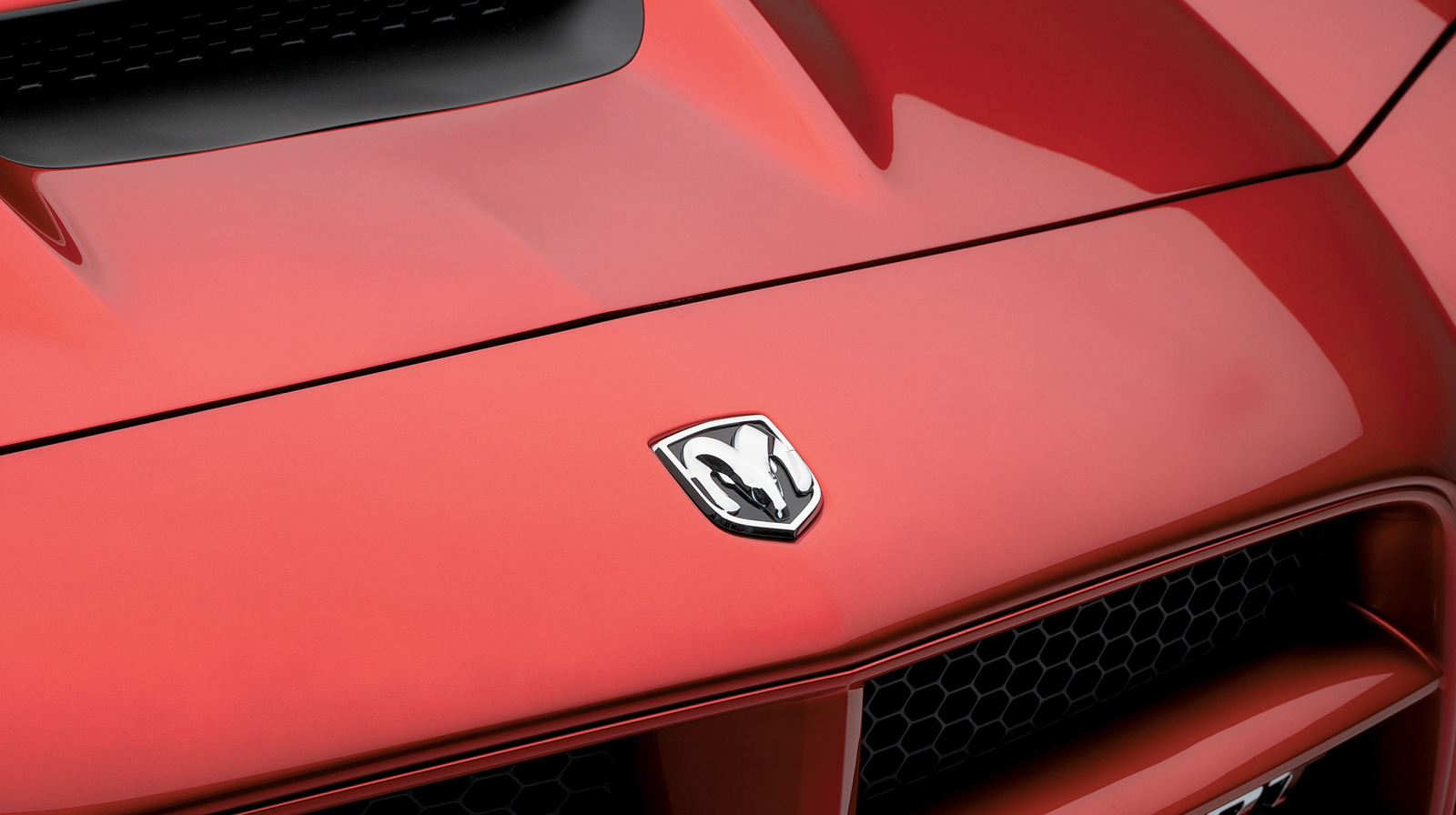
It’s now been over 20 years since Dodge brought back the Charger nameplate for a spacious four-door sedan with an optional HEMI V8 engine. While the basic Charger R/T was a potent machine for its time, Dodge really took the Charger’s game to the next level for the 2006 model year with the debut of the Charger SRT8. 

The SRT8 model used a larger version of the third-gen HEMI V8 that, combined with other performance upgrades, transformed the sedan into a serious performance car capable of running with its 1960s HEMI ancestors at the drag strip — to say nothing of its vastly superior handling and refinement. In the years that followed, Dodge would continue to improve the Charger’s performance with larger and more powerful HEMI engines, but the significance of the original Charger SRT8 is not to be overlooked.

A muscle car legend reborn for the 2000s

Today, with the modern Charger being such an established part of the car enthusiast world, it’s easy to forget some of the controversy that surrounded its mid-2000s return. Most of it focused on the fact that the beloved muscle car nameplate had been brought back for a four-door sedan rather than a retro-styled coupe. Fortunately, those people looking for that retro coupe would be satisfied by the reborn Dodge Challenger when it arrived a few years later, while the Charger went on to become a highly popular muscle sedan in its own right.

The addition of the SRT8 model to the lineup certainly helped, of course. Under the hood was the larger 6.1-liter HEMI V8, which differed from the standard 5.7-liter HEMI in several ways, not least the displacement. With the 6.1 under the hood, the SRT8 made 425 hp and 420 lb-ft of torque, easily laying down a mid-13-second quarter-mile time in Motor Trend’s hands. This was very quick by mid-2000s standards, especially considering the now-outdated five-speed automatic transmission.

But the SRT8’s performance went beyond just the drag strip. As part of the SRT transformation, Dodge also gave the car larger wheels and tires, a retuned suspension setup, and large Brembo brakes. While this didn’t necessarily make the car an agile road course weapon, it did give the SRT8 an athleticism that belied the Charger’s weight and size. 

The evolution of modern Dodge muscle

What’s even cooler about this era in Chrysler/Dodge performance history is that the Charger was just one of the four-door LX platform cars that the automaker offered with SRT badges and a powerful HEMI engine under the hood. Apart from the Charger, buyers could also choose from the more upscale, but ultimately short-lived SRT version of the Chrysler 300C sedan or the Dodge Magnum SRT8 station wagon.

The original Charger SRT8 marked the beginning of a long run of increasingly powerful, high-performance models. In the early 2010s, the Charger SRT8’s 6.1 HEMI was replaced by the larger and more powerful 6.4/392 HEMI, with that motor eventually becoming available in the less expensive Charger R/T Scat Pack. Then, of course, came the Charger SRT Hellcat, with a 707-hp, supercharged 6.2-liter that turned the car into a genuine super sedan.

So is the original Charger SRT8 a guaranteed future classic? Classified listings show that clean examples still bring decent money today, but the fact that it was followed by improved models may ultimately limit its potential for becoming a true, mega-desirable collector car. Regardless, though, the Charger SRT8’s accomplishments in modern muscle car history are not to be taken lightly.


Source link