
5 Caribbean Destinations You Should Not Visit This Summer According To Travel Experts


Share The Article

Summer is officially here, which means millions of Americans are currently scrambling to lock in a Caribbean beach vacation before the season slips away. But before you blindly book a flight to the first tropical hotspot you see on Instagram, you need to pause and look at the actual data for Summer 2026.

5 Caribbean Destinations You Should Not Visit This Summer According To Travel Experts

This summer is shaping up to be a logistical minefield for several massive Caribbean destinations. Between unprecedented natural disasters, collapsing local power grids, and record-breaking mega-cruise crowds driving prices through the roof, the “dream vacation” you are picturing might actually turn into an expensive, frustrating, or downright dangerous headache. Travel experts are actively warning Americans to pivot their summer plans to avoid these specific pitfalls.

You deserve a vacation where the lights stay on, the beaches aren’t gridlocked, and your presence isn’t worsening a local crisis. Here are 5 Caribbean destinations experts say you must skip this summer, along with the incredible, uncrowded alternatives you should book instead.


1. Margarita Island, Venezuela: Post-Earthquake Devastation

Margarita Island, Venezuela

The Vibe: Once the glittering, pristine crown jewel of the southern Caribbean.

Why Experts Say “NO” This Summer: On June 24, 2026, a catastrophic double earthquake (magnitudes 7.2 and 7.5) struck the northern coast of Venezuela. The devastation is widespread, with thousands of casualties, collapsed buildings, and severely damaged infrastructure across the region. Airports have faced massive closures, and emergency resources are stretched to the absolute limit. Traveling to Margarita Island or the Venezuelan coast right now for a “vacation” is not just logistically impossible; it actively diverts critical resources away from a massive humanitarian rescue and recovery effort.

The Alternative: Curacao
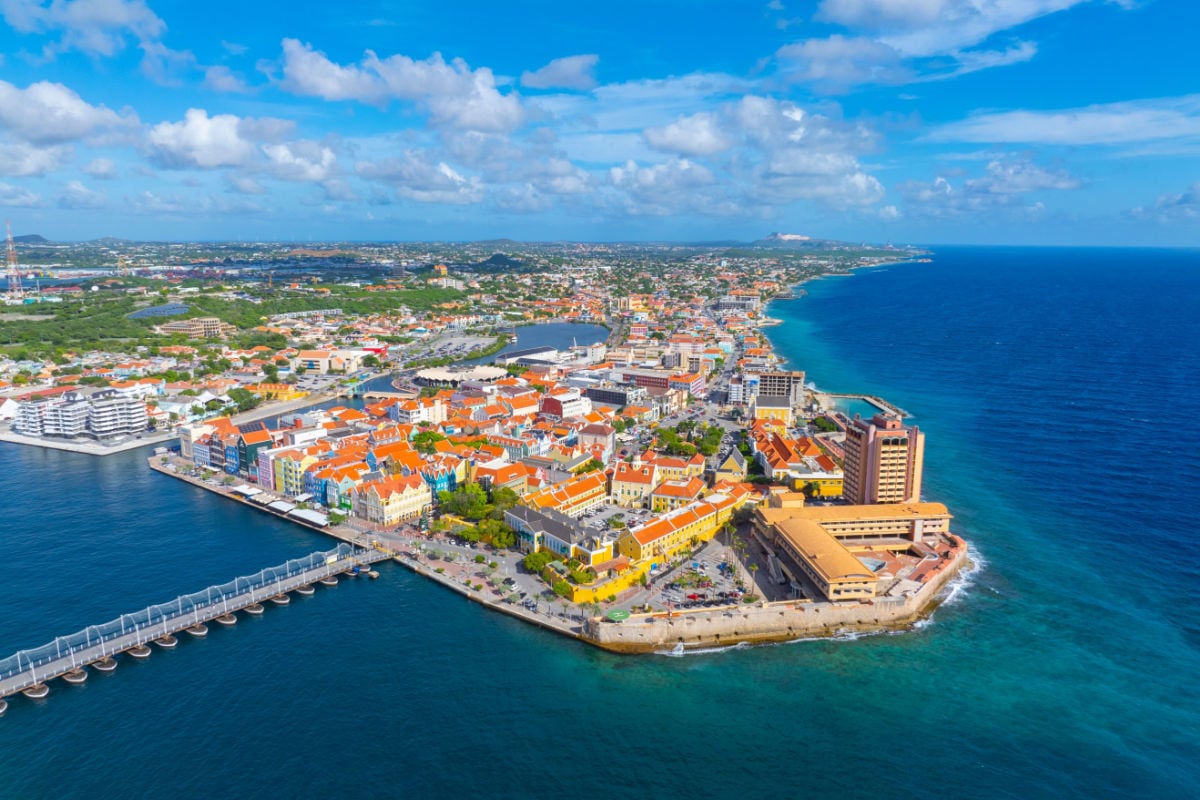
Willemstad historic city center aerial view including Handelskade Street in Punda in city of Willemstad, Curacao. Historic Willemstad is a UNESCO World Heritage Site.

Located just off the coast of Venezuela, you get the exact same stunning southern Caribbean climate and hurricane-belt safety, but with a highly stable infrastructure, a high traveler safety score, and zero disruption from the recent seismic events.


2. Havana, Cuba: Severe Infrastructure Collapse

Havana Cub aCity Street

The Vibe: An authentic, frozen-in-time cultural immersion with vintage cars and incredible music.

Why Experts Say “NO” This Summer: The ongoing economic situation in Cuba has crossed the line into a severe logistical crisis for tourists. The island’s power grid is currently failing, resulting in daily, rolling blackouts that kill the air conditioning right during the peak of the suffocating summer heat. Fuel shortages have paralyzed local transportation, and recent banking changes mean international credit cards are widely unaccepted. Navigating these compounding crises as an American tourist is highly stressful, exhausting, and presents complex ethical concerns when locals are struggling for basic necessities.

The Alternative: Cartagena, Colombia

Paranomic View Of Cartagena Des Indias, Colombia, South America

If you want deep colonial history, massive 16th-century forts, cobblestone streets, and vibrant Caribbean culture without the logistical nightmare, Cartagena’s Walled City delivers. The historic tourist zone operates with highly reliable, modern infrastructure and excellent luxury boutique hotels, and it is heavily secured to ensure a completely safe, flawless experience.


3. Port-au-Prince, Haiti: Extreme Geopolitical Collapse

Port-au-Prince, Haiti Extreme Geopolitical Collapse

The Vibe: Historically a vibrant cultural hub, now completely inaccessible.

Why Experts Say “NO” This Summer: This is the ultimate “Do Not Travel” zone. The U.S. State Department maintains a strict Level 4 advisory for the entire country. The complete collapse of local governmental infrastructure and extreme gang violence make any form of tourism impossible and highly dangerous right now. Even attempting to visit coastal enclaves outside the capital poses severe risks to your life.

The Alternative: Dominica (The Nature Island)

Scotts Head, Dominica, West Indies. On the left side is the Caribbean Sea, on right side - Atlantic Ocean.

If you want a rugged, authentic Caribbean experience, look to Dominica. It is politically stable, incredibly safe, and completely focused on sustainable eco-tourism. Instead of crowded beaches, you get towering volcanic peaks, boiling lakes, and spectacular waterfalls.


4. St. Thomas, U.S. Virgin Islands: Mega-Cruise Congestion

View at Emerald beach in St. Thomas, USVI

The Vibe: A classic, easy-to-reach American Caribbean staple filled with duty-free shopping and lively beaches.

Why Experts Say “NO” This Summer: St. Thomas has become a victim of intense overtourism. Charlotte Amalie frequently hosts multiple mega-cruise ships on the exact same day, dumping tens of thousands of day-trippers onto the small island. The local infrastructure simply cannot handle it. This results in hour-long traffic gridlocks just to drive a few miles, incredibly overcrowded beaches (like Magens Bay), and inflated summer pricing that doesn’t match the stressful experience.

The Alternative: St. Croix, USVI.

Christiansted St Croix US Virgin Islands on a sunny day

Just a quick island-hopper flight away, the largest Virgin Island receives a mere fraction of the cruise traffic. It offers incredible scuba diving (including the famous Wall at Cane Bay), a deeply relaxed local culture, and absolutely zero traffic jams.


5. West Bay, Roatán, Honduras: Environmental Stress & Congestion

Unidentified tourists at the beautiful Caribbean beach of West Bay in Roatan island, Honduras

The Vibe: A world-renowned scuba diving paradise located on the Mesoamerican Barrier Reef.

Why Experts Say “NO” This Summer: West Bay is currently facing intense pressure from heavy tourism. The influx of mega-cruise ships docking nearby frequently turns this popular beach into a highly congested area during port days. Furthermore, local conservationists are raising alarms about the sheer volume of heavy boat traffic, inexperienced snorkelers, and the strain on local infrastructure, which is placing severe stress on the fragile reef system just offshore. Visiting West Bay on a heavy port day means paying premium prices for a crowded experience that adds to the environmental burden on a delicate ecosystem.

The Alternative: Utila, Honduras

Utila, Honduras

Take a quick local hopper flight over to Roatan’s smaller sister island. Utila is famous for its laid-back, backpacker vibe, completely lacks the massive cruise ship ports, and offers some of the pristine, untouched diving in the entire Caribbean. It is the authentic reef experience Roatan used to offer decades ago.


Plan Smarter Before You Book

The summer travel season moves incredibly fast, and local conditions can shift long after you have booked your flights. Before handing over your credit card, always verify the real-time situation by checking the latest travel alerts for your specific destination. Taking just a few minutes to review our live safety index ensures your hard-earned vacation remains a relaxing escape rather than a stressful nightmare.


Source link

Leave a Reply

Subscribe to Our Newsletter

Get our latest articles delivered straight to your inbox. No spam, we promise.

Recent Reviews


gettyimages-647882122

S847/iStock / Getty Images Plus

Follow ZDNET: Add us as a preferred source on Google.


ZDNET’s key takeaways

  • Staff who use AI can end up with more to do, not less.
  • Think carefully about the tools you’re using and why.
  • Adopt a set of standards and refine your outputs.

The promise of productivity boosts from AI can come with an unwelcome side order of stress. Harvard Business Review found that AI doesn’t reduce work; it intensifies it, leading to cognitive fatigue and unsustainable hours.

While the common perception is that AI can help reduce workloads, allowing employees to focus more on higher-value and more engaging tasks, HBR’s research found that staff using AI worked more quickly and often ended up with more to do, not less.

Also: Forget productivity: Here are 5 strategic shifts that drive real AI value

While we’ve written about how some professionals are finding ways to turn AI’s time-saving magic into a productivity superpower, we’ve also recognized that some employees have started to become tired with the low quality of AI outputs.

Ankur Anand, group CIO at tech recruiter Harvey Nash, said professionals who want to avoid cognitive fatigue must understand how to use AI effectively and its potential risks.

“That focus will help to reduce the noise around the workload that AI creates,” he told ZDNET, suggesting that many people have unrealistic expectations about the productivity boost that AI will provide.

Also: Why I ditched Copilot for Claude in Word, Excel, and PowerPoint – and how you can, too

“Many organizations are telling their people, ‘We want to understand how you’re making an impact with AI,'” he said. “But these professionals are not empowered, which means that using AI adds a lot of pressure, because they need to prove themselves on their own terms.”

If you’re going to make the most of AI at work, then you’re going to have to find an effective balance between completing tasks quickly and producing high-quality work. 

Here’s how the experts believe professionals can ensure they reap the benefits, not the problems, of AI — and they suggest that you’ll need to focus on three core areas: tools, guidelines, and outputs.

Limit your toolset

Alex Read, senior enterprise product manager for data at energy provider EDF UK, told ZDNET that the best way for professionals to reap the benefits, not the challenges, of AI is to be uber-focused on tools that help you produce value in your roles.

While there are thousands of potential AI-enabled services on the market, Read said sensible professionals limit their horizons.

Also: How this travel company’s AI rollout drove a 73% satisfaction boost: A 5-step playbook for your business

In his own role, for example, Read focuses on how AI can help him build a data platform and update information accurately, efficiently, and productively: “Anything outside of that scope is noise for me.”

That sentiment resonated with Nick Pearson, CIO at technology specialist Ricoh Europe, who told ZDNET it’s important to take a step back and think carefully about how an AI tool can help you produce value in your role.

“If you think about the phrase ‘gen AI,’ the tech is very good, by definition, at generating outputs,” he said. “I could go to bed in the evening, set the model to work, and we could have four new IT strategies produced overnight.”

Also: Worried AI agents will replace you? 5 ways you can turn anxiety into action at work

However, quantity doesn’t necessarily mean quality. Pearson suggested it’s important to focus on AI’s blind spots, particularly as most models are trained on preexisting content.

“AI can’t inspire people, per se; it can’t naturally create something new, because it’s actually quite recursive,” he said.

“And the judgment you have to put in sometimes, on top of everything else, whether it be an ethical or a capability judgment, is not there automatically in the technology.”

It’s in this gap, said Pearson, that human experts play a critical role: “We’re toying with that concern as an organization and saying, ‘Where does AI really play an important role, versus where are we upskilling people in areas that AI probably won’t play for a long time?'”

Work to the guidelines

HBR’s research found that an initial productivity surge when AI is adopted can lead to lower-quality work, turnover, and other problems as people work harder rather than smarter.

To correct this issue, HBR said companies need to adopt an “AI practice,” or a set of norms and standards around AI use that help professionals ensure they use AI in a constrained but productive manner.

Also: 90% of AI projects fail – here are 3 ways to ensure yours doesn’t

At EDF UK, Read is part of an internal AI Center of Excellence in enterprise IT, which enables policy for the effective use of AI across the wider organization. 

In addition to Read, who contributes input from a data-use perspective, the group includes other tech representatives, such as the firm’s senior manager of AI, principal software engineer, and principal solution architect.

“The remit of this center is to make sure that, when the federated business units are looking to build, develop, and deploy AI services, they have platforms, guidance, best practices, architectural assets, and materials to guide them on how to safely and efficiently adopt AI and operationalize it at scale,” he said.

Some of the key themes the center considers when assessing AI tools are scalability and reusability, ensuring a proposed service doesn’t replicate one already in use.

Also: 5 ways to use AI when your budget is tight

“All new tools and services related to AI will go through that hopper and funnel to understand scope and ensure the security, regulatory, and ethical side of things are understood,” he said, suggesting that all professionals should use their organization’s pre-existing guidelines to foster an appropriate exploitation of emerging tech.

“The benefit that guided approach brings is that it allows us to be clear in our messaging around what AI services can be used, how they’re used from a use-case perspective, and ultimately, what personas are allowed to use them.”

Refine your outputs

Even when tools are assessed and considered acceptable, there can still be an overreliance on AI outputs. Worse, some professionals can drown in the insights they receive, leading to higher stress and fewer benefits.

Louise Newbury-Smith, head of UK&I at technology specialist Zoom, told ZDNET that one way to ensure your outputs are constrained is to focus on prompting.

“Use simple amendments to be specific, such as ‘Give me the top three things with the biggest impact.’ That approach should guide your prompt, rather than saying, ‘Give me everything you know about this topic.'”

Also: 5 ways to fortify your network against the new speed of AI attacks

Newbury-Smith said the successful use of AI is all about being smart about how it’s exploited, and that effectiveness comes down to enablement and engagement. If a prompt yields too much information, refine it until you get what you need. She said this should still be faster than trying to get answers without AI.

The basic message for professionals is that effective applications of AI are all about you staying in the loop, said Bernhard Seiser, vice president of digital, data, and IT at AOP Health.

Think before you use AI, and think again before you push your outputs around the organization.

“It doesn’t help the business if you get AI-generated emails that are many pages long, and then you need ChatGPT to summarize the text,” he told ZDNET.

Seiser said that while there are certain tasks generative AI is good at and worth using for, in the end, “you need to use your brain.”


Source link