This Ancient Beach Town Is Europe’s Best Hidden Secret This Summer


Share The Article

If you’ve finally got that one week off and you’re thinking of winging it for that Eurosummer—we know, we’re too far into the season for careful planning—chances are you’re left gobsmacked with the prices right now.

Santorini’s definitely not on the table with the $800-a-night caldera-view villas. Those roundtrip flights to Rome could sooort of fit the budget but then there’s all the museums, new entry fees, and tourist taxes to be accounted for.

Oh, don’t even think about Paris. Even if you could afford it, it’s a hellish 104 degrees in the City of Lights right now.

If you’re hoping for something a little idyllic, a little beachy, but still steeped in Old World charm, and that most importantly, won’t empty your savings account, we’ve got just the right pick for you:
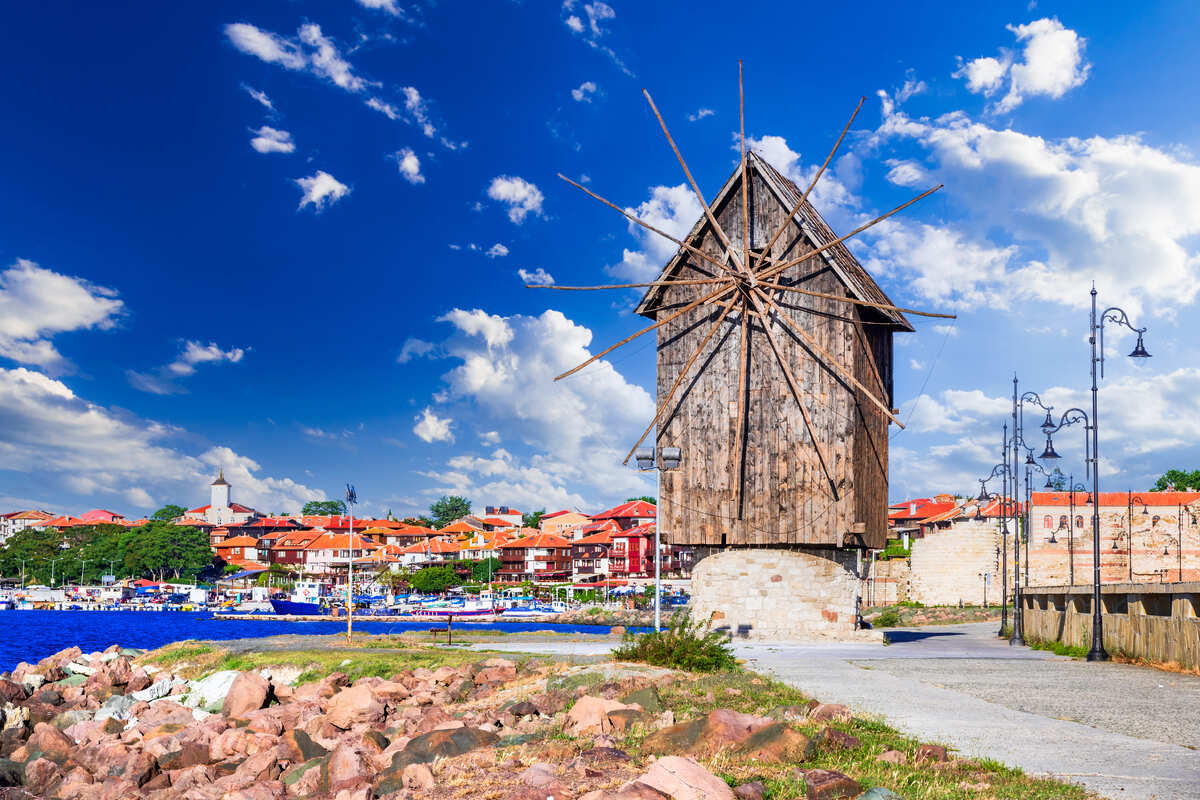
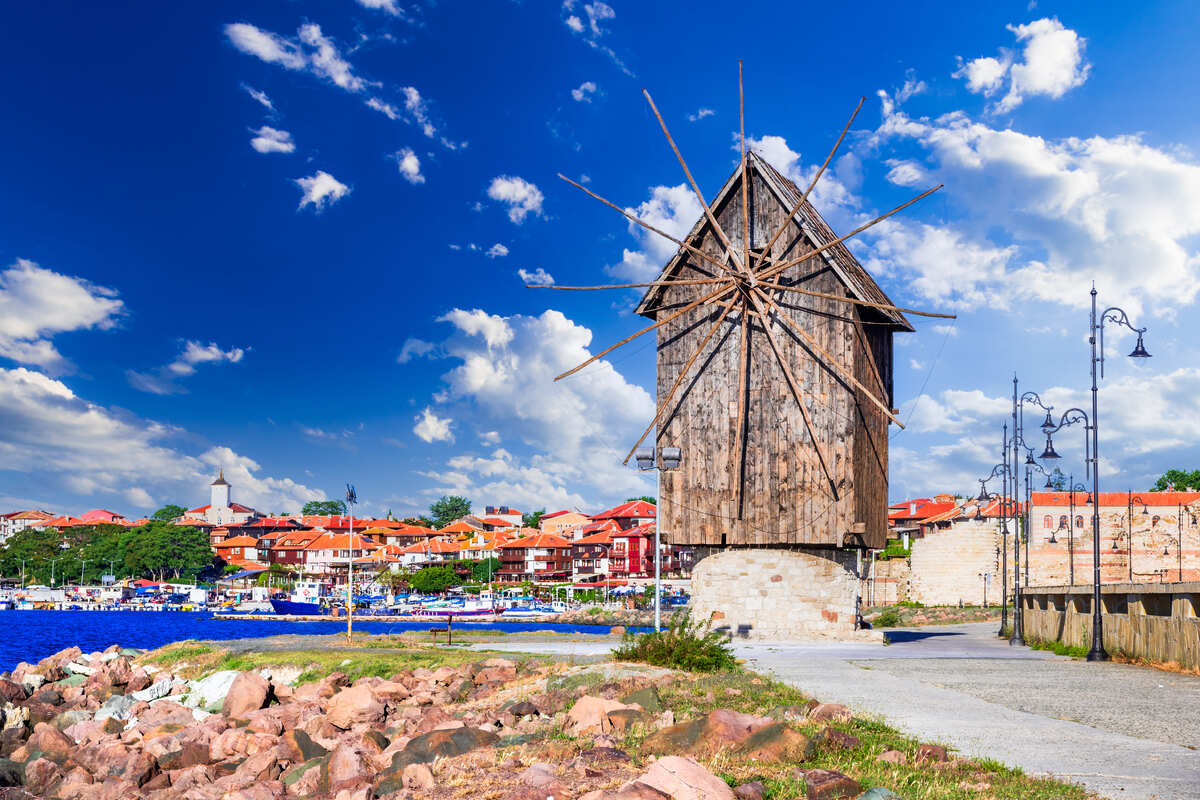
This Ancient Beach Town Is Europe's Best Hidden Secret This Summer

Bulgarian Summer Paradise Found

Bulgaria is maybe not the first destination that pops to mind when you think of Eurosummers. As one of our writers wrote upon his visit to Sofia, the Bulgarian capital, ‘I found nothing else worthwhile to do except drink cheap coffee and hide out from the rain‘.

I actually love Sofia myself, but hey, fair.

It’s maybe not the place you want to go if you’re not particularly crazy about commie-era architecture, and you’re looking for, you know, European-pretty streets and a more chill vibe.

Now, this town on the Black Sea Coast, on the other hand, is where Bulgaria starts feeling less like a backwater Eastern European country where time forgot to move on, and more like the Greece dupe you never knew you needed.
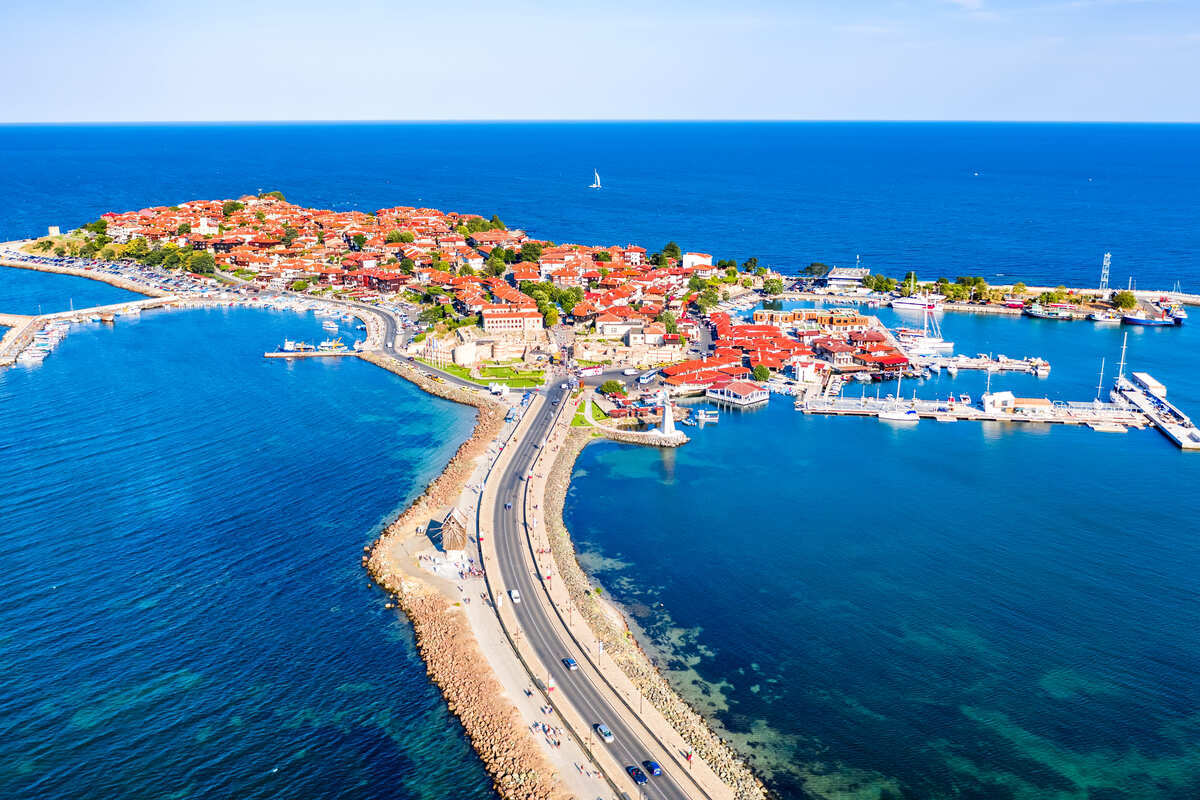
Aerial Panoramic View Of Nesebar, Bulgaria

Let me preface this by saying it was actually the Greeks who founded it in the 6th century BC, and up to 1900, in fact, something like 89% of the town was still made up of ethnic Greeks, so it’s no wonder it feels Mediterranean-ish.

Nesebar is a town occupying a tiny islet just off the coast of Bulgaria—you know, there’s nothing the Ancient Hellenes were more allergic to than building on terra firme—connected to the mainland by a pedestrian-friendly causeway.

Just look at the pictures for a sec. It’s your every European summer dream realized.

A Picture-Perfect Ancient Town On An Island
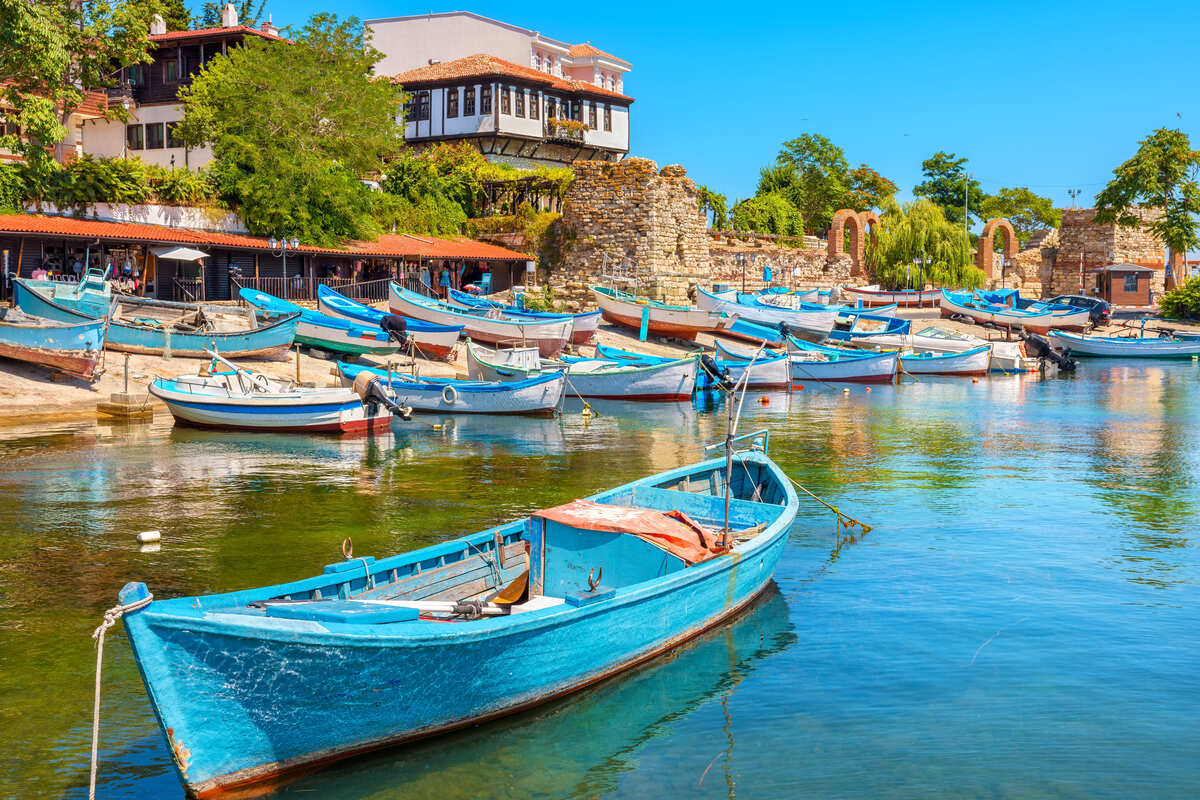
Coastal Walls In Nesebar, Bulgaria

Nesebar is one of Europe’s oldest continuously-inhabited towns, and it’s UNESCO-protected center is an amalgamation of everything there once was (and still is): Greek, Roman, Byzantine, and finally Bulgarian.

Unlike your average European open-air museum, however, this one isn’t some lifeless archaeological site with information boards hither and thither. People actually live amid the ruined basilicas and along those cobbled streets.

The traditional wooden houses you see, with the iconic protruding balconies that are the signature of Bulgarian Revivalist architecture, and the charming, rustic boutiques are actually owned by locals, not seasonal Airbnb rentals, and that’s what makes Nesebar so inherently special:

It’s not only picture-perfect, it feels lived-in, and you can’t always say that about the average Western European town these days.
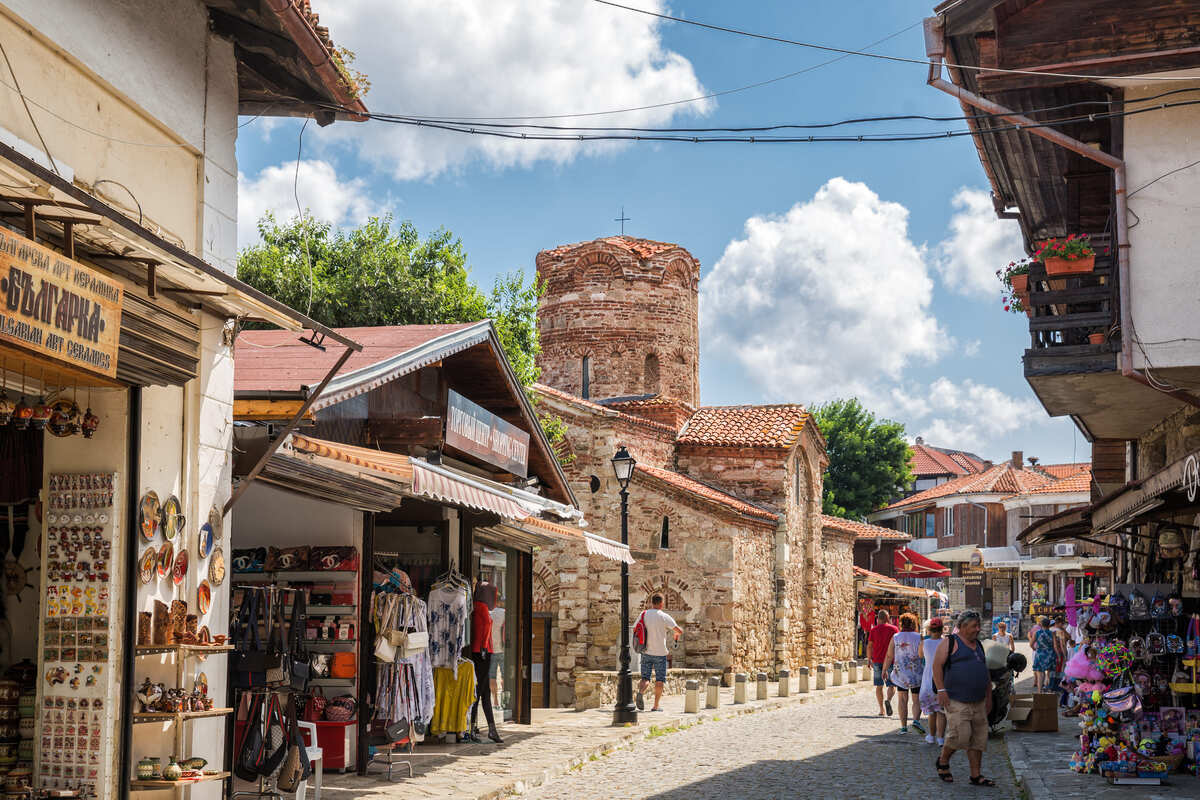
The Main Street In Nesebar, Bulgaria

Before we continue, you should know the European Union is changing its travel rules for Americans this year, and as a member state, Bulgaria isn’t exempt.

They’ve already brought in mandatory fingerprinting at airports—a measure that’s contributing to massive border delays—and soon enough, you won’t be able to fly to most European countries without applying for this new travel permit.

We know that’s a lot to stay up to date with, but the thing is, you don’t need to do all the heavy lifting and research. Just paste your destination on the Entry Requirement Checker, and it will do the work for you.

Ancient Ruins & Beaches All Within Walking Distance
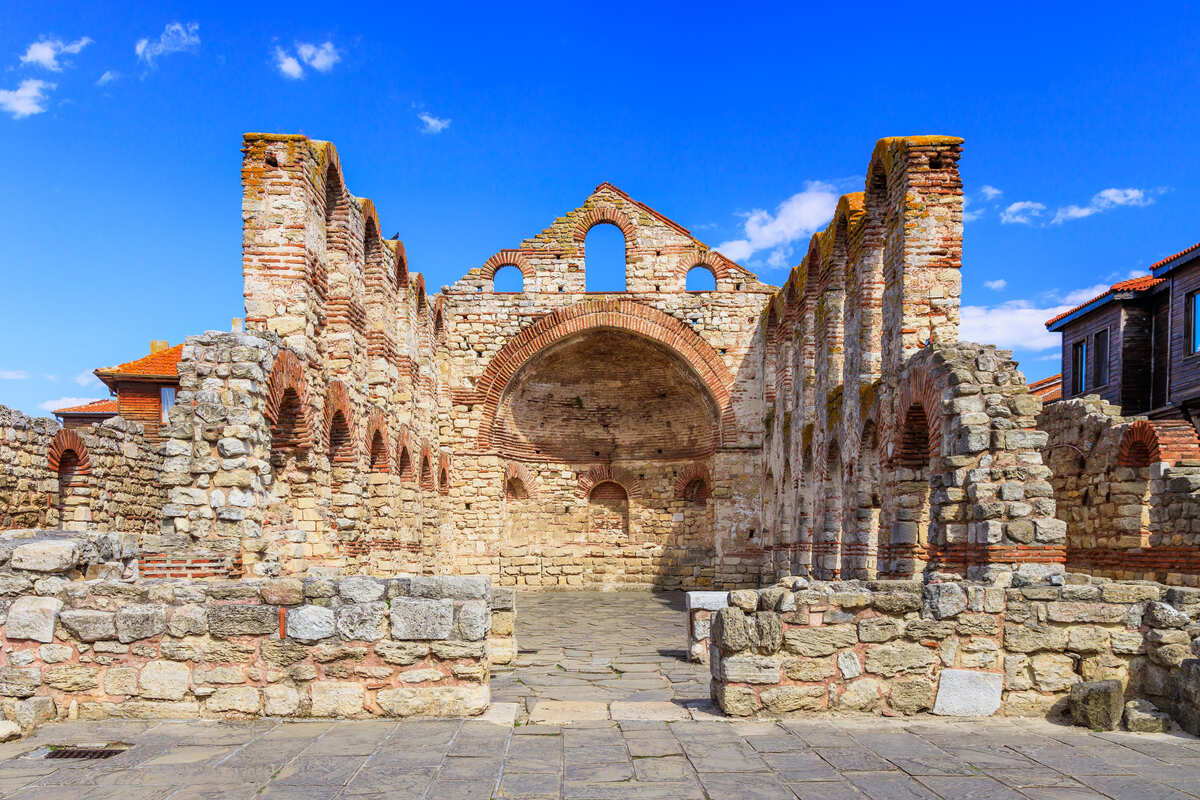
Ancient Ruined Basilica In Nesebar, Bulgaria

The highlight of any visit to Nesebar is simply walking the Old Town streets and exploring all its hidden courtyards.

There are ancient churches just about everywhere you look, like the Church of Christ Pantocrator, with a gorgeous, intricate brickwork, and the Church of Saint Sophia, a showpiece of Byzantine architecture, and if you think those Croatian coastal walls are impressive, wait until you see Nesebar’s.

Granted, they’re not as tall, but they surround the entire island it sits on, and as you walk the coastal loop, you’ll find remnants of defensive turrets and city gates that date all the way back to Antiquity.

This is the Black Sea Dubrovnik, folks.
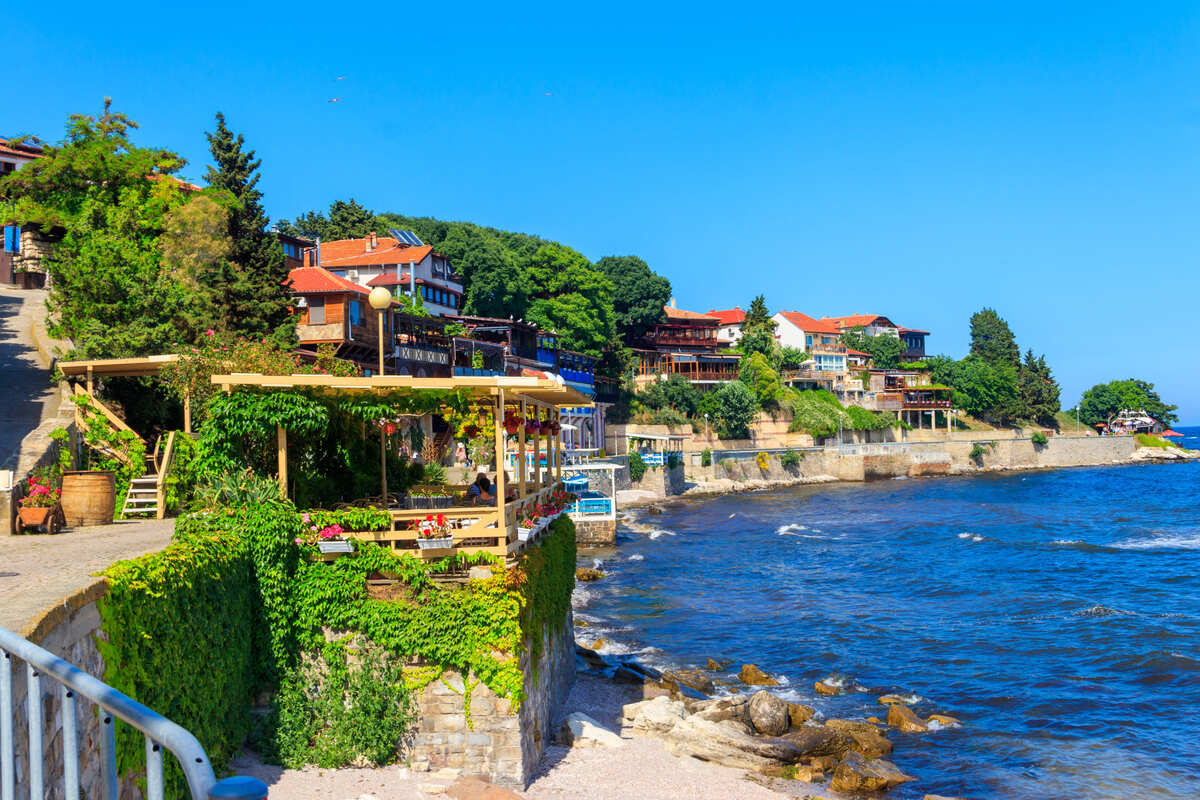
The Coastal Walls In Nesebar, Bulgaria

Nesebar is surrounded by water, and given the fact that it’s about as warm here as it gets in the Mediterranean in summer, chances are you’ll be wanting to go for a dip at some point.

For those staying in town, Buna Beach is the most accessible swimming spot: it’s a tiny beach tucked beneath the Old Town, perfect for a quick swim with the historic stone walls as a backdrop.

Golden Sands, Anyone?

Believe it or not, Bulgaria’s actually known for its long golden-sand beaches and azure waters, so if it’s that Sunny Beach postcard-view you’re looking for, minus the British stag-do crowds, South Beach is your best bet at a relaxing beach day away from the chaos of it all.
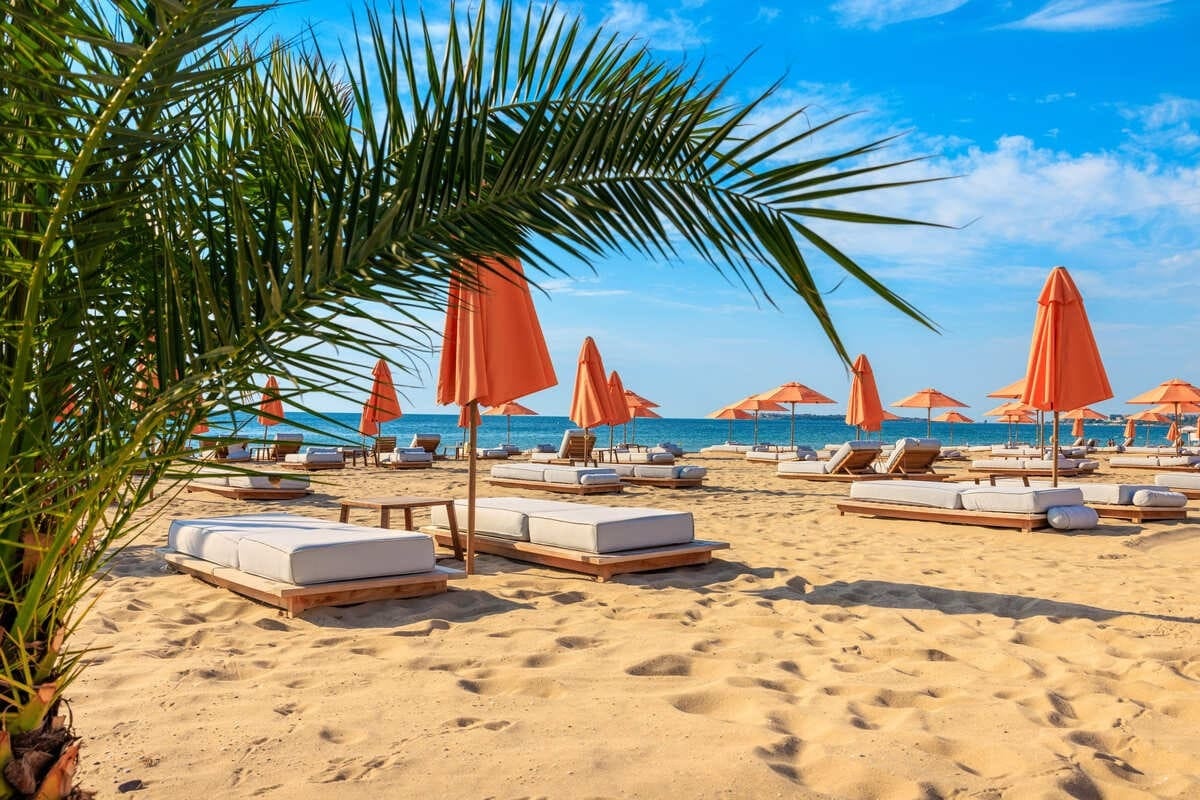
Golden Sand Beach On The Bulgarian Black Sea Coast

It’s a short walk, easily accessible via the causeway, just across from Old Town, and it has a wide strip of golden sand and calm, shallow waters. The views of the island-town from here are breathtaking as well.

Of course, there’s Sunny Beach, a short 5 to 10-minute drive away depending on which part of the strip you’re headed.

Most visitors actually stay here due to the plethora of beach clubs, bars, and restaurants, and the overall tourist-friendly atmosphere.

On top of that, resorts are shockingly cheap, starting from $70–100 only, but maybe you’ll want to keep your distance if you’re not coming all this way for hectic nightlife scenes and day-drinking.

One thing you do not need to worry about in Bulgaria is safety.
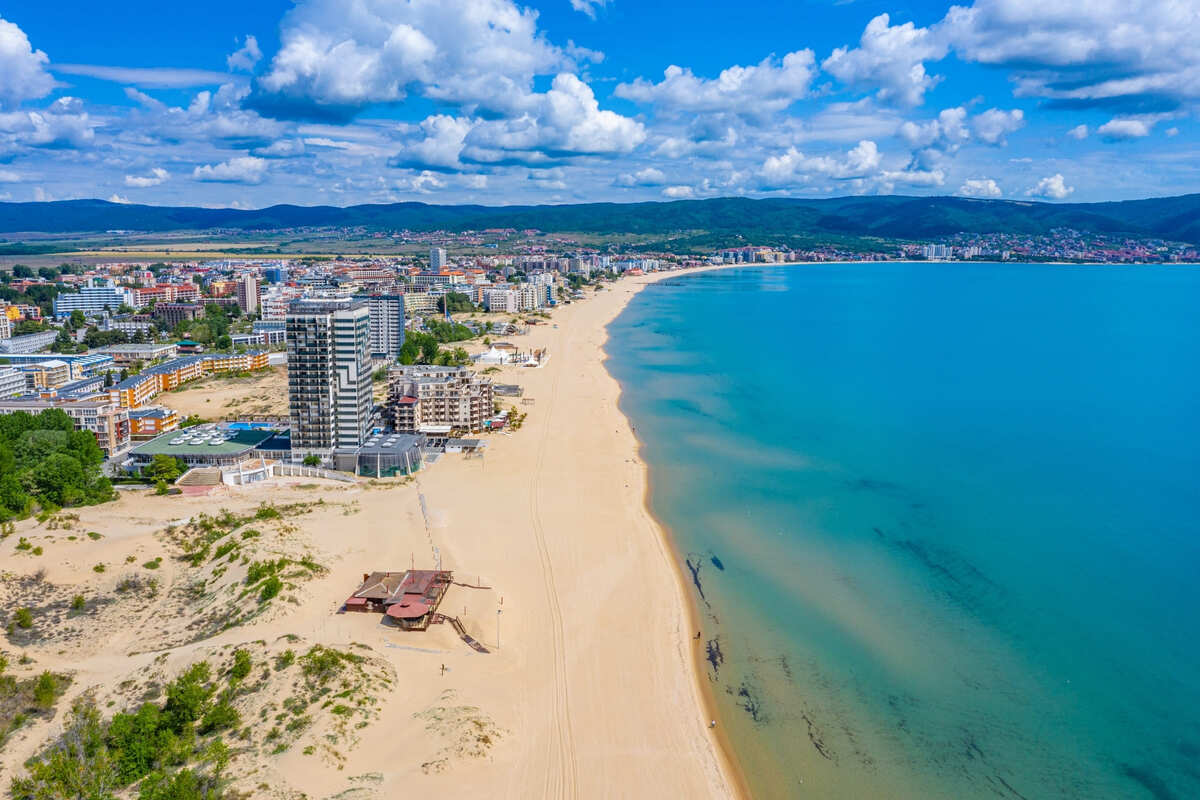
Panoramic View Of Sunny Beach, Bulgaria Black Sea Coast

According to the U.S. Department of State, it’s officially a Level 1 destination, meaning Americans can exercise normal precautions when visiting, and as far as the traveler experience goes, it scores an impressive 89 out of 100 on the Traveler Safety Index.

That’s based on reports from recent visitors, FYI:

An Affordable Coastal Getaway

Guesthouses in Old Town Nesebar range from $45 to $80, and I cannot stress this enough, the most memorable experience is actually walking the Historic Center after the Sunny Beach day-trippers have left.
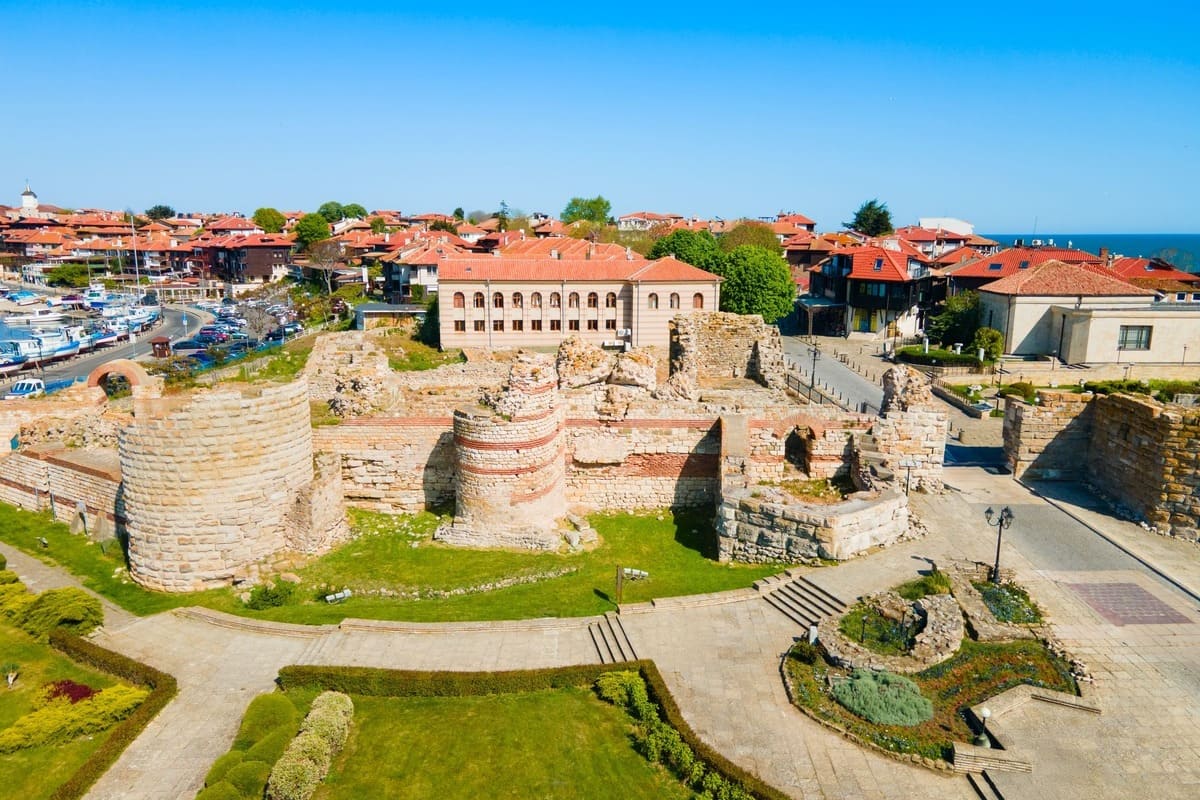
Drone View Of Nesebar Old Town, Bulgaria

I’m talking around sunset and into the evening, when the cheap souvenir stalls close, the crowds disappear, and the narrow, lamp-lit stone streets become almost eerily quiet.

Apart from, well, the handful of family-run tavernas dishing out traditional Bulgarian pub fare to residents.

On that note, you cannot leave without trying Familia Fish & Grills’ Black Sea fish, or Metropolia’s grilled pork chops. Prices, you ask? How does $35 on average for a generous 3-course meal (drink included) sound?

You probably couldn’t get a bloody starter for under $18 in Old Town Dubrovnik these days.

Can You Fly Nonstop To Nesebar, Bulgaria?

No.
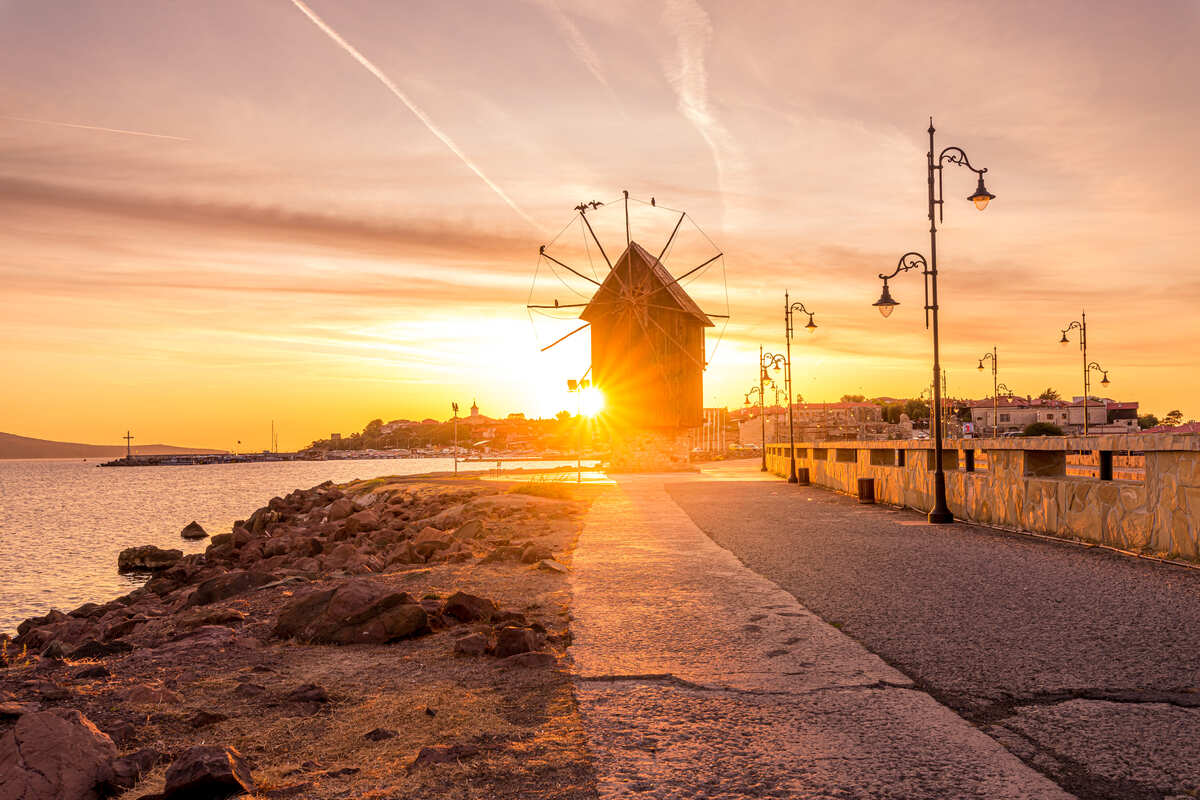
Nesebar Old Town Windmill Seen During Sunset, Bulgaria

The easiest way to get to Nesebar this season is flying to Burgas International Airport (BOJ), which lies some 12 miles away from the causeway crossing.

It serves the Black Sea city of Burgas, which you can also use as a base for exploring Nesebar and the surrounding coast, and if you’ll be in Europe this summer, you can snag cheap flights there from pretty much every major airport.

For those not renting a car, getting to Nesebar will almost always include a transfer in the city of Burgas itself.

Buses depart from Burgas South Bus Station, next to the main railway station, and they run about every half-hour during the day, especially in summer. The fare is around $4 and you don’t need to book in advance.

Alternatively, taxis from Burgas Airport to Nesebar cost roughly $23–$25 (though you’re advised to confirm the fare before leaving).


Source link

Leave a Reply

Subscribe to Our Newsletter

Get our latest articles delivered straight to your inbox. No spam, we promise.

Recent Reviews


Travel is easier to book than ever before, yet somehow many vacations still go sideways.

With endless apps, social media inspiration, AI trip planners, and online booking tools, modern travelers have more resources than any generation before them. Yet people still routinely return home feeling overscheduled, overstimulated, over budget, or disappointed that their dream trip somehow did not feel as magical as expected.

The issue usually is not where they went. More often, it is how they planned.

After years of exploring everything from luxury safari camps in Tanzania and glacier adventures in Alaska to winter city escapes, iconic national parks, road trips, and high-end mountain resorts, one lesson has become increasingly clear: smart travel is not about doing more. It is about making better decisions.

The difference between an exhausting vacation and an unforgettable one often comes down to avoiding a handful of surprisingly common mistakes.

If you want better trips, fewer regrets, and experiences that actually feel rewarding, these are the travel pitfalls worth sidestepping.

Mistake #1: Trying to Do Too Much

Choosing Meaning Over Miles-Couple with map
Photo Credit: Deposit Photos.

Many travelers build itineraries like they are preparing for a competitive event.

They pack in:

  • Multiple cities
  • Back-to-back tours
  • Tight transportation schedules
  • Early mornings
  • Late nights
  • Minimal recovery time

While this may seem efficient, it often produces burnout rather than fulfillment.

Some of the most memorable travel moments happen when there is room to linger. A long dinner overlooking vineyards, an unexpected wildlife sighting, a scenic drive that turns into multiple spontaneous stops, or an afternoon wandering through a historic district can become more meaningful than a dozen rushed attractions.

Travel should not feel like a checklist. It should feel like an experience.

Mistake #2: Choosing Cheap Over Strategic

Couple planning budget
Photo Credit: Deposit Photos.

Budget matters, but cheapest rarely means best.

Low-cost hotels may be far from the action. Discount flights may involve brutal layovers. Bargain tours may sacrifice quality, comfort, or time.

Saving money upfront can sometimes cost more in:

  • Transportation hassles
  • Lost vacation time
  • Frustration
  • Poor service
  • Missed opportunities

Experienced travelers focus on value, not just price.

Sometimes paying slightly more creates a dramatically better trip.

Mistake #3: Following Peak Season Crowds Without Question

Crowded tourist site via Canva

Peak season often seems like the obvious choice, but it frequently comes with trade-offs:

  • Higher rates
  • Larger crowds
  • Limited availability
  • Reduced flexibility
  • More tourist-heavy experiences

Shoulder seasons can offer some of the best travel opportunities.

Think national parks in early fall, mountain towns in summer, Europe in late winter, or tropical destinations just outside holiday surges.

Better pricing, fewer people, and more breathing room often create a more enjoyable overall experience.

Mistake #4: Packing for Aesthetic Instead of Reality

Teenage boy struggling to close suitcase
Photo Credit: Deposit Photos.

Vacation photos may inspire your wardrobe, but destination conditions should shape your suitcase.

Too many travelers prioritize style while overlooking practical essentials like:

  • Supportive shoes
  • Weatherproof layers
  • Functional bags
  • Activity-specific gear
  • Climate versatility

This becomes especially important when exploring destinations with changing conditions, such as mountainous regions, safari environments, winter cities, or outdoor-heavy itineraries.

Comfort creates flexibility, and flexibility often leads to better adventures.

Mistake #5: Underestimating the Importance of Where You Stay

Courtyard King Kamehameha's Kona Beach Hotel Hawaii
Photo Credit: Jenn Coleman.

Accommodations influence more than sleep.

Your hotel, lodge, or rental impacts:

  • Daily convenience
  • Walkability
  • Scenic access
  • Stress levels
  • Overall atmosphere

A centrally located boutique property can transform an urban trip. A remote wilderness lodge can create total immersion. A thoughtfully chosen resort can simplify logistics while enhancing comfort.

Where you stay often shapes how you experience the destination itself.

Mistake #6: Skipping Guided Experiences Entirely

Our Guide Ben on Root Glacier Hike McCarthy, Alaska
Photo Credit: Jenn Coleman.

Independent exploration has its place, but avoiding guides altogether can mean missing out on depth, efficiency, and hidden opportunities.

Exceptional guides can provide:

  • Cultural insight
  • Safety expertise
  • Priority access
  • Local knowledge
  • Storytelling

Whether it is wildlife viewing, glacier excursions, historical walking tours, culinary experiences, or backcountry adventures, the right guide can elevate a trip beyond surface-level tourism.

Mistake #7: Letting Social Media Overbuild Expectations

Social Media
Photo Credit: Deposit Photos.

Social platforms are excellent for inspiration, but they often highlight perfection rather than reality.

What you may not see:

  • Crowds
  • Long waits
  • Seasonal limitations
  • Edited visuals
  • Overhyped attractions

Savvy travelers use social content as one research tool among many, balancing it with practical logistics, independent reviews, and destination-specific expertise.

Not every viral destination delivers meaningful travel value.

Mistake #8: Ignoring Transportation Strategy

Photo Credit: Jenn Coleman.

Flights are only one part of travel logistics.

Airport choice, train routes, rental cars, ferry systems, and transfer times all matter.

For example:

  • Regional airports can reduce stress
  • Scenic rail journeys can improve experiences
  • Strategic rental timing can save money
  • Alternative arrival points can improve flexibility

How you move shapes your trip almost as much as where you go.

Mistake #9: Overlooking Food as a Core Experience

Seafood tower Chute Eleven Yurt Deer Valley Resort Utah
Photo Credit: Jenn Coleman.

Food is often one of the most direct windows into culture.

Yet too many travelers default to convenience chains or overly curated tourist dining.

Prioritizing local cuisine through:

  • Markets
  • Neighborhood eateries
  • Regional specialties
  • Culinary tours
  • Family-owned establishments

can significantly deepen a trip.

Some destinations are best understood through flavor as much as scenery.

Mistake #10: Forgetting to Build in Downtime

Comfortable place for rest near window
Photo Credit: Deposit Photos.

Many vacations fail because travelers underestimate their own energy limits.

Constant movement, unfamiliar environments, weather, time changes, and decision fatigue can add up quickly.

Rest is not wasted vacation time.

In fact, strategic downtime often improves:

  • Mood
  • Flexibility
  • Energy
  • Spontaneity
  • Overall satisfaction

A well-paced trip feels more luxurious, regardless of budget.

Mistake #11: Splurging in the Wrong Places

money
Photo Credit: Deposit Photos.

Luxury is not always about spending more everywhere.

The smartest travelers often focus their budget on experiences that truly enhance the journey, such as:

  • Premium flight comfort on long-haul routes
  • Extraordinary excursions
  • Prime accommodations
  • Unique culinary moments
  • Seamless transfers

Meanwhile, they may save on less impactful categories.

Strategic splurging creates memorable travel without unnecessary excess.

Mistake #12: Treating Every Destination the Same

Levi Husky Park Post- Traditional Lodge
Photo Credit: Jenn Coleman.

Different destinations require different mindsets.

A safari is not a ski trip. A remote Alaskan adventure is not a European city break. A luxury beach stay is not a national park road trip.

Understanding what makes a destination special allows you to plan around its strengths instead of forcing generic travel habits onto unique places.

Adaptation improves experience.

Mistake #13: Focusing Too Much on “Must-Sees”

Trinidad, panoramic skyline with mountains and colonial houses. The village is a Unesco World Heritage and major tourist landmark in the Caribbean Island. Cuba.
Photo Credit: Deposit Photos.

Landmarks matter, but they are not everything.

Some of the richest experiences often come from:

  • Scenic detours
  • Local events
  • Hidden trails
  • Conversations
  • Neighborhood discoveries
  • Smaller cultural moments

Travel becomes more rewarding when you leave room for texture, not just headline attractions.

Mistake #14: Forgetting That Flexibility Is a Superpower

People in the rain climbing Mt. Kilimanjaro
Photo Credit: Altezza.

Weather changes. Energy shifts. Recommendations emerge. Opportunities appear unexpectedly.

Rigid travelers often miss some of the best moments because they are too locked into preplanned schedules.

Flexibility allows travel to feel alive.

Often, the best stories come from what was never on the itinerary.

Mistake #15: Losing Sight of Why You Travel

Couple lying on beach after snorkling
Photo Credit: Deposit Photos.

Somewhere between bookings, content creation, optimization, and bucket lists, many travelers lose focus on the true purpose of travel.

Travel should inspire.

It should refresh perspective, deepen connection, create wonder, and offer meaningful memories.

The best vacations are not necessarily the busiest or most expensive.

They are the ones that feel genuinely fulfilling.

Final Thoughts

Great-Pyramid-complex
Photo Credit: Jenn Coleman.

Travel mistakes are incredibly common, even among intelligent and experienced travelers.

Fortunately, most are avoidable.

When you prioritize value over cost, pace over pressure, authenticity over hype, and strategy over impulse, your trips become smoother, richer, and far more memorable.

Whether you are planning a luxury mountain retreat, international safari, national park adventure, winter city escape, or coastal road trip, better travel often comes down to better choices.

Because in the end, the smartest travelers are not the ones who simply go the farthest.

They are the ones who know how to travel well.

Hi! We are Jenn and Ed Coleman aka Coleman Concierge. In a nutshell, we are a Huntsville-based Gen X couple sharing our stories of amazing adventures through activity-driven transformational and experiential travel.


Source link