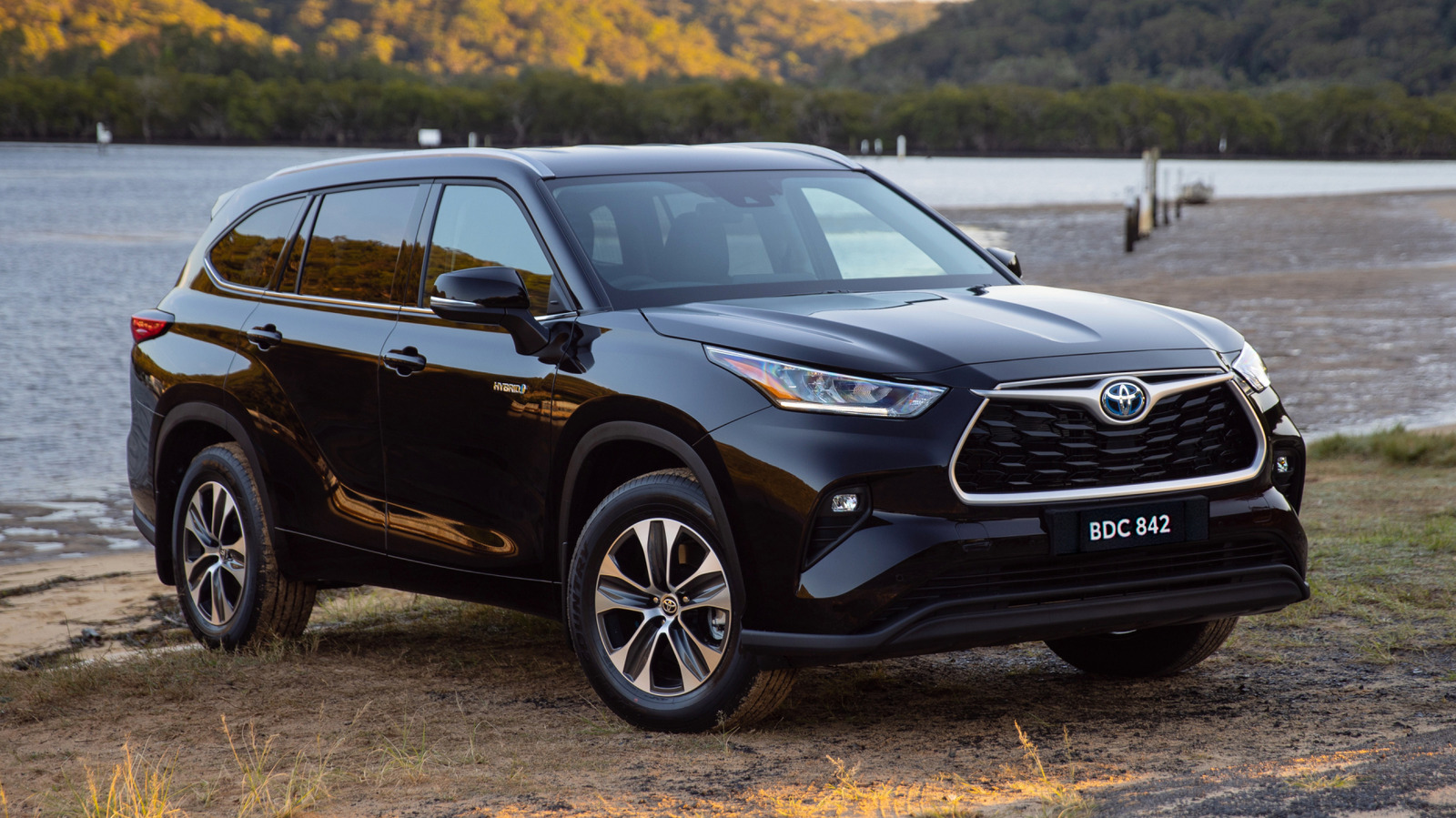
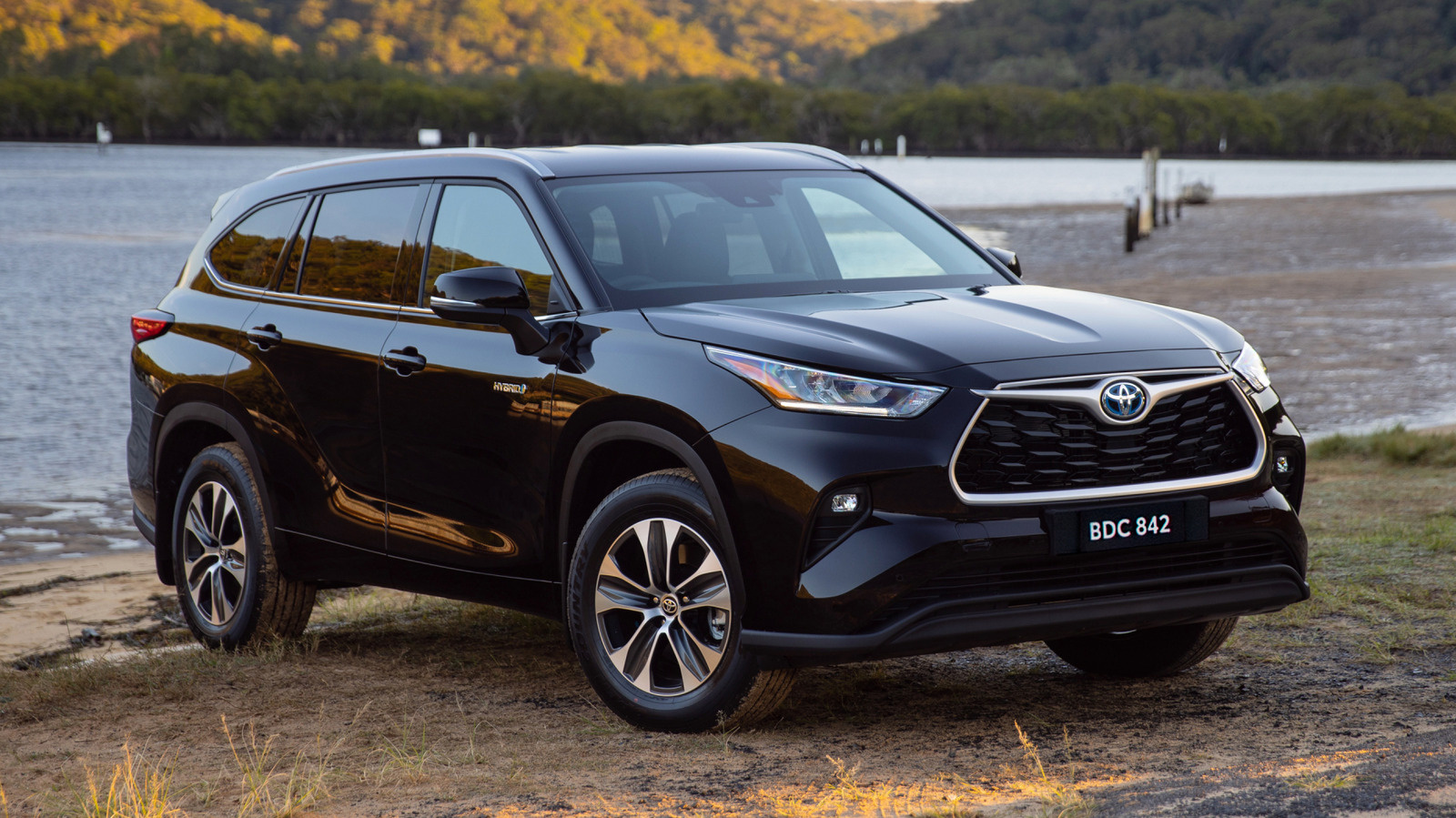
Toyota has reinvented the Highlander for the 2027 model year, with an entirely new look and new drivetrain technology, both of which are arguably overdue. We’ve previously concluded that the 2026 Highlander had outstayed its welcome, and at first glance, there are very few similarities between the new and outgoing versions of the car. However, rather than launch a new nameplate to reflect the all-new model, the Japanese automaker has chosen to stick with the Highlander moniker.
It’s a name that carries plenty of weight with American buyers, but elsewhere in the world, the same SUV is known by a very different name. In Australia, the Highlander is called the Kluger, a name which Toyota says is derived from “klug,” a German word that means wise or smart. Toyota was blocked from using the Highlander name in Australia because Hyundai already owned the trademark, which it used for the top trim of its Terracan SUV.
Hyundai first filed for the Highlander trademark in Australia in 1999, while Toyota applied to use the name in 2003. That application was denied, leaving Toyota with no choice but to hastily find an alternative. In Japan, the Highlander had already been marketed as the Kluger V since its introduction in 2000, and so Toyota borrowed the name for use in Australia.
Despite being denied the use of the name 20 years prior, Toyota filed again for the use of the Highlander trademark in Australia in 2024. Yet again, the application was not accepted, since Hyundai still uses the Highlander name for certain model trims.
Toyota dropped the Kluger name in Japan
Although it actively tried to claim the Highlander trademark, Toyota Australia told Drive in 2024 that there are “no plans to use the name ‘Highlander’ locally.” While it seems that the Kluger name isn’t going anywhere in Australia, the Japanese market version of the SUV no longer uses it.
The original Japanese Kluger V that launched at the turn of the century was never very popular with buyers. They mostly preferred its sister model, the Harrier. Incidentally, the Harrier is another model that’s known by different names in different markets, with American buyers knowing it as the Lexus RX. While the Harrier gained a reputation as being ahead of its time and became a big commercial success in Japan, the Kluger V was mostly overlooked. The launch of a three-row variant and another sister model, the Kluger L, didn’t do anything to boost its popularity, and Toyota axed the Kluger in Japan altogether in 2007.
The model remained absent from the Japanese market for almost two decades, but it’s now being relaunched. This time around, the model uses the Highlander name, with the first examples set to hit dealers in Japan in August 2026. Strangely though, the brand new Japanese-market Highlander isn’t actually configured for the Japanese market at all.
It’s instead designed for the New Zealand market, and as a result, Toyota says that some drivers aids and most of the infotainment system won’t work in Japan. The Japanese launch of the Highlander SUV, albeit in New Zealand market form, means that Australia is the only major market to continue using the Kluger name.
Land Rover nearly launched a Highlander SUV
Toyota Japan is marketing the new Highlander as a rugged, North American-made SUV that can deal with all kinds of terrain with ease. Ruggedness and utility were key themes in picking the Highlander name in the first place, and the term itself is synonymous with the Scottish Highlands.
Neither the Japanese manufacturer nor its Korean rival can claim any real connections to the Highlands, but a different manufacturer with British roots nearly launched a Highlander SUV long before Toyota or Hyundai. In the late ’80s and early ’90s, Land Rover considered launching both the Discovery and the Freelander under the Highlander name, before a separate trademark issue saw the company abandon the idea.
Land Rover even went as far as trademarking the Highlander name in Australia, beating Hyundai by around a decade. However, when the company went to trademark the name in its home market, the U.K., it found that Volvo Trucks already owned the trademark there.
The story goes that the Freelander name was partly chosen because Land Rover had already designed the recess mould for the name badge, and needed something that took up the same amount of space as “Highlander.” Freelander sounded similar enough and wasn’t already trademarked, so it became the name of the production model. If it hadn’t been for Volvo’s British truck division, it’s likely that Land Rover would have launched its new model as the Highlander, and Toyota fans would know its current Highlander under a different name today — perhaps it might have even been known globally as the Kluger.
Every summer, millions of travelers set out with the same goal, to make the most of their vacation time.
Unfortunately, many return home with surprisingly similar experiences.
They stood in line at famous attractions, took the photos everyone takes, and ate at the restaurants everyone recommends. They crossed a few items off a bucket list and then immediately started planning the next one.
There is nothing wrong with seeing iconic destinations; they are iconic for good reason. But after years of traveling professionally, we have discovered that the trips we remember most are rarely defined by famous landmarks. Instead, they are crafted by a series of unforgettable moments.
We remember the bear that suddenly appeared on an Alaskan shoreline. We remember standing inside a legendary recording studio where music history was made. We remember hiking to a waterfall in Ontario and wondering why more people were not talking about the place. We remember listening to live music deep inside a cave and realizing that the venue itself was as memorable as the performance.
Those experiences became stories. Years later, they are still the moments we talk about.
As summer travel season reaches full swing, perhaps the better question is not where everyone else is going. Perhaps the better question is what kind of story you want to bring home.
Alaska Still Feels Wild in All the Right Ways
Photo Credit: Jenn Coleman.
There are very few destinations left in North America that consistently deliver a genuine sense of wonder. Alaska remains one of them.
The Last Frontier has a way of making travelers feel both adventurous and humble at the same time. Massive mountains dominate the horizon. Glaciers stretch farther than the eye can see. Wildlife sightings feel less like scheduled activities and more like gifts from nature.
Some of our favorite travel memories have come from Alaska. We have watched grizzly bears forage along remote shorelines, explored glacier-carved landscapes in Wrangell-St. Elias National Park, and flown above some of the most dramatic scenery anywhere in the world. Even after multiple visits, Alaska continues to surprise us.
Summer is particularly special because of the extended daylight. Long evenings allow travelers to pack more adventure into each day without feeling rushed. Hiking, wildlife viewing, flightseeing, kayaking, and scenic drives all become part of an experience that feels larger than a traditional vacation.
What makes Alaska so memorable is that it rarely unfolds exactly as planned. Weather shifts. Wildlife appears unexpectedly. Entire landscapes reveal themselves at just the right moment. In a world where so much travel feels carefully curated, Alaska still feels wonderfully unpredictable.
Music Tourism Is Becoming One of America’s Best Travel Experiences
Photo Credit: Jenn Coleman.
Travelers often think of music as entertainment. Increasingly, it is becoming a reason to travel.
Over the past year, we have explored several destinations where music is woven into the local identity, and each one offered something far more immersive than simply attending a concert.
In Alabama’s Shoals region, we walked through legendary recording studios where some of the greatest artists in American music history recorded iconic songs. Standing in those spaces provides a connection to history that is difficult to replicate. You can almost feel the creativity that once filled the room.
The same sense of discovery carried over into our travels throughout Nashville’s Big Backyard. Spread across Tennessee and Alabama, this region offers visitors the opportunity to connect with the people, places, and stories that helped shape generations of American music.
One of the most unforgettable experiences came at The Caverns in Tennessee. Watching a live concert inside an actual cave feels almost surreal. The acoustics are remarkable, the setting is unlike anything else, and the experience becomes something much bigger than a night of entertainment.
As travelers increasingly seek authentic cultural experiences, music tourism continues to grow. It offers something that many destinations struggle to provide: an emotional connection that lasts long after the trip is over.
The Most Memorable Destinations Are Often the Ones Nobody Told You About
Photo Credit: Jenn Coleman.
Some of the best travel discoveries happen when expectations are low.
Popular destinations receive plenty of attention, but lesser-known places often provide the greatest rewards. They offer fewer crowds, more authentic interactions, and the thrill of discovering something that still feels like a hidden gem.
Thunder Bay, Ontario, was one of those surprises for us.
Located along the shores of Lake Superior, the region combines dramatic natural beauty with outdoor adventure opportunities that rival destinations receiving far more publicity. During our visit, we explored waterfalls, suspension bridges, scenic overlooks, and hiking trails that delivered breathtaking views at every turn.
What stood out most was the sense of space. Instead of navigating crowds, we found ourselves immersed in nature with room to breathe and explore.
We experienced something similar in Ridgeland, Mississippi. While many travelers overlook the area, it offers excellent cycling opportunities, outdoor recreation, welcoming hospitality, and a surprisingly impressive food scene.
These destinations highlight an important trend. Travelers are increasingly prioritizing experiences over bragging rights. They want meaningful adventures, not simply recognizable locations.
That shift may ultimately be one of the healthiest developments in modern travel.
Small-Ship Adventures Are Changing the Way People Explore
Photo Credit: Jenn Coleman.
Many travelers assume they have to choose between comfort and adventure. Small-ship travel proves otherwise.
Some of our most rewarding travel experiences have taken place aboard expedition-style vessels that focus on exploration rather than entertainment. Instead of spending days surrounded by crowds, we found ourselves kayaking remote coastlines, hiking hidden trails, snorkeling pristine waters, and learning directly from local experts.
Our small-ship adventures in Hawaii offered opportunities to explore secluded coves, cultural sites, and marine environments that most visitors never see. The experience felt less like a cruise and more like an immersive expedition.
The same held true in Alaska, where expedition cruising allowed us to reach remote bays, observe wildlife up close, and explore landscapes inaccessible to larger ships.
For active travelers, this style of exploration offers a compelling alternative to traditional sightseeing. Every day feels different, every destination feels personal, and every experience feels earned.
As travelers continue looking for deeper connections with the places they visit, small-ship adventures are becoming one of the most exciting segments of the travel industry.
Luxury Travel Is No Longer About Sitting Still
Photo Credit: Jenn Coleman.
The definition of luxury has evolved dramatically over the past decade.
Not long ago, luxury travel was largely defined by extravagant accommodations and exceptional service. Those things still matter, but today’s travelers increasingly want their luxury experiences paired with meaningful activities.
We have seen this trend firsthand in destinations like Deer Valley, Utah.
While many people associate Deer Valley with winter skiing, the summer season reveals a completely different side of the destination. Scenic hiking trails, outdoor concerts, mountain adventures, wellness experiences, and spectacular alpine views create opportunities for travelers to engage with the destination rather than simply observe it.
Luxury properties have adapted to meet this demand. Guests are no longer looking solely for beautiful rooms and elegant dining experiences. They want guided adventures, wellness programming, outdoor activities, and opportunities to create lasting memories.
The result is a more fulfilling style of luxury travel. Travelers return home not only relaxed but also inspired by what they experienced.
The Human Connections Matter More Than Ever
Photo Credit: Jenn Coleman.
Technology has made travel easier than ever before. Planning a trip now takes only a few taps on a smartphone.
Yet the most meaningful travel moments often have very little to do with technology.
They come from conversations.
They come from local guides sharing stories that never appear in guidebooks. They come from musicians performing in intimate venues. They come from lodge owners welcoming guests like family. They come from cultural experiences that offer insight into a place’s identity and traditions.
Some of our favorite travel memories are tied directly to the people we met along the way. Those interactions provided context, perspective, and authenticity that no attraction could ever replicate.
The destinations that understand this tend to leave the strongest impression on visitors. They recognize that travel is not simply about seeing new places. It is about connecting with them.
Stop Chasing Bucket Lists and Start Collecting Experiences
Photo Credit: Jenn Coleman.
Summer has a way of creating pressure. Travelers feel compelled to maximize every vacation day, visit every famous attraction, and check off every item on an ever-growing bucket list.
But after years of travel, we have come to believe that the best trips are not measured by how many places you visit.
They are measured by how deeply you experience them.
The memories that stay with us are rarely tied to famous landmarks. They come from unexpected wildlife encounters, incredible live music, conversations with locals, hidden hiking trails, and moments that could never have been planned in advance.
Whether that means watching bears roam the Alaskan wilderness, discovering the musical heritage of the American South, exploring the rugged shores of Lake Superior, cycling through Mississippi, or embarking on a small-ship adventure through remote waters, the goal remains the same.
Travel should leave you with more than photographs and souvenirs. It should leave you with stories that still feel vivid years later.
This summer, instead of asking which destination is trending, consider asking a different question. What experience will become your favorite story?
The answer might lead you somewhere unexpected, and those are often the journeys worth taking.
Hi! We are Jenn and Ed Coleman aka Coleman Concierge. In a nutshell, we are a Huntsville-based Gen X couple sharing our stories of amazing adventures through activity-driven transformational and experiential travel.
To provide the best experiences, we use technologies like cookies to store and/or access device information. Consenting to these technologies will allow us to process data such as browsing behavior or unique IDs on this site. Not consenting or withdrawing consent, may adversely affect certain features and functions.
Functional
Always active
The technical storage or access is strictly necessary for the legitimate purpose of enabling the use of a specific service explicitly requested by the subscriber or user, or for the sole purpose of carrying out the transmission of a communication over an electronic communications network.
Preferences
The technical storage or access is necessary for the legitimate purpose of storing preferences that are not requested by the subscriber or user.
Statistics
The technical storage or access that is used exclusively for statistical purposes.The technical storage or access that is used exclusively for anonymous statistical purposes. Without a subpoena, voluntary compliance on the part of your Internet Service Provider, or additional records from a third party, information stored or retrieved for this purpose alone cannot usually be used to identify you.
Marketing
The technical storage or access is required to create user profiles to send advertising, or to track the user on a website or across several websites for similar marketing purposes.