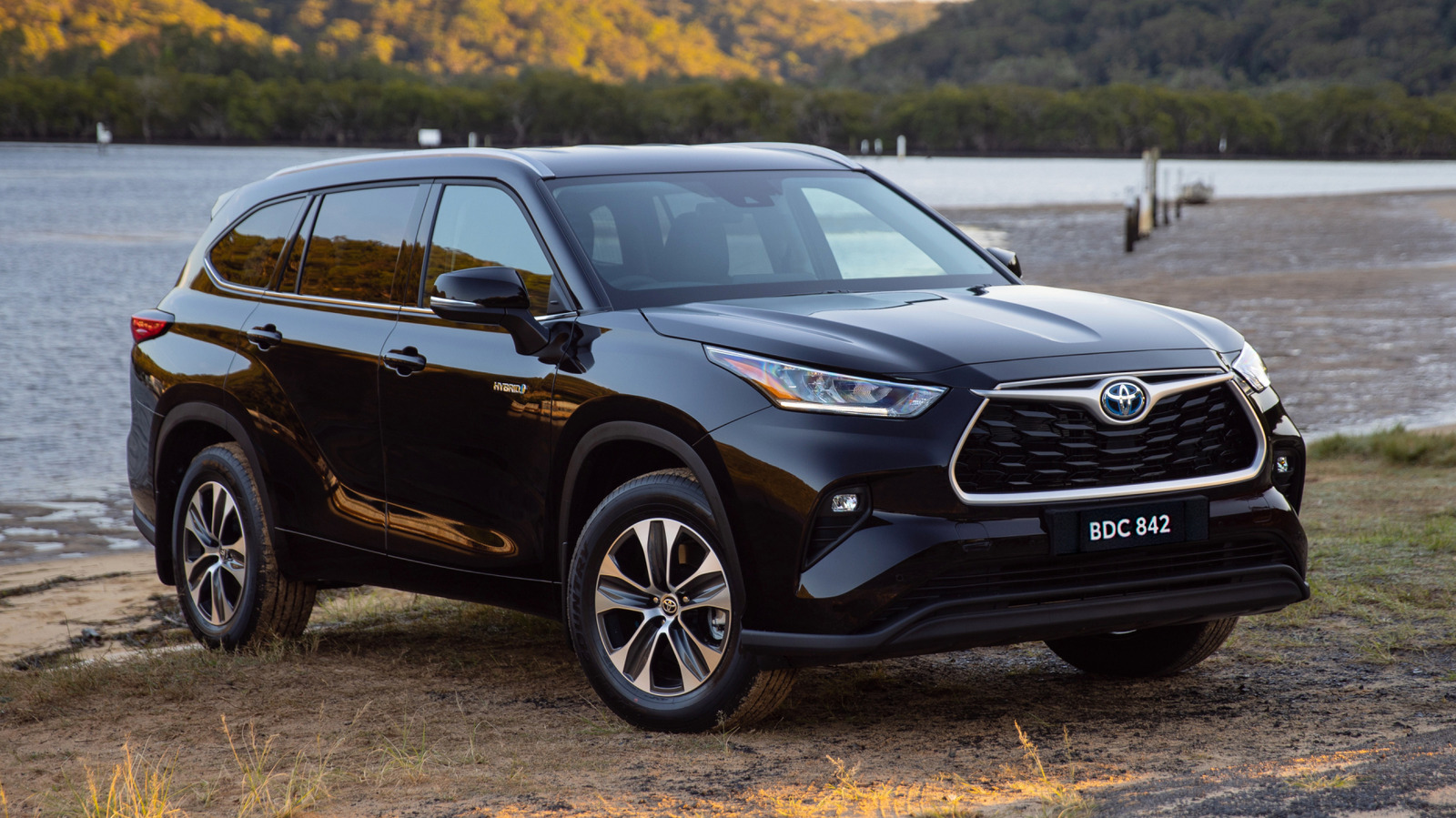

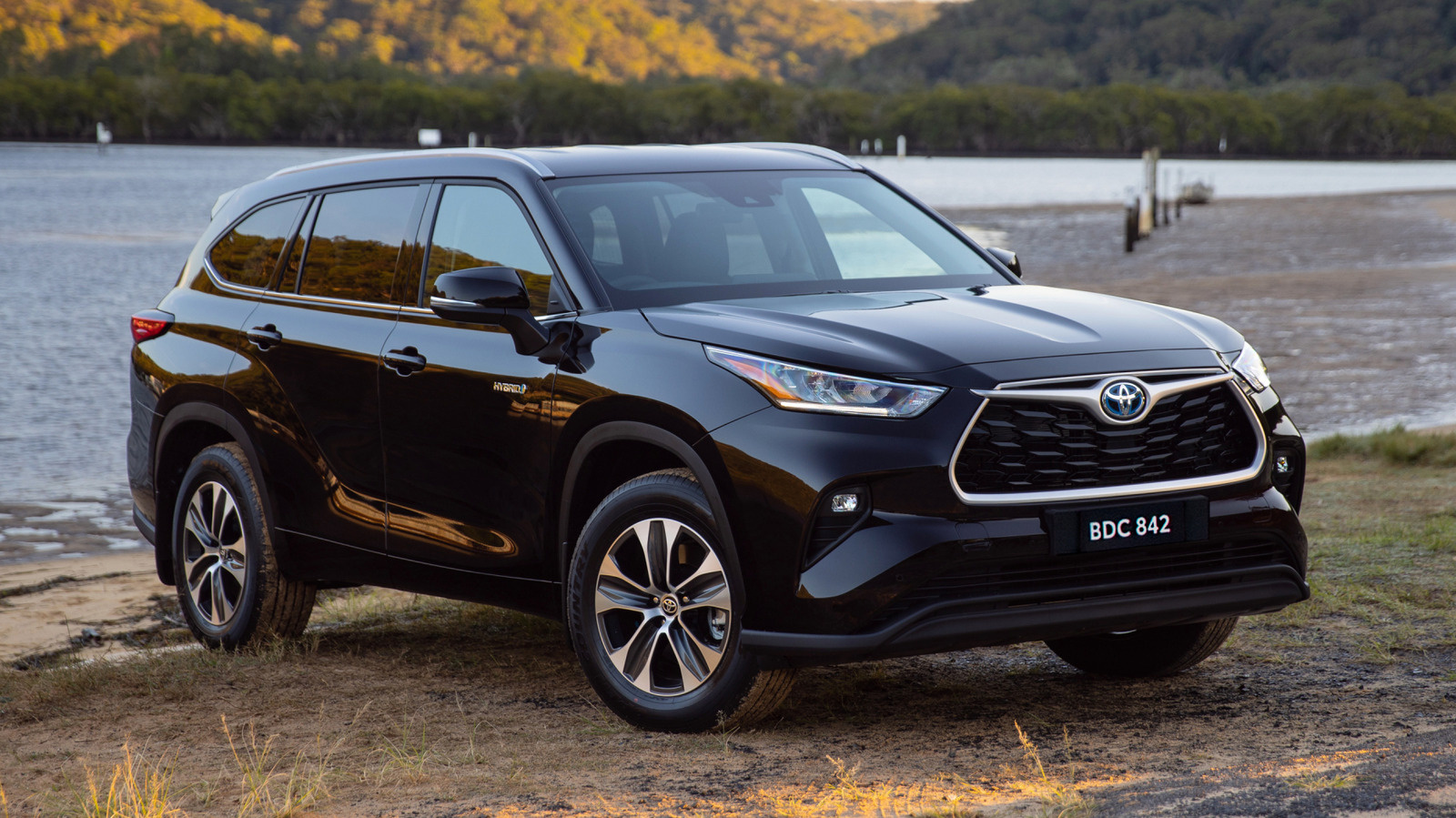
Toyota has reinvented the Highlander for the 2027 model year, with an entirely new look and new drivetrain technology, both of which are arguably overdue. We’ve previously concluded that the 2026 Highlander had outstayed its welcome, and at first glance, there are very few similarities between the new and outgoing versions of the car. However, rather than launch a new nameplate to reflect the all-new model, the Japanese automaker has chosen to stick with the Highlander moniker.
It’s a name that carries plenty of weight with American buyers, but elsewhere in the world, the same SUV is known by a very different name. In Australia, the Highlander is called the Kluger, a name which Toyota says is derived from “klug,” a German word that means wise or smart. Toyota was blocked from using the Highlander name in Australia because Hyundai already owned the trademark, which it used for the top trim of its Terracan SUV.
Hyundai first filed for the Highlander trademark in Australia in 1999, while Toyota applied to use the name in 2003. That application was denied, leaving Toyota with no choice but to hastily find an alternative. In Japan, the Highlander had already been marketed as the Kluger V since its introduction in 2000, and so Toyota borrowed the name for use in Australia.
Despite being denied the use of the name 20 years prior, Toyota filed again for the use of the Highlander trademark in Australia in 2024. Yet again, the application was not accepted, since Hyundai still uses the Highlander name for certain model trims.
Toyota dropped the Kluger name in Japan
Although it actively tried to claim the Highlander trademark, Toyota Australia told Drive in 2024 that there are “no plans to use the name ‘Highlander’ locally.” While it seems that the Kluger name isn’t going anywhere in Australia, the Japanese market version of the SUV no longer uses it.
The original Japanese Kluger V that launched at the turn of the century was never very popular with buyers. They mostly preferred its sister model, the Harrier. Incidentally, the Harrier is another model that’s known by different names in different markets, with American buyers knowing it as the Lexus RX. While the Harrier gained a reputation as being ahead of its time and became a big commercial success in Japan, the Kluger V was mostly overlooked. The launch of a three-row variant and another sister model, the Kluger L, didn’t do anything to boost its popularity, and Toyota axed the Kluger in Japan altogether in 2007.
The model remained absent from the Japanese market for almost two decades, but it’s now being relaunched. This time around, the model uses the Highlander name, with the first examples set to hit dealers in Japan in August 2026. Strangely though, the brand new Japanese-market Highlander isn’t actually configured for the Japanese market at all.
It’s instead designed for the New Zealand market, and as a result, Toyota says that some drivers aids and most of the infotainment system won’t work in Japan. The Japanese launch of the Highlander SUV, albeit in New Zealand market form, means that Australia is the only major market to continue using the Kluger name.
Land Rover nearly launched a Highlander SUV
Toyota Japan is marketing the new Highlander as a rugged, North American-made SUV that can deal with all kinds of terrain with ease. Ruggedness and utility were key themes in picking the Highlander name in the first place, and the term itself is synonymous with the Scottish Highlands.
Neither the Japanese manufacturer nor its Korean rival can claim any real connections to the Highlands, but a different manufacturer with British roots nearly launched a Highlander SUV long before Toyota or Hyundai. In the late ’80s and early ’90s, Land Rover considered launching both the Discovery and the Freelander under the Highlander name, before a separate trademark issue saw the company abandon the idea.
Land Rover even went as far as trademarking the Highlander name in Australia, beating Hyundai by around a decade. However, when the company went to trademark the name in its home market, the U.K., it found that Volvo Trucks already owned the trademark there.
The story goes that the Freelander name was partly chosen because Land Rover had already designed the recess mould for the name badge, and needed something that took up the same amount of space as “Highlander.” Freelander sounded similar enough and wasn’t already trademarked, so it became the name of the production model. If it hadn’t been for Volvo’s British truck division, it’s likely that Land Rover would have launched its new model as the Highlander, and Toyota fans would know its current Highlander under a different name today — perhaps it might have even been known globally as the Kluger.

Stephan is the sports journalist for the Maple Grove Report.