U.S. Embassy Issues Health Alert For Iconic Beach Destination


Share The Article

You spend months planning the perfect tropical getaway. You book the flights, secure an incredible rental house right by the sand, and start counting down the days until you can finally trade your daily routine for a lounge chair and an ocean breeze. The last thing on your mind is dealing with an unexpected medical situation while you are supposed to be relaxing. However, nature sometimes has a way of throwing a curveball, and travelers heading to one of the most popular vacation spots in Central America need to pay close attention to a brand new warning.
U.S. Embassy Issues Health Alert For Iconic Beach Destination

The U.S. Embassy has officially issued a health alert for an incredibly famous beach destination, and it is catching a lot of tourists entirely off guard. When an embassy puts out an official notice, it is always worth taking a few minutes to understand exactly what is happening on the ground before you pack your bags. If you have a trip planned to this region anytime soon, here is everything you need to know about the current situation, what is spreading, and how you can protect your much-needed vacation.

The Iconic Beach Town Facing A Sudden Outbreak
Costa Rica Beach

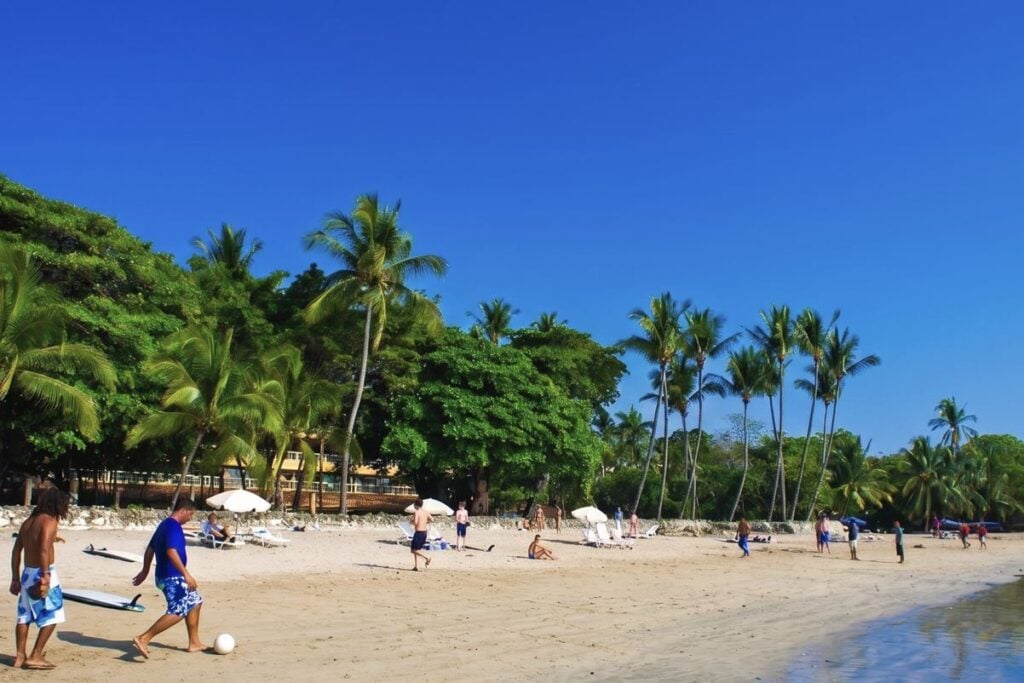
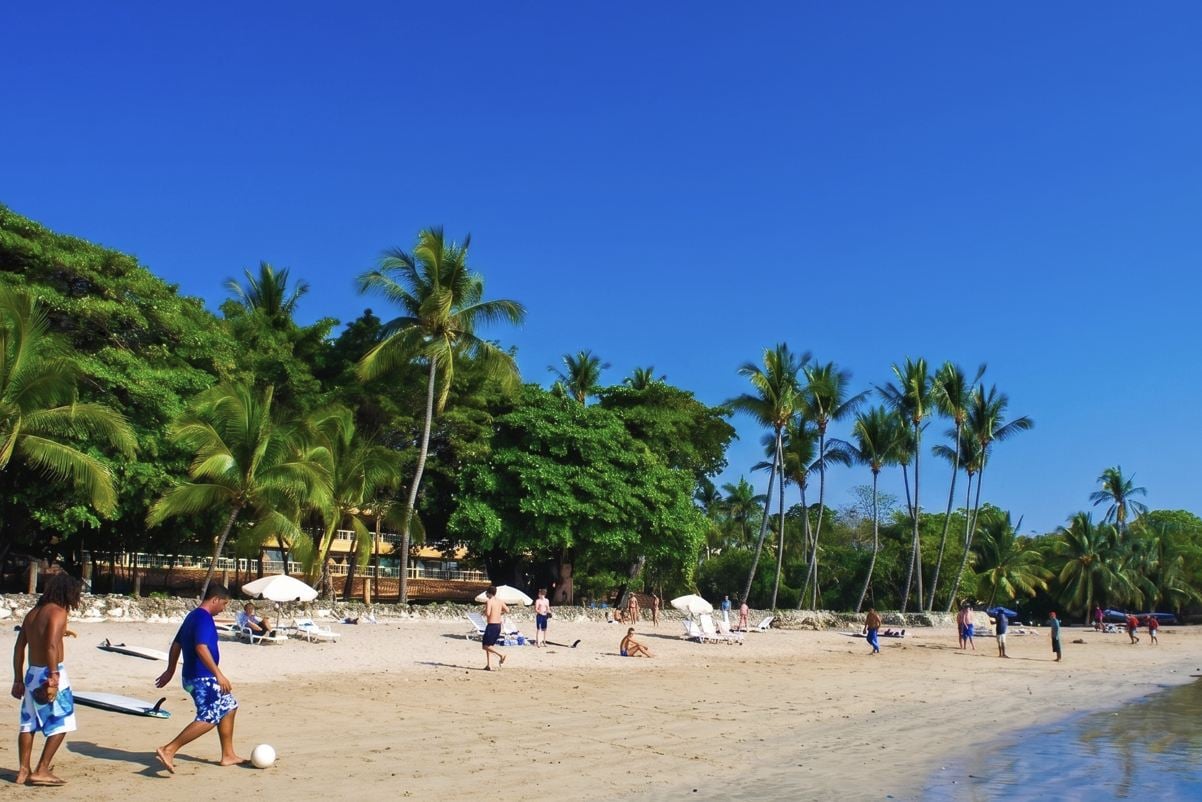
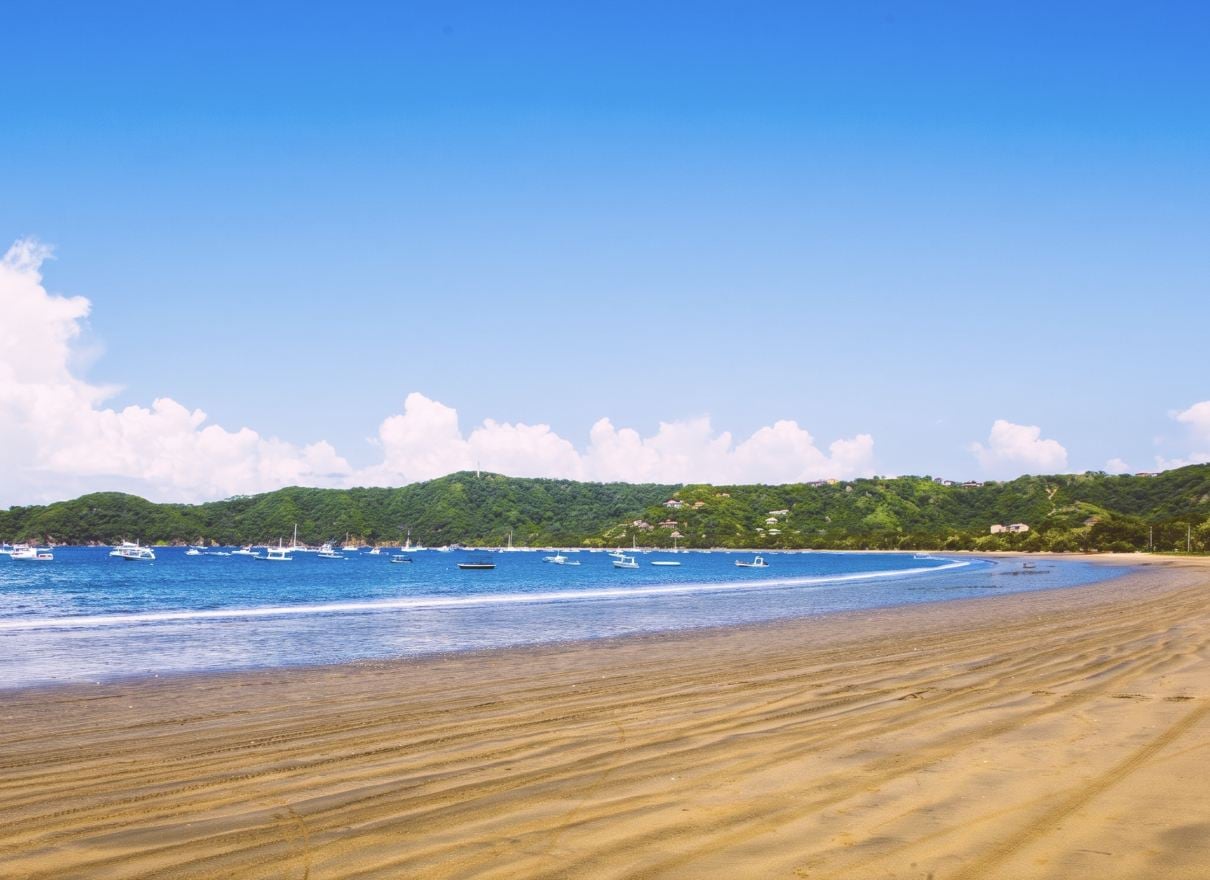
The destination in the spotlight is Playa Langosta, located in the gorgeous Santa Cruz area of Guanacaste, Costa Rica. If you have ever looked into a Costa Rican vacation, you already know that the Guanacaste coast is an absolute magnet for American travelers. It is famous for its world-class surfing, stunning sunsets, high-end resorts, and incredible luxury rental homes. It is the kind of place where people go to disconnect and enjoy the “Pura Vida” lifestyle.

However, the Costa Rican Ministry of Health recently declared an active outbreak in the Playa Langosta area, prompting the U.S. Embassy in San Jose to release a formal health alert for citizens traveling to the region. The alert confirms that multiple people have fallen ill, and the cases include both local Costa Rican nationals and foreign visitors. Health officials have investigated dozens of suspected cases in the immediate area, with several already confirmed and many more classified as probable.

What Exactly Is Spreading Right Now

The virus at the center of this embassy alert is chikungunya. While the name might sound unfamiliar to some travelers, it is a virus that spreads primarily through the bites of infected mosquitoes. What makes this specific alert so important for vacationers to understand is the concept of local transmission.

Local transmission means that the virus is not just being brought in by travelers who caught it somewhere else and flew into the country. Instead, the virus is currently circulating within the local mosquito population right there in the Playa Langosta area. If a mosquito in the area bites someone who has the virus, that mosquito can then pass it on to the next person it bites, whether that person is a local resident or a tourist enjoying a week at the beach. Because Playa Langosta and the broader Guanacaste coast see massive numbers of international visitors, the embassy wants to make sure everyone arriving is fully aware of the risk.

MOsquito spray

Symptoms Vacationers Need To Watch For

Catching a virus on vacation is a quick way to ruin a trip, and chikungunya brings a specific set of symptoms that you definitely do not want to deal with while trying to enjoy a beach day. The embassy alert highlights exactly what travelers need to be watching out for if they are spending time in the Guanacaste region.

The most prominent symptom is a sudden, high fever that spikes above 102 degrees Fahrenheit. Along with the intense fever, the virus is notorious for causing severe joint pain and noticeable swelling. Other common symptoms include persistent headaches, nausea, and a general feeling of being unwell and entirely drained of energy. These symptoms can hit hard and fast, easily confining you to a hotel bed for the remainder of your trip. If you start feeling any of these symptoms during your time in Costa Rica or even shortly after you fly back home, it is incredibly important to seek medical attention immediately and mention your recent travel history to the doctor.

Mosquito-Repellent.jpg-1200x959

How To Protect Your Tropical Getaway

The tricky thing about chikungunya is that there is no vaccine widely available or recommended for routine travelers right now. You cannot just get a quick shot before your trip to make yourself immune. The absolute best and only real line of defense is completely avoiding mosquito bites while you are enjoying your time in the sun.

If you are heading down to Guanacaste, you need to take bite prevention seriously. Pack a high-quality, EPA-registered bug repellent that contains active ingredients like DEET, picaridin, or IR3535. Apply it religiously, especially during the early morning and late afternoon when mosquitoes are most active. While it is tempting to live in a bathing suit all day, try to wear long sleeves and lightweight pants when it is practical, especially if you are hanging out outdoors in the evening.
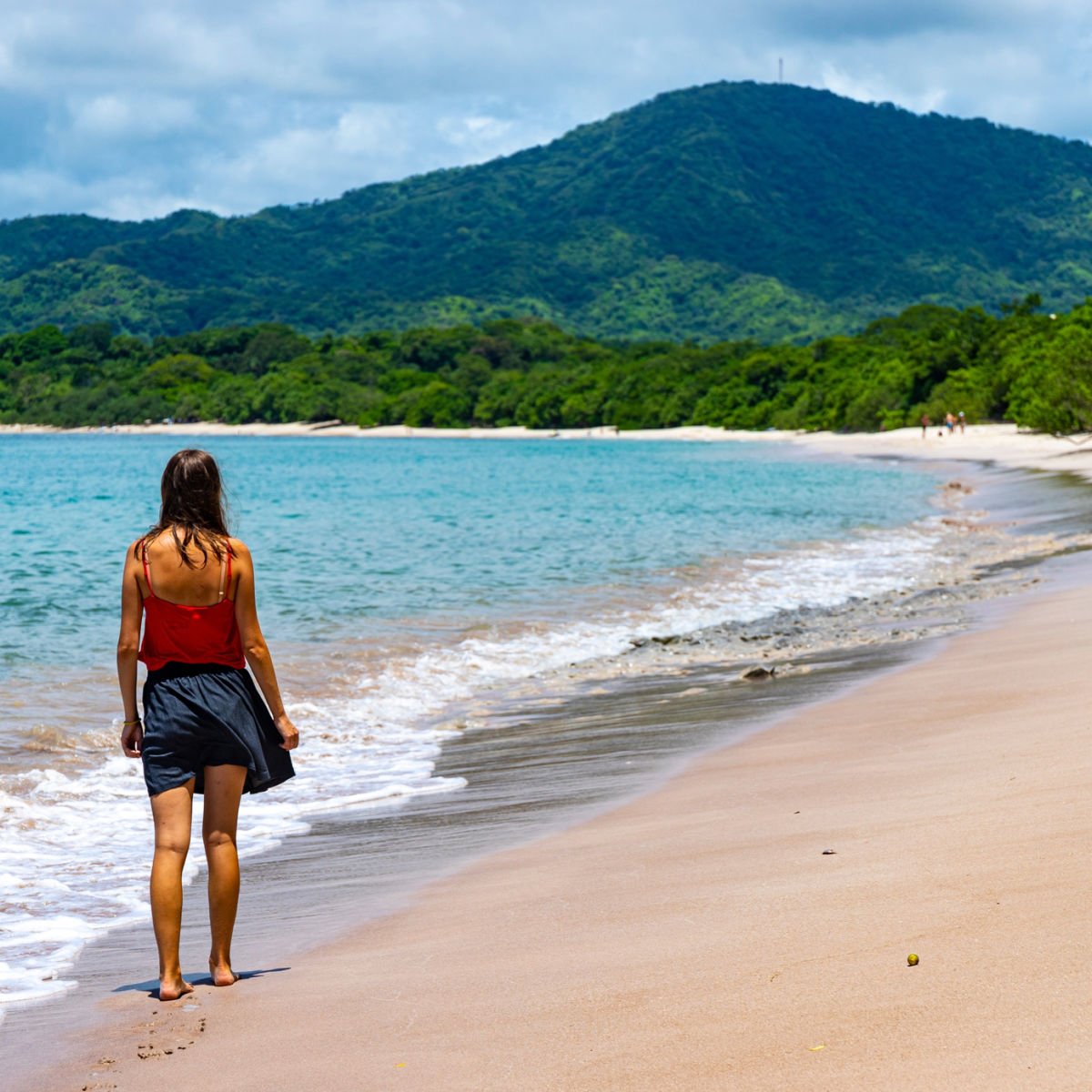
Young woman taking walk on beach in Costa Rica

Your choice of accommodation also plays a massive role in your safety. Try to spend your indoor time in places that have strong air conditioning or well-maintained window screens to keep the bugs outside where they belong. If you are staying in a private rental home or an Airbnb, do a quick walk around the property when you arrive. These specific mosquitoes love to breed in tiny amounts of stagnant water. Empty out any standing water you see in decorative pots, buckets, pool toys, or outdoor shower drains. Taking five minutes to dump out standing water around your patio can dramatically reduce the number of mosquitoes hanging around your lounge chair, ensuring you bring home nothing but good memories and a great tan.

The Current Travel Advisory For Costa Rica

While this specific health alert is focused entirely on a localized viral outbreak, it is always a smart move to review the broader security situation before you board your flight. Right now, the United States State Department places Costa Rica under a Level 2 travel advisory, which simply tells visitors to exercise increased caution. This rating is primarily due to opportunistic crimes like petty theft, pickpocketing, and the occasional rental car break-in, which is actually the exact same advisory level currently assigned to major European destinations like France, Italy, and the United Kingdom.

For a much more realistic look at what is happening on the ground right now, the Costa Rica Traveler Safety Index, which is calculated using real-time votes from travelers currently exploring the country, is sitting at a strong score of 84. The reality is that the country remains overwhelmingly safe and welcoming for tourists, provided you use basic street smarts, keep an eye on your belongings at the beach, and remember to pack your bug repellent.

You can read the full US Embassy health alert here.


The Travel Off Path Advantage: Your Travel Toolkit

Subscribe To Our Latest Posts

Enter your email address to subscribe to Travel Off Path’s latest breaking travel news, straight to your inbox.


Source link

Leave a Reply

Subscribe to Our Newsletter

Get our latest articles delivered straight to your inbox. No spam, we promise.

Recent Reviews


Most of us can remember a trip from years ago with remarkable clarity.

Perhaps it was watching wildlife emerge from the morning mist on safari. Maybe it was standing on the deck of a small boat as a glacier calved into the sea. It could have been a quiet evening in a centuries-old European city, wandering streets with no agenda beyond seeing where they led.

Yet ask someone what they did on a random Tuesday three months ago, and many would struggle to remember.

Travel has a unique ability to imprint itself on our memories in a way that everyday life rarely does. Some trips become part of who we are. They become stories we tell repeatedly, experiences we compare future adventures against, and moments that continue to shape our perspective long after we return home.

What makes certain journeys unforgettable while others seem to fade into the background? The answer has surprisingly little to do with luxury, distance, or how much money was spent. Instead, the trips that stay with us tend to share a handful of characteristics that have more to do with how we experience a destination than where we actually go.

Unforgettable Trips Take Us Out of Autopilot

Person taking a photo of truistic sail boat using smart phone camera, male hand holding cell phone while taking a photograph of night lights city in travel,taking a picture of outdoors,blur background
Photo Credit: Deposit Photos.

Much of daily life is predictable. We wake up, follow familiar routines, drive the same roads, interact with the same people, and solve many of the same problems.

Our brains become efficient at handling these routines, which is helpful for productivity but not necessarily for creating lasting memories.

Travel disrupts that pattern.

When we find ourselves in a new environment, our senses become more engaged. We pay attention to details that would normally go unnoticed. We notice the architecture, the language, the smells coming from local restaurants, the rhythm of a city, or the silence of a remote wilderness area.

The unfamiliar forces us to be present. That heightened awareness helps create stronger memories and deeper emotional connections to the places we visit.

The Best Travel Experiences Involve Discovery

Illustration of discovery journey road trip traveling on laptop
Photo Credit: Deposit Photos.

One of the biggest misconceptions about travel is that unforgettable moments are always tied to famous attractions.

Certainly, iconic landmarks can be impressive. There is a reason millions of people visit them every year. However, many travelers find that their favorite memories come from experiences they never planned.

It might be discovering a tiny bakery on a side street. It could be stumbling across a local festival, finding an unexpected hiking trail, or having a conversation with someone who offers a completely different perspective on the place you are visiting.

These moments of discovery feel personal because they belong to your journey rather than a standard itinerary.

While guidebooks and social media can point us in the right direction, some of the most memorable travel experiences happen when we leave room for spontaneity.

Challenge Often Creates Stronger Memories

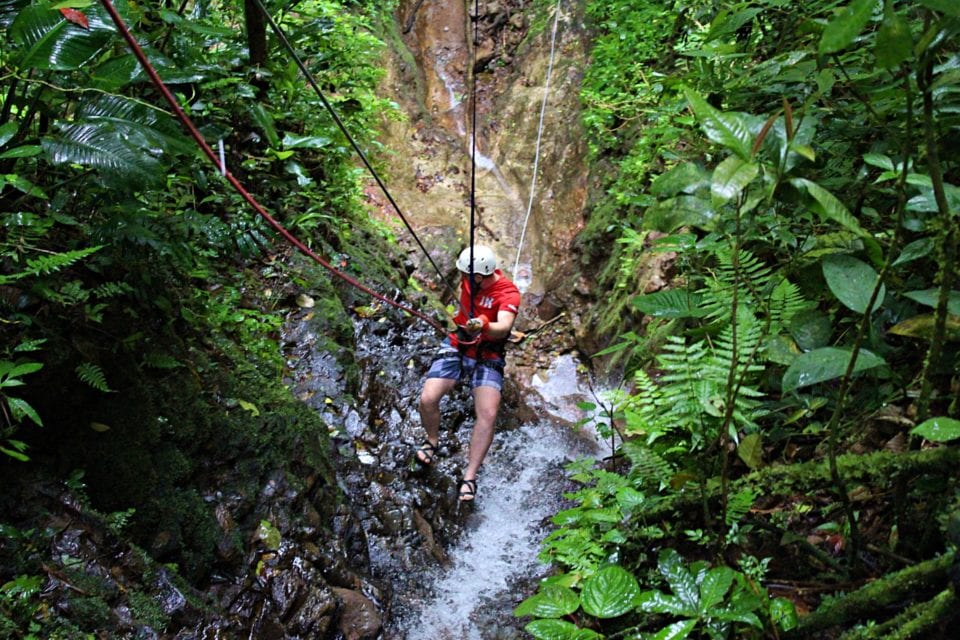
Ed-on-Rappel-Lost-Canyon
Photo Credit: Jenn Coleman.

Many of our most cherished travel memories involve overcoming some type of challenge.

That challenge does not need to be extreme. It could be navigating a foreign city for the first time, hiking farther than you thought possible, learning to ski, snorkeling in open water, or simply stepping outside your comfort zone.

The challenge itself is not always enjoyable in the moment. In fact, it can sometimes be stressful.

What makes these experiences memorable is the sense of accomplishment that follows. Humans are wired to remember moments that require effort. When we work for an experience, we often value it more deeply.

This is one reason adventure travel remains so appealing. It combines exploration with personal growth, creating memories that are both meaningful and lasting.

People Matter More Than Places

Chef Rachel and her crab on Uncruise Wilderness Legacy Alaska
Photo Credit: Jenn Coleman.

Destinations often receive most of the attention when we plan a trip, but the people we encounter frequently become the most memorable part of the experience.

A knowledgeable guide can transform a landscape into a story. A passionate chef can help you understand a region through its cuisine. A local resident can provide insights that no guidebook ever could.

Even the people we travel with play a significant role in shaping our memories.

Years later, we may not remember every detail of a hotel room or attraction. We often remember the conversations, shared laughter, unexpected moments, and experiences we enjoyed together.

Travel has a unique way of bringing people closer because it removes many of the distractions and routines that dominate daily life.

The Trips That Stay With Us Engage Multiple Senses

Hikers hiking, enjoying the view of Famous Patagonia Mount Fitz
Photo Credit: Deposit Photos.

Think about one of your favorite travel memories.

You probably remember more than just what it looked like.

You may remember the scent of pine trees on a mountain trail. You might recall the sound of waves against a rocky shoreline or live music drifting through a city square. Perhaps you remember the taste of a memorable meal or the feel of cold air on your face during a winter adventure.

Experiences that engage multiple senses tend to create stronger and more durable memories.

This is one reason travel often feels so vivid compared to everyday life. New destinations bombard us with sensory information that our brains eagerly absorb and store.

The richer the sensory experience, the more likely it is to remain accessible years later.

Slowing Down Often Leads to Better Memories

Senior couple hiking
Photo Credit: Deposit Photos.

Many travelers fall into the trap of trying to see as much as possible.

There is a natural temptation to maximize every day by squeezing in additional attractions, tours, and activities. While that approach may increase the number of things you see, it does not always improve the quality of your memories.

Some of the most rewarding travel experiences come from slowing down.

A long lunch overlooking a harbor. An extra hour spent watching wildlife. A leisurely stroll through a historic neighborhood. An afternoon spent sitting at a café and observing daily life.

These slower moments often allow destinations to reveal their character in ways that rushed itineraries cannot.

Instead of collecting attractions, travelers who slow down often collect experiences.

Nature Has a Unique Ability to Leave an Impression

Kakabeka Falls Provincial Park Thunder Bay Ontario Canada
Photo Credit: Jenn Coleman.

There is something powerful about standing in front of a landscape that reminds us how small we are.

Towering mountains, massive glaciers, endless deserts, ancient forests, and expansive oceans all have a way of putting daily concerns into perspective.

Nature creates a sense of awe that many researchers believe contributes directly to happiness, well-being, and lasting memory formation.

This may explain why people frequently describe encounters with wildlife, dramatic scenery, and remote wilderness as some of their most meaningful travel experiences.

These moments provide a rare opportunity to disconnect from everyday pressures and reconnect with something much larger than ourselves.

The Most Meaningful Trips Reflect Who We Are

Lion family on log Ngorongoro Crater National Park Tanzania Africa
Photo Credit: Jenn Coleman.

Not every traveler seeks the same experience.

Some people are energized by cities. Others crave solitude and wilderness. Some love cultural immersion, while others prioritize food, adventure, relaxation, or history.

The trips that leave the strongest impression are often those that align with our personal interests and values.

A wildlife enthusiast may never forget a safari. A history lover may be captivated by ancient architecture. An outdoor adventurer may treasure a challenging trek more than any luxury resort.

There is no universal formula for the perfect trip because the best travel experiences are deeply personal.

The key is understanding what genuinely excites you rather than chasing someone else’s version of a dream vacation.

Memories Become More Valuable Over Time

Grey Whales in Magdalena Bay
Photo Credit: Jenn Coleman.

One of the most remarkable things about travel is that its value often increases long after the trip ends.

A hotel stay lasts a few nights. An excursion may only take a few hours. Yet the memories can remain with us for decades.

As time passes, we tend to forget inconveniences while holding onto meaningful moments. Delayed flights, rainy days, and minor frustrations fade into the background. The incredible experiences rise to the surface.

This process is one reason so many people look back on travel with such affection.

The return on investment continues long after the trip itself is over.

Final Thoughts

Two hikers with backpacks enjoying sunset view from top of a mountain
Photo Credit: Deposit Photos.

The trips that stay with us forever are rarely defined by luxury, distance, or price tag alone. Instead, they are shaped by discovery, challenge, connection, sensory richness, and meaningful experiences that pull us away from routine and into the present moment.

The destinations certainly matter, but unforgettable travel is ultimately about much more than geography. It is about how a place makes us feel, what it teaches us, who we share it with, and the memories we carry home afterward.

Years from now, you may not remember every hotel, meal, or attraction. What you will likely remember are the moments that surprised you, challenged you, inspired you, and reminded you how much there is still left to explore.

Those are the experiences that become part of our personal story. They are the reason some trips stay with us forever while others fade almost immediately.


Hi! We are Jenn and Ed Coleman aka Coleman Concierge. In a nutshell, we are a Huntsville-based Gen X couple sharing our stories of amazing adventures through activity-driven transformational and experiential travel.


Source link