
There are foodie places you visit because they went viral on social media. There are places you seek because everyone tells you to. And then there are places that quietly become part of your story—places that somehow know your cravings before you do, whose flavors linger long after the meal is over.

Masuki Noodles
For me, tucked within the vibrant, chaotic, and endlessly fascinating streets of Binondo, Manila’s historic Chinatown, Masuki is that place.
Every time I find myself wandering Ongpin Street—past herbal shops with their earthy aromas, gold stores gleaming under fluorescent lights, and old signboards weathered by decades of stories—I know exactly where my feet will lead me. No matter how many new cafés, trendy eateries, or hidden food spots I discover in Binondo, I always return to Masuki.
And after countless visits, I have come to realize that Masuki is not just a restaurant. It is a ritual. A memory. A homecoming.
A Restaurant with a Story Older Than Most of Us
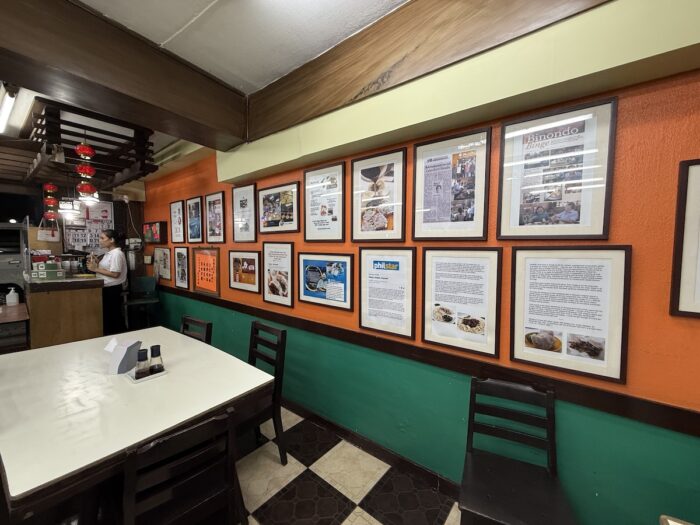
Masuki is one of Binondo’s culinary institutions, a restaurant that has served generations of Filipino and Chinese-Filipino families for decades. Established in the 1930s, Masuki has become one of the oldest surviving noodle houses in Manila, quietly enduring wars, economic shifts, modernization, and the changing tastes of countless diners.
Its name, interestingly enough, is said to come from the founders’ names—Ma, Su, and Ki—a combination that feels almost poetic for a restaurant that has become part of so many family traditions.
Walking into Masuki feels like stepping into another era. While many restaurants constantly reinvent themselves to stay relevant, Masuki seems to understand something deeper: some things become timeless precisely because they refuse to change.
Its walls may have aged. The furniture may carry the marks of decades of service. The menu may not scream for attention. But therein lies its magic. Masuki doesn’t need to impress you. It simply needs to serve you.
And somehow, that is more than enough.
Finding Masuki in the Heart of Binondo
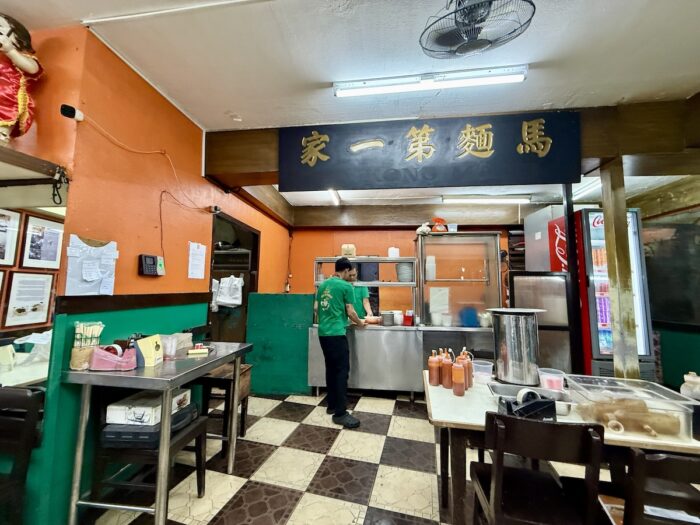
Masuki sits along Benavidez Street, arguably one of the most iconic food streets in Binondo. Benavidez itself is a sensory adventure—crowded sidewalks, colorful Chinese lanterns, the scent of incense drifting from nearby establishments, and the constant rhythm of conversations in Filipino, English, Hokkien, and Mandarin blending into one vibrant soundtrack.
Finding Masuki is easy, but you could miss it if you’re distracted by the dozens of tempting nearby eateries. The restaurant doesn’t rely on flashy exteriors or oversized signage. Instead, it carries the quiet confidence of a place that knows people will find their way back.
And I always do.
Sometimes I arrive early in the morning, when Binondo is just waking up, and shopkeepers are lifting their steel shutters. Other times, I arrive in the afternoon, after a long day of exploring Escolta, visiting Chinatown museums, or photographing old architecture. No matter the time, seeing Masuki’s familiar façade always gives me a strange sense of comfort.
Interesting Things That Make Masuki Special
What fascinates me most about Masuki is how it preserves traditions that many modern restaurants have abandoned.
One of its most distinctive practices is its famously old-school way of serving tea. Instead of trendy drinks or elaborate presentations, you’re often welcomed with a simple pot of hot Chinese tea—warm, aromatic, and grounding. Before I even glance at the menu, I pour myself a cup. It feels less like ordering food and more like participating in a ritual that countless diners before me have shared.
Another interesting detail is how many families in Manila treat Masuki as a multi-generational meeting place. I’ve sat beside elderly couples who have probably been dining there for fifty years, young professionals introducing their friends to Binondo food culture, and entire families with children eagerly slurping noodles.
Masuki isn’t just feeding people. It’s quietly connecting generations.
And perhaps the most impressive fact of all is that, despite being surrounded by an ever-changing food scene, Masuki has remained relevant without chasing trends. It has survived by doing one thing exceptionally well: serving honest, comforting food.
The Menu That Keeps Calling Me Back
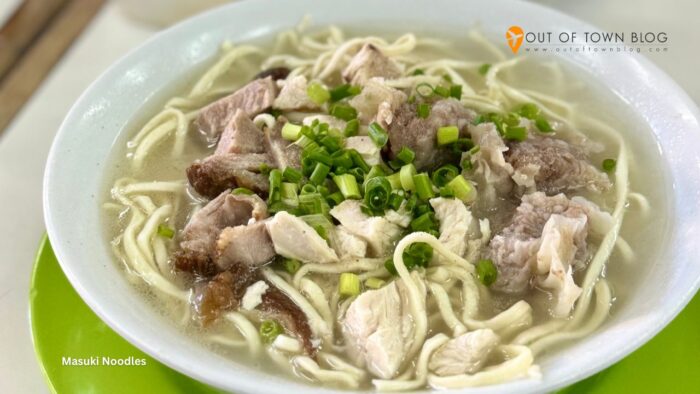
The first time I ate at Masuki, I ordered what most regulars recommended: Mami with Asado and Wanton.
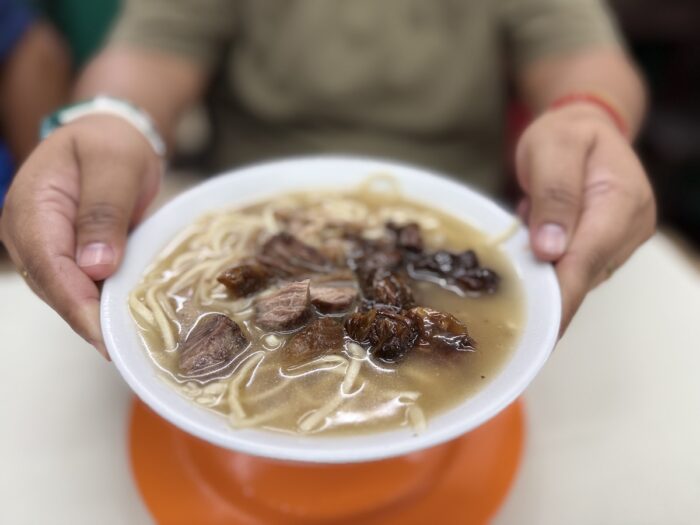
That first spoonful changed everything. The broth was deceptively simple—clear and light, yet deeply flavorful. It wasn’t trying to overwhelm me with spices or richness. Instead, it carried a clean, comforting depth that made every sip feel restorative.
Then came the noodles—perfectly cooked, springy, and satisfying. Not too soft, not too firm. The kind of noodles that somehow feel handmade even when you know they’ve been prepared the same way for decades.
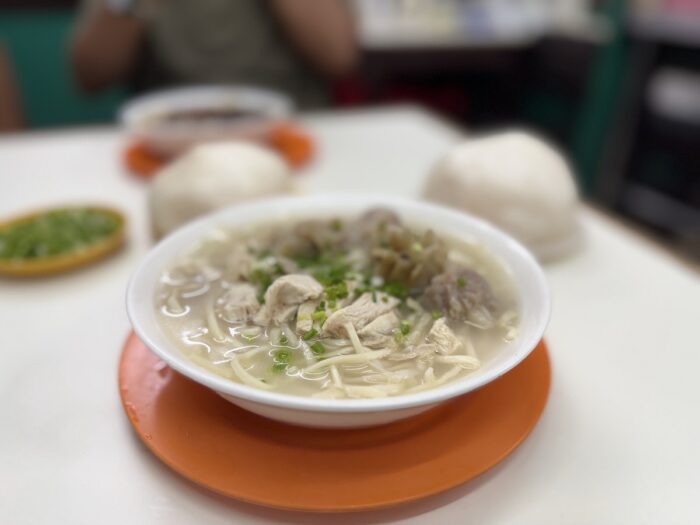
And then there was the asado. Tender, sweet, savory, and deeply aromatic, Masuki’s asado is something I still think about days after every visit. Each slice carries just enough sweetness to balance the savory broth, creating a harmony that feels almost impossible to replicate.
Of course, no bowl is complete without their wanton—delicate dumplings wrapped in silky skins, floating like little treasures in the soup.
Over time, I explored more of the menu.
Their Beef Mami became one of my rainy-day favorites, rich and comforting in a way that makes you slow down and appreciate every bite.
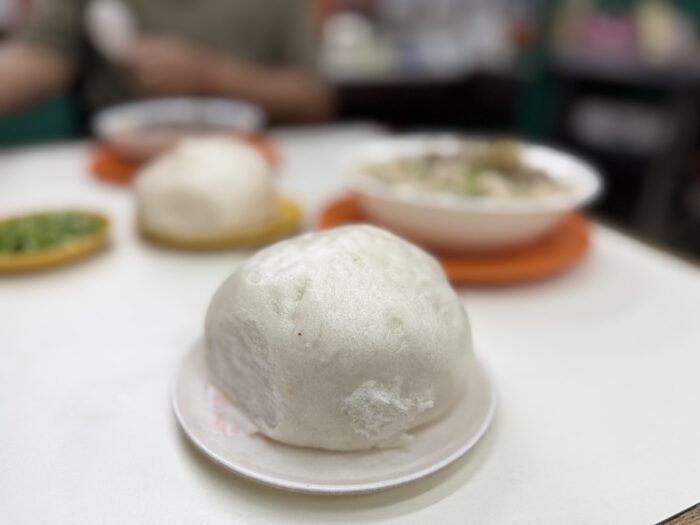
Their Siopao Asado surprised me with its soft, fluffy bun and flavorful filling. And then there’s their famous Kiampong, a savory rice dish that carries a deeply satisfying, almost home-cooked warmth.
But no matter what else I order, I always return to that classic bowl of mami. It feels almost wrong not to.
Why I Keep Coming Back
I’ve asked myself this question many times. Why Masuki?
Why, after trying so many restaurants in Binondo—some more modern, some more hyped, some with longer lines—do I always find myself back at the same table, holding the same porcelain spoon, sipping the same broth?
The answer isn’t just the food. It’s the feeling.
Masuki reminds me that travel isn’t always about discovering something new. Sometimes, it’s about returning to places that remind you who you are.
Every visit feels familiar, yet never repetitive. The streets outside may change. New businesses may appear. Old landmarks may disappear. But inside Masuki, time moves differently.
The tea is still hot.
The broth is still comforting.
The asado still tastes like tradition.
And for a traveler like me—someone constantly chasing new destinations, new cultures, new experiences—there’s something profoundly beautiful about having one place that always feels the same. One place that always feels like coming home.
A Bowl Worth Returning To
In a district overflowing with culinary legends, Masuki remains one of Binondo’s quiet masterpieces—not because it demands attention, but because it earns loyalty.
And every time I leave, stepping back into Binondo’s lively streets with the lingering warmth of broth still in my chest, I already know one thing for certain:
No matter how far my travels take me… I’ll always find my way back to Masuki.
Want more updates about our recommended list of Best Binondo Restaurants? Please follow #TeamOutofTown on Facebook, Twitter, Instagram, and Pinterest for more travel ideas.
Read:

Stacie Harris is a local resident and reporter of the Maple Grove area. Stacie reports on medicine and science for the Maple Grove Report.