Follow ZDNET: Add us as a preferred source on Google.
ZDNET’s key takeaways
- Amazon is ending support for Kindle e-readers and Fire tablets from before 2013.
- These devices won’t be able to access the Kindle Store starting on May 20, 2026.
- While you’ll still access books already on the device, you won’t be able to borrow, buy, or download new ones.
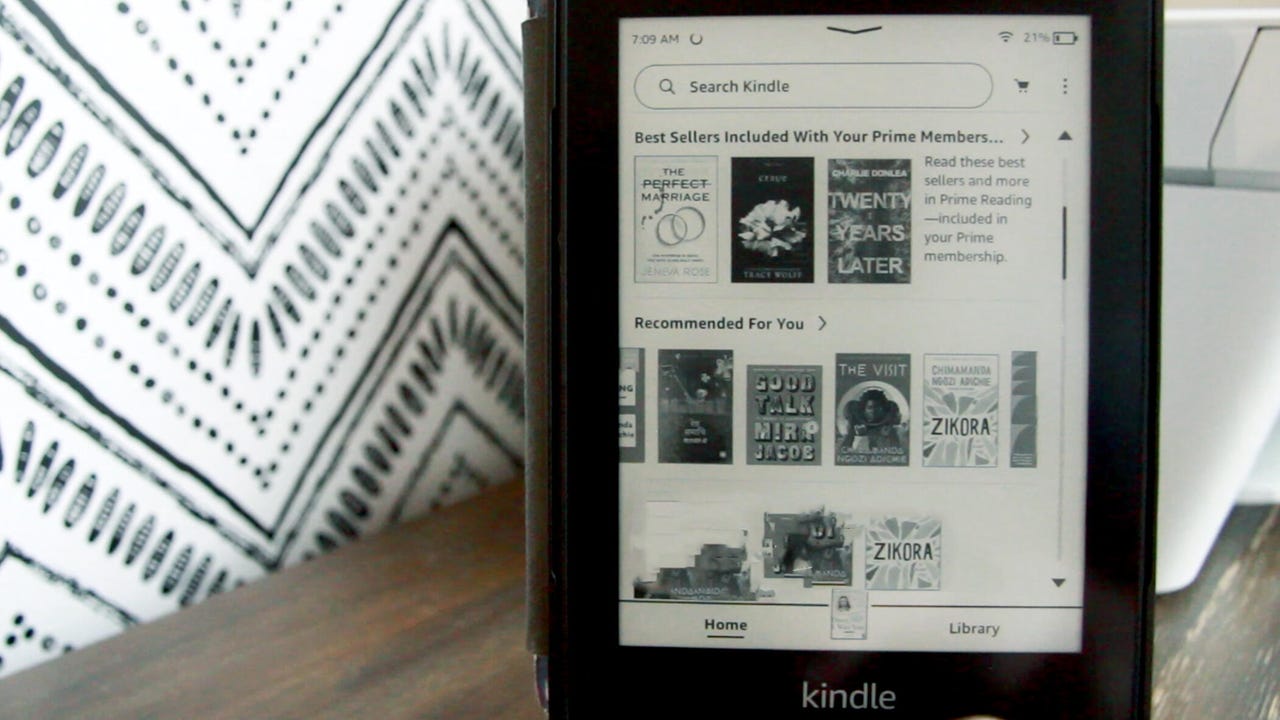
Amazon is officially ending support for all Kindle devices released before 2013 next month. Kindle e-readers and Kindle Fire tablets from 2012 or before will no longer have access to the Kindle Store to buy, borrow, or download new books or content.
Amazon shared a statement with ZDNET confirming that support for older devices will end on May 20, 2026, citing technological changes.
“These models have been supported for at least 14 years — some as long as 18 years — but technology has come a long way in that time, and these devices will no longer be supported moving forward. We are notifying those still actively using them and offering promotions to help with the transition to newer devices.”
Also: How to transform your old, obsolete Kindle into the ultimate open-source reader
Compared to most tech, Kindle users enjoy a more generous period before their devices stop receiving support. While most tablets and smartphones receive 3-7 years of software updates, Kindles often see 8-15 years before major cutoffs. Kindles also have a loyal user base, with many people enjoying a single device for around a decade.
The key difference between a Kindle and other tablets is that the former is a single-purpose device. Its nature doesn’t require a fast processor or high-end display — a Kindle from a decade ago can still display books perfectly fine today. Compared to tablets, which have to adapt to more demanding apps and evolving camera, AI, and operating system features, Kindles don’t depend on cutting-edge hardware.
Which models are losing support?
Kindle e-readers
Here are the Kindle devices that will no longer receive software support:
- Kindle Paperwhite 1st Generation (2012)
- Kindle 5 (2012)
- Kindle Touch (2011)
- Kindle 4 (2011)
- Kindle Keyboard (2010)
- Kindle DX and DX Graphite(2009 and 2010)
- Kindle 1st Generation (2007)
Kindle Fire tablets
Amazon is also ending support for Kindle Fire Tablets released before 2013:
- Kindle Fire HD 8.9 (2012)
- Kindle Fire HD 7 (2012)
- Kindle Fire 2nd Gen (2012)
- Kindle Fire 1st Gen (2011)
Also: E-books are more expensive now, too – 5 ways I find good free Kindle reads in 2026
What to know if you own an older Kindle
If you have one of these older Kindle devices, you’ll still have access to your account and Kindle Library on it, so you’ll still be able to read books already on the device. You can also manually add new content by sending it directly to your Kindle via this USB transfer method. Access to your Library on the Kindle app on other devices and on Kindle for Web will also remain.
Also: I’ve been a Kindle user for over a decade – here’s why the Paperwhite is still my top choice
However, if you factory reset or deregister your device, you won’t be able to set it up again or use it as you had.
Promotion for existing users
Amazon will email users of older Kindles to inform them that support for their devices is ending. The company will also give affected users 20% off on select new Kindle devices and a $20 ebook credit that will be automatically added to their accounts after buying a new Kindle. Some users have already reported receiving the promotion, so you can expect an update soon if you haven’t yet.