
Amtrak Reveals Top 4 Beach Destinations To Visit By Train This Summer


Share The Article

Have you ever heard the words “all aboard!” and not felt a surge of excitement pouring through your veins?

Fat chance.

With airfare reportedly going through the roof, there’s no better summer in recent years to ditch the runway and travel the old-fashioned way, chugging along gorgeous seaside tracks toward a destination that makes the scenic journey feel like half the trip.
Train tracks along coastline of San Clemente, CA

The difference here is that you won’t just be glued to the window seat for the ride. This isn’t a sightseeing loop — you’re actually going somewhere worth vacationing.

Amtrak, the most notable name for U.S. trains since we’re slacking behind Asia and Europe, just revealed some true bangers.

These 4 postcard beach destinations are a mix of hidden gems and renowned icons, but all guarantee a fun-filled summer getaway full of sun and sand.

Unfortunately, that means sandy crevices for the ride back…

4) Portland, Maine 🦞

Portland Maine lighthouse

There are tons of reasons to visit Maine, which seems like the East’s last frontier for tourism, until you realize how many locals from neighboring states flock here.

In fact, many Canadians have sworn off crossing into Maine, largely driven by political divide, leaving much of Maine craving a tourism boom, including Orchard Beach, one of the state’s most gorgeous beach towns.

Amtrak touts the Downeaster from Boston as one of America’s top coastal adventures, swapping clam chowdah for lobstah rolls.

I’m just going to keep typing through the sound of crickets…
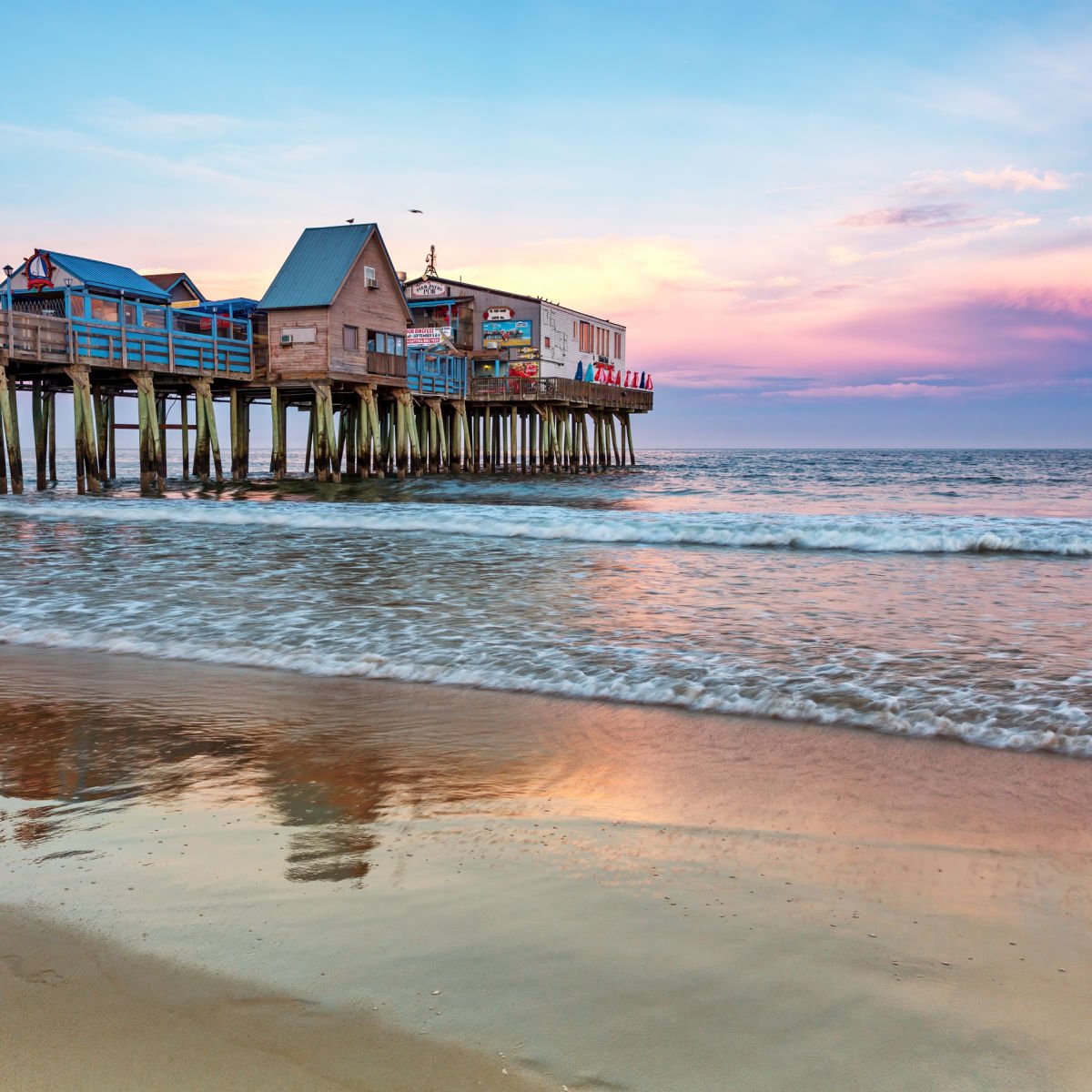
Old Orchard beach, Portland, Maine

The notoriously walkable city of Portland will be your base to explore maritime history, devour various seafood concoctions, and enjoy ample beach days on cozy coves and even famed Acadia National Park a short drive away.

Better yet, Portland is largely considered a safe destination. It currently holds an impressive 85/100 score on our Safety Index:

Make sure you double check travel alerts and tourist fees before your trip too.

3) Charleston, South Carolina 🦪

Charleston is undoubtedly more popular for its steep history and southern roots than its scenic coastline; however, a trip here without savoring a day full of sun and sand, at the very least, admiring one of the city’s renowned restaurant menus and skipping the main course.

Churches-in-Charleston-SC

No, we’re not talking about Waffle House, but also don’t tempt me with a good time…

Amtrak is hyping up its ‘Palmetto‘ route as a grand journey to reach one of the South’s coolest cities that just so happens to have really pretty beaches, such as nearby Sullivan’s Island, Isle of Palms and Folly Beach.

When you envision the South, Charleston is it — front porch sweet tea sippin’, fried everything, and horse-drawn carriages clip-clopping past centuries-old homes.

It’s safe too. Its current Safety Index score is even higher than Portland at 89/100:

2) Miami, Florida 🪩

It’s hard to go to Miami and not have a good time. While South Beach isn’t my flavor, many other pockets of the city are.

View of Miami skyline from Biscayne Bay

When I visited Miami, I hopped aboard the Brightline train, but with weekly rumors of bankruptcy concerns, you may want to familiarize yourself with Amtrak anyway, a mainstay in rail travel.

In this case, Amtrak holds some strong bragging rights for its East Coast-wide Silver Service route, making for one of the best options to reach the “Magic City”.

Whether you plan to culture-hop across neighborhoods like Little Havana, find a sleepy beach in Key Biscayne, or live up in a city arguably more known for nightlife than its sprawling shoreline, Amtrak believes they’re the most memorable option for an epic vacation.

View of South Beach, Miami

The one downside is safety, currently turning back the clock to its Miami Vice era with a current low Safety Index score of just 63/100:

1) San Clemente, California 🌊

Did you know there’s a little town sandwiched between San Diego and LA that’s dressed to the nines like a quintessential Spanish village?

It’s true — welcome to San Clemente.

This Orange County paradise is equal parts surfer haven, foodie heaven, and beach lover’s picture-perfect beach getaway with boutique hotels lining the gleaming Pacific coast.

Drone view of San Clemente, CA coastline and townscape

Personally, it’s one of my favorite day trips from San Diego, which is why Amtrak is lauding its Pacific Surfliner line, carrying passengers from one quaint coastal town to another.

Whether you shred some waves, devour some fish tacos, or want to blend in like a local where there’s never a dress code, San Clemente is one of the most laid-back vacations you’ll ever have, and you can arrive in style aboard Amtrak’s top summer ride.


Source link

Leave a Reply

Subscribe to Our Newsletter

Get our latest articles delivered straight to your inbox. No spam, we promise.

Recent Reviews


You’ve built your small business from the ground up. It’s your pride and joy, your financial security, and a potential legacy for your family. But what happens to your business interests after you’re gone? Without proper estate planning, your small business could face a chaotic future, disrupting operations, hurting employees, and jeopardizing your loved ones’ inheritance.

Business estate planning is your secret weapon. It’s not just for the ultra-wealthy with complex trusts and wills. For small business owners, it’s a crucial tool to ensure business continuity and protect your business value. Here’s how you can craft a comprehensive estate plan:

Know Your Business Inside and Out

The first step in your estate planning process is taking a deep dive into your business affairs. Make a list of all your business assets: equipment, inventory, intellectual property, and real estate.

Furthermore, don’t forget your business debts like loans and outstanding payments. This comprehensive list helps you understand what needs protecting and planning for in your estate planning documents.

Chart Your Business’s Future Course

What do you envision for your business after you’re gone? Should it stay in the family? Be sold to a trusted partner? Wind down entirely? This is where business succession planning comes in. It’s about deciding the future of your business in a way that honors your legacy and sets your team up for success.

Here are some questions to consider:

  • Family Business? Do you have a family member who shares your passion and has the skills to lead?
  • Trusted Partner? Is there a key employee you see as the ideal successor?
  • Time for a Change? Are you open to selling the business to ensure a smooth transition?

There’s no right or wrong answer. The key is to have open conversations with your loved ones and key employees to understand their goals and aspirations. This will guide you in crafting a business succession plan that feels right for everyone involved.

Develop a Rock-Solid Business Succession Plan

This plan outlines who will take over your business and how. You might identify a family member, a key employee, or even an outside buyer. The business succession plan should detail the transfer process, including training and timeline.

Here’s how to craft a plan as strong as your business itself:

  • Identify Your Successor: It could be a family member you’ve been mentoring, a trusted key employee, or even an outside buyer.
  • Groom Your Successor: Start by involving them in key decisions to give them opportunities to learn the ropes.
  • Plan for the Unexpected: Have a backup plan in place. Identifying another potential leader or outline a buy-out option for remaining partners.

An experienced estate planning attorney like Keele & Parke can help you draft a legally sound plan that considers state law and tax implications.

Avoid Conflict with Ironclad Sell Agreements

If you have co-owners, a sell agreement is vital. This agreement dictates what happens to a deceased or incapacitated owner’s share of the business. It prevents conflict among remaining partners and ensures a smooth ownership transition in your overall estate plan.

Wills vs. Trusts: Choosing the Right Tool

A will can designate who inherits your business assets. But the problem is it can be a slow and public process through probate court.

Here’s where a revocable living trust comes in. Think of it as a private vault that holds your business assets during your lifetime. You can name yourself as trustee, so you’re still in control.

Another thing, you can designate a successor trustee to seamlessly take over managing the business if you become disabled or pass away. This avoids probate and keeps things running smoothly for your loved ones and your employees.

Wills are still important for your overall estate plan, especially for personal assets outside the trust. But for your business, a revocable living trust offers flexibility, privacy, and peace of mind.

Minimize Estate Taxes Through Strategic Planning

Nobody wants a big chunk of their hard-earned business value going to the government after they’re gone. That’s where estate taxes come in, and they can be a real burden for your family. But don’t worry, there are smart estate planning strategies you can use to minimize the impact of these taxes.

  • Smart Business Structure: The legal entity you choose for your business can impact your estate taxes. Talk to your estate planning attorney about structuring your business as a limited liability company (LLC) or another entity that might offer tax advantages.
  • Explore Powerful Trusts: There are special types of trusts, like grantor retained annuity trusts (GRATs), that can be used to transfer ownership of your business interests to your heirs while minimizing the taxable value of those assets.

The right strategy for you will depend on your specific situation and goals. That’s why it’s crucial to work with an experienced estate planning attorney and financial advisor. They can help you create a personalized plan that minimizes your estate taxes and protects your legacy.

Don’t Neglect Your Personal Estate Plan

Your business is just one piece of the puzzle. You also need a personal estate plan that includes a will, power of attorney, and healthcare directives. Without it, your loved ones could face a legal mess during tough times. Bills might go unpaid, important decisions could be delayed, and family heirlooms could end up in the wrong hands.

An estate plan ensures your wishes are followed. It names guardians for your minor children, designates beneficiaries for your personal assets (like your home and savings), and appoints someone you trust to make healthcare decisions if you’re unable to. This gives your family peace of mind knowing they’re taken care of, even in your absence.

Life Insurance: A Lifeline for Your Loved Ones

A life insurance policy provides your beneficiaries with a lump sum of cash upon your death. This can be crucial for surviving family members or business partners, especially if they need to buy out another owner’s share through a sell agreement or pay estate taxes.

Regularly Review and Update Your Plan

Life circumstances change, and so should your estate plan. Regularly review your plan, especially after major life events like marriage, children, or changes in your business structure.

Seek Professional Guidance for a Comprehensive Plan

Business estate planning involves complex legal and financial considerations. Don’t try to go it alone. Consult with an experienced estate planning attorney specializing in business succession planning and a financial advisor with experience in small business matters. Their expertise can ensure your estate plan is comprehensive, legally sound, and achieves your goals for business continuity and protecting your loved ones.

Final Thoughts

Safeguarding your business is like protecting your family’s future. Take control. Schedule a consultation with an experienced estate planning attorney today. They’ll guide you through the process and ensure your legacy lives on.


Source link