Before Modern Gear Shifters, Automakers In The ’50s Used A Method Ahead Of Its Time


If you drive a car made in the past decade or so, it could use any of a large number of gear changing mechanisms currently in use across the auto world. There are knobs, stalks on the steering column, pushbuttons, and old-fashioned gear selector stick. There’s even stick shift, if you’re lucky enough to be driving one of the most powerful manual cars still available in 2026.

Before all the options we have today, the more archaic systems of changing gear from the advent of motoring basically boiled down to gear selector levers for automatics or a stick-shift. 

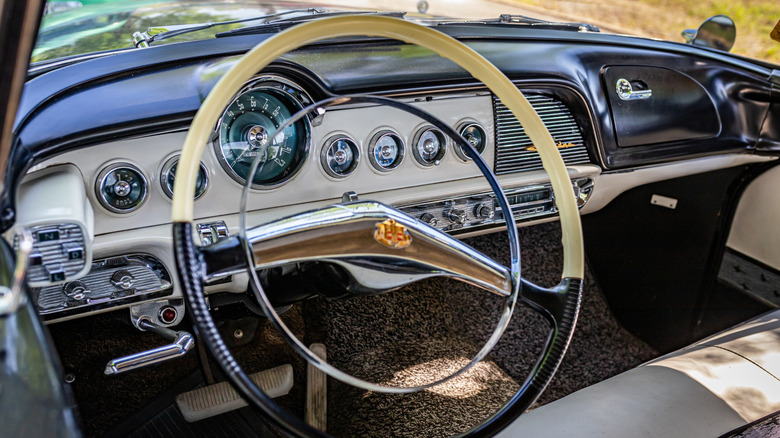
However, for a brief time in the 1950s to the early 1960s, a few notable brands like Chrysler and Packard (along with brands notable as failures like Edsel) featured state-of-the-art pushbutton shifters. These pushbutton systems went by all manner of marketing names, like “Teletouch” for Edsel in 1958.

In theory and practice, it worked the same way as the transmission in your new Honda. Push “N” to go into neutral or “D” to drive, and so on.

A love-hate relationship
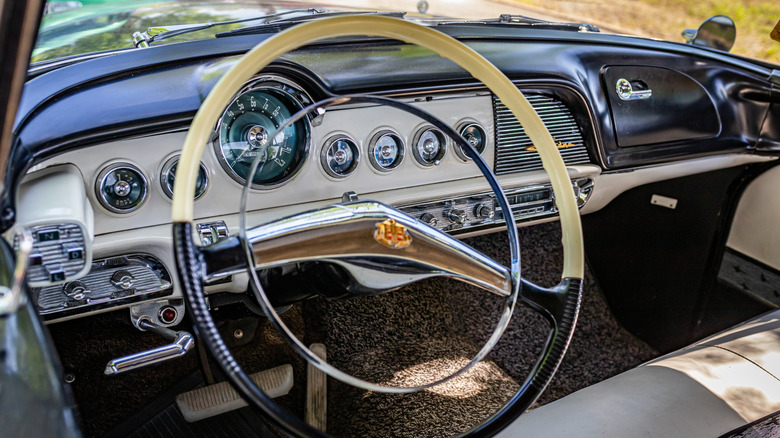
In the case of Chrysler products, pushbutton transmission first showed up in 1956, with cars like the Dodge Royal Lancer (not to be confused with the Dodge Shelby Lancer), before being discontinued entirely across the entire Chrysler catalog by 1965. Stellantis, in a retrospective of Dodge historical vehicles leaves the exact reason a little ambiguous, citing a “love-hate” relationship with customers. Reading the unvarnished truth of enthusiast forums for cars from the era will tell you that the transmissions were a problem area when it came to maintenance and care. 

While the actual reason automakers went back to a gear selector lever likely boils down to customer preference and familiarity, the blame has also been placed on government regulations regarding how the gears are displayed in a car, should that car be used for governmental purposes. 

Either way, pushbutton transmissions had a moment in the spotlight, between 50 and 60 years before automotive transmission technology caught up with the promise of such designs. 


Source link

Leave a Reply

Subscribe to Our Newsletter

Get our latest articles delivered straight to your inbox. No spam, we promise.

Recent Reviews


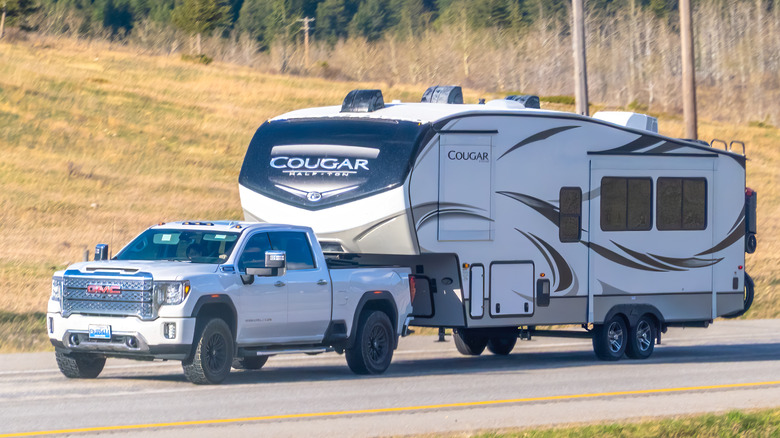
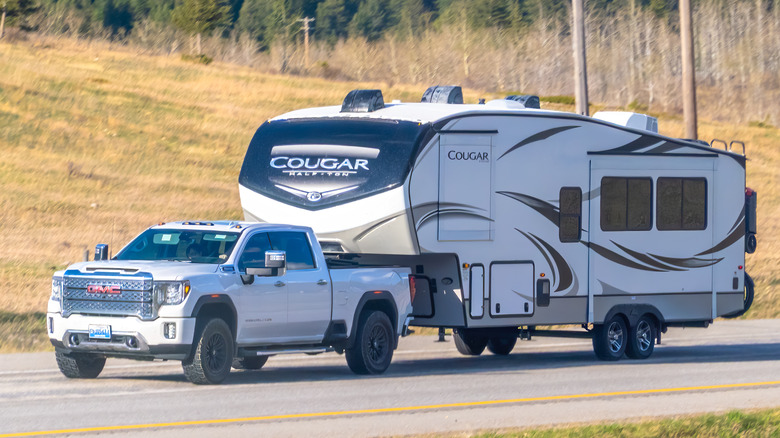
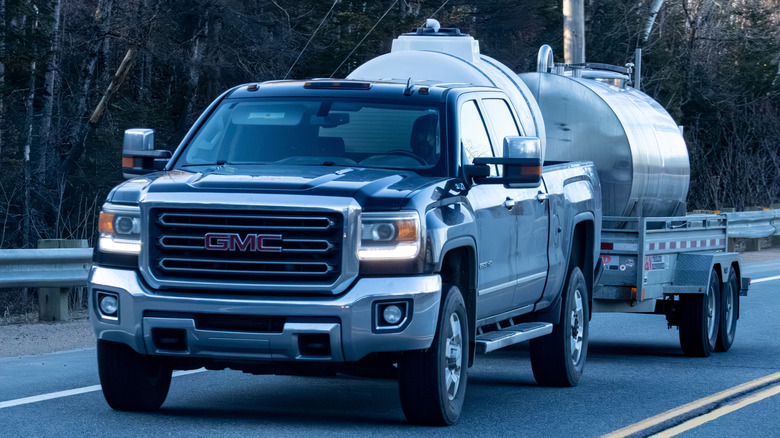
Towing can be a very stressful activity for your truck. If you think of its engine as the beating heart of your truck, then the oil flowing through it is its blood supply. Changing your truck’s oil at the proper intervals keeps it fresh and performing at its peak, which is particularly important if you regularly tow heavy loads. If you tow often and have ever wondered whether it changes how often you need to change your oil, you’re in the right place.

The stress of towing comes in many forms. Towing creates higher friction and generates more heat in your engine. These conditions will cause your oil to wear out much faster, so you should change it more often. A good rule of thumb is to change your oil twice as often as you would if you were not towing, and more frequently if you tow regularly or notice any warning signs. 

These warnings can include reduced fuel efficiency compared to what you normally experience while towing, increased vibration, smoke from your exhaust, strange smells, a noisier engine than usual, or the oil warning light coming on. Consider any of these signs as red flags — pull over and check your oil immediately before it gets any worse. If you’re feeling handy and you’d like to save some cash, it’s also pretty easy to change the oil yourself.

Other factors to bear in mind

You should be aware that towing is generally considered a “severe driving condition,” to quote the Ford F-150 manual. If you use your truck for towing, consult your owner’s manual to see if your manufacturer specifies specific service intervals for these more intense use cases. Newer trucks may also feature oil-life monitoring systems that take the added wear and tear of towing into account and can alert you when the oil needs to be changed.

Other considerations that should be part of your truck’s oil change schedule include the type of oil you use. Synthetic oil is generally preferable for engines that tow regularly, but you should always consult your owner’s manual and use what it recommends for towing or other severe uses. You should also consider the oil weight if you endure harsh winters or if your truck must operate in extreme conditions. Finally, check your oil level regularly to ensure you don’t end up towing with an engine that’s low on oil. Overall, more frequent oil changes in a truck you use for towing will pay off in many ways. It will help keep your truck’s engine in better shape, with fewer issues and less downtime. 


Source link