
Research methods have evolved in the 21st century, with more information than ever available online. Back in the 2000s, a weekend warrior looking to fix a problem with their car might seek out advice from forums, hoping a fellow do-it-yourselfer might have run into the same situation. With the rise of platforms like YouTube, you can find a wealth of content from the best independent YouTube channels for car repairs.
With strides made in AI technology in the last few years, some are wondering if it could troubleshoot mechanical problems with their vehicles too. YouTube channel Royalty Auto Service put this to the test, and while ChatGPT provided guidance through its exceedingly chipper AI voice, there were issues.
It begins with a 2016 Honda Civic that won’t start. When engaging the ignition, there is a buzzing sound from under the hood. AI’s recommendation was checking a starter relay in an integrated circuit board, which is challenging to reach. Instead, the mechanic wisely verified the conductivity of the ignition switch before undertaking more complex steps suggested by AI. Ultimately, ChatGPT determined a new ignition switch was required, but it skipped a step during diagnoses. It didn’t suggest verifying voltage on the input wire going into the switch. If the input wire is the culprit, it could be due to something like a faulty fuse. Replacing the switch in that case would’ve been wasted time and money. Of course, there is a difference between a mechanic consulting AI and the average driver.
The quality and accuracy of AI answers require the right questions be asked
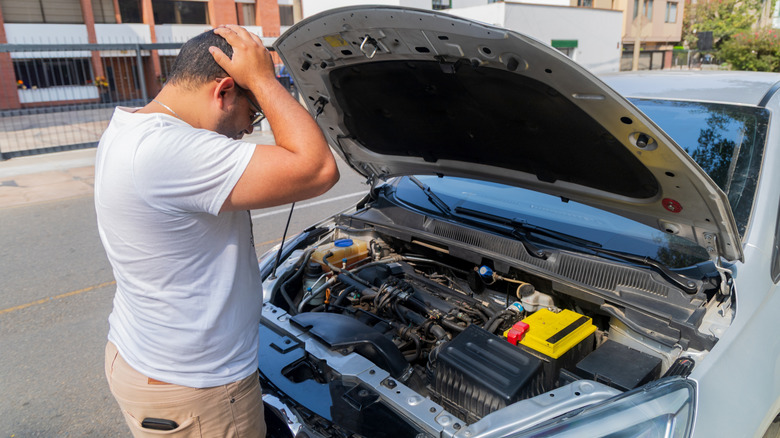
What tools like ChatGPT provide in terms of data, heavily depends on the right questions being asked. Knowing and using the proper part names, having a deeper understanding of how the different components work and function is vital. Your typical car owner may lack the expertise to make much use of AI beyond a general sense, which can derail troubleshooting.
A recent story about a couple who changed out their Chevy Tahoe visor and then couldn’t start their vehicle is a good example. They went down the road of AI advice, posting their struggle on social media. Per ChatGPT’s guidance, they disconnected the battery (which isn’t an effective step in today’s models) instead of properly troubleshooting the electrical system as a mechanic would.
In terms of automotive troubleshooting, context and specifics are everything. While some may be worried about how close we are to AI superintelligence, currently, AI is much better at providing general assistance. It isn’t as helpful when diving deeper into model-specific territory. Once you get into wiring diagrams or other more complex systems, AI might not provide much support.
Ultimately, ChatGPT can’t physically lean over the engine and take a look at what you’re doing. While you needn’t avoid AI when working on your car, you might still consider advice from automotive enthusiast forums and YouTube. As always, when in doubt, consult a professional.

Stephan is the sports journalist for the Maple Grove Report.