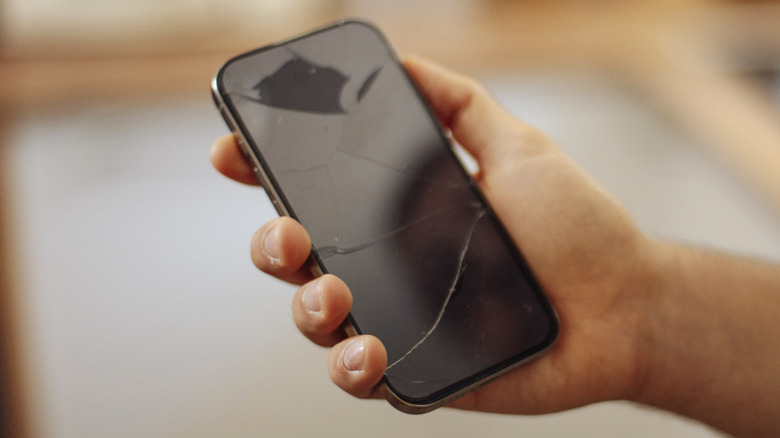
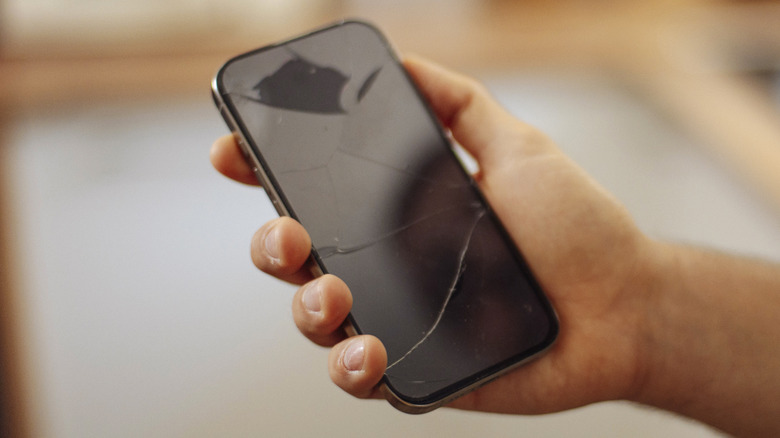
Can You Fix Your Cracked Phone Screen Yourself? Yes, But There Are Risks


Fixing a cracked phone screen yourself may not seem too hard, especially when you watch those DIY YouTube or TikTok videos where so-called amateurs mount a camera on their desk tripod and make everything look super easy. However, almost every mainstream smartphone is extremely difficult to repair.

In theory, you can fix your cracked phone screen at home by getting an all-in-one repair kit that comes with a comprehensive instruction manual. But there are risks at every step that could either damage your phone further or make it entirely useless.

Generally speaking, to fix the cracked screen, you would first have to open your smartphone’s back or front panel, then carefully detach the current screen, being careful of adhesives and ribbon cables along the way, attach the new screen, and seal the phone properly. If all goes well, it’s as good as new. But it’s just as easy to make things even worse.

One small mistake can turn a cracked screen into a dead phone
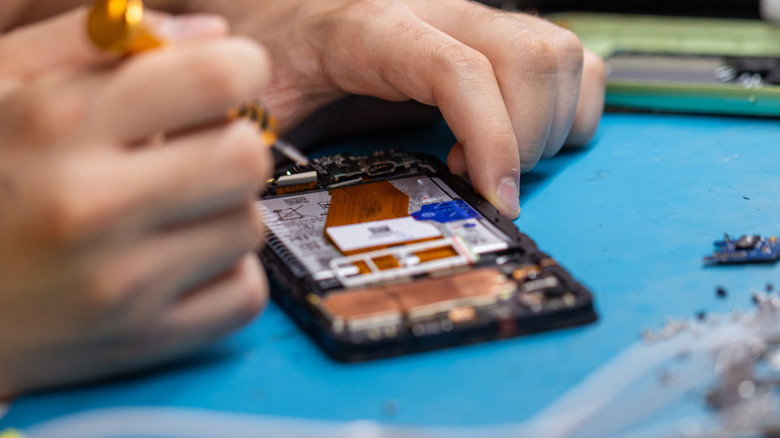
Some of the potential pitfalls to avoid include broken glass (obviously), ribbon cables, and avoiding damage to other components inside the phone. Throughout the process, steady hands and patience are the key. Any sudden or non-calculated hand movements might press the tweezers or the screwdriver against the motherboard or, even worse, the battery.

The cable ribbons or connectors inside our phones are very delicate as well. Pulling or pressing them too hard could break them. While reattaching the new screen, you have to make sure that everything (the connectors, screws, and other exposed components) is in its place before you glue the back panel or the display. You’d also have to ensure that there aren’t any dust particles around — and certainly not under the new screen that you just installed — or else they could show up as visible spots or bumps on the screen.

Even if you somehow succeed at replacing the cracked screen, you may end up losing water resistance (or the IP rating). Furthermore, opening up your smartphone at home may void the manufacturer’s warranty. If any of this has given you pause, you may want to explore other repair options


Source link

Leave a Reply

Subscribe to Our Newsletter

Get our latest articles delivered straight to your inbox. No spam, we promise.

Recent Reviews


A new class-action lawsuit, filed on Monday by three teenage girls and their guardians, alleges that Elon Musk’s xAI created and distributed child sexual abuse material featuring their faces and likenesses with its Grok AI tech.

“Their lives have been shattered by the devastating loss of privacy, dignity, and personal safety that the production and dissemination of this CSAM have caused,” the filing says. “xAI’s financial gain through the increased use of its image- and video-making product came at their expense and well-being.”

From December to early January, Grok allowed many AI and X social media users to create AI-generated nonconsensual intimate images, sometimes known as deepfake porn. Reports estimate that Grok users made 4.4 million “undressed” or “nudified” images, 41% of the total number of images created, over a period of nine days. 

X, xAI and its safety and child safety divisions did not immediately respond to a request for comment.

The wave of “undressed” images stirred outrage around the world. The European Commission quickly launched an investigation, while Malaysia and Indonesia banned X within their borders. Some US government representatives called on Apple and Google to remove the app from their app stores for violating their policies, but no federal investigation into X or xAI has been opened. A similar, separate class-action lawsuit was filed (PDF) by a South Carolina woman in late January.

The dehumanizing trend highlighted just how capable modern AI image tools are at creating content that seems realistic. The new complaint compares Grok’s self-proclaimed “spicy AI” generation to the “dark arts” with its ease of subjecting children to “any pose, however sick, however fetishized, however unlawful.”

“To the viewer, the resulting video appears entirely real. For the child, her identifying features will now forever be attached to a video depicting her own child sexual abuse,” the complaint reads.

AI Atlas

The complaint says xAI is at fault because it did not employ industry-standard guardrails that would prevent abusers from making this content. It says xAI licensed use of its tech to third-party companies abroad, which sold subscriptions that led abusers to make child sexual abuse images featuring the faces and likenesses of the victims. The requests ran through xAI’s servers, which makes the company liable, the complaint argues.

The lawsuit was filed by three Jane Does, pseudonyms given to the teens to protect their identities. Jane Doe 1 was first alerted to the fact that abusive, AI-generated sexual material of her was circulating on the web by an anonymous Instagram message in early December. The filing says she was told about a Discord server by the anonymous Instagram user, where the material was shared. That led Jane Doe 1 and her family, and eventually law enforcement, to find and arrest one perpetrator.

Ongoing investigations led the families of Jane Does 2 and 3 to learn their children’s images had been transformed with xAI tech into abusive material.


Source link