
To earn a spot as one of Consumer Reports’ thoroughly tested top picks, cars not only have to drive well but also be reliable. Some models prove to be consistently durable and stay at the top of the outlet’s rankings year after year, but some slip down the table as owners begin to report issues. For 2026, Consumer Reports stopped recommending 18 models from 12 different manufacturers, primarily due to reliability concerns.
These models included a mix of EVs such as the Audi Q4 e-tron, which saw owners report a variety of issues with its onboard electrical systems, and gas-powered cars like the Chevrolet Equinox, which suffered transmission issues. The Chevy wasn’t the only car that lost its recommended status due to transmission issues, either, with the Chrysler Pacifica, GMC Terrain, and Ford Explorer all seeing similar problems reported.
Genesis told Consumer Reports that issues with the GV60 and GV80, both of which lost recommended status for 2026, had been fixed. However, owners of some other non-recommended vehicles are still waiting for remedial work to be carried out. Owners of the Chevrolet Traverse, as well as the related GMC Acadia and Buick Enclave, are affected by an all-wheel drive issue that GM currently doesn’t have a permanent fix for. In a bulletin, the company said its engineering department is reportedly working on solving it, but advised dealers to simply clear the fault code and hand cars back to customers for now.
Data suggests cars are getting more unreliable overall
The latest Consumer Reports data highlights several specific car models that have seen a rise in reported problems over the last year, but data suggests that decreasing reliability is a much wider problem. In its latest Vehicle Dependability Study, J.D. Power says that it received the highest level of reports from owners about reliability problems since its survey was launched in its current format.
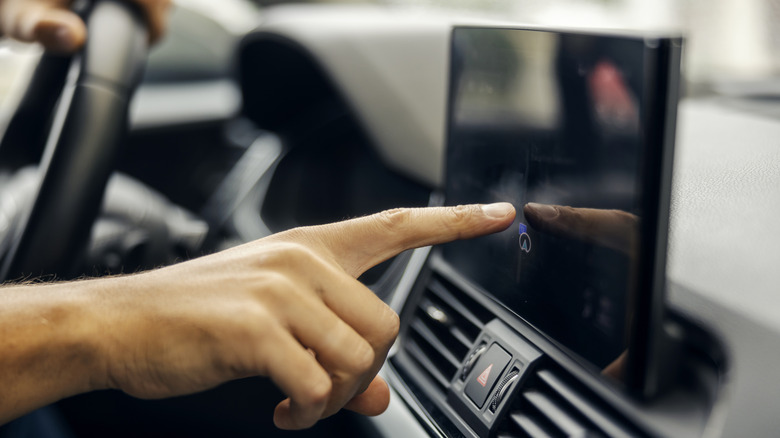
On average, the 2026 study found that owners reported 204 problems per 100 vehicles after their cars had been on the road for three years. The majority of those problems were classified as infotainment problems, which can include issues with smartphone connectivity, wireless charging pads, and bugs and glitches with the car’s integrated apps. Tellingly, almost all of the cars that lost their recommended status from Consumer Reports suffered from issues with their in-car electrical systems or electrical accessories to some degree.
At the other end of the reliability spectrum, Consumer Reports’ most reliable manufacturers list was dominated by Japanese brands. Toyota, Subaru, Lexus, and Honda all scored highly, with one of those brands dethroning the previous year’s winner as the least-complained about on the market.

Stephan is the sports journalist for the Maple Grove Report.