Crunchyroll Responds to Claims of Data Breach


Anime streaming service Crunchyroll has responded to claims of a cyberattack after rumors began spreading on social media on Monday. Reports have raised concern that the popular platform was hacked, possibly exposing customer data.

According to a report from Cyber Security News, the infiltration allegedly occurred in mid-March via Telus, a company that provides digital operational support services to Crunchyroll and other large companies. The outlet reported that a bad actor claims to have infected the system with malware, potentially gaining access to billing information, email addresses and IP addresses. 

“Our investigation is ongoing, and we continue to work with leading cybersecurity experts,” a spokesperson for Crunchyroll said in a statement Tuesday. “At this time, we believe that the information is primarily limited to customer service ticket data following an incident with a third-party vendor.”

“We have not identified evidence of ongoing access to systems in relation to these claims. We are continuing to monitor the situation closely.”

Though a data breach hasn’t been confirmed, you can take steps to protect your information at a time when cyberattacks have become common. 

Start by resetting the passwords for your email accounts and enabling two-factor authentication or passkeys if your provider supports it. Update the password for your streaming subscription account, ideally choosing one that is unique to that platform only. Using the same password repeatedly can make you more vulnerable to unauthorized access.

Keep a regular eye on your accounts (banking, email, subscriptions, etc.) for any suspicious activity that may occur down the road.


Source link

Leave a Reply

Subscribe to Our Newsletter

Get our latest articles delivered straight to your inbox. No spam, we promise.

Recent Reviews


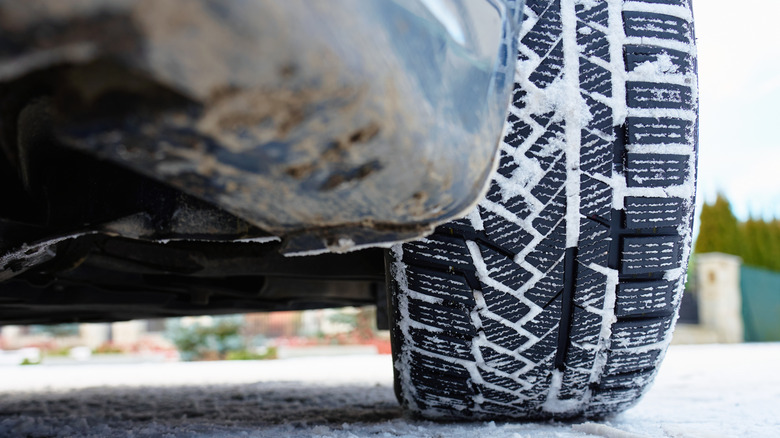
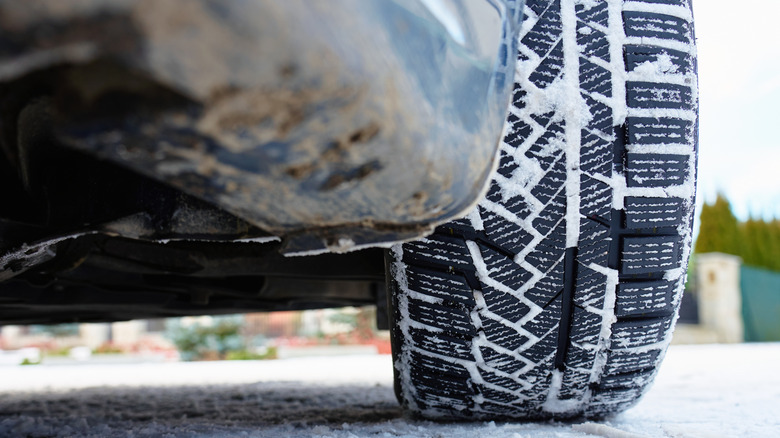
Staying safe in the winter months means being prepared for icy conditions, as winter weather sees a spike in vehicle pileups. It’s also about using the right kind of tires, which is where the 7-7 rule comes into play. This rule says that when the outside temperature drops below 7 degrees Celsius, or 45 degrees Fahrenheit, for 7 consecutive days, you should change your everyday tires to a winter model.

Extended cold snaps are a problem for regular seasonal tires because of how they’re designed. The rubber these tires contain becomes harder and less flexible in colder weather. When this happens, your tires’ ability to actually grip the road is reduced, which can become very dangerous in snow and ice. In contrast, winter tires are built with rubber that stays softer in cold temperatures, as well as deeper tread, which gives you better traction, and improved stopping ability. This means you have more control, which can ultimately keep you safer.

What makes winter tires ideal in cold temperatures can have the opposite effect in non-winter weather. This means that once the cold months have ended, you should switch back. If not, the tread on your winter tires will begin to wear down as the heat impacts the softer rubber. So, even with deep tread, your tires’ ability to properly grip the road can be impacted. If you’d rather not worry about the 7‑7 rule, you could use all-weather or all-terrain tires that work year-round instead.

Winter tire best practices

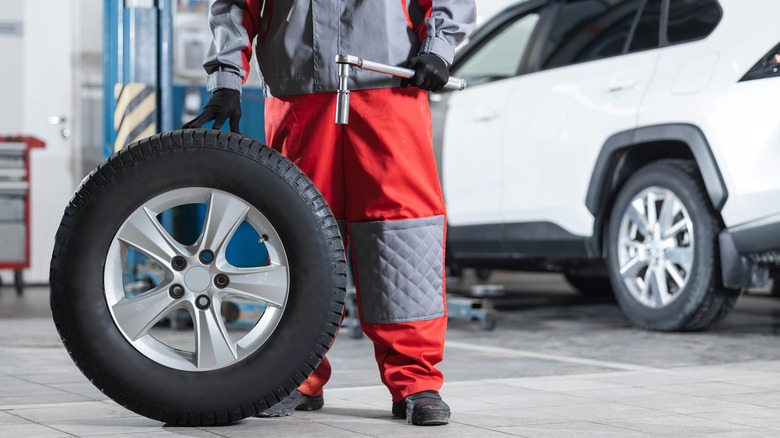
It’s important to safely store your everyday tires after they’ve been replaced by a winter set. If you’re storing them outside, Goodyear recommends protecting them in waterproof bags аnd kept off the ground. Otherwise, they should be indoors, in a cool and dry place, away from direct sunlight. If the tires are off the rim, they should be kept off the floor and stacked flat on top of each other. If the tires are on the rim, they can be stored the same way, or hung by the wheel on wall hooks.

When installing your snow tires, it’s best to use a full set. That’s because having only a pair of winter tires on the drive wheels could reduce your stability on the road. Additionally, if you’re using winter tires that don’t have the special mountain/snowflake symbol on the sidewall, you might want to consider getting new ones. The Three-Peak Mountain Snowflake symbol confirms that your tires meet industry standards for snow traction.

Even then, simply using the right tires isn’t enough, as you’ll need to check your air pressure regularly. Temperature drops can decrease tire pressure, causing you to lose your grip on the road. It can also cause uneven tread wear, which is why you should be monitoring tread depth regularly as well. Be sure to keep your tires properly rotated, and above all, be careful on the road. Winter tires can help keep you safe, but it’s up to you to drive cautiously.


Source link