Fuel for thought: how Kiwi businesses can claim back thousands on petrol


Fuel can be a significant business cost at the best of times but as of April 2026, petrol prices have jumped significantly across New Zealand. With experts noting a 20% increase in just weeks, pump prices have been pushed well over NZ$3.00 a litre.

For small businesses in sectors like farming, trades, and forestry, these rising costs can put a real squeeze on your margins. But, what many business owners don’t realise is that they may be paying a road tax – known as Fuel Excise Duty – for fuel that never touches a public road.

If your business uses petrol for off-road machinery or commercial vessels, you are entitled to get that money back. Reclaiming these costs can make a major difference to your cash flow, with initial back-claims potentially ranging between NZ$3,000 and NZ$20,000.

What is fuel excise duty?

Every litre of petrol includes a tax designed to maintain public roads. However, if you rely on petrol to run equipment off the road, you needn’t be stuck paying it.

You may be eligible to claim a refund of 76¢ per litre plus GST if you use petrol for purposes such as:

  • Agriculture and farming, including quad bikes, chainsaws, and pumps
  • Trades and landscaping, including mowers, concrete cutters, and generators
  • Marine operations, including commercial boating

Your accountants and bookkeepers may not typically handle these specialised excise duty claims, because it requires specific industry expertise, and it often becomes a hidden refund opportunity that businesses miss out on.

Simplify your refunds with PR Claims

PR Claims is a specialist help service in Aotearoa that focuses exclusively on maximising these specific Land Transport NZ refunds. Instead of adding extra administrative tasks to your day, they handle the paperwork and deal with the compliance side of your quarterly application.

Working with a specialist brings several advantages:

  • success-based model, meaning there is no upfront fee and you don’t pay if you don’t get a refund
  • historical claims lookback, allowing you to find unclaimed money from up to two years ago
  • established relationships and a proven track record with Transport NZ

The Xero integration advantage

To make the refund process even easier, PR Claims connects directly to your Xero account. If you already enter your fuel supplier bills into Xero, the connection removes the manual paperwork.

When you connect the two platforms, PR Claims can securely pull your relevant fuel invoice data directly from your Xero transactions. This includes automated data flows from major suppliers like Farmlands, FarmSource, RD1, BP, and Z Energy. The system downloads attached PDFs to view line-item detail, applies the eligibility rules, and prepares your quarterly application.

PR Claims operates on a read-only basis, meaning it only requests the specific permissions required to identify fuel data and won’t write anything back to your Xero account. It also maintains secure records for the seven years required by law, giving you a clear audit trail within your accounting platform.

Unlock your Xero customer discount

Xero customers who connect through the Xero App Store receive a discounted service fee of 12.5%, compared to the standard 15% fee. Since PR Claims operates on a success-based model, there is no risk to trying it.

Don’t leave your business’s money in the government’s tank. Check your eligibility with PR Claims today and unlock your Xero-exclusive discount by visiting the PR claims listing on the Xero App Store.

Was this article helpful?

YesNo


Source link

Leave a Reply

Subscribe to Our Newsletter

Get our latest articles delivered straight to your inbox. No spam, we promise.

Recent Reviews


Digital marketing changes fast. One minute a platform is hot, the next it’s outdated. Consumer habits shift quickly, and the strategies that worked last year might not work today. If you’re trying to stay relevant in this ever-evolving field, the big question is: how can you level up your skills without going back to school?

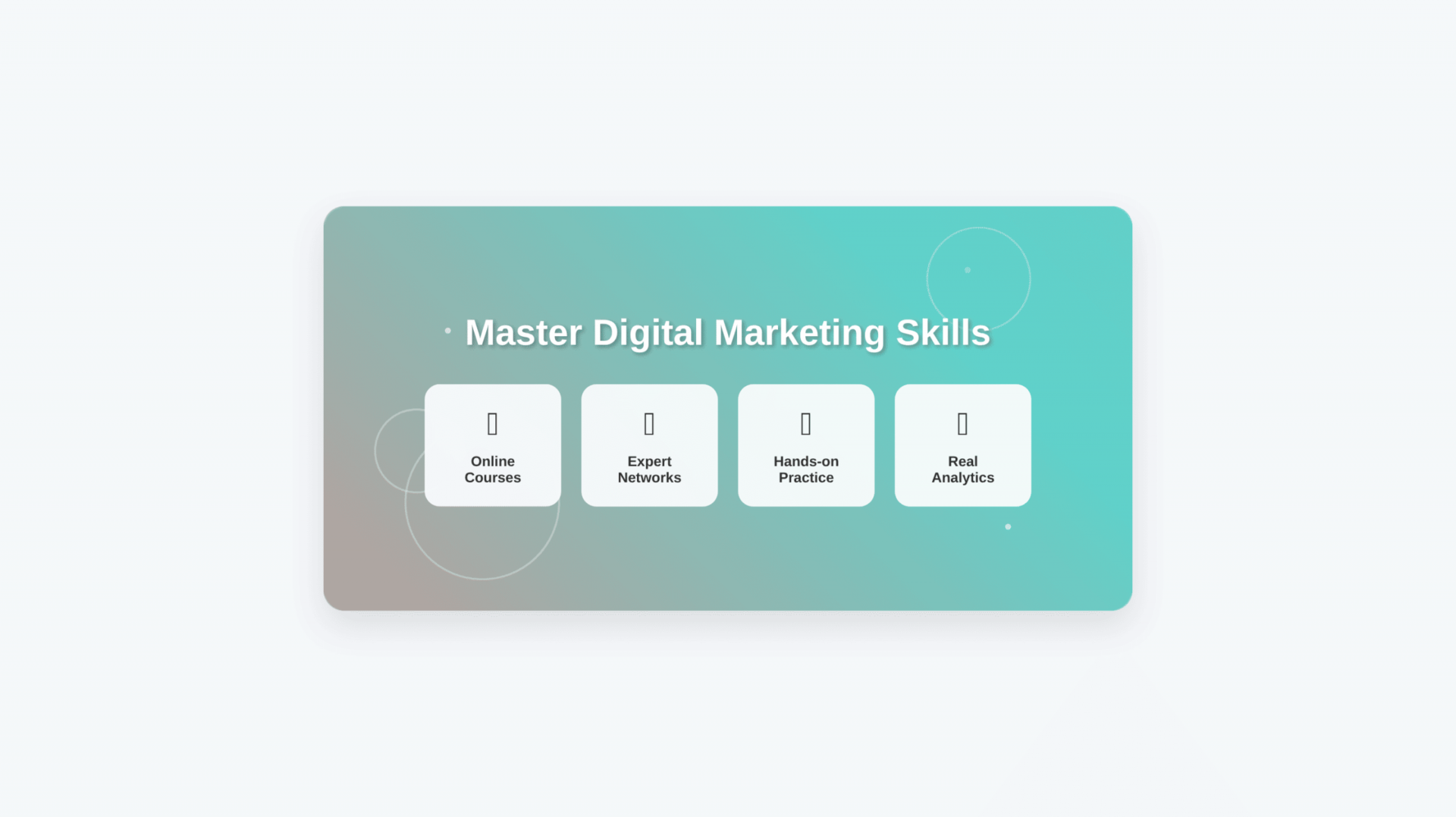
Whether you’re brand-new to marketing or a traditional marketer moving into digital, here are seven practical (and proven) ways to sharpen your skills, no formal degree required.

1. Take Online Courses That Actually Teach You Something

Not all online courses are equal. The best ones are built by marketers who actually do this stuff every day not just teach theory. These courses blend hands-on learning with real-world projects that help you build skills employers care about.

What to look for:

  • Instructors with real industry experience
  • Projects based on actual campaigns
  • Updated content that reflects current tools and platforms
  • Certifications that carry weight on your resume

Recommended platforms: Google Skillshop, HubSpot Academy, and LinkedIn Learning are all great places to start.

2. Learn from the Pros in the Industry

Want to know what’s working in digital marketing right now? Follow the experts who are already doing it. They share not just tactics but also insights into the strategy behind successful campaigns. If your goal is to become an SEO expert in Nepal, seek out local professionals who are ranking well or leading agencies you’ll gain insights that are specific to your market.

How to get the most from them:

  • Follow a mix of global and local thought leaders
  • Subscribe to their newsletters and podcasts
  • Ask questions and engage with their content
  • Join their webinars or virtual events

Tip: Pick experts in areas you want to master—SEO, social media, email marketing, or AI tools.

3. Use Free Resources to Explore and Learn

You don’t always have to pay to learn. There’s a ton of free, high-quality content online that covers everything from the basics to advanced strategies.

Top free resources to check out:

  • Coursera & edX: Free courses from top universities
  • Google Digital Garage: Solid fundamentals in digital marketing
  • YouTube: Tutorials, breakdowns, and real case studies
  • Blogs: Keep up with Moz, Search Engine Journal, and Content Marketing Institute

4. Get Hands-On with Personal Projects

Reading is helpful, but doing is where the real learning happens. Try testing strategies on a personal blog, passion project, or fictional brand.

Simple project ideas:

  • Start a blog and learn SEO by optimizing your posts
  • Run a small Instagram or Facebook campaign
  • Build an email list for a hobby or passion project
  • Try a basic Google Ads campaign with a tiny budget

5. Join Online Communities and Connect with Others

One of the best parts of digital marketing is the community. There are countless online (and offline) spaces where marketers help each other grow.

Where to find them:

  • LinkedIn groups: Look for niche-focused communities
  • Reddit: r/digitalmarketing, r/SEO, and r/PPC are packed with advice
  • Slack groups: Many cities and marketing niches have active ones
  • Local events: Don’t underestimate the power of in-person networking

6. Get Certified (It’s Worth It)

Certifications show that you’ve taken the time to learn and understand the tools. They’re especially helpful if you’re transitioning from another field or just getting started.

Top certifications to consider:

  • Google Ads & Google Analytics
  • HubSpot Inbound Marketing
  • Meta (Facebook) Social Media Marketing
  • Salesforce Marketing Cloud (for advanced roles)

7. Analyze Real Marketing Data

Looking at real-world data helps you understand what works—and what doesn’t. Try working with small businesses or nonprofits to get your hands on real campaign results.

Where to find real data opportunities:

  • Help a local business improve their online presence
  • Volunteer for a nonprofit’s marketing team
  • Freelance on small gigs to build a portfolio
  • Ask your employer to let you assist on a digital campaign

The Skills That Will Make You Stand Out

To be great at digital marketing, you need a mix of creative and analytical abilities. The top marketers are flexible, data-savvy, and constantly learning.

Here’s what to focus on:

  • Analytics: Know how to read and act on data
  • Writing and content: Craft messages that get attention and convert
  • Tech skills: A basic understanding of HTML, email tools, and CRMs
  • Strategy: Know how to align marketing goals with business objectives
  • Adaptability: Be ready to pivot with new trends and tools

Start Small, Learn Fast

You don’t need a fancy degree to break into or level up in digital marketing. What you need is consistency, curiosity, and a bit of creativity. Pick one or two of the strategies above that fit your style, and commit to them for the next month.

Most importantly, don’t just learn—apply. Watch a course, then launch a mini-campaign. Read a blog, then try out the strategy on your own site. Digital marketing rewards action, not just knowledge.


Source link