How A Hyundai Lawsuit Was Responsible For The Rivian Brand’s Name


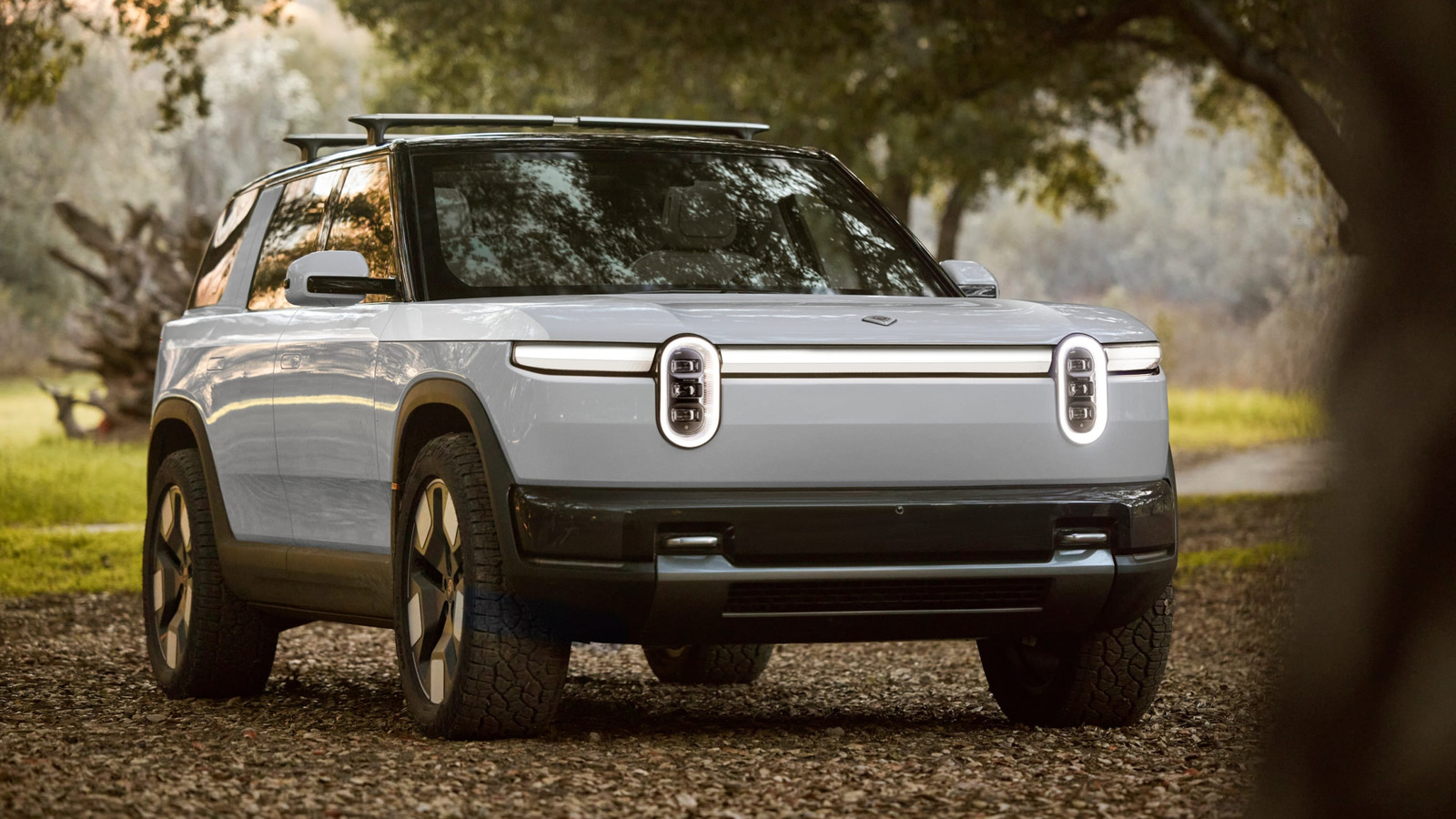
After making waves with the launch of the R1T and R1S, Rivian is now in the process of rolling out its mass-market offering, the R2. We’ve already driven it, and we think it’s very good indeed. So good, in fact, that we argued that it looks to be the best EV at its price point so far. It also represents a critical point for the company, since its CEO, RJ Scaringe, has made no secret of the fact that he’s relying on the R2 to push Rivian into becoming a household name.

If everything goes according to plan for the company, plenty more drivers will be finding out about Rivian in the coming years, although most of them won’t be aware that Rivian operated for around a year under a different name. Speaking to the How I Built This podcast, Scaringe recounted how a lawsuit from Hyundai was responsible for Rivian’s current name, as the South Korean carmaker took issue with its original name, Avera.

When Scaringe founded Avera in 2009, he originally intended the company to be a sports car manufacturer. He managed to construct a prototype sports car focused on fuel efficiency, but eventually decided that the company needed to go in a different direction. With funds still very limited at the time, Scaringe had little choice but to change the name after Hyundai sued the company in 2010. The complaint alleged that the Avera name was too similar to the name of Hyundai’s flagship sedan, the Azera.

How the Rivian name was formed

Scaringe told the podcast that “we said, okay, we’re not gonna fight Hyundai and use the very small number of dollars we have to fight over a name that very, very few people around the world had ever even heard of.” Instead, the founder and his team spent hours brainstorming other names for the company, eventually settling on Rivian.

The name was a portmanteau of the words “river” and “Indian,” because he’d grown up near the Indian River in Florida. The team reportedly chose the name because it was easy to say and didn’t mean anything in any other language. Plus, having a name based on the word river brought connotations of flowing and moving, according to Scaringe.

Settling on Rivian meant that Scaringe was happy and Hyundai was happy. Hyundai continued to sell its Azera sedan in America until 2017. The launch of its upmarket Genesis brand led to the nameplate being axed in the U.S., although Hyundai later launched a new generation of the Azera in other markets.

After its rebrand, Rivian would later disappear from the radar for a number of years as the team worked to develop the technology behind its current lineup. It built its first prototype truck in 2013, but continued to rework the design for several years until it finally settled on the design that would become the R1T. It remains on sale today, with the latest iteration of the R1 offering remarkable levels of power while still being comfortable both on the road and off-road.


Source link

Leave a Reply

Subscribe to Our Newsletter

Get our latest articles delivered straight to your inbox. No spam, we promise.

Recent Reviews


evergreen-deals-imagery

Hisense/ZDNET

Follow ZDNET: Add us as a preferred source on Google.


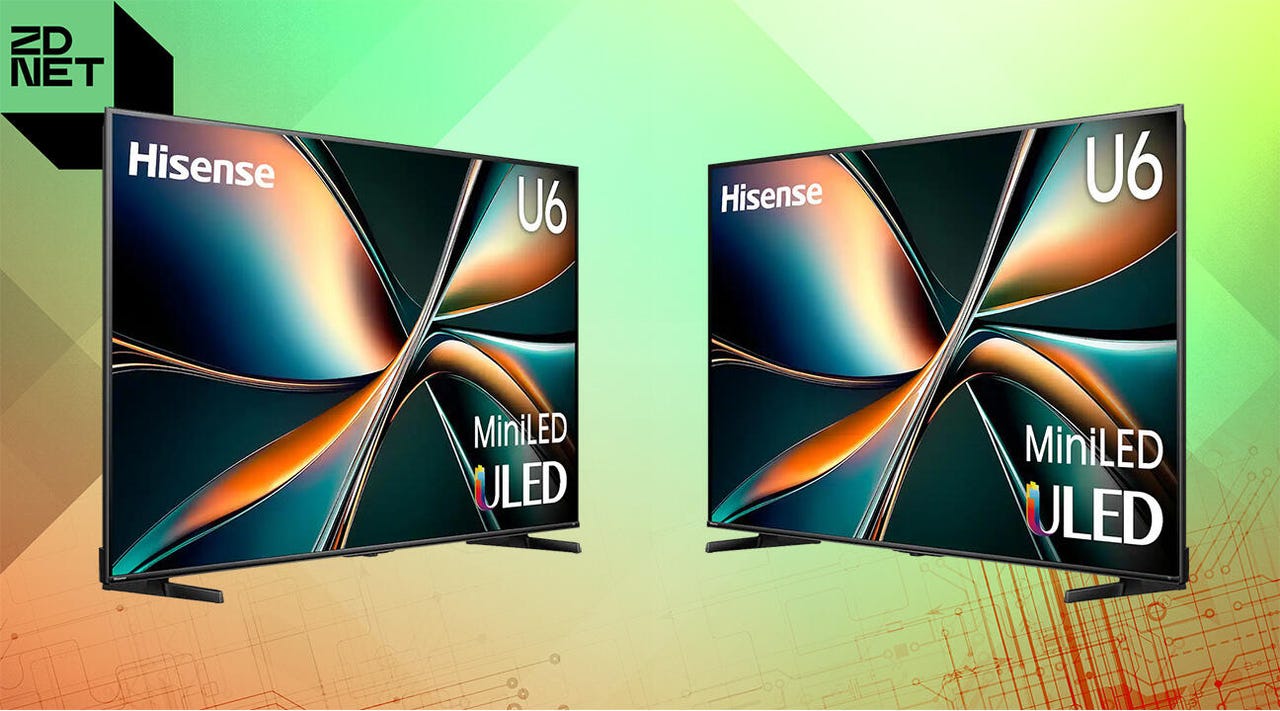
Whether you’re looking to upgrade your main TV to set up the ultimate home theater, or you’re just looking for a high-quality second screen for your home, you’d be hard-pressed to find a better option than the Hisense U6 Pro. And just in time for the FIFA World Cup, you can pick up the 75-inch Hisense U6 Pro for just under $850 at Amazon — a nearly 40% discount.

Also: TCL vs. Hisense

The Mini LED panel is Pantone Validated for color accuracy, which means you’ll get some of the best picture quality outside of ultra-premium OLED and Micro RGB models. It’s also backed up by a 144Hz refresh rate, making it perfect for smoother motion while watching live sports, streaming, and console gaming. 

Speaking of gaming, the dedicated picture mode supports AMD FreeSync Premium Pro VRR to help prevent screen tearing. There’s also an AI Sports mode that automatically detects when you’re watching a live match and adjusts the refresh rate, sound, and picture settings for the best experience, making it a fitting choice for soccer fans ahead of the World Cup.

Also: The best Hisense TVs of 2026: Expert tested and reviewed

You’ll get audio to match with support for Dolby Atmos virtual surround sound and a built-in subwoofer for deep bass tones that make movie soundtracks and your favorite music more impactful. If you prefer to have more control over your sound, you can set up home audio equipment with either the HDMI eARC connection for near-perfect video and audio syncing or via Bluetooth for a fully wireless setup. And if you’ve set up a security camera system, you can show feeds from up to four cameras at once on your Hisense U6 Pro to keep an eye on your home.

How I rated this deal 

The Hisense U6 Pro is a great midrange Mini LED TV that offers a 144Hz refresh rate, Dolby Vision IQ HDR, Dolby Atmos virtual surround sound, and built-in Alexa voice controls. The Pantone Validated panel gives you incredibly accurate colors for more lifelike images. And at a discount of nearly 40% on the 75-inch model, you’re getting an excellent value for your next home theater upgrade or second-screen addition. That’s why I gave this deal a 4/5 Editor’s rating.

Deals are subject to sell out or expire anytime, though ZDNET remains committed to finding, sharing, and updating the best product deals for you to score the best savings. Our team of experts regularly checks in on the deals we share to ensure they are still live and obtainable. We’re sorry if you’ve missed out on this deal, but don’t fret — we’re constantly finding new chances to save and sharing them with you at ZDNET.com


Show more

We aim to deliver the most accurate advice to help you shop smarter. ZDNET offers 33 years of experience, 30 hands-on product reviewers, and 10,000 square feet of lab space to ensure we bring you the best of tech. 

In 2025, we refined our approach to deals, developing a measurable system for sharing savings with readers like you. Our editor’s deal rating badges are affixed to most of our deal content, making it easy to interpret our expertise to help you make the best purchase decision.

At the core of this approach is a percentage-off-based system to classify savings offered on top-tech products, combined with a sliding-scale system based on our team members’ expertise and several factors like frequency, brand or product recognition, and more. The result? Hand-crafted deals chosen specifically for ZDNET readers like you, fully backed by our experts. 

Also: How we rate deals at ZDNET in 2026


Show more


Source link