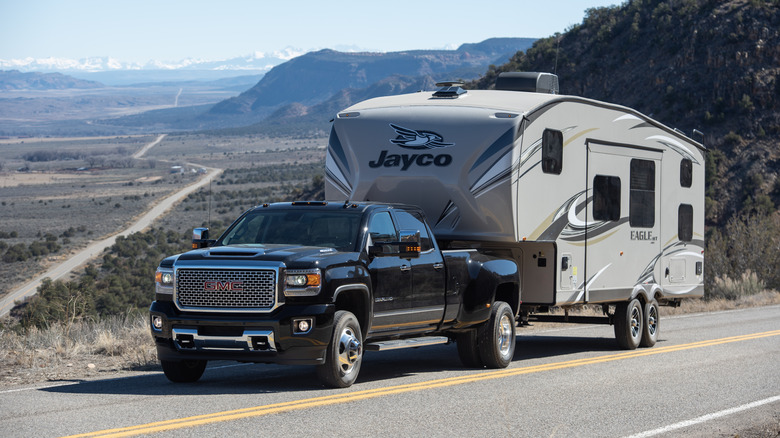

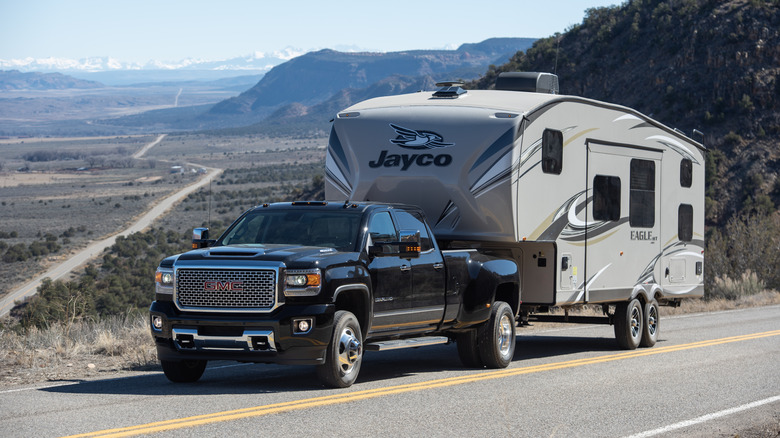
A tow hitch is a lot like a spare tire or a toilet plunger; most people probably don’t think much about them until they need to. At first glance, the differences between a factory-installed hitch and an aftermarket one appear minimal. Both provide a connection point to tow a trailer, camper, or boat. However, the similarities often end there, and beneath the skin of the vehicle, some substantial differences may exist.
A factory tow hitch can often represent just one element of a much broader factory tow package. Vehicle manufacturers design these packages specifically for customers who expect to tow regularly, or operate near the upper limits of the vehicle’s rated towing capacity. As a result, the package often includes a range of upgrades beyond the hitch itself.
Depending on the purpose or design of the vehicle, a tow package can include more powerful engines, revised transmission gearing, a lower rear axle gear ratio, integrated trailer brake controllers, or strengthened suspension components. Many modern vehicles also feature advanced trailer sway control systems and towing-specific stability programs that work alongside the vehicle’s stock safety features.
Because these systems are engineered to work together, factory tow packages typically provide greater durability, stability, and confidence when towing high tongue weight loads. In essence, although the hitch may be the most visible part of the package, it is often the least significant upgrade when compared with the underlying mechanical and electronic systems integrated alongside it.
An aftermarket alternative: practical but limited
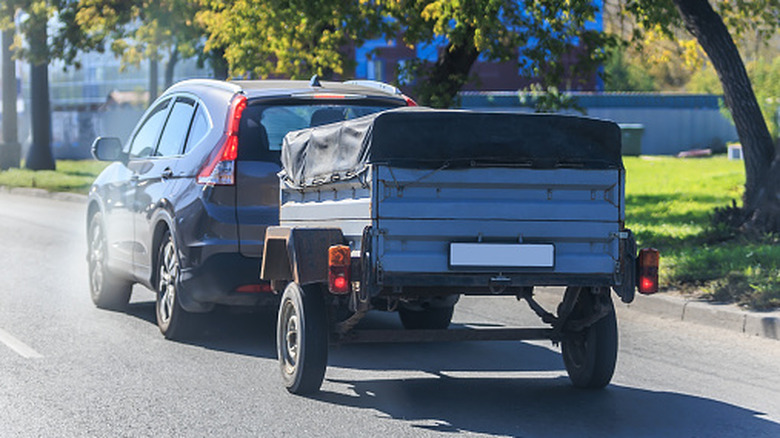
Aftermarket tow hitches serve an important purpose and can be an excellent solution for infrequent or light tongue-weight towing. However, it is important to understand what an aftermarket hitch, can, and cannot, do safely.
An aftermarket hitch adds only the physical towing hitch point to a vehicle that may not have originally been equipped or designed for towing. What it very commonly does not include are the broader vehicle-wide modifications found in a factory tow package. Installing an aftermarket hitch does not increase engine output, improve transmission cooling, strengthen suspension components, or enhance braking performance, all of which become increasingly necessary as a vehicle approaches the upper limits of its towing capacity.
Understanding these system-wide requirements is particularly important because towing capacity is not determined by the hitch alone. A hitch may be rated to handle a certain load, but the vehicle’s true towing capability remains limited by a relatively wide array of other critical aspects, any one of which can fail, damaging the vehicle or compromising the safety of its occupants.
For many owners, stock tow capacity limits are not a problem. An aftermarket hitch can be ideal for occasional use, such as towing a lightweight utility trailer, transporting bicycles with a hitch-mounted rack, or pulling a small recreational trailer a few times each year. In these situations, the convenience and lower cost of an aftermarket installation often makes excellent sense. The key is recognizing that an aftermarket hitch adds towing functionality, but it does not transform a standard vehicle into something matching the safe towing capacity of a purpose-built vehicle equipped with a comprehensive towing package.
Choosing the right solution for your towing needs
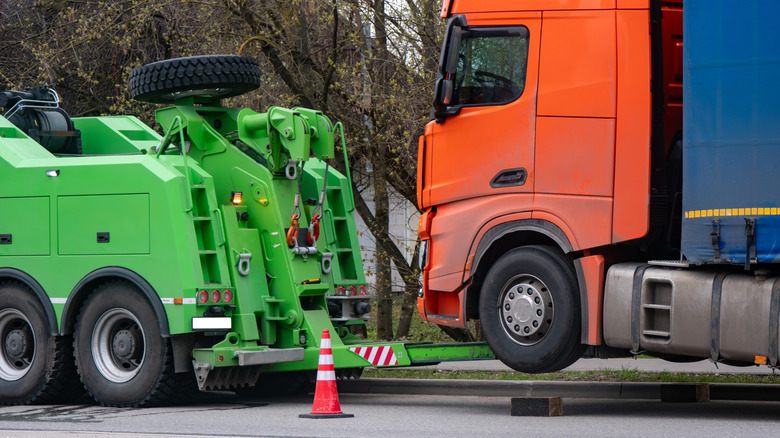
The decision between a factory tow package and an aftermarket hitch boils down to how the vehicle will be used. Not every driver needs to fork out thousands of dollars for a high-end tow package without genuine cause. While factory tow packages are valuable for those who regularly pull heavy loads, it could be very easy to be upsold into spending an excessive amount of money on equipment that isn’t necessary. If your towing needs are infrequent and well within your vehicle’s limits, the additional costs may provide you with little practical benefit.
Conversely, a far greater concern is drivers assuming their vehicle can tow more than it is designed or equipped to handle. According to federal safety data, trailer-related crashes result in hundreds of fatalities and thousands of injuries each year across the United States. Notably, most recorded towing deaths happen as a result of jackknife rollovers, or when a heavy, unmanageable trailer forces the towing vehicle into oncoming traffic. The most common catalyst of these incidents can be drawn directly from assumptions that if the trailer connects to the hitch, the vehicle can safely tow it. For consumers evaluating towing options, understanding that difference between ability to tow, and ability to tow with control, can lead to a safer, more appropriate choice to suit their needs.
Ultimately, towing capacity is determined by a carefully balanced combination of engineering factors. The hitch may be the most visible component, but it is only one component of a much larger system. A system that is restricted to the abilities, values, and failing point, of its least capable piece.

Stephan is the sports journalist for the Maple Grove Report.