


There’s a video making the rounds on social media of a man filling up his truck at the gas pump while a voiceover of an auctioneer rapidly calls out increasing amounts, with the final total well over $100. It’s both funny and disheartening because it’s so relatable. According to AAA, the national average for a gallon of gas is $4.51 at the time of writing and has increased by 25 cents for the second week in a row, hitting a four-year high. Americans are struggling to afford gas and are having to make difficult choices, cutting back in other areas in order to afford their commute.
The price of gas has increased by more than 50% since the start of the Iran war, when it was averaging about $2.98 per gallon. To offer Americans some relief, President Donald Trump has proposed temporarily suspending the federal gas tax. He alone can’t approve this step, which requires an act of Congress, but if it happens, how much will drivers save at the pump?
Unfortunately, the answer may disappoint some. The federal tax portion of that $4.51 (or more) that we’re currently paying is only 18.4 cents. The tax on diesel fuel, which is currently averaging $5.65, is 24.4 cents. If Congress votes to temporarily suspend that tax, the average price will still be more than $4.30 for gasoline and more than $5.40 for diesel. Is there any other relief in sight?
How are gas prices determined, and what could happen if the federal tax is paused?
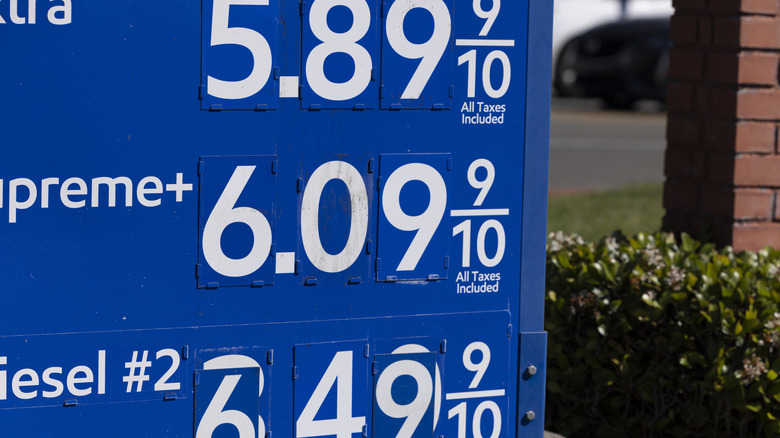
According to the U.S. Energy Information Administration, several factors play into determining the retail price of a gallon of gas, including crude oil costs; refining, distribution, and marketing costs; and both state and federal taxes. State taxes vary and range from 8.95 cents to more than 70 cents. And not every state would see relief if the federal tax is paused: Nevada has a law on the books that automatically raises the state tax on gasoline if the federal tax is suspended, meaning the price for a gallon would stay the same. A few states have already suspended their state gas tax, including Georgia, bringing minimal relief.
A so-called federal gas tax holiday could also have a detrimental effect. This tax provides funding for the Highway Trust Fund, which not only helps bankroll the construction and maintenance of highways and bridges, but also helps maintain other forms of public transportation like subways and buses. A four-month pause on the gas tax would result in more than $11 billion in lost funding for the Highway Trust Fund, or about 19 percent of its annual spending.
Finally, there’s no guarantee that consumers will see prices drop by the full 18.4 cents. The Penn Wharton Budget Model, a research-driven initiative of the Wharton School of the University of Pennsylvania that analyzes fiscal policy in a nonpartisan way, explains that suppliers would likely absorb some of the reduction rather than passing savings on to the consumer, estimating that prices would actually only decrease by about 13 cents.

Stephan is the sports journalist for the Maple Grove Report.