
The United States military has long used gaming technology for training, and that’s for several reasons. For one, it’s relatively inexpensive. It’s also tech that most recruits are already familiar with. In February 2026, the U.S. Navy revealed a new way the military would be using this technology: using virtual reality headsets for shipboard and handheld training.
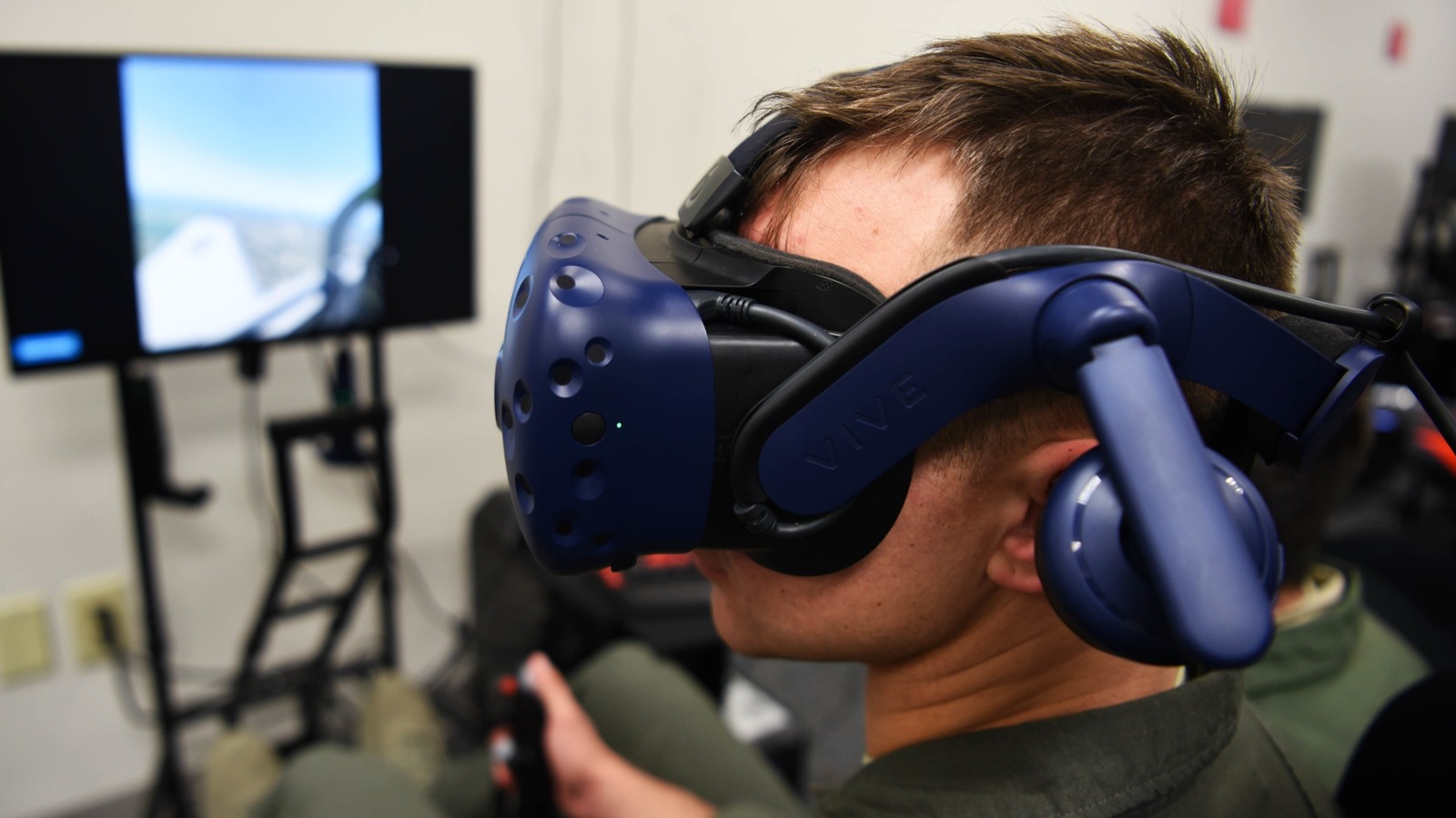
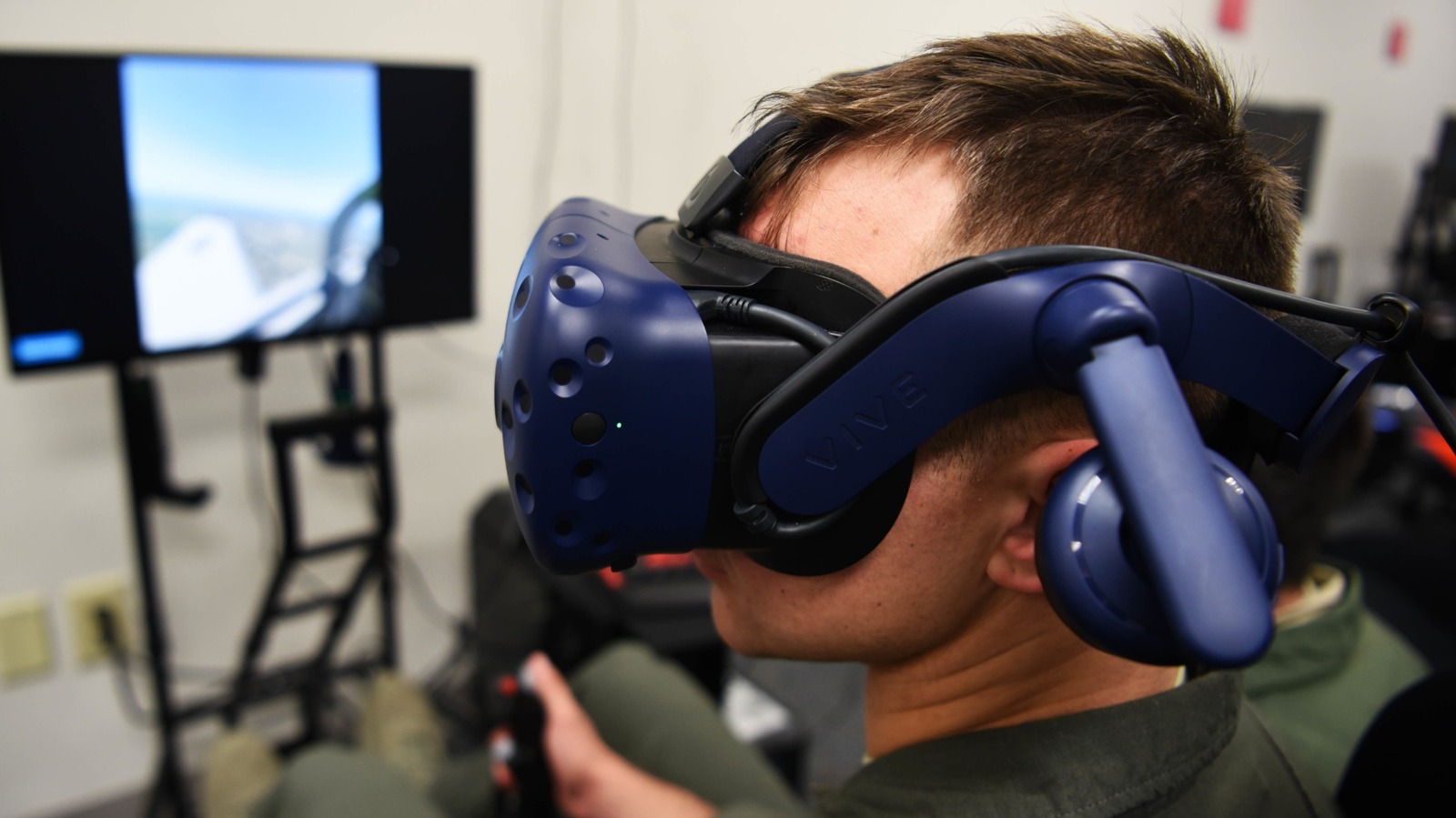
Traditionally, the Navy employed an industrial model, where sailors would travel to schoolhouses for training and return to their units. With onboard virtual reality training that’s fully capable of rendering simulations in compact devices, the service is reevaluating its training model. The Naval Air Warfare Center Training Systems Division (NAWCTSD) demonstrated the utility of such devices using affordable handheld gaming PCs and untethered VR headsets like the HTC Vive XR Elite.
The goal is to accomplish training objectives while limiting cost. It costs the Navy $400 million annually to overcome congestion and delays in its training pipeline, so accommodating training at home stations or aboard vessels would significantly reduce costs. It would also decrease the bottleneck of sailors waiting to attend training that’s necessary for their job growth. To that end, the NAWCTSD adapted the Multipurpose Reconfigurable Training System (MRTS) 3D® program from 55-inch touchscreens into a VR immersion program as a proof of concept.
The U.S. Navy’s future of gaming tech-based training
To demonstrate the versatility of VR in training, the NAWCTSD’s modified MRTS walked a sailor through the process of repairing a diesel engine in a submarine. While U.S. subs are nuclear-powered, highly advanced and deadly attack subs use diesel engines for backup power and ventilation in the case of a reactor shutdown or other emergency. For the training demonstration, an instructor screen shows each step of the process in navigating the virtual diesel engine of a Los Angeles-class sub.
Sailors can grab the instructor’s screen and adjust it around their field of view. To interact with the virtual world, sailors use their hands to push buttons, tighten bolts, turn valves, pull levers, and check gauges. If they make a mistake along the way, it can be reset to reattempt the process. Arrows guide sailors from one task to the next, and if the room is large enough, they can physically walk from one station to the next.
The second demonstration utilized a handheld gaming PC, which is best used when space is at a premium or when cybersecurity limits the use of VR. For this, the NAWCTSD employed the Nintendo Switch and the Valve Steam Deck, using standard game controllers that many modern sailors are already familiar with using.
This is by no means the first time the military has used video game equipment
The military has a long history of using gaming technology, tracing back to the 1990s, when the U.S. Army trained soldiers using a Super Nintendo. One of the most innovative uses of gaming technology employed by the U.S. military came when the U.S. Air Force needed a new supercomputer. The U.S. Air Force Research Laboratory (AFRL) built what was, at the time, the 33rd largest supercomputer in the world, and they did it with PlayStation 3s.
The AFRL put 1,760 PlayStation 3 consoles together and called it the “Condor Cluster.” This device could perform 500 trillion floating-point operations per second. That made the Condor Cluster the fastest interactive system in the Department of Defense, and it was made with a video game console. Granted, the PS3 was an overengineered beast, but it’s unlikely anyone at Sony considered its military applications when putting it together.
The system could enhance radars, utilize pattern recognition, process satellite imagery, and conduct research into artificial intelligence. The project managed to put together an impressive supercomputer at a material cost of around $2 million, which is only 5-10% of what it would have cost the Air Force had the service built its new supercomputer using off-the-shelf components. On top of that, it only utilized 10% of the power used by comparable systems.

Stephan is the sports journalist for the Maple Grove Report.