How to force Google AI Overviews to prioritize your favorite news sources


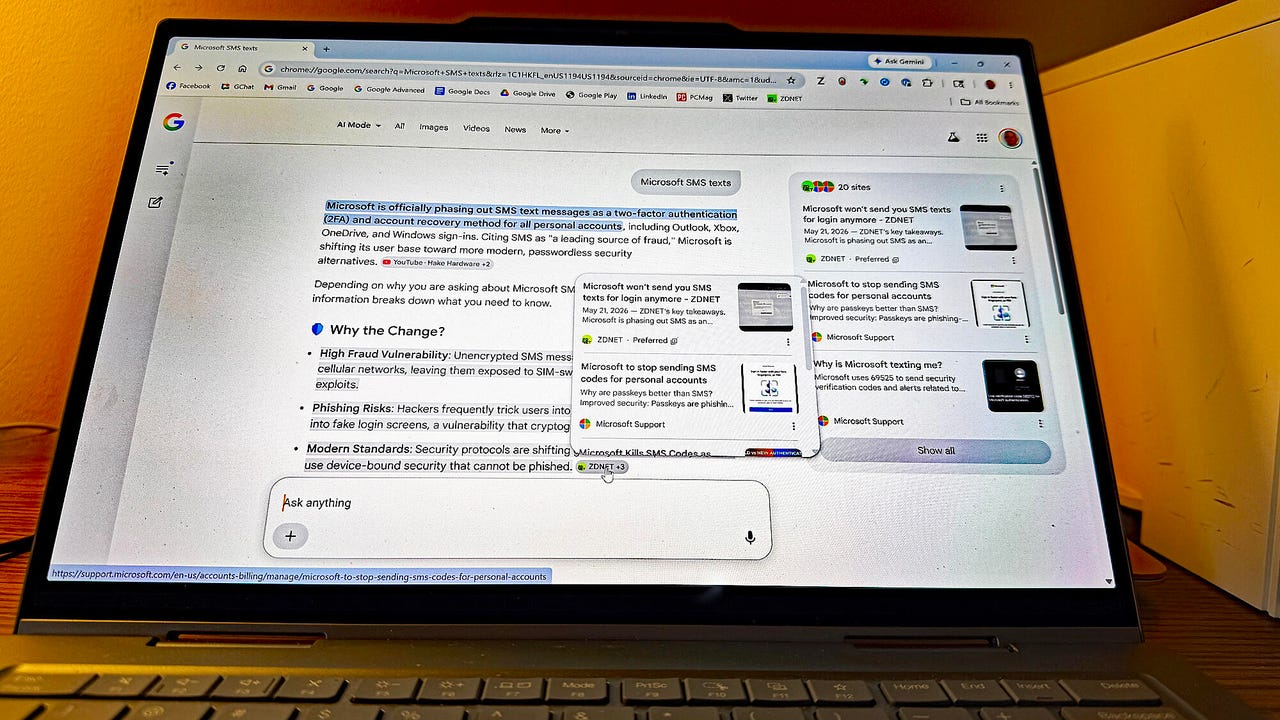
View a preferred source in a Google AI search

Lance Whitney/ZDNET

Follow ZDNET: Add us as a preferred source on Google.


ZDNET’s key takeaways

  • Google’s Preferred Sources feature now works with AI-powered searches.
  • You can add your favorite news sites so they appear more prominently.
  • Google will also now point you to stories that are highly cited.

I like to see certain news sites, such as ZDNET, pop up in my Google searches when I’m looking for help on a certain topic. With Google’s Preferred Sources option, I’m able to add such sites so they appear in a regular search. Now, Google has expanded the feature to also cover AI-powered searches.

Also: This AI-free Google alternative is surging in popularity – how to try it for yourself

In a blog post published on Wednesday, Google announced that the Preferred Sources feature now supports searches that run through AI Overviews or AI Mode. This means you should see your favorite sites show up more prominently among the results, even if AI handles your search.

What are ‘Preferred Sources’ in Google?

Introduced last year, initially as a Google Labs experiment, Preferred Sources is designed to help you access the sites you like or trust the most when you search on any topic. Until now, the feature was limited to regular Google searches, Google’s Discover mode, and Google News’ Top Stories. 

With the latest development, your favorite sites are now likely to appear no matter how you conduct your searches.

Also: Why Chrome may have quietly downloaded a 4GB file to your PC – and how to get rid of it

“Our Preferred Sources feature makes it easy to see more from your favorite websites,” Google said in its blog post. “And starting today, it’s coming to AI Overviews and AI Mode, so you’ll be able to easily spot links in AI responses from the sources you’ve already selected. Just like in Top Stories, your Preferred Sources will be clearly labeled to stand out.”

Choosing your favorite sources helps both you and the sites and publishers you follow. 

For example, if you add ZDNET as a preferred source, our latest tech news, features, and guides will appear more prominently in any relevant results, whether you run a regular search or an AI-infused one.

How to add your Preferred Sources to Google AI

To add a source you like, browse to the Source preferences page and make sure you’re signed in with your Google account. In the field for “Search by name or website,” start typing the name or website address of a site you like. 

Also: Everything we saw at Google I/O: Gemini 3.5, Android XR glasses, Spark, and more

To add ZDNET, for instance, just begin typing its name. Click the checkbox for the site when it appears among the results. You can then add multiple sources the same way.

Add a preferred source to your Google searches

Screenshot by Lance Whitney/ZDNET

To try this out, head to Google’s search page

Also: I was intrigued by Google’s new video-cloning Omni AI – then I considered the implications

In the search field, type the question or phrase that describes the topic you want to research, and then click the AI Mode button. In response, one or more of your preferred sources may appear within and next to the AI summary. If so, hover over the link to the source to see its full name, date, and other details. Click the link to view the full story at the source’s website.

View a preferred source

Screenshot by Lance Whitney/ZDNET

Keep in mind that your preferred sources won’t always show up. Your topic naturally has to be related or relevant to a story that the site has published. Google also favors sources that publish fresh content so that you get the latest information.

There’s more

Maybe you’re researching a developing topic in the news and aren’t sure which site or story to check out first. For these kinds of searches, Google will now display a carousel with thumbnails of relevant sources, with your preferred ones highlighted. You can then swipe or scroll through the thumbnails and choose the story you want to see based on its details.

Also: I found an easy way to automatically keep AI out of my search results – and it works in nearly every browser

Finally, Google will now point you to stories that promise to be more relevant and helpful. Here, you’ll see a “Highly Cited” badge next to links for stories on the search results page. This tag highlights stories that other sources have cited, helping you find ones that are getting the most coverage. And there’s even more in store.

“These new changes build on our recent updates to connect you with the best of the web,” Google added in its post. “Highlighting trusted sources, creator content, and firsthand perspectives helps you search with more confidence. This is an area where we’re constantly innovating, and there is much more to come.”






Source link

Leave a Reply

Subscribe to Our Newsletter

Get our latest articles delivered straight to your inbox. No spam, we promise.

Recent Reviews


You’ve built your small business from the ground up. It’s your pride and joy, your financial security, and a potential legacy for your family. But what happens to your business interests after you’re gone? Without proper estate planning, your small business could face a chaotic future, disrupting operations, hurting employees, and jeopardizing your loved ones’ inheritance.

Business estate planning is your secret weapon. It’s not just for the ultra-wealthy with complex trusts and wills. For small business owners, it’s a crucial tool to ensure business continuity and protect your business value. Here’s how you can craft a comprehensive estate plan:

Know Your Business Inside and Out

The first step in your estate planning process is taking a deep dive into your business affairs. Make a list of all your business assets: equipment, inventory, intellectual property, and real estate.

Furthermore, don’t forget your business debts like loans and outstanding payments. This comprehensive list helps you understand what needs protecting and planning for in your estate planning documents.

Chart Your Business’s Future Course

What do you envision for your business after you’re gone? Should it stay in the family? Be sold to a trusted partner? Wind down entirely? This is where business succession planning comes in. It’s about deciding the future of your business in a way that honors your legacy and sets your team up for success.

Here are some questions to consider:

  • Family Business? Do you have a family member who shares your passion and has the skills to lead?
  • Trusted Partner? Is there a key employee you see as the ideal successor?
  • Time for a Change? Are you open to selling the business to ensure a smooth transition?

There’s no right or wrong answer. The key is to have open conversations with your loved ones and key employees to understand their goals and aspirations. This will guide you in crafting a business succession plan that feels right for everyone involved.

Develop a Rock-Solid Business Succession Plan

This plan outlines who will take over your business and how. You might identify a family member, a key employee, or even an outside buyer. The business succession plan should detail the transfer process, including training and timeline.

Here’s how to craft a plan as strong as your business itself:

  • Identify Your Successor: It could be a family member you’ve been mentoring, a trusted key employee, or even an outside buyer.
  • Groom Your Successor: Start by involving them in key decisions to give them opportunities to learn the ropes.
  • Plan for the Unexpected: Have a backup plan in place. Identifying another potential leader or outline a buy-out option for remaining partners.

An experienced estate planning attorney like Keele & Parke can help you draft a legally sound plan that considers state law and tax implications.

Avoid Conflict with Ironclad Sell Agreements

If you have co-owners, a sell agreement is vital. This agreement dictates what happens to a deceased or incapacitated owner’s share of the business. It prevents conflict among remaining partners and ensures a smooth ownership transition in your overall estate plan.

Wills vs. Trusts: Choosing the Right Tool

A will can designate who inherits your business assets. But the problem is it can be a slow and public process through probate court.

Here’s where a revocable living trust comes in. Think of it as a private vault that holds your business assets during your lifetime. You can name yourself as trustee, so you’re still in control.

Another thing, you can designate a successor trustee to seamlessly take over managing the business if you become disabled or pass away. This avoids probate and keeps things running smoothly for your loved ones and your employees.

Wills are still important for your overall estate plan, especially for personal assets outside the trust. But for your business, a revocable living trust offers flexibility, privacy, and peace of mind.

Minimize Estate Taxes Through Strategic Planning

Nobody wants a big chunk of their hard-earned business value going to the government after they’re gone. That’s where estate taxes come in, and they can be a real burden for your family. But don’t worry, there are smart estate planning strategies you can use to minimize the impact of these taxes.

  • Smart Business Structure: The legal entity you choose for your business can impact your estate taxes. Talk to your estate planning attorney about structuring your business as a limited liability company (LLC) or another entity that might offer tax advantages.
  • Explore Powerful Trusts: There are special types of trusts, like grantor retained annuity trusts (GRATs), that can be used to transfer ownership of your business interests to your heirs while minimizing the taxable value of those assets.

The right strategy for you will depend on your specific situation and goals. That’s why it’s crucial to work with an experienced estate planning attorney and financial advisor. They can help you create a personalized plan that minimizes your estate taxes and protects your legacy.

Don’t Neglect Your Personal Estate Plan

Your business is just one piece of the puzzle. You also need a personal estate plan that includes a will, power of attorney, and healthcare directives. Without it, your loved ones could face a legal mess during tough times. Bills might go unpaid, important decisions could be delayed, and family heirlooms could end up in the wrong hands.

An estate plan ensures your wishes are followed. It names guardians for your minor children, designates beneficiaries for your personal assets (like your home and savings), and appoints someone you trust to make healthcare decisions if you’re unable to. This gives your family peace of mind knowing they’re taken care of, even in your absence.

Life Insurance: A Lifeline for Your Loved Ones

A life insurance policy provides your beneficiaries with a lump sum of cash upon your death. This can be crucial for surviving family members or business partners, especially if they need to buy out another owner’s share through a sell agreement or pay estate taxes.

Regularly Review and Update Your Plan

Life circumstances change, and so should your estate plan. Regularly review your plan, especially after major life events like marriage, children, or changes in your business structure.

Seek Professional Guidance for a Comprehensive Plan

Business estate planning involves complex legal and financial considerations. Don’t try to go it alone. Consult with an experienced estate planning attorney specializing in business succession planning and a financial advisor with experience in small business matters. Their expertise can ensure your estate plan is comprehensive, legally sound, and achieves your goals for business continuity and protecting your loved ones.

Final Thoughts

Safeguarding your business is like protecting your family’s future. Take control. Schedule a consultation with an experienced estate planning attorney today. They’ll guide you through the process and ensure your legacy lives on.


Source link
