Intel’s upcoming gaming CPU specs have leaked


Pointing squarely at AMD’s Ryzen range, Intel’s next-generation desktop CPU lineup has leaked, with the Nova Lake-S architecture set to arrive with up to 288MB of L3 cache across a range expected to carry the Core Ultra 400 branding.

That cache figure dwarfs the 36MB found in Intel’s current flagship Core Ultra 9 285K, and comfortably exceeds the 96MB and 192MB L3 totals found in AMD’s Ryzen 7 9850X3D and Ryzen 9 9950X3D, respectively.

The leak originates from X user Jaykihn, an established source of CPU specification information, who confirmed that the flagship Nova Lake-S chip will carry 16 P-Cores, 32 E-Cores, and four LPE-Cores alongside the 288MB L3 cache figure, with LPE-Cores representing a new low-power efficiency core tier introduced specifically with this architecture.

That core configuration marks a substantial step up from the Core Ultra 9 285K’s eight P-Cores and 16 E-Cores, with the addition of LPE-Cores extending the architectural complexity beyond what Intel’s current Arrow Lake desktop lineup offers at any price point.

Cache capacity matters in gaming because processors can access it far faster than system RAM, reducing latency during gameplay in scenarios where data retrieval speed determines frame time consistency, which explains why AMD’s X3D chips have maintained a performance lead in gaming workloads despite competitive core counts from Intel.

Advertisement

Two unnamed chips sitting above the Core Ultra 9 designation in the leaked table carry 52 and 44 total cores respectively, suggesting Intel plans a tiered flagship structure that extends beyond its current naming scheme for the Nova Lake-S generation.

Intel has not confirmed any specifications for the Nova Lake-S lineup, though Computex in early June represents a credible window for an official announcement, with AMD also expected to reveal details of its next-generation Zen 6 architecture at the same event.


Source link

Leave a Reply

Subscribe to Our Newsletter

Get our latest articles delivered straight to your inbox. No spam, we promise.

Recent Reviews


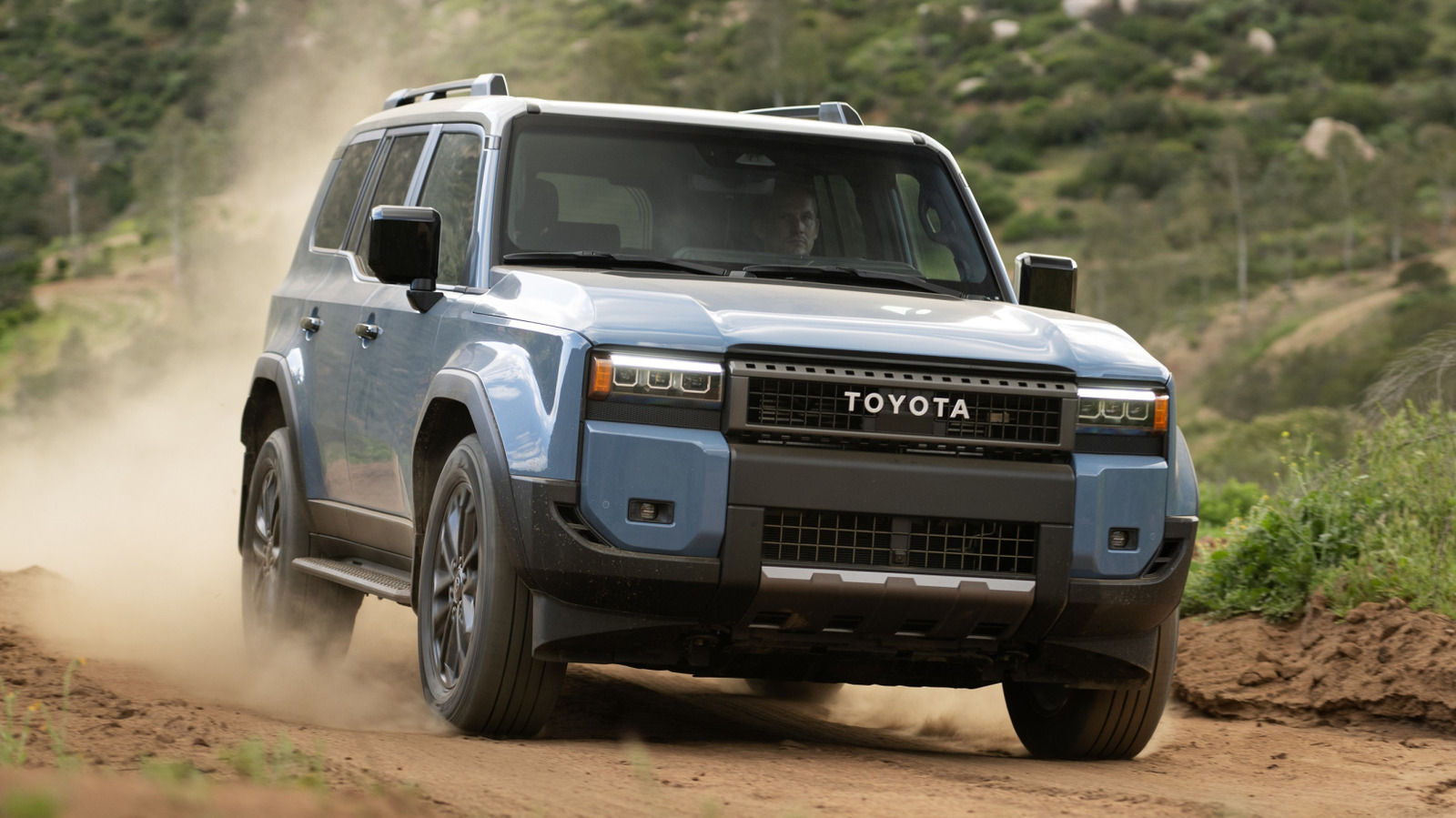
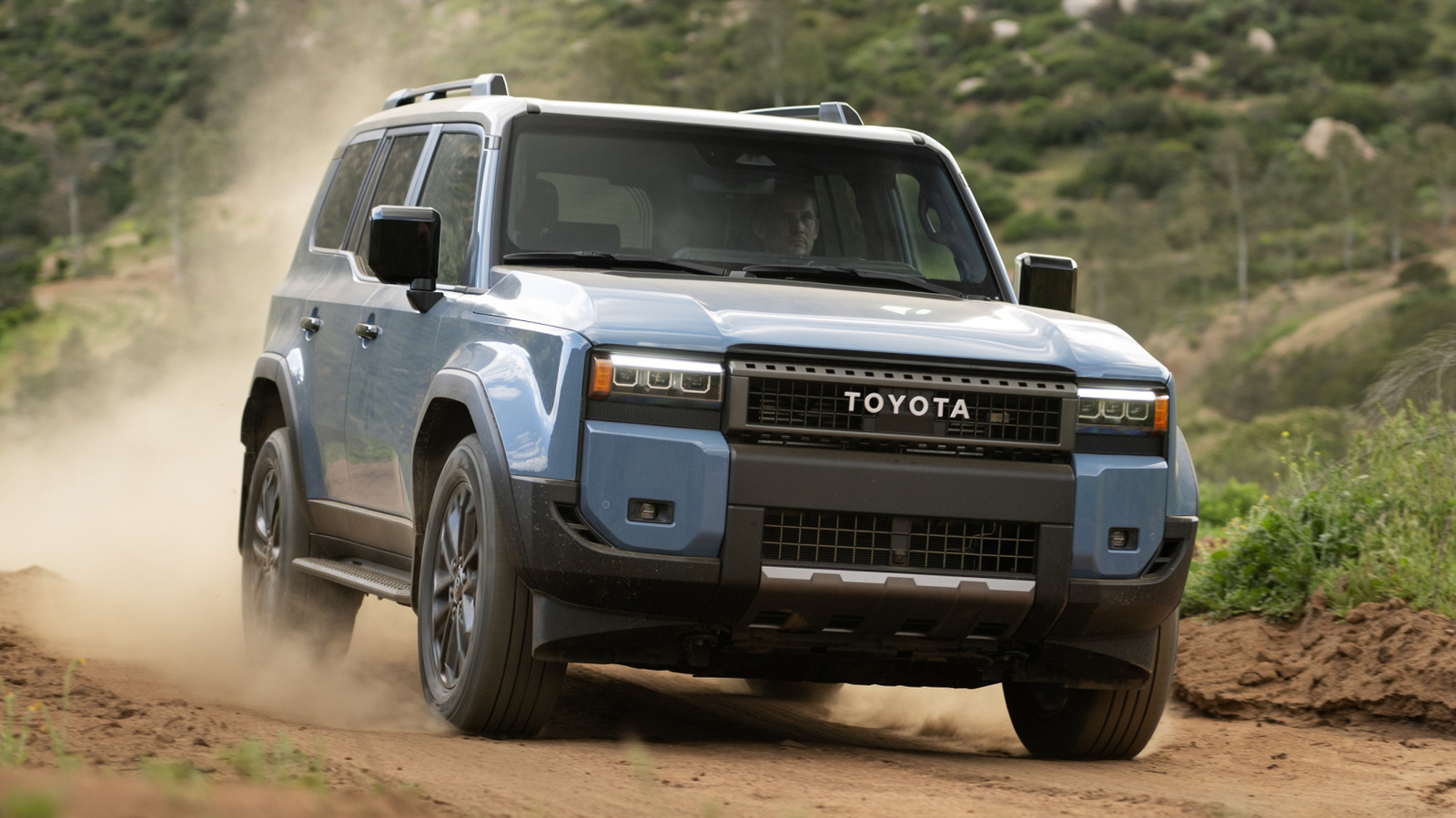
Virtually every new SUV will depreciate in value over its life as the miles rack up and components start to wear out. However, some of them depreciate much faster than others. At one end of the spectrum, there are some models from the likes of Cadillac, Tesla, and Infiniti, all of which can lose close to two-thirds of their value after just half a decade on the road. That makes them some of the worst-depreciating SUVs on the market. At the other end, there are SUVs like the Toyota Land Cruiser.

The exact resale value of any used car will depend on factors like its trim, condition, and mileage, but on average, Land Cruiser owners can expect a higher trade-in value than most rivals will fetch. According to data from CarEdge, a new Land Cruiser can be expected to lose around 35% of its original value after five years on the road, assuming it covers around 13,500 miles annually.

Estimates from iSeeCars make for equally encouraging reading for Land Cruiser owners, with the outlet estimating that after five years, a new example will lose just 34.4% of its sticker price. Even after seven years on the road, iSeeCars estimates that the average Land Cruiser will still be worth a little over half of what buyers originally paid for it.

The Land Cruiser holds its value well

The estimate from iSeeCars puts the Land Cruiser slightly ahead of average for value retention in the large hybrid SUV segment, and significantly ahead of the overall market average for new SUVs. According to the same data, the average new SUV can expect to lose 44.9% of its value over the same period, over 10% more than the Land Cruiser. That said, a different Toyota SUV is forecast to retain even more of its value.

Since the 2025 model year, both the Land Cruiser and the 4Runner have shared their platform and hybrid powertrains. However, according to current estimates, the 4Runner is the clear winner when it comes to resale value. Data from iSeeCars forecasts that a new, non-hybrid 4Runner is likely to lose only 25.4% of its value after its first five years, and CarEdge predicts almost exactly the same figure. According to the former outlet, a hybrid 4Runner will lose slightly more of its value over the same timeframe, shedding 28.6% on average.

While the 4Runner is the better choice purely for value retention, that only forms part of the equation for most buyers. The Land Cruiser remains appealing thanks to its mix of off-road capability and on-road refinement, with even the base 2026 trim offering plenty of standard features, despite missing out on the luxuries that higher trims include.


Source link