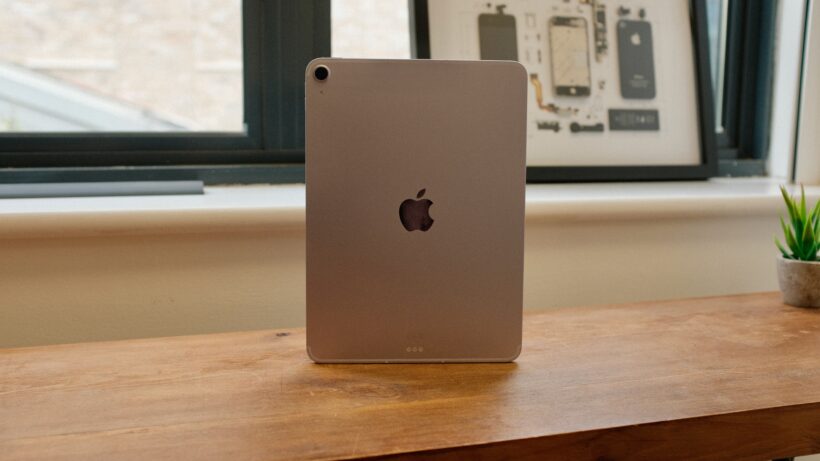

With multiple options to choose from, deciding which iPad to invest in can be a tricky task.
Is the entry-level iPad enough to meet your tablet needs? Or should you splurge a bit more on an iPad Air? Is there enough of a difference between the two ranges to warrant the iPad Air’s higher price in the first place?
That’s where we come in. In this guide, we’ll explain the key differences between the two ranges so you can decide which will likely suit you best.
Otherwise, make sure you visit our best iPad and best tablets roundup to see how we’ve ranked the iPads.
Price
- The iPad sits as the most affordable model
- The Air sits in the middle of the range
The latest entry-level iPad, unsurprisingly, is the cheapest in Apple’s collection, with the latest iPad 11 seeing a starting price of £329/$349 for the 128GB model. However, although Apple doesn’t tend to offer many discounts on its products, we have seen the entry-level iPad drop in price over the recent months.
SQUIRREL_PLAYLIST_10207771
In comparison, the iPad Air is positioned as a more premium alternative to the basic iPad, thanks to its design and Apple’s desktop-level chip, which we’ll go into more later. It certainly has the price tag to match that premium label, with a starting price of £599/$599 for the 11-inch model, while the 13-inch will set you back £799/$799.
SQUIRREL_PLAYLIST_10208285
Design
- Apple has unified the design of the iPad in recent years
- Different colour options are available on both
- Only the Air comes in a larger 13-inch model
You might be wondering what really makes an iPad Air different, and it all starst with the design. Several key differences separate the iPad from the iPad Air, with the most obvious being their distinct designs. As its moniker suggests, the entire iPad Air range has always been relatively thin and lightweight, with the latest iPad Air M4 measuring just 6.1mm thick and starting from just 464g (for the 11-inch model). The 13-inch weighs slightly more from 616g.

In addition, the iPad Air also benefits from a few additional features that make it appear more premium than its iPad counterpart, with the main being a lamented display. The iPad Air M4 also comes with a more muted colour selection, including pastel Green, Blue, Starlight and Dark Grey, which is the same as its predecessor.
Instead, the iPad 11 is made up of a brighter and more eye-catching variety including Yellow, Blue, Pink and Silver.
However, this isn’t to say that the iPad 11 or even its iPad 10 predecessor look cheap. In fact, the two undoubtedly sport a much more premium finish when compared to the iPad 9th Gen, which was stuck with thick bezels and the now old-fashioned Home button.
Performance
- Both are capable tablet ranges
- The latest Air uses a desktop-class M4 chip
- The latest iPad uses the same chip as the 2023 iPhone 15
Arguably, the most significant difference between the iPad and iPad Air ranges is their respective chipsets. Despite both running on Apple’s own silicon, the iPad uses mobile Bionic chips, whereas the iPad Air runs on the desktop-level M-series.
Before we explain the differences between the processors, it’s worth mentioning that this doesn’t necessarily mean the iPad Air is exactly like a laptop. In reality, although the use of the M chip means that while more intensive apps should load faster with minimal lag, the Air remains somewhat limited by iPadOS.
The iPad Air M4 runs on the same chip found in the 2024 MacBook Air (which has since been succeeded by the MacBook Air M5). Not only does this chip make the iPad seriously powerful, allowing it to handle anything from console-level gaming to intensive tasks like LumaFusion Pro with ease, but it also enables the running of the Apple Intelligence toolkit.

In comparison, the entry-level iPad simply does not support Apple Intelligence. Whether this should be a deciding factor is debatable; however, the lack of the toolkit on the iPad does undoubtedly age the device.
Otherwise, the iPad 11 runs on the A16 Bionic chip, which was first introduced back in 2022 with the iPhone 14 Pro and iPhone 14 Pro Max, and was then used in the iPhone 15 and iPhone 15 Plus. Sure it’s a capable chip, but it doesn’t offer the absolute best processing power.

Software
- Both the latest iPad 11 and iPad Air M4 run on iPadOS 26
- Only the iPad Air series includes Apple Intelligence tools
There aren’t many differences between the iPad 11 and iPad Air M4’s software, as both run on the latest iPadOS 26. This means that both have the Liquid Glass design, new multitasking tools and Game Overlay for adjusting game settings and inviting friends to play, all without leaving the app.
However, one of the biggest differences between the two series is that the standard iPad doesn’t include any Apple Intelligence tools. So, while the iPad Air includes features such as Writing Tools, Image Playground, ChatGPT integration, photo editing tools and more.

Having said that, whether this should be the reason you opt for an iPad Air is debatable. Apple Intelligence can be useful in certain situations, however generally it does feel as if it’s still in its infancy as a toolkit. With this in mind, although the lack of Apple Intelligence tools does age the iPad 11 and you might lament the loss further down the line, at this time we’d argue that you’re not necessarily missing out on anything.
Accessory support
- Different Pencil and Keyboard accessories support with each iPad range
- Wider choice of accessories with the Air
- iPad Air supports more of the latest accessories
If you’re moving from the entry-level iPad to the iPad Air, then, annoyingly, there aren’t many accessories you can bring over with you. Although both the iPad 11 and iPad Air M4 support the Apple Pencil USB-C, only the iPad Air M4 supports the premium Apple Pencil Pro.
The difference with the Apple Pencil Pro is it features advanced tools such as haptic feedback, hover to preview marks before you actually put the pen on the screen, and it’s fitted with Find My too.

Both the iPad 11 and iPad 10 are compatible with Apple’s Magic Keyboard Folio, which is essentially a two-in-one case that protects your iPad’s screen when not in use but turns the tablet into a makeshift laptop with the built-in keyboard. The latest iPad Air iterations, on the other hand, have their own premium Magic Keyboard.
The latest iPad Air iterations, on the other hand, have their own premium Magic Keyboard which will set you back around £/$249.
Verdict
Choosing between the iPad and iPad Air essentially comes down to what you plan on using the tablet for. If you simply need a device for streaming series on the go, casual gaming and maybe the odd spot of light work, then the entry-level iPad is perfectly capable.
On the other hand, if you need a tablet that supports more intensive apps, such as video editing and playing AAA games, and want to experiment with Apple Intelligence, then the iPad Air is undoubtedly a worthy investment.
Plus, as it isn’t quite as expensive as the iPad Pro, the iPad Air is a solid choice if you need a bit more from the iPad but don’t necessarily want to fork out for the privilege.

Stephan is the sports journalist for the Maple Grove Report.