
We may receive a commission on purchases made from links.
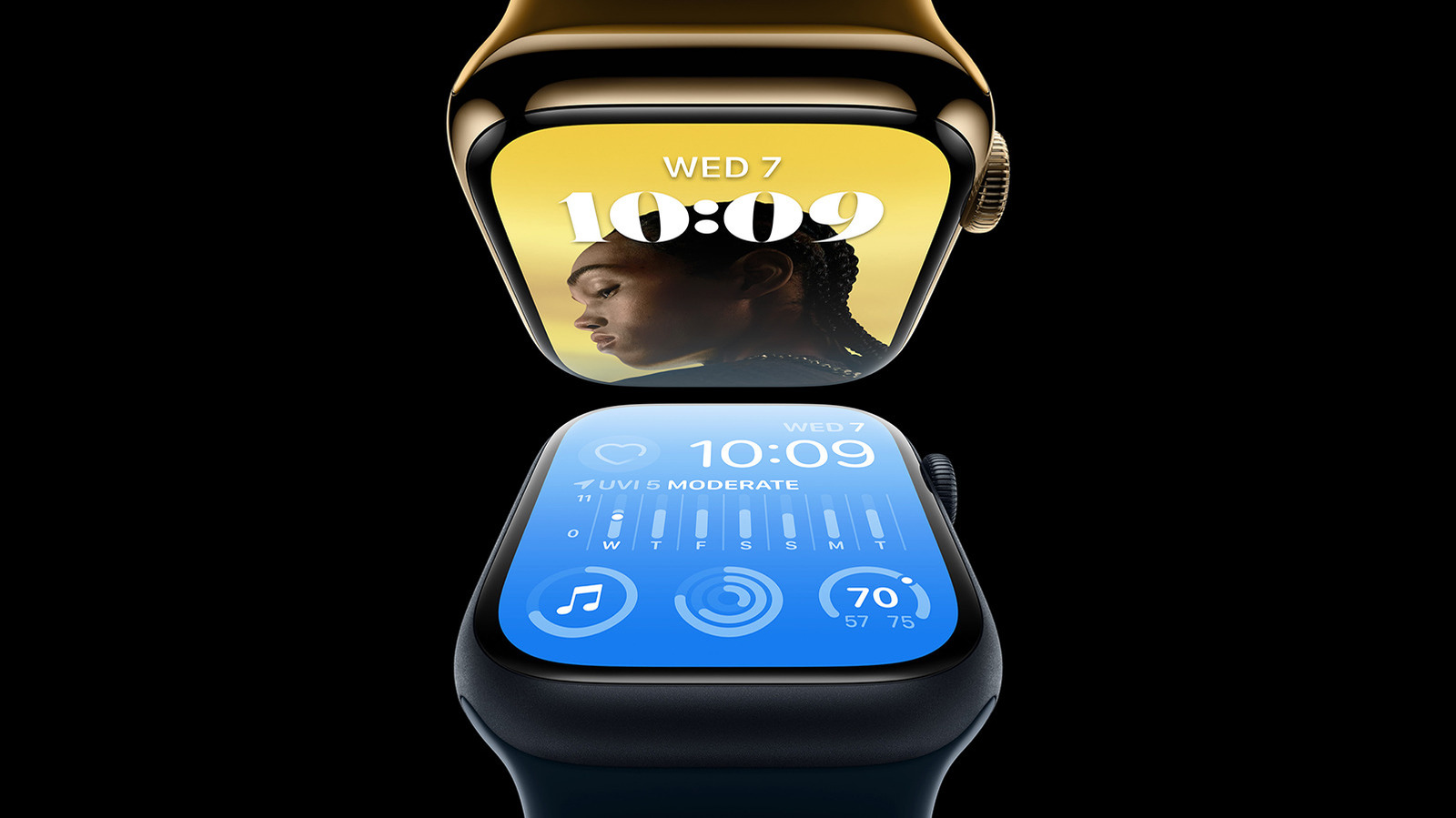
The first-generation Apple Watch unlocked a slew of health-tracking features and Apple ecosystem advantages, laying the groundwork for what would become the most popular smartwatch globally. The latest from Apple offers a bezel-free experience, a host of advanced sensors, and things you didn’t realize your Apple Watch could even do. Pricing starts at $400 for the GPS-only variant, but you can pick up a model with cellular connectivity for $100 more. The Apple Watch Series 11 is the best smartwatch you can buy, according to Consumer Reports. It can act as an independent tracker if you’re going to the gym or for a quick run and don’t want to bring your iPhone along.
Apple releases a new generation of the Apple Watch each year, and although major year-over-year changes are rare, the improvements do stack up over the course of a few generations. The pricier Apple Watch Ultra 3, with its rigid body and beefier battery, is recommended for power users and athletes. For those looking to slip into the Apple ecosystem, the Apple Watch SE 3 remains the most affordable current-gen smartwatch that the company sells.
That said, you can often pick up older refurbished models of the Apple Watch through third-party retailers like Best Buy. For instance, the Apple Watch Series 8 is available on Amazon in renewed condition for as low as $165. If you’re looking for a functional watchOS experience and don’t mind losing out on a few of the latest extras, it is still a worthy buy in 2026.
Apple Watch Series 8 vs. Series 11
Apple discontinues the previous version of the Apple Watch when it launches a new one — which is why you’ll have a tough time finding brand-new options when shopping for a Series 8 smartwatch. This makes the first big difference between it and the Series 11: the condition of the unit. The refurbished Apple Watch Series 8 might have a few minor scratches on its body and screen, but it shouldn’t come with significant damage. If you’re fine with using a slightly worn smartwatch, it’s hard to beat the value you get here.
The next differentiating factor is the selection of features. Upon comparison, you will find that the Apple Watch Series 8 lacks hypertension and sleep apnea notifications and doesn’t have a water temperature sensor. The Series 11 offers a brighter 2,000-nit display compared to the 1,000-nit panel of the Series 8. Though both models feature an always-on display, you don’t get the wide-angle OLED technology that the Series 10 and newer models ship with. This essentially means the Series 8 will have slightly worse off-axis visibility.
The newer watch is powered by the S10 chip and features twice the storage capacity as the Series 8, which utilizes the S8 chip and comes with 32GB of internal storage. You also get a wrist flick and double-tap gesture with newer models, in addition to the second-generation Ultra Wideband chip that enables Precision Finding for the iPhone. Battery life is better too — up to 24 hours versus 18.
What about the Apple Watch SE 3?
Let’s not forget that Apple also periodically releases a more affordable variant of the Apple Watch. Like the iPhone 17e, the Apple Watch SE 3 cuts back on a few premium offerings to hit a price tag of $250 for the GPS-only model. It actually features an identical OLED display to that of the Apple Watch Series 8. Though it lacks a few features like the ability to take an ECG scan or measure your blood oxygen level, it actually gets you a slew of new additions that the older Series 8 is missing.
This includes the new S10 chip, which enables the wrist flick and double-tap gestures. Also, like the Series 11, the Apple Watch SE 3 lets you access health data straight from your Apple Watch using Siri — something that requires an iPhone with the Series 8 and older models. Once again, you get twice the storage capacity and a speaker that lets you play music directly on your watch.
If you’re comparing the Apple Watch Series 8 and SE 3, know that there’s very little missing between the two — in fact, a newer chip and a more recent release date mean the SE 3 will receive watchOS updates for longer. Pricing-wise, a refurbished Series 8 still beats a brand-new SE 3, but if you’re hesitant to pick up a used smartwatch, the Apple Watch SE 3 is the safer and more sensible buy.

Stephan is the sports journalist for the Maple Grove Report.