JD Power Finds EV Owners Aren’t Taking Advantage Of Money-Saving Features


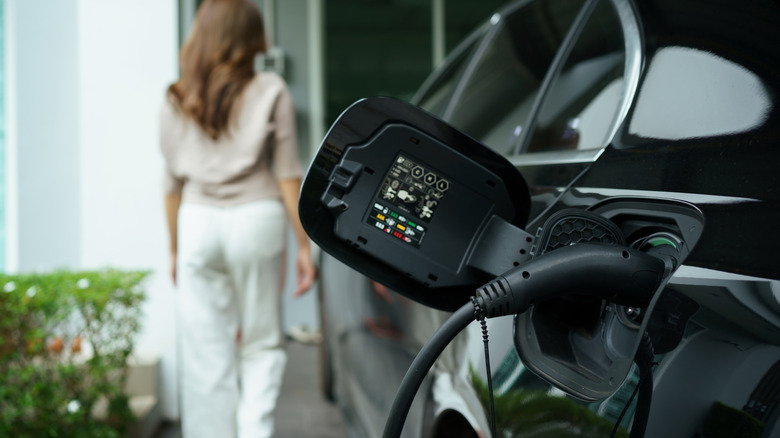
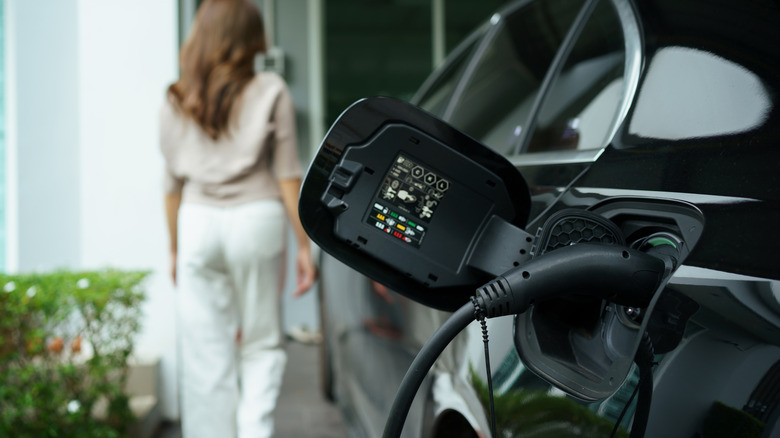
Charging costs are increasing for EV owners, but a recent study by JD Power claims that many owners are not using all the tools at their disposal to reduce their bills. The study found that only 12% of surveyed EV owners used smart charging programs when they charged their cars at home, even though 69% of respondents were aware they existed.

Smart charging can help users cut costs by charging their cars during off-peak hours, with Wi-Fi-connected chargers able to schedule charge cycles to match periods where electricity demand is lower. Vehicle owners benefit from cheaper charging, and power companies can potentially benefit from fewer fluctuations in electricity demand during off-peak hours.

EV owners who don’t have access to smart charging via a home charger can still save money by charging during off-peak hours. According to JD Power, drivers who schedule their car’s charging to take advantage of off-peak rates can save an average of $6 every 30 days, which equates to around $73 per year. Even so, only 38% of the study’s surveyed EV owners said that they always scheduled charging, while 46% said that they never did. The best time of day to schedule EV charging can vary between locations and providers, but overnight charging is often cheaper than charging during the day. It’s worth checking what your supplier considers to be peak hours if you’re on a flexible rate.

Satisfaction varies between regions and charger types
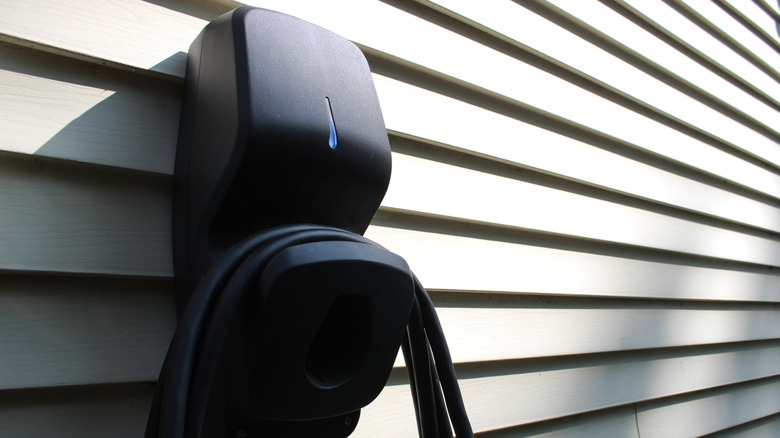
As well as surveying owners on their charging costs, the JD Power study also asked owners how satisfied they were with their current charging setup. Satisfaction levels varied between charger types and regions of the country, with areas where charging costs more seeing a greater number of dissatisfied owners. EV drivers in New England faced both the highest charging costs and the lowest charging cost satisfaction, while drivers in the Mountain region saw the lowest average costs and were happier about current costs.

EV chargers are categorized into various charging levels, and the JD Power study found that owners of more powerful Level 2 chargers are more satisfied than those with Level 1 chargers. That’s despite Level 2 chargers suffering more faults on average, which the study says is due to their added complexity.

The brand of a charger also played a part in determining satisfaction levels, with Tesla chargers seeing the highest levels of satisfaction and Emporia and ClipperCreek chargers in second and third place. Home charging can be a crucial factor in working out whether or not an EV will save money compared to a gas-powered car, but the latest findings suggest that picking the right kind of home charger is also important for overall satisfaction.


Source link

Leave a Reply

Subscribe to Our Newsletter

Get our latest articles delivered straight to your inbox. No spam, we promise.

Recent Reviews


As an ardent, perhaps obsessive, Harry Potter fan, I can’t say I was thrilled when I learned HBO was rebooting the beloved film franchise as a TV show. 

Like millions of other Harry Potter enthusiasts, the books and movies have been a key part of both my adolescence and adulthood, offering a magical refuge from a not-so-dazzling Muggle world. Theme parks, Broadway shows, mega stores and audiobooks have kept the spellbinding story alive not just for my generation, but for younger Potterheads as well. 

But I never thought we’d get an on-screen retelling just a decade and a half after the films wrapped up. What was the point of doing it all again with a brand-new cast, beyond the obvious monetary gain?

Hollywood is stuck in a loop of recycling successful TV shows and movies to make an easy buck. I thought Harry Potter was safe from that phenomenon, at least for a while, given the ongoing relevance of the films. Over the years, I’ve gone to multiple Harry Potter screenings with audiences of all ages, highlighting the franchise’s broad cultural appeal across generations. Surely, there was still room for future generations to take part in something that’s brought us so much joy. 

Despite controversy surrounding author JK Rowling’s views on transgender issues, which run counter to the series’ themes of love, inclusivity and justice, Harry Potter remains a meaningful part of many fans’ lives. Its stories, characters and themes continue to resonate, fostering a sense of connection and belonging for those who have adopted the wizarding world as their own. 

Now, the enchantment of the original films would be supplanted by a shiny new TV franchise. A world that had come to life so vibrantly on screen would be repurposed before the magic had run out. I wasn’t on board with the idea at all.

But recently, something changed. 

As more details began to emerge about the upcoming TV series, I felt myself softening toward the endeavor. Starting later this year, the episodes will be released on HBO and HBO Max over a decade, with each season focusing on one of the seven books for a more in-depth telling of the story than the film adaptations. As much as I love the movies, having more time to delve into side stories and details that didn’t make it on screen the first time doesn’t sound like such a bad idea. 

When HBO dropped the first trailer for Harry Potter and the Philosopher’s Stone this week, I felt a mixture of trepidation and curiosity. Just how familiar — or not — would this reimagined world feel? As I hit play, those feelings quickly gave way to an unexpected excitement. 

In the trailer, we glimpse the loneliness of Harry’s upbringing as he’s tossed in the cupboard under the stairs, reprimanded by his aunt and bullied by his cousin. We hear him lament how little he knew his parents. We see him take in the splendor of Hogwarts with wonder. We watch him light up as he finds joy with new friends. 

The actors playing the golden trio of Harry (Dominic McLaughlin), Ron (Alastair Stout) and Hermione (Arabella Stanton) appear well-suited for their roles, even in the brief glimpses we get of them navigating this enigmatic and enchanting world.

The iconic lightning bolt scar, the calligraphic acceptance letter, the homey Hogwarts Express — it’s all so familiar and yet entirely new. Despite my earlier hesitation, it’s thrilling to be part of this second wave of magic — even if I still see the show as a clear attempt to further profit from a successful franchise. But rather than viewing the TV series as a departure or replacement of the beloved movies, I’m choosing to see it as another way to keep the wizarding world alive through a fresh lens.

If the train is leaving the station, I might as well hop aboard and enjoy the ride. When Harry Potter and the Philosopher’s Stone debuts in December, I’ll be watching, Butterbeer in hand. As Hagrid wisely put it, “What’s comin’ will come, an’ we’ll meet it when it does.”


Source link