
The term “vibe coding” was coined by OpenAI cofounder Andrej Karpathy in February 2025. “It’s not really coding,” he posted on X, “I just see stuff, say stuff, run stuff, and copy paste stuff, and it mostly works.” People immediately saw downsides. One user commented, “LLMs are great for boiler plate but not for innovation or high value systems.” Another remarked, “Not understanding my own code gives me trust issues”.
Getting AI to write code for you is fun, instantly gratifying, and anyone can do it. But it’s not hard to think of downsides. There are the security risks with vibe coding, for one. Plus, as with other professions threatened by AI, vibe coding does away with the entry-level gruntwork that coders traditionally did to master more complex coding skills. Expert human developers are still needed by employers, but it’s harder to find the coding jobs that will get you there.
Another problem has recently come under the spotlight following the publication of a paper titled “Vibe Coding Kills Open Source”. Its authors found that AI is mining existing open source software (OSS) repositories, but it’s not contributing anything new. AI-generated code relies on real human coding examples. Up until now, projects, libraries, and databases have frequently been meticulously documented and shared by developers on places like GitHub. AI coding apps aren’t sharing their workings, and sooner or later, the well of human-created content is going to run dry. AI takes, but it doesn’t give back. One of the paper’s authors Miklós Koren told 404 Media, “Vibe coding is not sustainable without open source. You cannot just freeze the current state of OSS and live off of that.”
Is this the end of open source software?
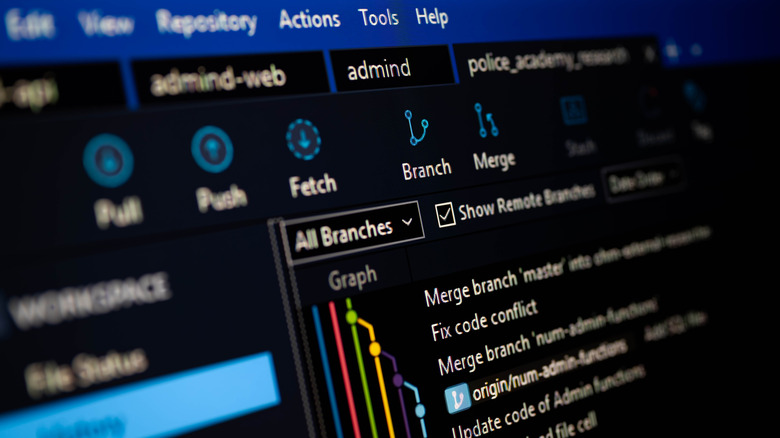
Open source software is freely available for anyone to use. People can adapt it to their needs and collaborate to improve it, fix bugs, and share their knowledge. It’s a community where everyone gains over time, resulting in better software overall. Open-source projects don’t usually make money directly. Instead, maintainers rely on user engagement and views, which can lead to job opportunities and freelance work. When AI intermediates everything, those benefits disappear. Vibe coders don’t see the developers who put the work into the OSS. As the paper puts it, vibe coding “weakens the user engagement through which many maintainers earn returns.”
Instead of directly using libraries, vibe coders rely on AI tools to find relevant packages, combine them into working systems, and automatically modify code. In many cases, the developer doesn’t even know which open-source components were used, so there’s very little motivation for people to continue contributing. Vibe coding increases OSS usage but decreases engagement, which is what makes it work in the first place.
AI coding tools are boosting productivity, but the cost may make it unsustainable. According to the paper, AI reduces development costs by about 10-12%, but OSS maintainers could lose up to 70% of their revenue. In other words, the efficiency gains are far too small to offset the income loss. Its authors conclude that traditional open-source models won’t survive and have suggested a Spotify-like model instead, where AI tools pay OSS maintainers based on usage. The tech to make this work already exists, but the real challenge would be getting AI companies on board. However, it might be in their best interests to do so. As Koren says, “If OSS collapses, vibe coding will go down with it.”

Stephan is the sports journalist for the Maple Grove Report.