
Few companies have been as aggressively all-in on AI as Microsoft, and Windows users have borne the brunt of Redmond’s AI tunnel vision. The company has shoehorned Copilot, its generative chatbot (essentially a glorified ChatGPT wrapper), into ever more corners of the operating system over time, offering its ostensible help to users. However, a backlash has emerged from users who feel that the company’s AI priorities are hamstringing the Windows experience. With a Windows 11 experience defined for many by botched updates and bloated system overhead, it’s hard to blame users for derisively dubbing the company “Microslop.”
At first, Microsoft thrashed against the turning tide, with CEO Satya Nadella begging for users to stop calling AI “slop” and the company’s AI head feigning incredulity at the notion that users would reject Copilot and other AI tools. But as it became clear that user complaints represented a growing trend rather than growing pains, that tune changed. In the past several weeks, Microsoft has seemed to sense the state of emergency around Windows, especially with Linux seeing record growth.
Already, Microsoft has begun stripping Copilot branding from several apps and is reportedly working on major improvements to Windows 11 for deployment in later updates. Here’s what’s happened so far, and which improvements are in the works for the world’s most popular desktop operating system.
Windows’ Copilot pullback is part of Microsoft’s broader Windows 11 improvement push
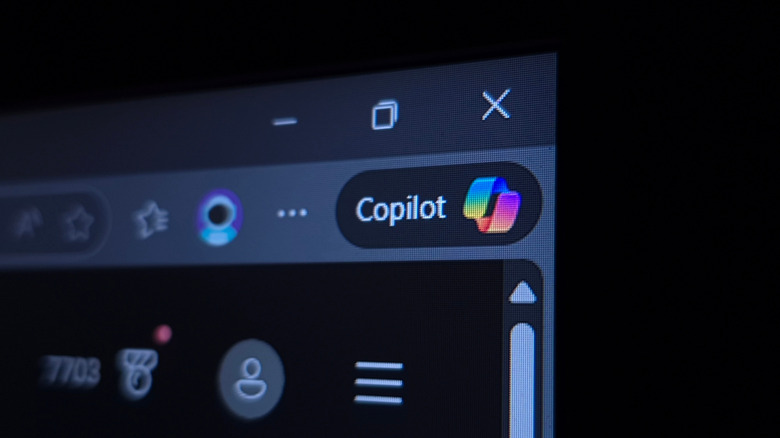
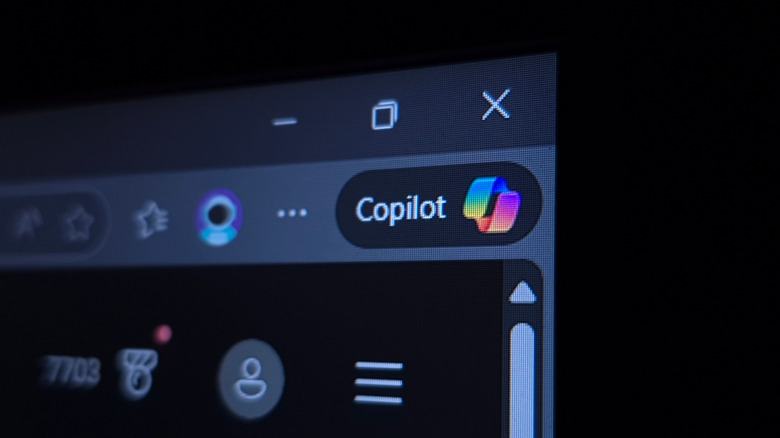
One sign of Microsoft’s pivot is the removal of the Copilot button from Notepad in a recent Windows preview build. Notepad should be a simple app with a simple function; adding Copilot not only irked users due to unnecessary bloat but also led to an alarming security issue that allowed attackers to remotely execute scripts on a target device.
That said, while the Copilot button was stripped from the app in early April, the AI menu itself was not. The Copilot logo was merely replaced with a more generic AI writing tools button, with AI functionality remaining unchanged. This suggests Microsoft still wants users to engage with AI but understands the Copilot brand is becoming toxic through overexposure. Copilot buttons have also been stripped from Snipping Tool and Photos.
A slew of shakeups in Microsoft’s senior leadership have prompted questions from analysts but seem to suggest shifting priorities as the AI industry struggles to turn a profit despite record levels of spending and capital investment. With AI no longer a sure winner, Microsoft looks to be recalibrating on the fly. Among other changes to Windows will be the restoration of legacy taskbar functionality like repositioning to other sides of the screen, as well as efforts to make Windows Update less intrusive. There are also imminent improvements coming to the often-unresponsive File Explorer, which has been sluggish and prone to visual glitches for many Windows 11 users.
An Apple a day keeps Windows at bay
It’s hard not to notice that Microsoft’s sudden about-face on AI in Windows comes not only after many months of bad press generated by its own poor handling of the platform, but, perhaps more importantly, follows on the heels of Apple’s MacBook Neo. MacOS has long been the only rival to Windows in the high-end laptop market, so the existence of a budget MacBook is a massive threat to Microsoft and makers of affordable Windows machines. Apple’s vertical supply chain integration has allowed it to create a premium experience at the low end of the market, possibly tempting budget buyers to ditch PCs for MacBooks.
Speaking of Apple, it has notably been the least eager to jump on the AI bandwagon. Its planned Apple Intelligence suite has been relegated to a few, generic tools, and its decision to strike a deal with Google to revamp Siri with Gemini under the hood makes it the only MAMAA company without a proprietary AI foundation model. As Microsoft’s Windows 11 debacle proves, users would vastly prefer an operating system that, to crib a phrase, “just works” rather than one overflowing with AI features.
Microsoft’s job is now to ensure that the owner of a brand-new Windows 11 laptop, especially a budget model, doesn’t have to endure sluggish performance, relentless advertisements, and AI bloatware. The company has managed to dig itself out of similar user relations nightmares in the past, most notably after the backlash to Windows Vista and Windows 8, but it remains to be seen how well it can do so this time.

Stephan is the sports journalist for the Maple Grove Report.