Microsoft is making the Insider Program less complicated.
Beta channel will be a more reliable preview of the next retail release.
Other changes will allow testers to quickly enable/disable new features.
Last month, Microsoft took official notice of its customers’ many complaints about Windows 11. Pavan Davaluri, the executive vice president who runs the Windows and Devices group, promised sweeping changes to Windows 11. Today, the company announced the first of those changes in a post authored by Alec Oot, who’s been the principal group product manager for the Windows Insider Program since January 2024.
Those changes will streamline the Insider program, which has lost sight of its original goals in the past few years. (For a brief history of the program and what had gone wrong, see my post from last November: “The Windows Insider Program is a confusing mess.”)
If you’re currently participating in the Windows Insider Program, these are meaningful changes. Here’s what you can expect.
Simplifying the Insider channel lineup
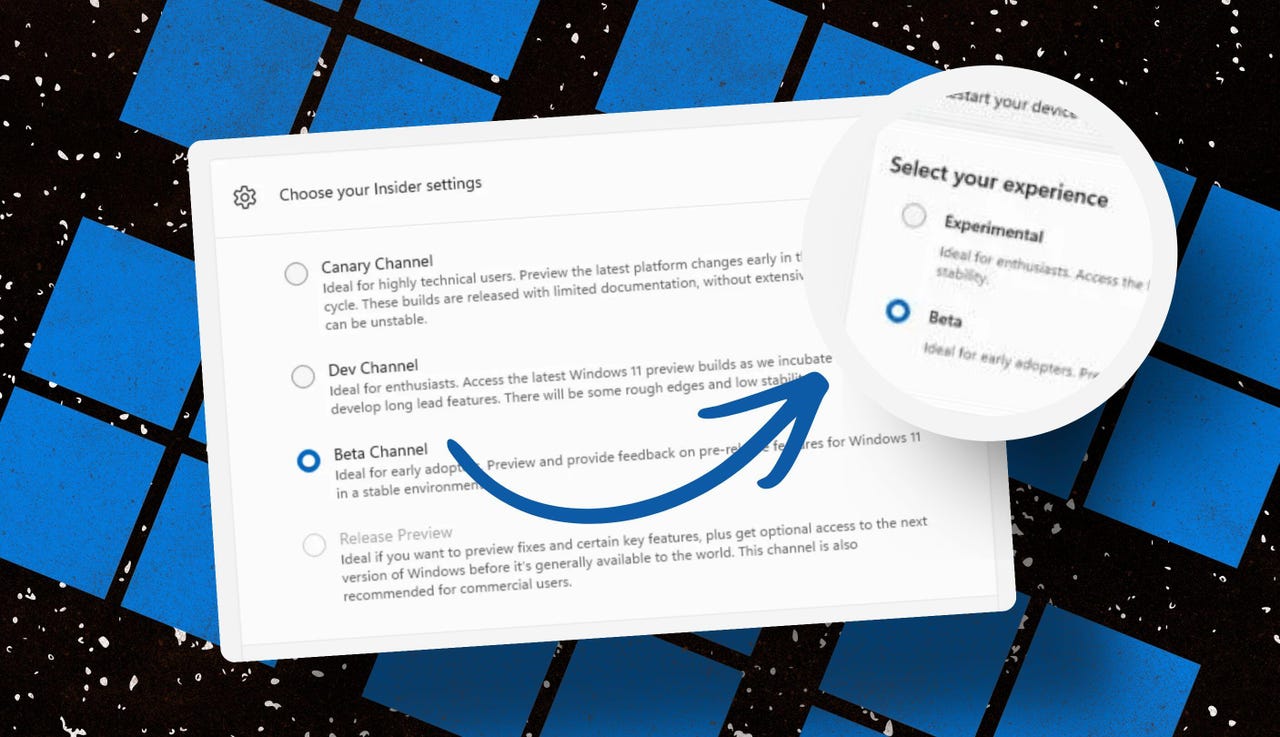
Throughout the Windows 11 era, signing up for the Insider program has required choosing one of four channels using a dialog in Windows Settings. Here’s what those options look like today on one of my test PCs.
The current Insider channel lineup is confusing, to say the least.
Screenshot by Ed Bott/ZDNET
Which channel should you choose? As the company admitted in today’s post, “the channel structure became confusing. It was not clear what channel to pick based on what you wanted to get out of the program.”
The new lineup consists of two primary channels: Experimental and Beta. The Release Preview channel will still be available, primarily for the benefit of corporate customers who want early access to production builds a few days before their official release. That option will be available under the Advanced Options section.
This simplified lineup is easier to follow. Beta is the upcoming retail release, Experimental is for the adventurous.
Screenshot courtesy of Microsoft
Here’s Microsoft’s official description of what’s in each channel now, with the company’s emphasis retained:
Experimental replaces what were previously the Dev and Canary channels. The name is deliberate: you’re getting early access to features under active development, with the understanding that what you see may change, get delayed, or not ship at all. We’ve heard your feedback that you want to access and contribute to features early in development and this is the channel to do that.
Beta is a refresh of the previous Beta Channel and previews what we plan to ship in the coming weeks. The big change: we’re ending gradual feature rollouts in Beta. When we announce a feature in a Beta update and you take that update, you will have that feature. You may occasionally see small differences within a feature as we test variations, but the feature itself will always be on your device.
These changes will apply to the Windows Insider Program for Business as well.
Offering a choice of platforms
For those testers who want to tinker with the bleeding edge of Windows development, a few additional options will be available in the Experimental channel. These advanced options will allow you to choose from a platform that’s aligned to a currently supported retail build. Currently, that’s Windows 11 version 25H2 or 26H1, with the latter being exclusively for new hardware arriving soon with Snapdragon X2 Arm chips.
There will also be a Future Platforms option, which represents a preview build that is not aligned to a retail version of Windows. According to today’s announcement, this option is “aimed at users who are looking to be at the forefront of platform development. Insiders looking for the earliest access to features should remain on a version aligned to a retail build.”
The Future Platforms option is the equivalent of the current Canary channel
Screenshot courtesy of Microsoft
Minimizing the chaos of Controlled Feature Rollout
Last month, I urged Microsoft to stop using its Controlled Feature Rollout technology, especially for builds in the Beta channel. Apparently, someone in Redmond was listening.
One of the most common questions we receive from Insiders is “why don’t I have access to a feature that’s been announced in a WIP blog?” This is usually due to a technology called Controlled Feature Rollout (CFR), a gradual process of rolling out new features to ensure quality before releasing to wider audiences. These gradual rollouts are an industry standard that help us measure impact before releasing more broadly. But they also make your experience unpredictable and often mean you don’t get the new features that motivated many of you to join the Insider program to begin with.
Moving forward, Insider builds in the Beta channel will no longer suffer from this gradual rollout of features. Meanwhile, the company says, “Insiders in the Experimental channel will have a new ability to enable or disable specific features via the new Feature Flags page on the Windows Insider Program settings page.”
Builds in the Experimental channel will include the option to turn new features on or off.
Screenshot courtesy of Microsoft
Not every feature will be available from this list, but the intent is to add those flags for “visible new features” that are announced as part of a new Insider build.
Making it easier to change channels
The final change announced today is one I didn’t see coming. Historically, leaving the Windows Insider Program or downgrading a channel (from Dev to Beta, for example) has required a full wipe and reinstall. That’s a major hurdle and a big impediment to anyone who doesn’t have the time or technical skills to do that sort of migration.
Beginning with the new channel lineup, it should be easier to change channels or leave the program without jumping through a bunch of hoops.
To make this a more streamlined and consistent experience, we’re making some behind the scenes changes to enable Insider builds to use an in-place upgrade (IPU) to hop between versions. This will allow in most cases Insiders to move between Experimental, Beta, and Release Preview on the same Windows core version, or leave the program without a clean install. An IPU takes a bit more time than your normal update but migrates your apps, settings, and data in-place.
If you’ve chosen one of the future platforms from the Experimental channel, those options don’t apply. To move back to a supported retail platform, you’ll need to do a clean install.
The upshot of all these changes should make things a lot clearer for anyone trying to figure out what’s coming in the next big feature update. Beta channel updates, for example, should offer a more accurate preview of what’s coming in the next big feature update, so over the next month or two we should get a better picture of what’s coming in the 26H2 release, due in October.
When can we start to see those changes rolling out to the general public? Stay tuned.
Do you ever wake up in the morning still feeling exhausted, causing you to wonder if you truly got a good night’s sleep? You may then go about your day feeling just as tired as you were the night before. Getting enough sleep every night is extremely important for your body’s overall health and is just as important as eating well, exercising regularly, and staying hydrated. Without adequate rest, your physical and mental health will suffer, as sleep impacts your mood, energy levels, and even your body’s immune system.
Unfortunately, there is no one-size-fits-all formula for how much sleep a person needs to feel well-rested, as various factors play into the amount required for optimal health. However, some guidelines are available to help you achieve better sleep. Keep reading to discover how much sleep you really need and some practical tips to improve your sleep quality.
Why Sleep Is Essential for Your Health
Sleep is a vital part of both physical and mental health as well as everyday life. In fact, Reproductive Biology and Endocrinology reports that the average person will spend a third of their life sleeping. Take a look at how sleep affects all aspects of health.
Mental and Cognitive Health
Good quality sleep plays a role in many functions of the body that affect mental and cognitive health. For example, proper sleep helps support healthy brain functions, allowing you to concentrate on your daily tasks while giving you the mental clarity to do so. It also improves the way nerve cells communicate with each other. The opposite is also true – when your body lacks sleep, focus and response time slow down, and the brain is unable to build or retain memories.
Physical Health
Getting the proper amount of sleep also plays a part in physical health. In fact, according to the CDC, studies have shown that a lack of sleep can impact the immune system in a variety of ways, which can later lead to the development of certain disorders. Individuals experiencing inadequate sleep are more likely to get sick, as fewer natural immune cells are produced. The CDC found that approximately 72% of immune cells are produced during a full night of sleep, but those with less sleep produced well below this quota.
Sufficient sleep also impacts the body’s hormonal balance as it is released following the individual’s circadian rhythm or the sleep-wake cycle. Women can experience greater disturbances in sleep because of hormonal changes, such as during a menstrual cycle, pregnancy, or menopause. Insufficient sleep can affect the levels of the estrogen and progesterone hormones while also slowing down the thyroid and impeding metabolism. Finally, losing sleep can also increase the production of inflammatory cytokines, which can lead to cardiovascular and metabolic issues.
As you can see, hormone imbalances caused by inadequate sleep can negatively affect your health. When this occurs, hormone replacement therapy may be necessary.
How Much Sleep Do I Need?
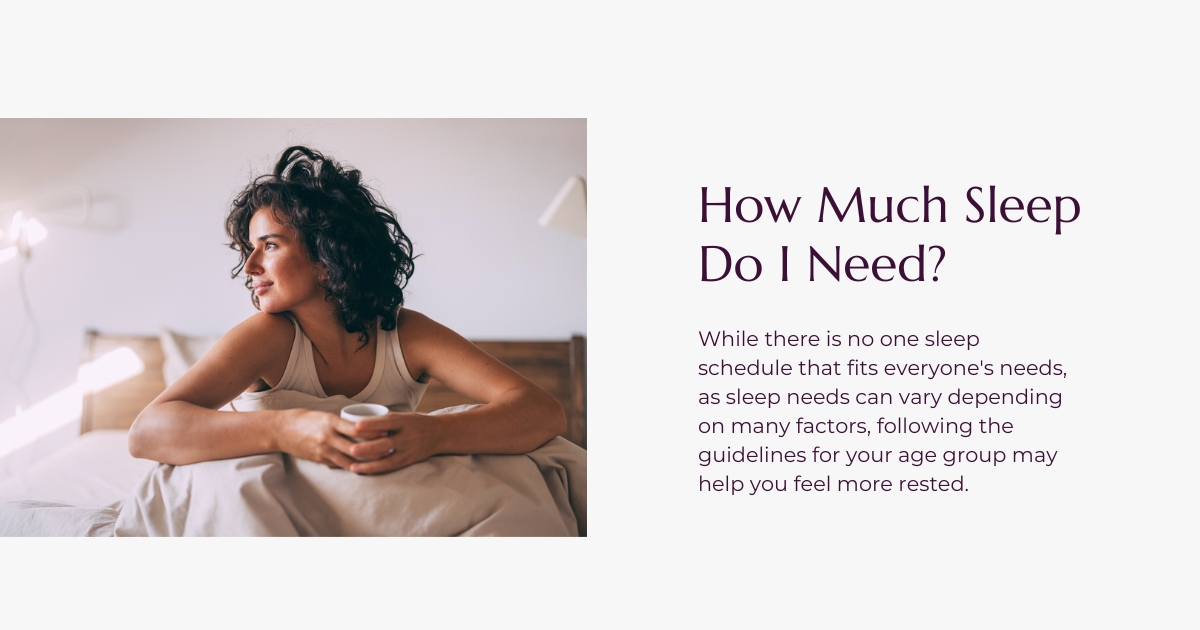
If your constant sleepiness is beginning to affect your physical and mental health, it’s time to begin determining how much sleep you truly need. While there is no one sleep schedule that fits everyone’s needs, as sleep needs can vary depending on many factors, following the guidelines for your age group may help you feel more rested.
Here are the most current sleep recommendations by age:
Newborns (0-3 months) – For the first three months of life, newborns need between 14-17 hours of sleep throughout the day, as they do not typically sleep through the night.
Infants (4-12 months) – Between four and twelve months of age, an infant requires 12 to 16 hours of sleep. This usually includes daytime naps.
Children (1-12 years) – Toddlers and children require between 9-14 hours of sleep during the night and may sometimes need daytime naps.
Teens (13-18 years) – As children become teenagers, they don’t need as many hours of sleep, and between 8-10 hours per night is sufficient.
Adults (18-64 years) – The recommended number of hours of sleep needed each night for adults is between 7 and 9 hours.
Seniors (65+ years) – Sleep is essential to aging gracefully, especially for women. Getting 7-8 hours per night is recommended.
While these amounts are the general recommendations for each age group, every person’s needs will vary. In fact, the number of hours required may evolve and change within these age brackets, depending on current conditions. For example, young children may need more sleep when going through a growth spurt, while older children may need more sleep if they are experiencing hormonal changes. Pregnant women often need more rest, especially when experiencing disruptions in their ability to sleep at night.
Other factors that can impact your need for sleep include your current lifestyle. For example, if you have a particularly busy lifestyle, you may find yourself becoming exhausted during the day even if you do achieve the recommended hours of sleep. Additionally, high stress levels caused by family, work, health, and other factors may leave you feeling tired and in need of more rest.
Signs You’re Not Getting Enough Sleep
Feeling sleepy can be normal as an occasional occurrence after a night of little sleep, but it’s important to watch for signs of sleep deprivation. Even if you seem to be able to function normally on a regular basis while achieving less sleep than recommended, you can still experience negative side effects.
Some of the most common signs that you’re habitually not getting sufficient rest include:
Chronic fatigue
Irritability
Trouble focusing and staying alert
Frequent illness due to a weakened immune system
Sudden weight gain
Increased blood pressure
If you continue to experience insufficient or poor-quality sleep, the above signs can eventually result in long-term issues. The most common issues resulting from the long-term effects of inadequate sleep involve chronic conditions like heart disease and diabetes. Poor sleep can also impact your mental health, resulting in depression. The cognitive impacts of poor sleep mentioned above may leave you with difficulty concentrating on important tasks, which can have dangerous consequences.
Why Should Women Prioritize Healthy Sleep?
According to a study published in Sleep Medicine, women are more likely to experience trouble sleeping and have a higher risk of developing sleep issues such as insomnia. Women are also more likely to struggle with poor-quality sleep, especially when they are experiencing hormonal changes. In addition, a woman going through extreme changes in their hormones due to pregnancy may have even more trouble sleeping due to feeling uncomfortable or frequently waking to urinate. Menopause may also disrupt sleep, as it can cause night sweats or hot flashes.
Unfortunately, for women, poor sleep can be a vicious cycle. Insufficient sleep can disrupt hormone production, as the release of hormones is affected by the circadian rhythm. It may also impact the menstrual cycle by disrupting the hormones used to help regulate sleep, such as melatonin.
How to Improve Your Sleep Quality
There are many ways to achieve better rest and have better health as a result. Below are some tips on how to improve sleep quality.
Stick to a Sleep Schedule
First, it is important to create an optimal sleep schedule. Keep in mind that when you are trying to implement a new habit, consistency is key, so make sure that your new schedule is one that you can follow every night. Start with your desired wake-up time, determine how many hours are ideal for a person your age, and work backward from there. Then, set your bedtime about half an hour before that to give yourself time to wind down and complete your sleep routine.
Develop a Sleep Routine
Determine what will help you to relax and unwind, preparing yourself mentally and physically for sleep. Many women choose to promote relaxation by practicing certain techniques, such as yoga or meditation, before bed, but simply making an effort to empty their mind of any anxieties can be enough.
Consider adding these relaxing activities earlier in the evening to help you release stress before bed:
Journaling before bedtime
Drinking a cup of herbal tea
Reading a book or watching a relaxing television show
Listening to instrumental music
Avoid Nighttime Habits That Worsen Sleep
In addition to partaking in relaxing activities before bed, it’s important to avoid activities or habits that can negatively affect your sleep. Before preparing for bed, make sure to avoid eating heavy meals, as they can keep you awake. Similarly, caffeine and alcohol can disrupt your ability to sleep. Finally, consider disconnecting from social media and ongoing text conversations in the hour leading up to bedtime.
Optimize Your Sleep Environment
Optimizing your sleep environment means that you are creating an environment that promotes sleep. The room should be dark without any distracting lights, which includes ensuring all television screens and smartphones are turned off. Keep the room cool so that you won’t wake up due to feeling too hot or sweating throughout the night. Ensure that you create a peaceful and quiet space, free of any loud or persistent noises; however, for some people, a sleep machine or some kind of white noise, such as a fan, can be soothing.
Address Your Hormones
Remember that hormonal imbalances are a major cause of sleep disturbances. Two primary hormones that have a large impact on your quality of sleep are progesterone and estrogen. These hormone levels can vary widely due to the menstrual cycle, pregnancy, perimenopause, and menopause. If you are looking to regulate your hormone levels, consider seeking treatment from Arizona Gynecology Consultants.
When to Seek Help for Sleep Problems
In many cases, sleep issues can be resolved by implementing a better sleep schedule or trying relaxation techniques before bed, but certain sleep problems require the help of a medical professional.
Common sleep disorders, such as insomnia, sleep apnea, and restless leg syndrome (RLS), typically require medical attention to resolve.
Insomnia – This sleep disorder is marked by difficulty achieving sleep. Chronic insomnia can cause trouble performing normal tasks and mental health issues, and the NHS reports that approximately 1 in 3 adults experience this common condition.
Sleep Apnea – This disorder occurs when a person frequently stops breathing while sleeping, which typically results from blocked airways or the brain failing to control the breathing process properly. Without treatment, the heart can begin to show potentially deadly signs of stress.
Restless Leg Syndrome (RLS) – This disorder is characterized by extreme urges to move the legs while trying to rest, which can make it difficult to fall asleep or stay asleep. Those who suffer from this condition usually feel itching, crawling, or throbbing sensations in the legs, which can be temporarily resolved by moving.
If you know you are experiencing any of the above disorders, it’s crucial to seek medical attention to address them and get a doctor’s help with working toward better sleep.
If you’re unsure whether you need medical assistance, look for the following warning signs that your sleep issues cannot be addressed on your own:
Constant fatigue, even if you have slept a sufficient amount of time the night before
Difficulty staying awake while performing daily tasks, such as driving or reading
Memory issues or trouble concentrating
Waking up frequently in an attempt to regain your breath
In addition, hormone issues may be affecting the quality or quantity of your sleep. If you suspect that a hormone imbalance is causing your sleep disturbances, it is important to consult with a doctor to explore hormone regulation for better quality sleep. Schedule a consultation with Arizona Gynecology Consultants to explore solutions.
Achieve Better Quality Sleep with the Help of Arizona Gynecology Consultants
Getting good quality sleep is vital for your overall health and is as essential as getting enough food and water. For most people, achieving better sleep is possible when you implement healthy sleep schedules, engage in relaxing habits while eliminating those that can cause poor sleep, and ensure that you create an environment that promotes rest rather than distractions. However, for others, these efforts are not enough to achieve healthy sleep patterns.
It’s important to monitor any concerning symptoms that may indicate a sleep disorder. Avoid ignoring warning signs, as continued poor sleep can result in more serious health issues. If you’re experiencing poor sleep that isn’t remedied by better sleep habits, be sure to notify your physician.
Are you struggling to get good quality sleep each night? Don’t let chronic sleep issues and the resulting fatigue or physical and mental health effects continue to negatively impact your life. Contact Arizona Gynecology Consultants to schedule a consultation and develop personalized solutions to improve your sleep and overall health.
*Editor’s Note: This article was originally published May 9, 2017 and has been updated April 24, 2025.
Parthasarathy, S., Vasquez, M. M., Halonen, M., Bootzin, R., Quan, S. F., Martinez, F. D., & Guerra, S. (2012). Persistent insomnia is associated with mortality risk. Sleep, 35(5), 585–592. https://doi.org/10.1016/j.sleep.2012.01.011
Zhou, E. S., Haack, M., Nguyen, J., & Mullington, J. M. (2022). The impact of sleep on mental and physical health. Journal of Clinical Sleep Medicine, 18(2), 509–520. https://www.ncbi.nlm.nih.gov/pmc/articles/PMC8764829/
To provide the best experiences, we use technologies like cookies to store and/or access device information. Consenting to these technologies will allow us to process data such as browsing behavior or unique IDs on this site. Not consenting or withdrawing consent, may adversely affect certain features and functions.
Functional
Always active
The technical storage or access is strictly necessary for the legitimate purpose of enabling the use of a specific service explicitly requested by the subscriber or user, or for the sole purpose of carrying out the transmission of a communication over an electronic communications network.
Preferences
The technical storage or access is necessary for the legitimate purpose of storing preferences that are not requested by the subscriber or user.
Statistics
The technical storage or access that is used exclusively for statistical purposes.The technical storage or access that is used exclusively for anonymous statistical purposes. Without a subpoena, voluntary compliance on the part of your Internet Service Provider, or additional records from a third party, information stored or retrieved for this purpose alone cannot usually be used to identify you.
Marketing
The technical storage or access is required to create user profiles to send advertising, or to track the user on a website or across several websites for similar marketing purposes.