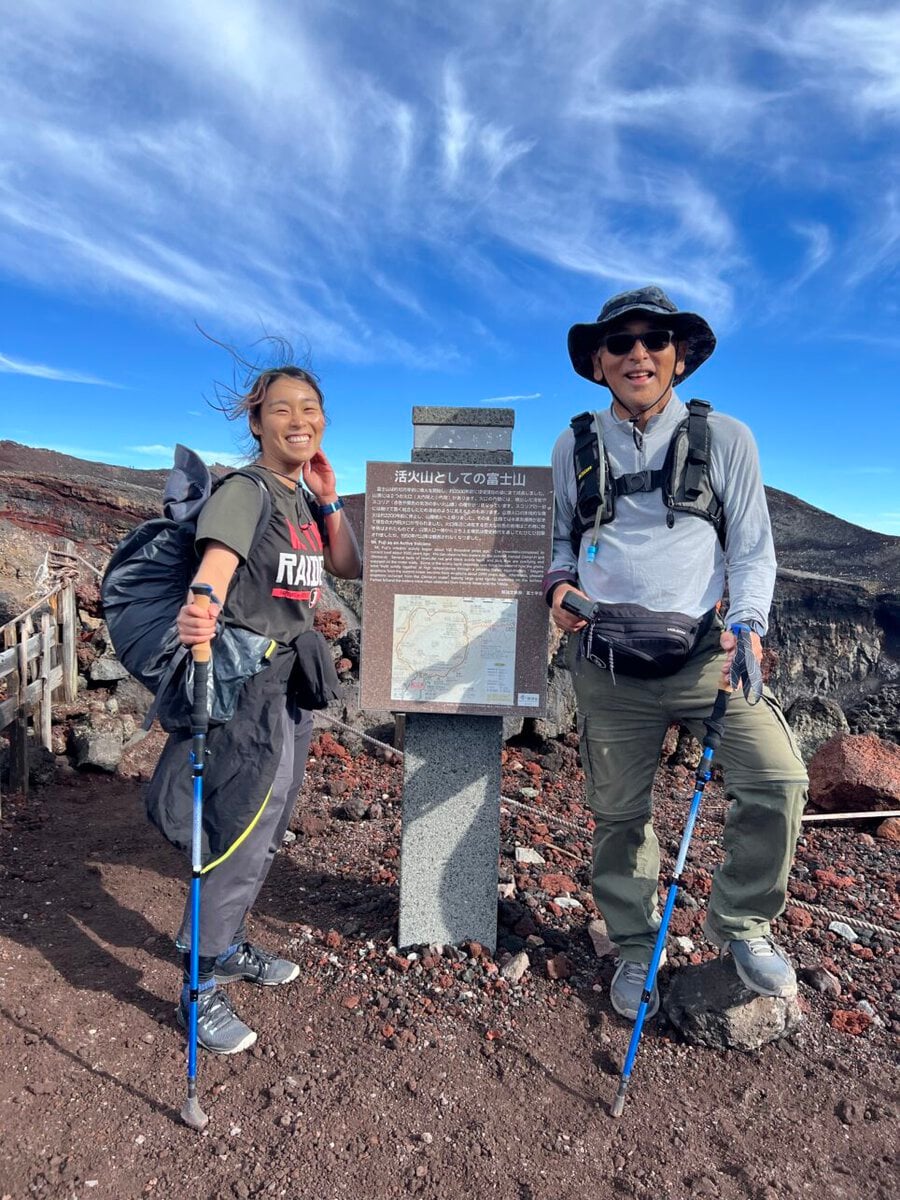

Mount Fuji is one of those mountains that almost everyone recognizes before they ever set foot in Japan.
At 3,776 meters, it is Japan’s highest peak, an active stratovolcano, a UNESCO World Cultural Heritage Site, and one of the world’s most symbolic mountains. For many hikers, reaching the summit for sunrise is a defining goal. But choosing when to climb Mount Fuji is just as important as deciding to climb it in the first place.
Most people climb during the official summer season, when the trails are open, mountain huts are operating, and the mountain is managed for large numbers of hikers. But there is growing interest in Mount Fuji Off-Season ascents, especially in early autumn and spring, when the mountain is quieter, more demanding, and much less forgiving.
This article clearly compares the two experiences: peak season vs off-season, crowds vs solitude, hiking vs mountaineering, and convenience vs commitment. It also explains why climbing with a certified local guide can make a major difference, not only for safety but also for choosing the right route, pace, and season for your experience level.
What does “peak season” mean on Mount Fuji?
The official Mount Fuji climbing season usually runs from early July to early September, with current trail information and entry procedures published through the official Mount Fuji climbing website.
During this window, the four main trails are open:
- Yoshida Trail
- Subashiri Trail
- Gotemba Trail
- Fujinomiya Trail
This is when Mount Fuji is most accessible. Buses run to the 5th station, mountain huts operate, toilets are available, and there is more support on the mountain. For most first-time climbers, families, and travelers visiting Japan on a fixed itinerary, this is the recommended period.
Peak season does not mean easy, though.
Even in summer, Mount Fuji can be cold, windy, crowded, and physically demanding. Summit temperatures can be near freezing, especially at night, and the altitude is high enough to cause headaches, nausea, dizziness, or shortness of breath. The climb may not require technical mountaineering skills in summer, but it is still a serious high-altitude hike.
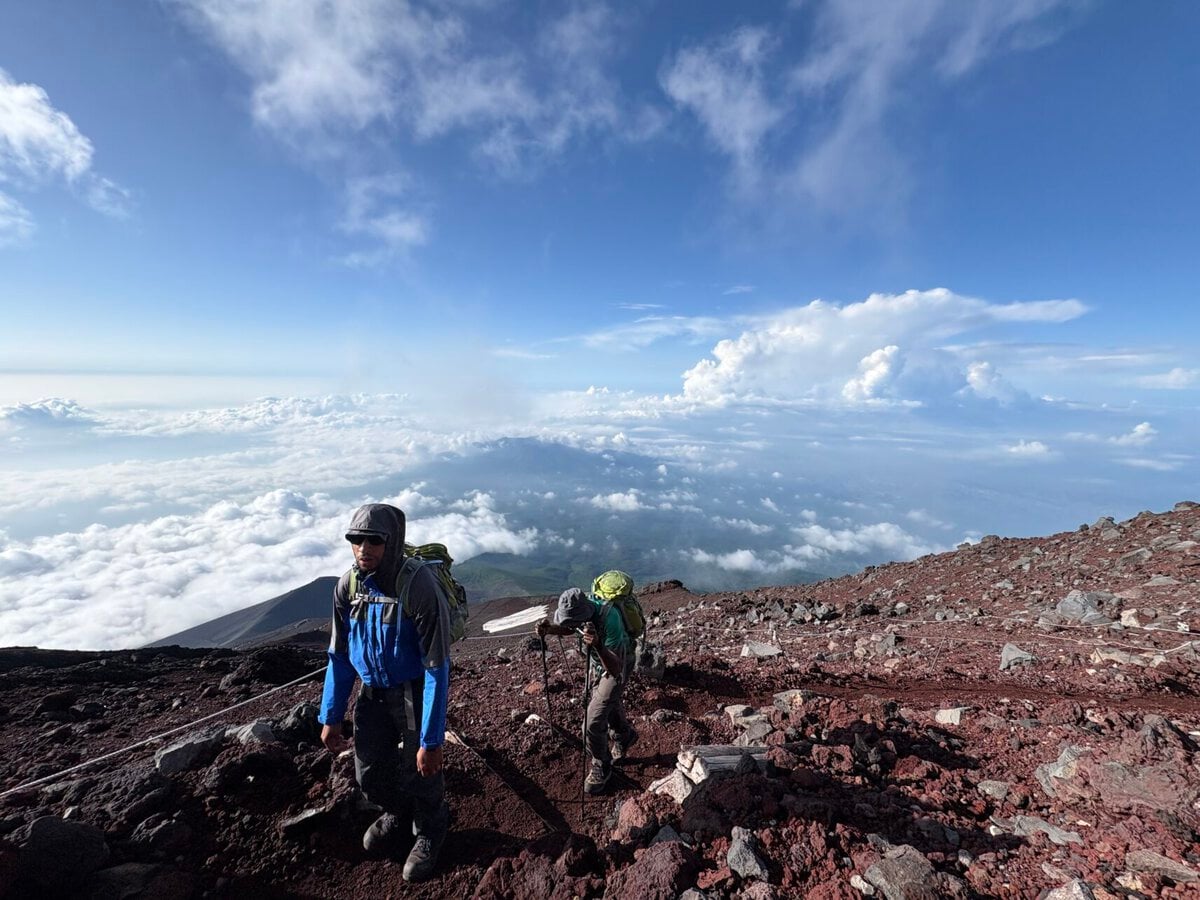
What does Mount Fuji Off-Season mean?
Mount Fuji Off-Season generally refers to any ascent outside the official summer climbing period. In practical terms, this usually means mid-September through late June.
But not all off-season periods are the same.
Early autumn, especially mid-September to mid-October, may still be mostly snow-free in many years. The trails can feel quiet and beautiful, and the mountain has a completely different atmosphere once the summer crowds have left. However, official trails and huts are closed, the weather becomes less predictable, and climbers need to be self-sufficient.
Spring, usually April to June, is a very different proposition. Snow and ice often dominate the upper mountain, turning the ascent into a mountaineering objective rather than a hike. In other words: off-season Fuji is not simply “Fuji with fewer people.” It is a different mountain.
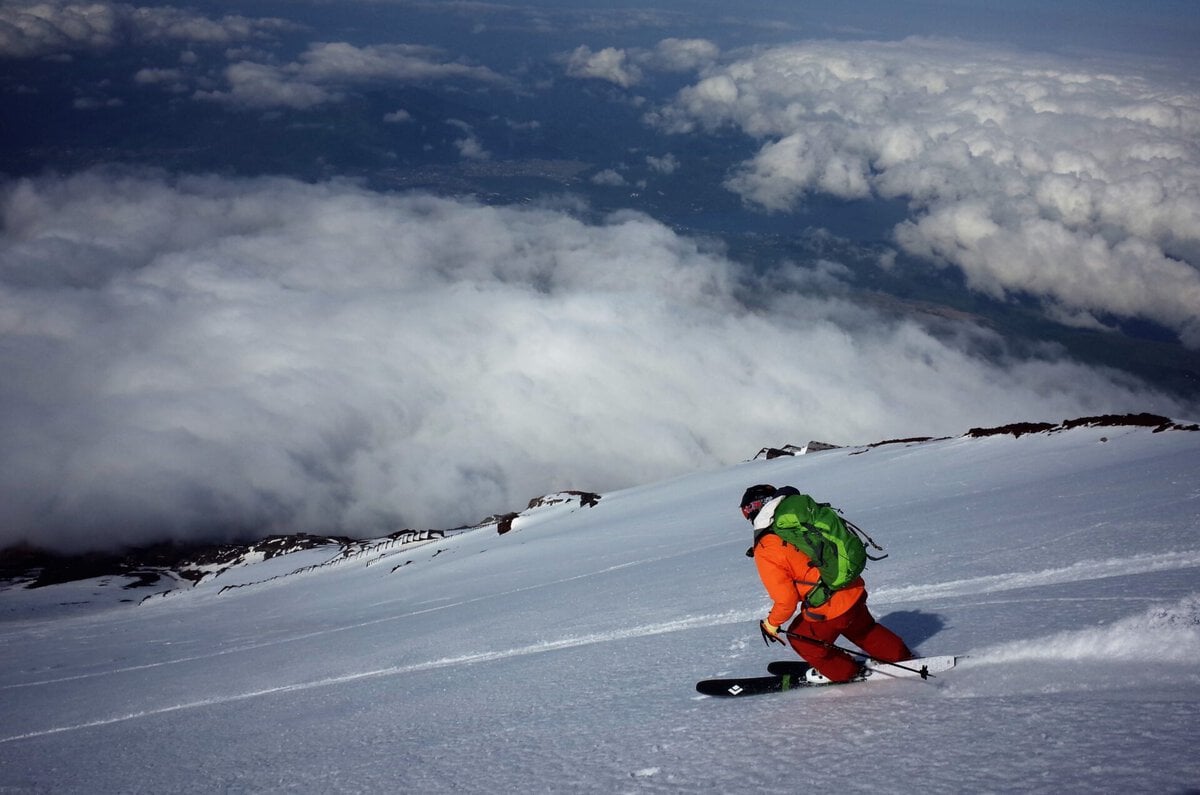
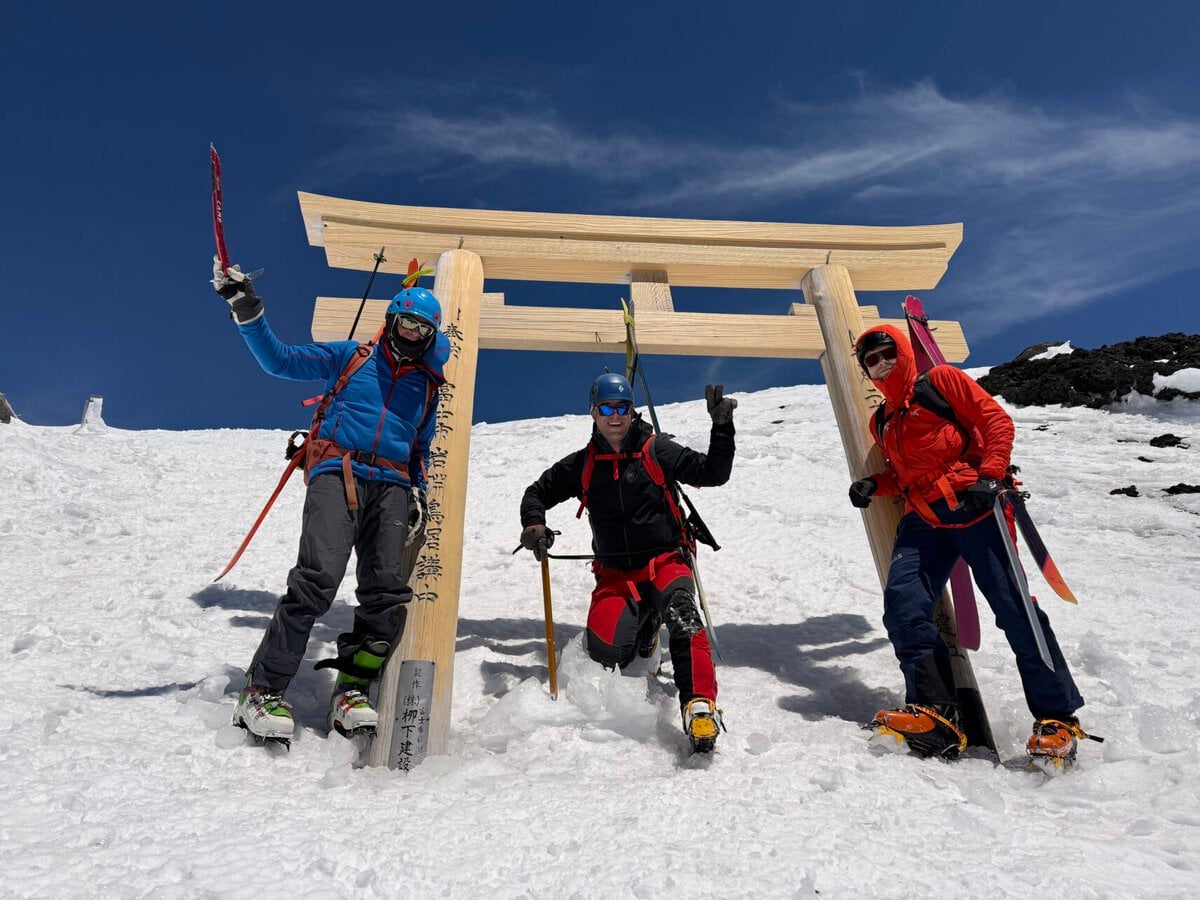
Spring also opens the door to another kind of Mount Fuji adventure: ski mountaineering. Under the right conditions, experienced ski tourers can climb Mount Fuji and ski down from high on the mountain, sometimes even from near the summit area. This is not a resort-style ski experience. It involves an early start, a long ascent, the use of crampons on harder sections, careful snow assessment, and strong downhill skiing ability. The Mt. Fuji ski descent itinerary involves starting at around 2,300 meters and climbing roughly 1,400 vertical meters before the descent.
Peak season on Mount Fuji: the best choice for most hikers
For most people, peak season is the better and safer choice.
The biggest advantage is infrastructure. Mountain huts are open, buses run to the trailheads, toilets are available, and the routes are marked and managed. If you are climbing Mount Fuji for the first time, this support matters more than many people expect.
The Yoshida Trail, the most popular route, is especially well suited to peak-season ascents. It starts at around 2,300 meters and has the highest density of huts, rest points, and services. This makes it the most common choice for first-timers, families, and guided groups.
That said, Yoshida’s popularity is also its main drawback: it is also the most crowded. Because it has the best hut infrastructure, those huts are also usually the first to fill up during busy dates. For this reason, certified guides may recommend other routes, such as Subashiri, Fujinomiya, Gotemba, or a combination of routes, depending on the client’s fitness, previous hiking experience, timing, weather, and crowd tolerance.
This is one of the most overlooked benefits of hiring a certified guide. Instead of becoming too attached to one specific route, you can get a recommendation tailored to your actual profile. A strong first-time hiker may enjoy a quieter alternative to Yoshida. A family may still benefit from Yoshida’s hut density. A fit, experienced hiker may prefer a more demanding but less crowded option. The best route is not always the most famous one.
A typical two-day peak-season climb might look like this:
- Day 1 starts from the 5th station and climbs steadily to a mountain hut. After dinner and a short rest, climbers continue toward the summit during the night or very early morning.
- Day 2 includes the final push to the summit, often for sunrise, followed by a long descent on loose volcanic terrain.
The two-day format is popular because it reduces fatigue and gives the body more time to adjust to altitude. A one-day ascent is possible, but it is more demanding and leaves less room for pacing, rest, or weather changes.
Peak season is also better for travelers who want a more predictable experience. You still need to prepare properly, but the mountain is set up to receive hikers.
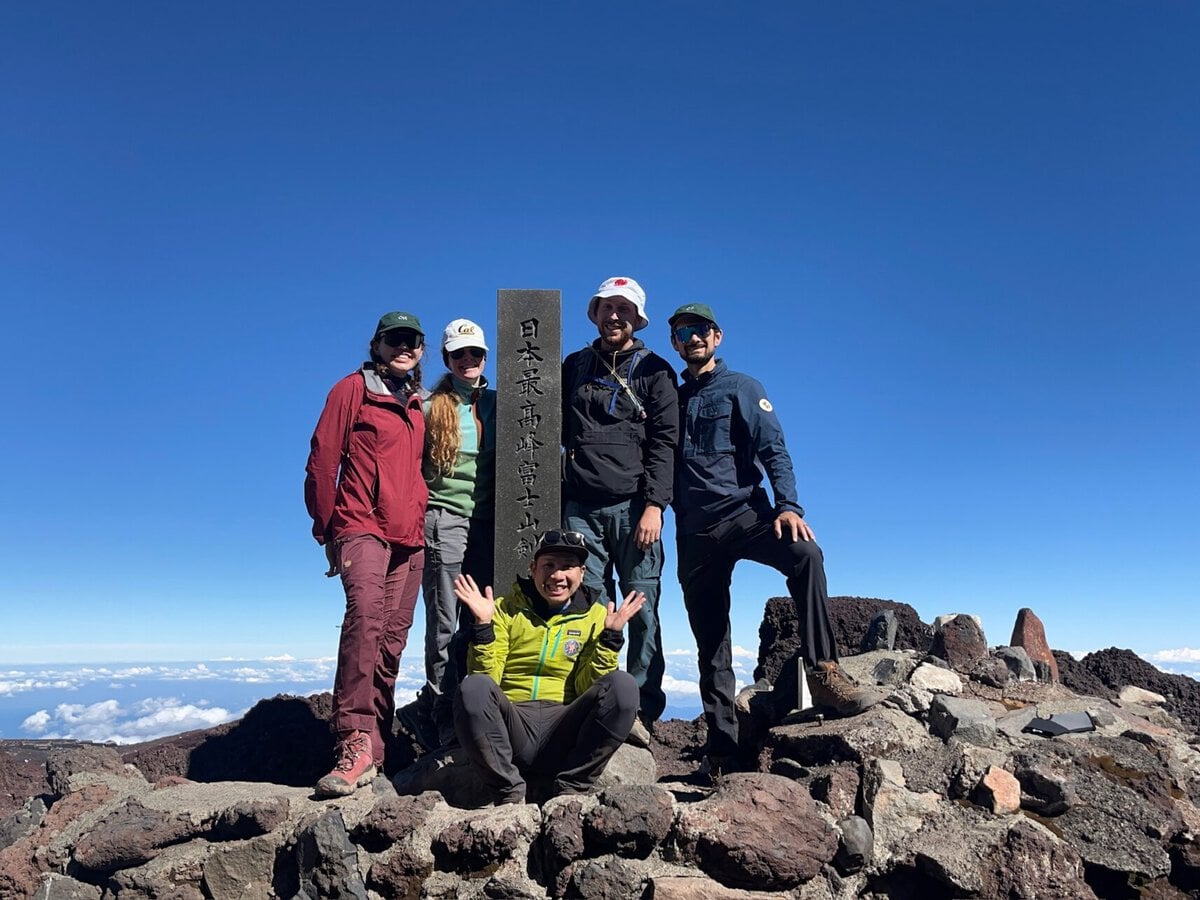
Peak season drawbacks: crowds, queues, and pressure
The obvious downside of peak season is the number of people.
August is usually the busiest period, especially on weekends and around Japan’s Obon holidays in mid-August. Sunrise climbs can feel especially congested, with slow-moving lines of headlamps above the 8th station on popular nights.
Crowds can affect the experience in several ways:
- You may need to book huts well in advance.
- Trail sections can move slowly.
- Rest areas may be busy.
- Buses and transport require planning.
- Summit sunrise can feel crowded rather than peaceful.
Because of overtourism concerns, authorities have introduced stricter rules in recent years. Climbers must pay a mandatory ¥4,000 hiking fee and some trails may require advance booking during the official climbing season.
That does not make peak season a bad choice. It simply means you should plan early, avoid the busiest dates when possible, and choose your route and itinerary carefully.
A guide can help here, too. On crowded dates, route choice, start time, hut location, and pacing strategy can completely change the experience. A certified local guide may suggest avoiding the busiest trail, starting at a different time, or choosing a route that better balances safety, scenery, and crowd levels.
For many hikers, early July or early September offers the best compromise: more infrastructure than in the off-season, but fewer crowds than in peak August.
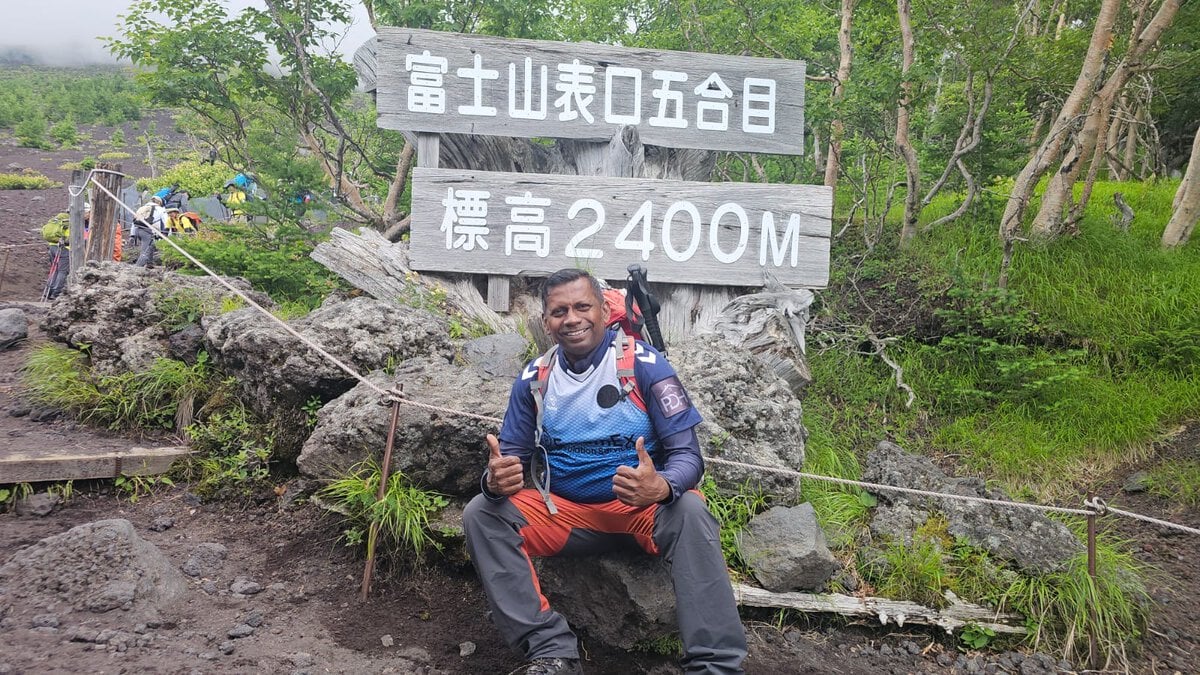
Mount Fuji off-season: why some climbers prefer it
The appeal of Mount Fuji off-season is easy to understand.
The mountain is quieter. The experience feels more personal. The volcanic landscape has a raw, open quality without the constant flow of summer hikers. For experienced mountaineers, off-season Fuji can feel like a real mountain objective rather than a popular hiking route.
Early autumn can be especially attractive. After the official season ends, the lower and middle parts of the mountain may still be free of deep snow. The air is cooler, visibility can be excellent, and the crowds disappear almost overnight.
Spring offers a completely different reward: snow-covered slopes, alpine conditions, and, in some cases, ski mountaineering possibilities. That’s why guided options are strongly recommended, and it’s only appropriate for climbers with the right skills, experience and equipment.
Off-season Fuji is best for people who actively want a more serious challenge and who are willing to approach the mountain with a mountaineering mindset. It is not the right choice simply because flights are cheaper, summer huts are full, or you want to avoid the crowds. Outside the official season, the mountain demands more planning, more equipment, and stronger decision-making.
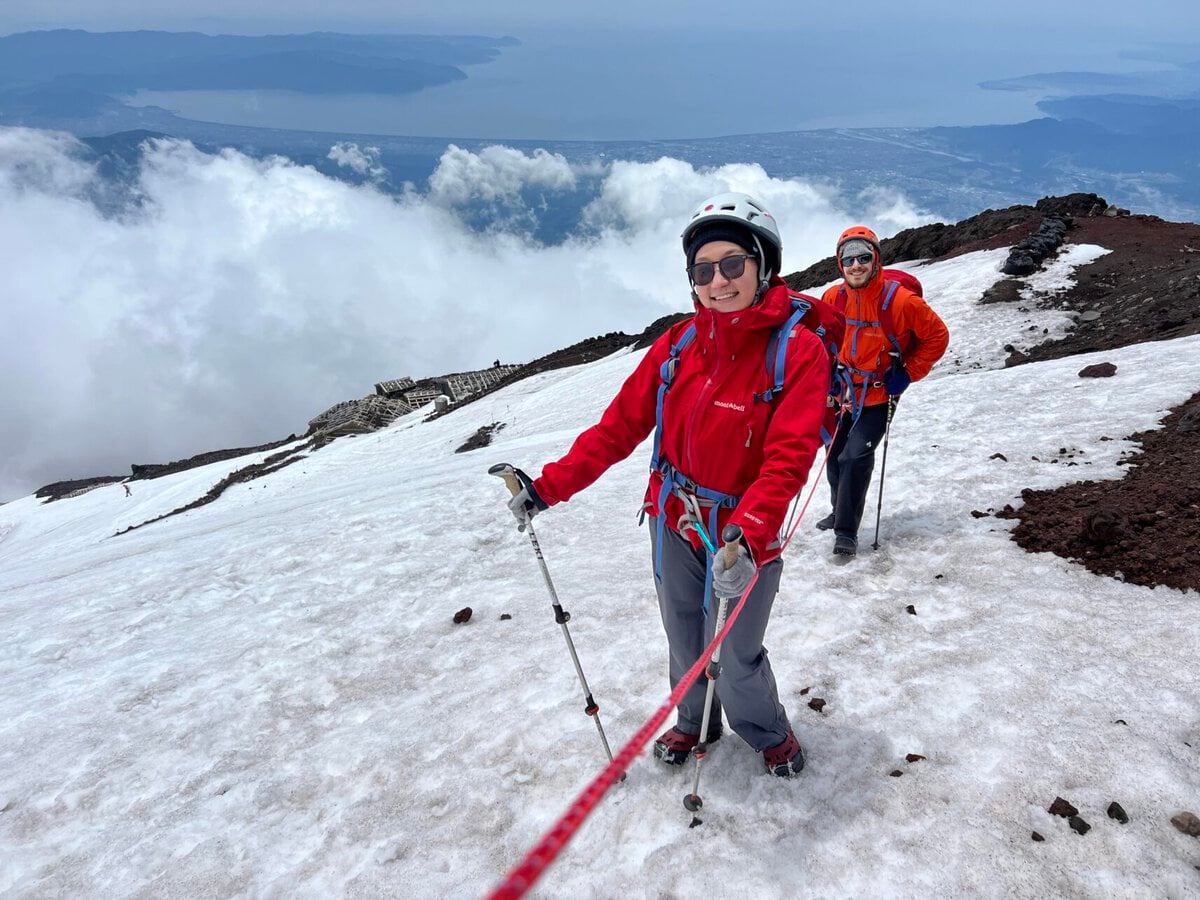
Off-season drawbacks: closed huts, severe weather, and real consequences
The main disadvantage of off-season climbing is that the safety margin becomes much smaller.
When the official season ends, mountain huts close. Toilets may be unavailable. Trail markers can be harder to follow. Public transport may be limited or unavailable to certain 5th stations. Rescue response can be slower or more complicated. Weather windows are less reliable.
In spring and winter-like conditions, the potential risks increase:
- Hard snow and ice
- Strong winds
- Avalanche risk
- Whiteout conditions
- Slips on exposed slopes
- No hut support
- No easy retreat
This is why it is strongly recommended to go with a certified guide for an off-season ascent, even for experienced hikers and mountaineers. Technical skill is only one part of the equation. Local knowledge, current condition assessment, route selection, snow judgment, and conservative turnaround decisions are just as important. Off-season accidents are a real risk on Mount Fuji, with rescues and fatalities reported even among experienced climbers.
That’s why beginners, families, and casual travelers should not treat off-season Fuji as an alternative version of the summer hike.
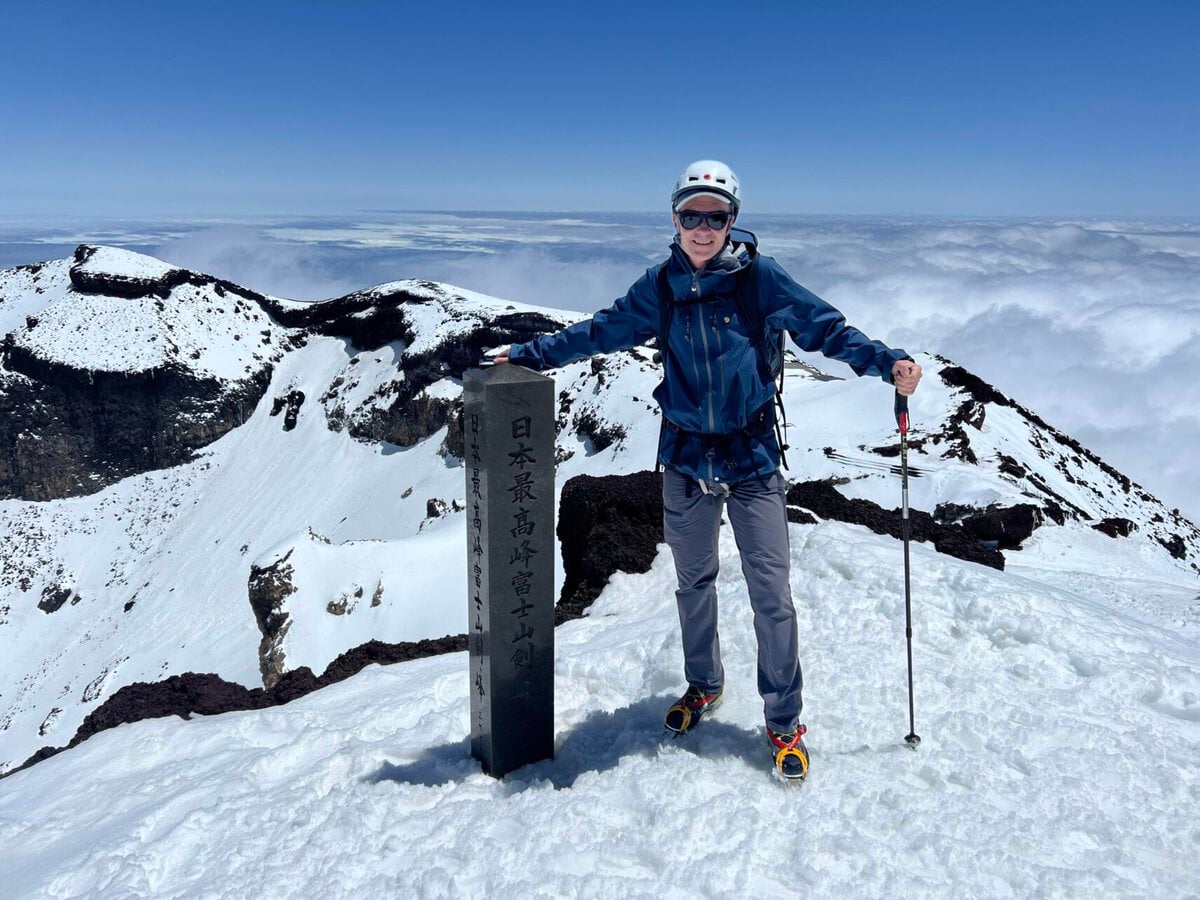
Difficulty: hiking in summer, mountaineering off-season
The biggest difference between peak season and off-season is not the mountain’s height. It is the type of challenge.
In peak season, Mount Fuji is a strenuous hike. The trails are steep, the altitude is noticeable, and the descent can be hard on the knees, but ropes, crampons, or an ice axe are normally not required on the standard routes.
Off-season is different.
In autumn, it may still feel like a remote hike, but one without open huts, summer logistics, or the same level of support. In spring, it becomes a snow and ice climb. Crampons, ice axe, helmet, winter boots, warm technical clothing, and knowledge of snow travel become essential.
This is the key distinction:
Peak season Fuji is a high-altitude hike. Off-season Fuji can be an alpine climb.
That difference should guide your decision more than crowd levels or aesthetics.
For ski descents, the difficulty increases again. Skiers must be able to climb efficiently with skis or splitboard equipment, use crampons when needed, assess snow stability, manage cold and wind, and descend variable volcanic snow in a remote setting. This is a specialized ski mountaineering objective, not simply “skiing on Mount Fuji.”
Which season is better for first-time climbers on Mount Fuji?
For first-time climbers, peak season is better.
The best option is usually a two-day guided ascent, especially via the Yoshida Route. This gives you access to huts, rest points, a manageable pace, and better support if altitude symptoms appear. However, it is also the busiest route, and its huts can sell out quickly. A certified guide can help you decide whether Yoshida is truly the best match or whether another route would offer a better balance of safety, comfort, and crowd avoidance.
A first-time climber should prioritize:
- Stable logistics
- Open huts
- Clear trail conditions
- Reasonable pacing
- Weather flexibility
- A descent plan
- Support with altitude management
Off-season climbs are not ideal for first-timers because they require independent judgment in a harsher environment. Even if the technical difficulty seems low in early autumn, the consequences of poor planning are higher.
If your main goal is to stand on the summit of Mount Fuji and enjoy the experience, choose peak season.
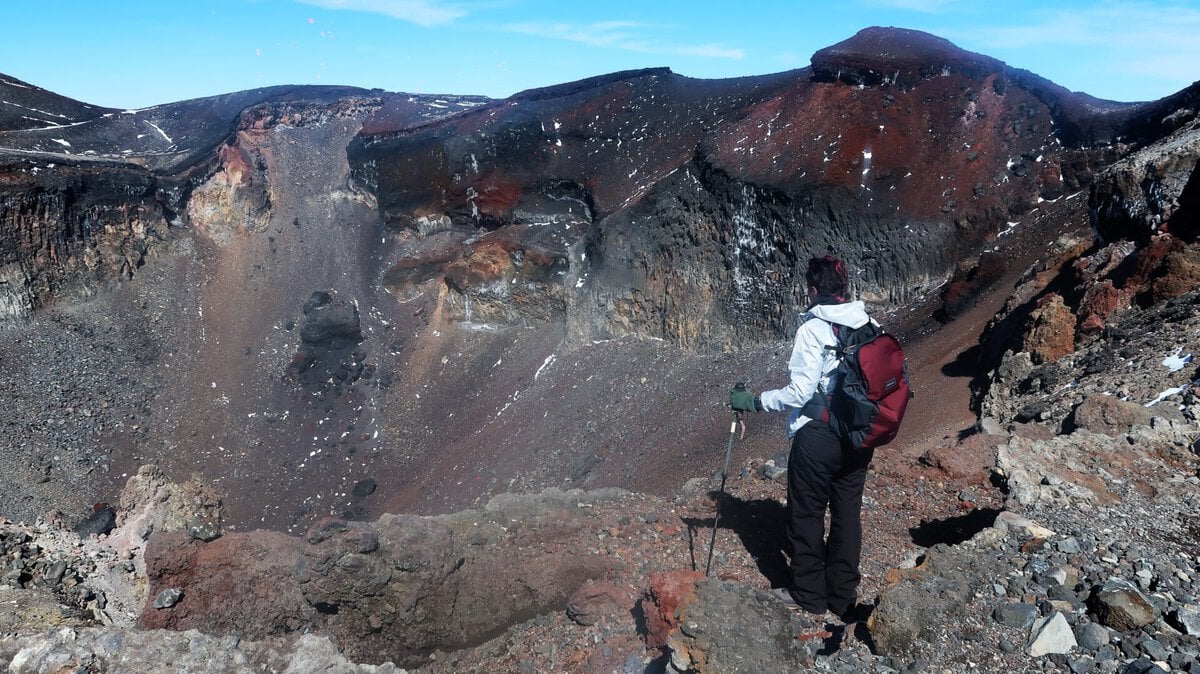
Which season is better for experienced mountaineers?
For experienced mountaineers, Mount Fuji off-season may be more rewarding.
If you already have experience with snow travel, winter layering, route planning, early starts, and conservative turnaround decisions, off-season Fuji can offer a much quieter and more powerful experience.
Spring ascents are particularly interesting for climbers who want a true alpine objective. Depending on conditions, snow ascents and ski descents may be possible, but only with excellent snow assessment and the right weather window.
That said, experience should not become overconfidence. Fuji is exposed, isolated in bad weather, and famous for strong winds. The absence of summer crowds does not mean the mountain is safer. It usually means the opposite. Even experienced mountaineers should strongly consider hiring a certified guide for an off-season ascent, especially if they are unfamiliar with Fuji’s weather patterns, winter access, descent options, and local rescue realities.
When choosing a guide in Japan, look for recognized qualifications such as JMGA certification through the Japan Mountain Guides Association or IFMGA/UIAGM certification for high-mountain and international guiding credentials.
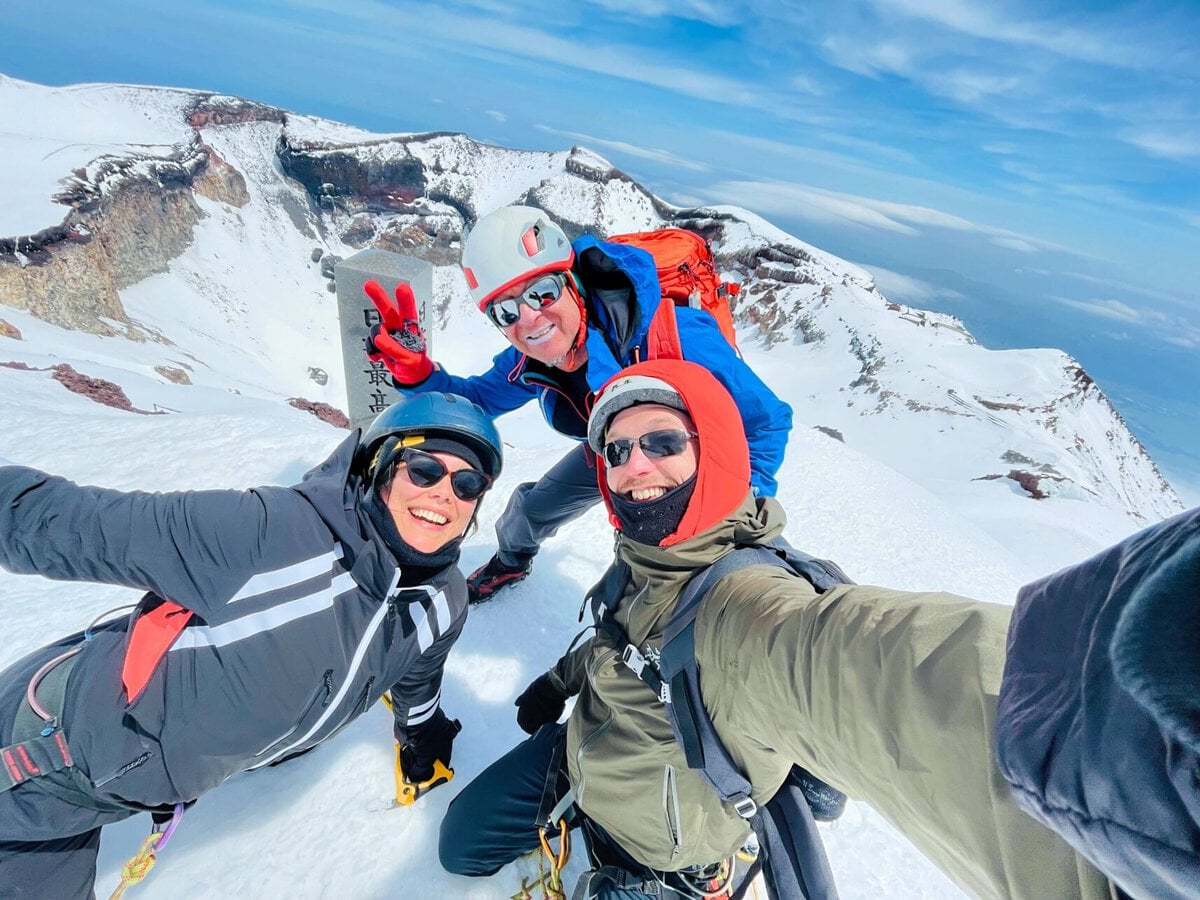
Why climb Mount Fuji with a certified guide?
A certified guide is valuable on Mount Fuji in both the peak and off-seasons, but for different reasons.
In peak season, a guide helps with logistics, pacing, route choice, hut strategy, and crowd management. This is especially useful for first-time climbers, families, mixed-ability groups, and travelers with limited time in Japan. A guide can help you avoid starting too fast, manage altitude symptoms, choose realistic turnaround times, and understand whether Yoshida, Subashiri, Gotemba, Fujinomiya, or a route combination is the best fit.
In the off-season, the role of the guide becomes even more important. The mountain huts are closed, the weather is harsher, snow and ice may cover the route, and mistakes can have severe consequences. A guide brings local knowledge, route judgment, technical skill, and the ability to make conservative decisions before conditions become dangerous.
A certified guide can help with:
- Route recommendation based on fitness and experience
- Weather and condition assessment
- Pacing and altitude management
- Hut and logistics planning in peak season
- Snow, ice, and avalanche judgment in the off-season
- Emergency planning and turnaround decisions
- Avoiding overcrowded routes when appropriate
- Understanding local rules and mountain etiquette
For summer hikers, a guide can make the experience smoother and safer. For off-season climbers, a guide may be the difference between a serious, well-managed ascent and an avoidable rescue situation.
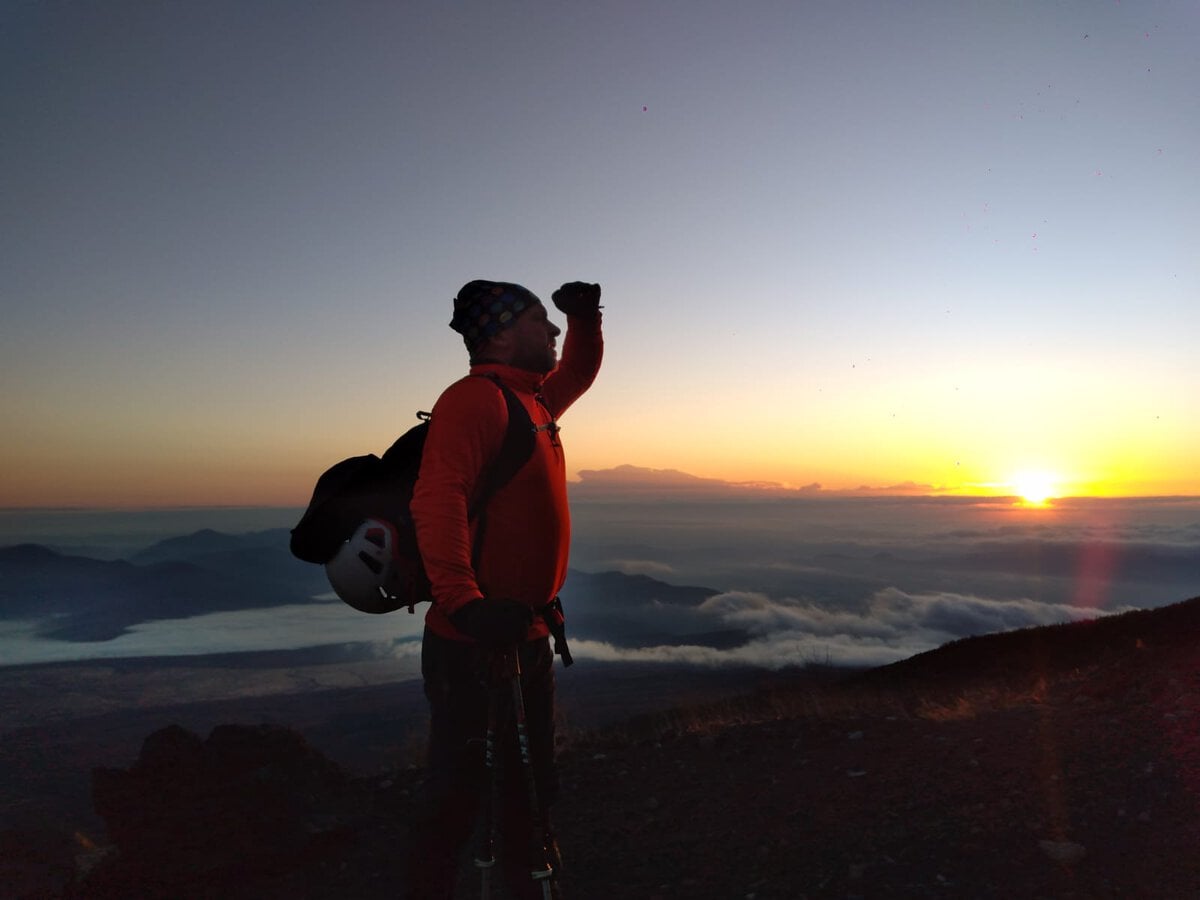
Gear differences: peak season vs off-season
Your gear list changes dramatically depending on when you climb.
For peak season, you need solid hiking equipment:
- Waterproof hiking boots
- Moisture-wicking base layer
- Fleece or light down mid-layer
- Waterproof and windproof shell
- Warm hat and gloves
- Headlamp with spare batteries
- Rain pants
- Trekking poles
- Water and high-energy snacks
- Sunscreen and sunglasses
- Cash for toilets or hut purchases
For the off-season, especially spring, you may also need:
- Crampons
- Ice axe
- Helmet
- Winter boots
- Avalanche safety gear, depending on route and conditions
- Navigation tools
- Emergency shelter
- Heavier insulation
- Full winter gloves
- Goggles
- Knowledge of snow and ice movement
The gear difference reflects the reality of the climb. In summer, you are preparing for cold, wind, altitude, and fatigue. Off-season, you are preparing for all of that plus technical terrain and self-sufficiency.
For spring ski descents, you also need appropriate ski touring or splitboard equipment, ski crampons or boot crampons depending on conditions, avalanche safety equipment when relevant, and the ability to descend variable snow confidently. This should only be attempted with strong ski mountaineering experience and, ideally, a certified local guide.
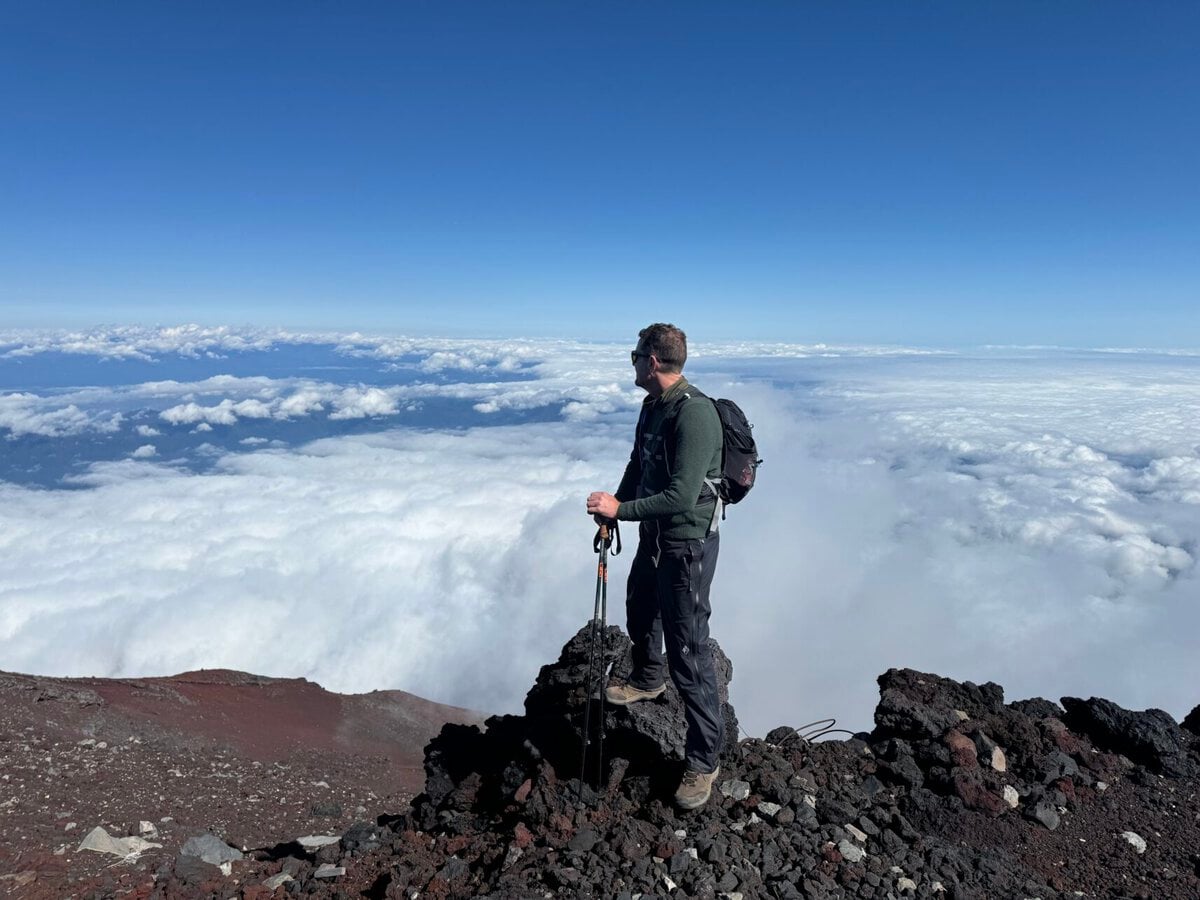
Costs and logistics
Peak-season costs are easier to predict.
You can expect to budget for the mandatory hiking fee, transport to the 5th station, food and water, hut accommodation if climbing over two days, possible gear rental, and guiding if you choose a guided ascent.
Off-season costs can be less straightforward. You may not pay the same hut-related expenses because huts are closed, but you may need specialized gear, private transport, guide services, winter equipment, and more flexible accommodation before and after the climb.
A guided off-season ascent can cost more than a summer hike because the risk management, equipment requirements, and guide responsibility are higher.
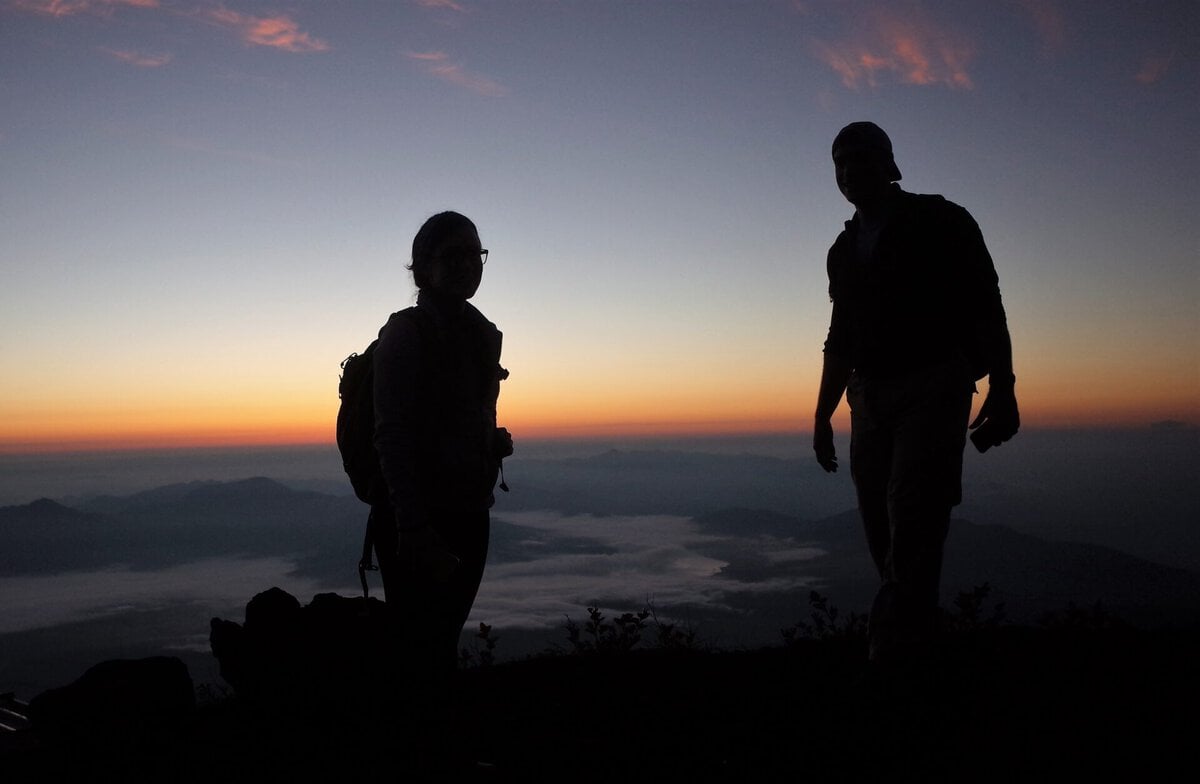
So, which is better for you?
Choose peak season if:
- It is your first time climbing Mount Fuji.
- You want the safest and most supported experience.
- You are traveling with family or less experienced hikers.
- You want access to huts, toilets, buses, and managed trails.
- Your main goal is to reach the summit.
- You prefer hiking over mountaineering.
Choose Mount Fuji Off-Season if:
- You have prior mountaineering experience, including ice axe use, cramponing, and roped travel.
- You are comfortable in cold, exposed conditions.
- You want solitude more than convenience.
- You can manage closed huts and limited services.
- You have snow and ice skills for spring conditions.
For most hikers, peak season is the right answer. For the right climber, off-season can be unforgettable.
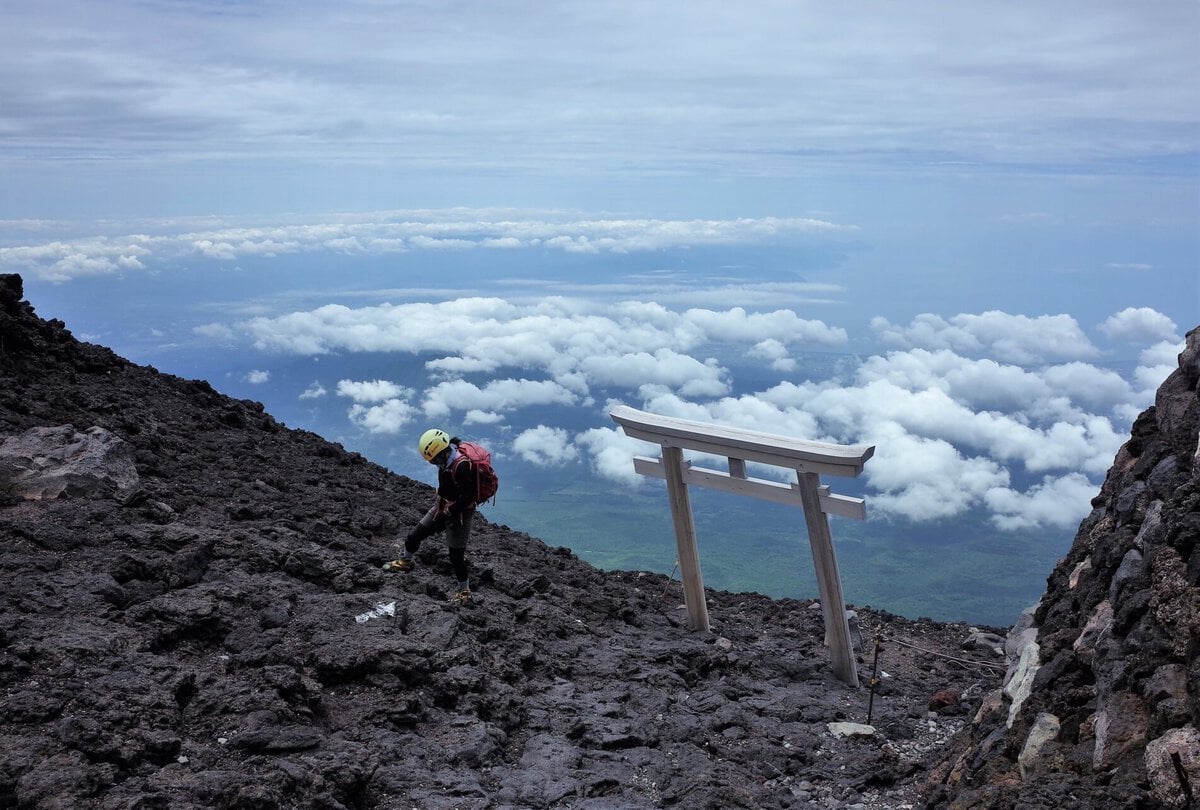
The right season is the one that matches you
The altitude, weather, long descent, and crowds all require preparation. And outside the official season, Fuji becomes a much more serious undertaking. The huts close, the weather sharpens, and snow or ice can transform the climb completely.
If you want the classic Mount Fuji experience, climb in peak season, ideally on a two-day itinerary with enough time to pace yourself properly. The Yoshida Trail may be the most supported route in summer, but it is not automatically the best route for everyone. A certified guide can help you compare options and choose the route that fits your goals, experience, and fitness.
If you want a quieter and more demanding objective, consider a Mount Fuji off-season ascent, but only with the right skills, equipment, conditions, and professional support. Look for recognized credentials such as JMGA or IFMGA/UIAGM certification.
The best season is not the one that sounds most impressive. It is the one that matches your experience, fitness, risk tolerance, and reason for climbing.
Frequently asked questions
Can you climb Mount Fuji without a guide?
Yes, during the official summer season, most people climb independently. The trails are well-marked, huts are staffed, and support is available along the route. Outside the official season, independent climbing is significantly more serious — huts close, conditions deteriorate, and the consequences of poor decisions increase. For off-season ascents, hiring a certified guide is strongly recommended regardless of your experience level.
How far in advance should I book a mountain hut for a peak-season climb?
For July and August, especially weekends and around Obon (mid-August), book two to three months in advance. Popular huts on the Yoshida Trail fill up fast, and arriving without a reservation in peak season can leave you without shelter at altitude. Early July and early September dates typically have more availability with fewer crowds.
Is Mount Fuji suitable for children?
Children who are reasonably fit and comfortable with long days of walking can complete a peak-season climb, though it is a serious undertaking. The altitude is the biggest variable — children can be more susceptible to altitude symptoms, and there is no reliable way to predict how anyone will respond above 3,000 meters. A two-day itinerary is strongly preferred over a single-day push, and families should have a flexible turnaround plan.
Related read: Tips for Traveling in Japan With Kids
What is the mandatory hiking fee and how do I pay it?
As of the 2025 season, a ¥4,000 hiking fee applies on the Yoshida Trail and some other routes during the official climbing season. Payment is collected at checkpoints on the way up. Some trails have also introduced daily caps on the number of climbers, so checking the current rules on fujisan-climb.jp before your trip is recommended, as policies continue to evolve.
How long does it take to climb and descend Mount Fuji?
A two-day guided ascent typically involves five to seven hours of climbing on day one to reach a hut, followed by two to three hours to the summit on day two, with a three to four-hour descent. A single-day ascent takes roughly 8 to 12 hours in total, depending on the route, fitness level, and conditions. The Gotemba Trail is the longest route; Fujinomiya is the shortest in terms of distance from the 5th station to the summit.
What happens if the weather turns bad during the climb?
During peak season, huts provide shelter and staff can offer guidance, though turnaround decisions ultimately rest with the climber or guide. Weather on Mount Fuji can change quickly — clear mornings can give way to wind and cloud within hours. Having a realistic turnaround time agreed in advance, rather than committing to the summit at all costs, is one of the most important parts of planning any Fuji ascent. Off-season, deteriorating weather carries far greater consequences, which is the primary reason certified guide support is strongly recommended outside the official season.

Stacie Harris is a local resident and reporter of the Maple Grove area. Stacie reports on medicine and science for the Maple Grove Report.