
The Samsung Galaxy A57 is the company’s new mid-ranger for 2026, but what’s really new compared to 2025’s Galaxy A56?
While the two phones look similar at a glance, look a little closer and you’ll start to see subtle differences not only in the overall design, but key areas like display tech, performance and software that should make the Samsung Galaxy A57 a little more tempting – and quite possibly one of the best mid-range phones around.
While we’re yet to fully review this year’s mid-ranger, we’ve spent some time with the phone ahead of its launch, and here’s how it compares to the Samsung Galaxy A56 on paper.
Slimmer, lighter and more durable
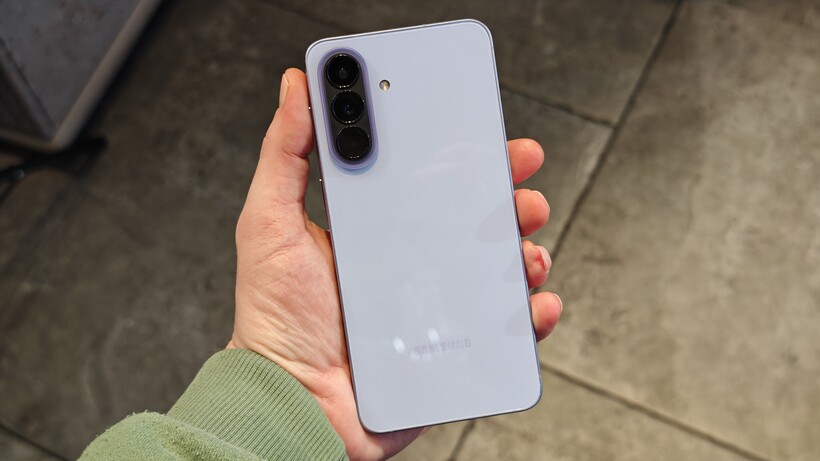
One of the most immediate differences between the Galaxy A57 and its predecessor comes in the design department. The Galaxy A57 is 0.5mm thinner than the 7.4mm-thick Galaxy A56, measuring in at 6.9mm – and while that doesn’t sound like much on paper, it makes a noticeable difference in the overall feel of the phone.

Combined with a weight of just 179g, 20g lighter than the A56, it should feel much more comfortable to hold and use in day-to-day life, even if it isn’t quite as ultra-slim as the likes of the iPhone Air and Samsung Galaxy S25 Edge.
As an added bonus, the Galaxy A57 is also more durable, with Gorilla Glass Victus Plus on both the front and rear glass panels, along with IP68 dust and water resistance, up from last year’s IP67.
A brighter, more premium-looking screen
Apparently unhappy just making the phone thinner and lighter, Samsung also focused its sights on upgrading the display experience with this year’s mid-ranger. The Galaxy A57 may sport the same-sized 6.7-inch screen as the A56, but a cursory glance at the phones and the differences are immediate – especially when it comes to the size of the bezels.
The Galaxy A56 had massively mismatched bezels; there’s no getting around it. The sides measured in at 2.2mm thick, the forehead was 2mm thick, and the chin was a whopping 3.3mm thick, and as a result, it didn’t look particularly premium.

The Galaxy A57, for comparison, has 1.5mm-thick sides and forehead, with a slightly thicker 2.5mm chin. It’s still not completely symmetrical, but it at least feels more premium than last year’s panel. Elsewhere, Samsung has boosted the Vision Booster tech to make videos look sharper and brighter when displayed on the Super AMOLED panel.
In other areas, however, the two panels are nearly identical; both offer a smooth 120Hz refresh rate, a peak brightness of 1900 nits, and FHD+ resolution.
A boost in performance
The occasional outlier aside (I’m looking at you, Pixel 10a), you can always rely on boosted performance from newer smartphones, and that’s very much the case with the Galaxy A57 – though it still won’t compete with the most powerful phones in the mid-range market.

At its heart is the Exynos 1680, up from the Exynos 1580 on the A56, coupled with either 8- or 12GB of RAM – and this is faster LPDDRX5 RAM too. Combined with either 256- or 512GB of storage, the latter of which is new for this year, the Galaxy A57 should deliver an uptick in performance and boosted storage to match.
There’s also an upgraded vapour chamber, which is apparently 13% bigger, though last year’s Galaxy A56 never really got all that hot in use – in our experience, anyway.
First to get One UI 8.5, and more OS upgrades
The Galaxy A57 is the first in Samsung’s A-series to get the One UI 8.5 update that launched with the flagship Galaxy S26 range last month – though the Galaxy A56 will likely get the upgrade sometime in the near future.

What’s more impressive is the long-term software support. The Galaxy A56 offered a fine combination of four years of combined OS and security upgrades, but the Galaxy A57 takes that to six years.
That’s a pretty solid promise for a mid-range phone, only really bested by the likes of the Pixel 10a and iPhone 17e, and should see the phone through to One UI 14 based on Android 22. The A56, on the other hand, will stop at One UI 11 based on Android 19.
New ‘Awesome Intelligence’ features
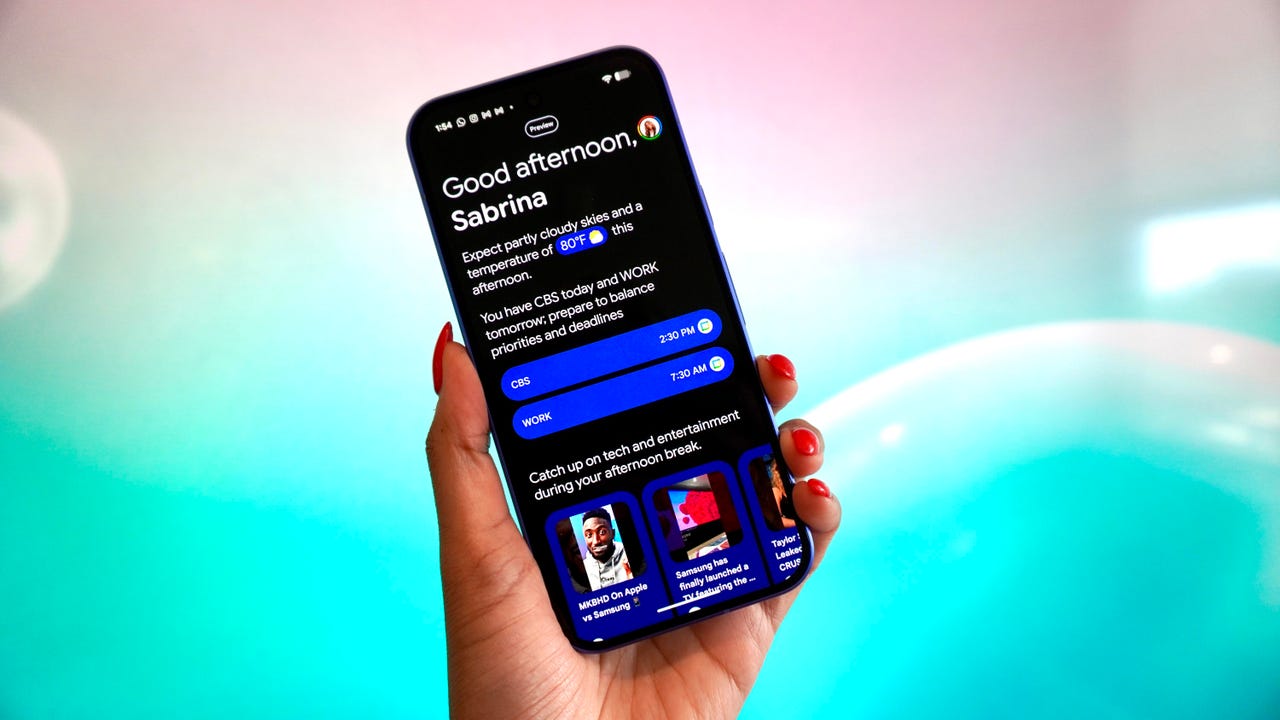
Neither the Galaxy A56 nor A57 get the full suite of Galaxy AI features – that’s for the company’s flagships and foldables – but they do get a simplified toolkit under the ‘Awesome Intelligence’ umbrella. For the Galaxy A56, that meant features like object eraser, best face and auto trim.
With the Galaxy A57, Samsung has added the same improved Circle to Search tech and upgraded Bixby experience that shipped with the Galaxy S26 range, with the former allowing you to search for entire outfits at once, while the latter allows Samsung’s virtual assistant to control various aspects of your phone.

What’s more, you can use both on the phone at once; one is activated by pressing the power button, the other by voice.
Samsung has also introduced voice transcription tech with this year’s mid-ranger, offering transcription not only in the recorder app but in calls too.
The question is whether the Galaxy A56 will get the same features once it too receives the One UI 8.5 update – we’ll have to wait and see for now.
Early thoughts
Compared to last year’s Galaxy A56, the Galaxy A57 feels like a much more refined mid-range smartphone. It’s thinner, lighter, and more durable, and it boasts a screen that, while not quite the best for the price, is certainly headed in the right direction.
Added bonuses like faster LPDDR5X RAM, increased base storage, a longer software promise and more AI features all look to sweeten the deal – though key hardware, from the camera setup to battery life and charging speed, feel almost identical to last year’s model.
We likely won’t recommend upgrading from last year’s A56 if you’ve got one, though we’ll save our final thoughts until we’ve spent some more time with both phones side by side.

Stephan is the sports journalist for the Maple Grove Report.