Samsung Galaxy Watch gets blood pressure monitoring, with a big catch


Samsung is finally bringing blood pressure monitoring to Galaxy Watch users in the US. However, it’s not quite the seamless upgrade you might expect.

The feature is rolling out now to supported models, including newer watches like the Samsung Galaxy Watch 8 and older devices dating back to the Galaxy Watch 4.

But there’s a catch: you’ll need extra hardware to use it.

Unlike heart rate or sleep tracking, this isn’t something the watch can handle on its own. To get started, users need a traditional upper-arm blood pressure cuff to calibrate the readings. You’ll also have to install the Samsung Health Monitor app on a compatible Galaxy phone. Furthermore, you need to repeat the calibration process every 28 days to keep results accurate.

In other words, the smartwatch feature still relies heavily on a standard blood pressure monitor.

Advertisement

That’s partly down to regulation. While Samsung introduced blood pressure tracking back in 2020 and has rolled it out globally over time, delays in the US have been tied to stricter requirements. Even now, the feature hasn’t received FDA clearance. Therefore, it’s positioned strictly for wellness use rather than medical diagnosis or treatment.

There are a few other limitations worth noting. Readings are taken on demand rather than passively in the background. So you’ll need to manually start each measurement. Samsung has said passive tracking could arrive later this year. This would bring it closer to rivals like the Apple Watch, which already offers FDA-cleared hypertension alerts that run automatically.

Compatibility is also fairly tight. The feature only works on Galaxy Watch 4 or newer models paired with a Samsung Galaxy phone running Android 12 or above. So if you’re using a different Android device, you’re out of luck.

Still, it’s a notable step. Blood pressure monitoring has long been one of the most requested health features for wearables. While Samsung’s approach isn’t fully standalone just yet, it does bring the company closer to turning its smartwatch into a more comprehensive health companion.


Source link

Leave a Reply

Subscribe to Our Newsletter

Get our latest articles delivered straight to your inbox. No spam, we promise.

Recent Reviews


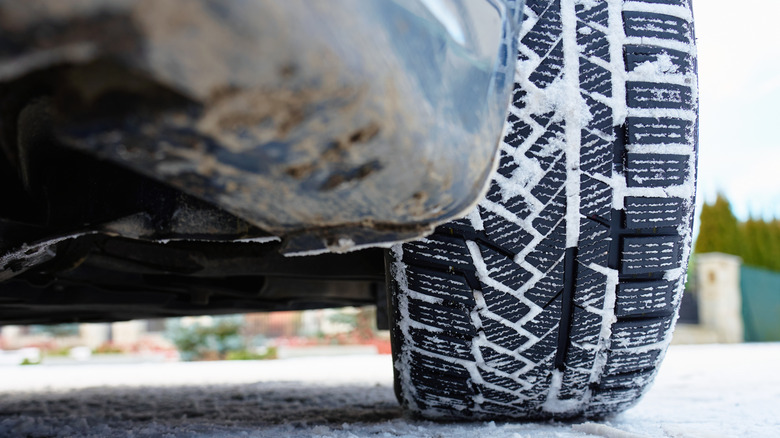
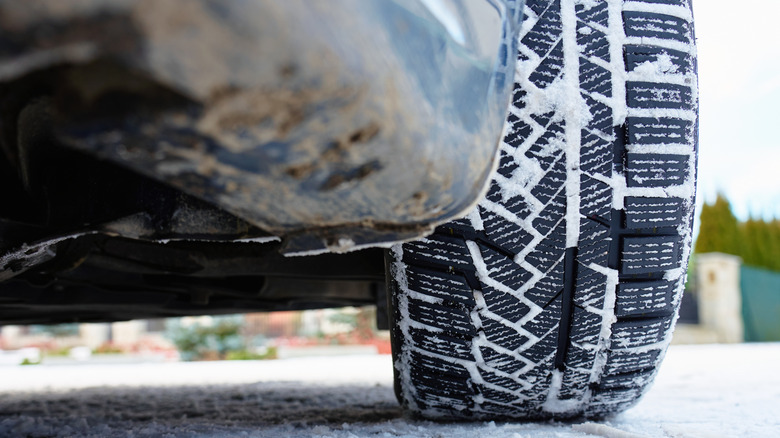
Staying safe in the winter months means being prepared for icy conditions, as winter weather sees a spike in vehicle pileups. It’s also about using the right kind of tires, which is where the 7-7 rule comes into play. This rule says that when the outside temperature drops below 7 degrees Celsius, or 45 degrees Fahrenheit, for 7 consecutive days, you should change your everyday tires to a winter model.

Extended cold snaps are a problem for regular seasonal tires because of how they’re designed. The rubber these tires contain becomes harder and less flexible in colder weather. When this happens, your tires’ ability to actually grip the road is reduced, which can become very dangerous in snow and ice. In contrast, winter tires are built with rubber that stays softer in cold temperatures, as well as deeper tread, which gives you better traction, and improved stopping ability. This means you have more control, which can ultimately keep you safer.

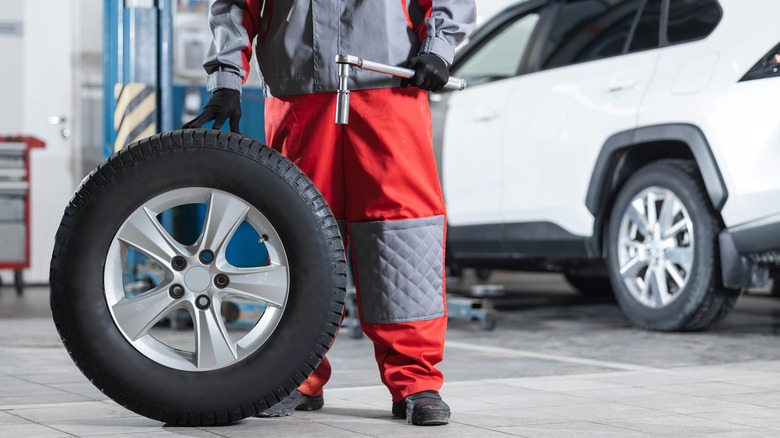
What makes winter tires ideal in cold temperatures can have the opposite effect in non-winter weather. This means that once the cold months have ended, you should switch back. If not, the tread on your winter tires will begin to wear down as the heat impacts the softer rubber. So, even with deep tread, your tires’ ability to properly grip the road can be impacted. If you’d rather not worry about the 7‑7 rule, you could use all-weather or all-terrain tires that work year-round instead.

Winter tire best practices

It’s important to safely store your everyday tires after they’ve been replaced by a winter set. If you’re storing them outside, Goodyear recommends protecting them in waterproof bags аnd kept off the ground. Otherwise, they should be indoors, in a cool and dry place, away from direct sunlight. If the tires are off the rim, they should be kept off the floor and stacked flat on top of each other. If the tires are on the rim, they can be stored the same way, or hung by the wheel on wall hooks.

When installing your snow tires, it’s best to use a full set. That’s because having only a pair of winter tires on the drive wheels could reduce your stability on the road. Additionally, if you’re using winter tires that don’t have the special mountain/snowflake symbol on the sidewall, you might want to consider getting new ones. The Three-Peak Mountain Snowflake symbol confirms that your tires meet industry standards for snow traction.

Even then, simply using the right tires isn’t enough, as you’ll need to check your air pressure regularly. Temperature drops can decrease tire pressure, causing you to lose your grip on the road. It can also cause uneven tread wear, which is why you should be monitoring tread depth regularly as well. Be sure to keep your tires properly rotated, and above all, be careful on the road. Winter tires can help keep you safe, but it’s up to you to drive cautiously.


Source link