Social Media Scams Cost Americans $2.1 Billion in 2025


Americans lost $2.1 billion to social media scams in 2025, an eightfold increase since 2020, according to a report released Monday by the Federal Trade Commission. 

Nearly 30% of Americans who reported being a victim of a scam last year said the scam originated on social media, with Facebook most frequently being identified as the social media platform where the scam originated, according to the report. Fellow Meta-owned platforms WhatsApp and Instagram were ranked a distant second and third, the FTC said.

“In 2025, people reported losing far more money to scams on Facebook alone than they reported losing to text or email scams,” the commission said.

Scams originating on Facebook cost users $794 million in 2025, while WhatsApp and Instagram combined for $659 million in losses.

Representatives for Meta didn’t immediately respond to a request for comment.

The FTC said social media scams largely fall into three categories: investment, shopping and romance. The greatest amount of money — $1.1 billion — was lost to investment scams often rooted in ads or posts offering a program to teach investment techniques. 

Shopping scams were the most reported social media scam in 2025, with more than 40% of social media scam victims reporting they got ripped off by ordering something they saw in a social media ad — “everything from clothes and makeup to car parts and even puppies,” the Agency said.

Romance scams are also popular on social media. Nearly 60% of people who were victimized by a romance scam in 2025 said it originated on a social media platform. “Scammers often tailored their pitch based on people’s profiles, later inventing a crisis requiring money or casually offering investment advice to draw them onto a fake investment platform,” the FTC said.  

All age groups, with the exception of people 80 or older, reported losing more money to scams that began on social media than any other method of contact.

To avoid being a victim of social media scams, the FTC advises consumers to limit who can see their posts and contacts on social media. Also, never let someone you have met only on social media make your investment decisions. 

And before buying something you’ve seen advertised on social media, do research on the company at the FTC.

If you suspect you have been a victim of a scam attempt, report it to authorities, such as the FTC’s website.


Source link

Leave a Reply

Subscribe to Our Newsletter

Get our latest articles delivered straight to your inbox. No spam, we promise.

Recent Reviews


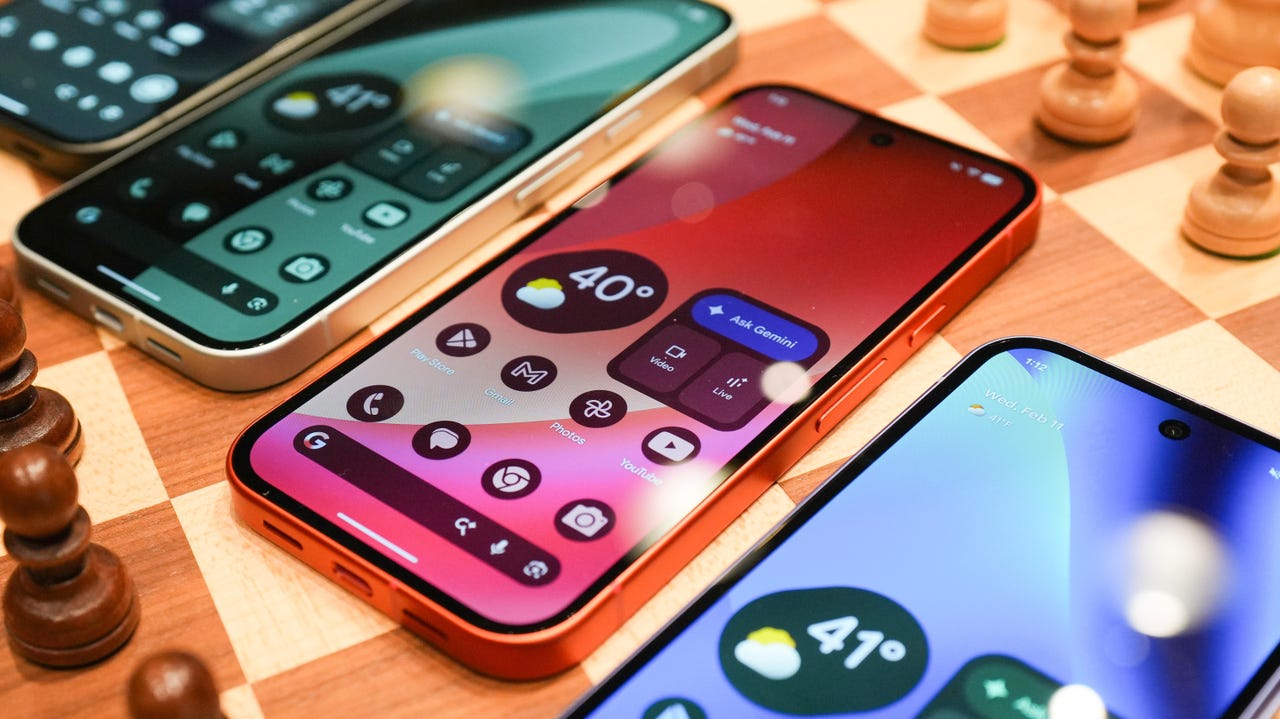
Google Pixel 10a

Kerry Wan/ZDNET

Follow ZDNET: Add us as a preferred source on Google.


ZDNET’s key takeaways

  • A suit alleges Google transmitted user data without permission.
  • If you have used an Android device since 2017, you may be eligible.
  • You will need a notice ID and confirmation code to file.

Have you used an Android phone to access the internet in the past eight years? You might be in line for payment from a class action lawsuit against Google, but there are some important things you need to know.

Taylor et al. v. Google LLC alleges that Android phones sent information to Google without users’ permission, even when the phones weren’t in use, and all apps were closed, using users’ cell data they paid for. Google could have made these data transfers happen when the device was connected to Wi-Fi, the suit says, but it chose to make them happen at any time.

Also: The best data removal services of 2026: Delete yourself from the internet

Google hasn’t acknowledged any wrongdoing, but agreed to a settlement to avoid the prospect of court proceedings. This is unrelated to the recent $700 million Google Play class action lawsuit. 

How to file a claim

Anyone who used a cellular connection on an Android phone from Nov. 12, 2017, to the date the settlement receives final approval is eligible to participate in this suit. If you’re in this group, you should receive a notice with a code either in the mail or via email — if you haven’t already.

To file a claim, start by going to www.federalcellularclassaction.com. You will need your notice ID and confirmation code. If you believe you are eligible but don’t receive communication, you can email info@federalcellularclassaction.com. I’ve reached out to the settlement administrator to see if there’s a deadline by which you should receive your communication.

Also: Amazon is refunding nearly $1 billion to customers – are you eligible?

It’s not finalized how much each person will get in this suit. There is a $135 million settlement fund for approximately 100 million settlement class members, but since this sort of suit often sees only single-digit percentage participation, your payout can be up to $100. Each class member will receive the same amount after administration costs, taxes, and attorney fees. Eligible settlement class members will receive payment after the court grants final approval. The final approval hearing is June 23, 2026, so you won’t get anything before then.

One important thing to note is that if you’re eligible for this suit but don’t select a payment method, the administrator will still attempt to pay you. But if the administrator does not have your correct information, you may not receive your money.


Source link