
The Great Lakes are a network of freshwater lakes located in eight states — Illinois, Indiana, Michigan, Minnesota, New York, Ohio, Pennsylvania, and Wisconsin. Combined, they have a surface area of 94,250 square miles and collectively hold some six quadrillion gallons, enough to submerge the U.S. in almost 10 feet of water. Consisting of Lakes Superior, Huron, Michigan, Erie, and Ontario, they collectively form the largest system of freshwater on the entire planet, containing roughly 90% of the U.S. supply of freshwater and 20% of the world’s supply. It’s also where U.S. Navy aircraft carriers were once stationed.
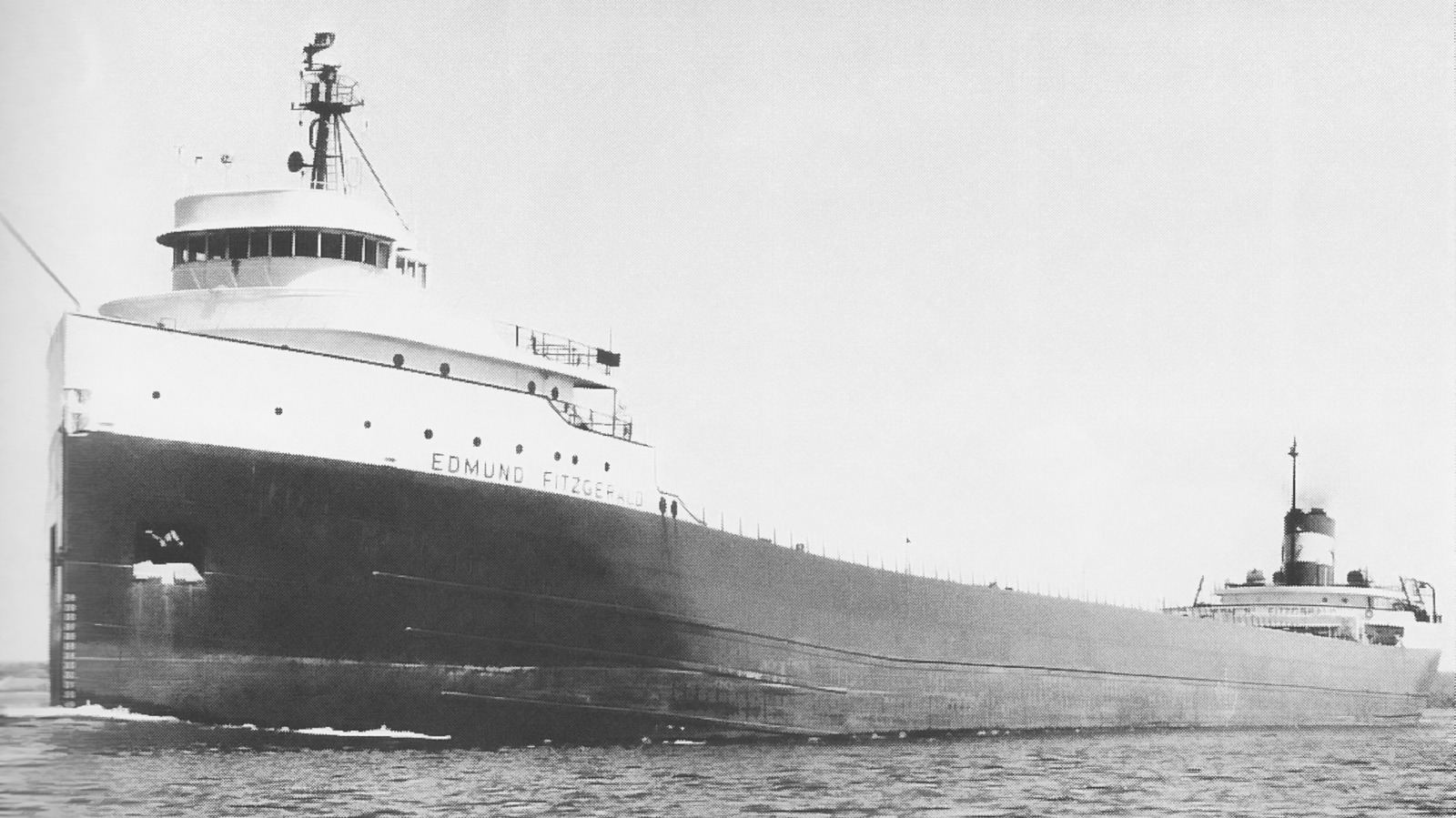
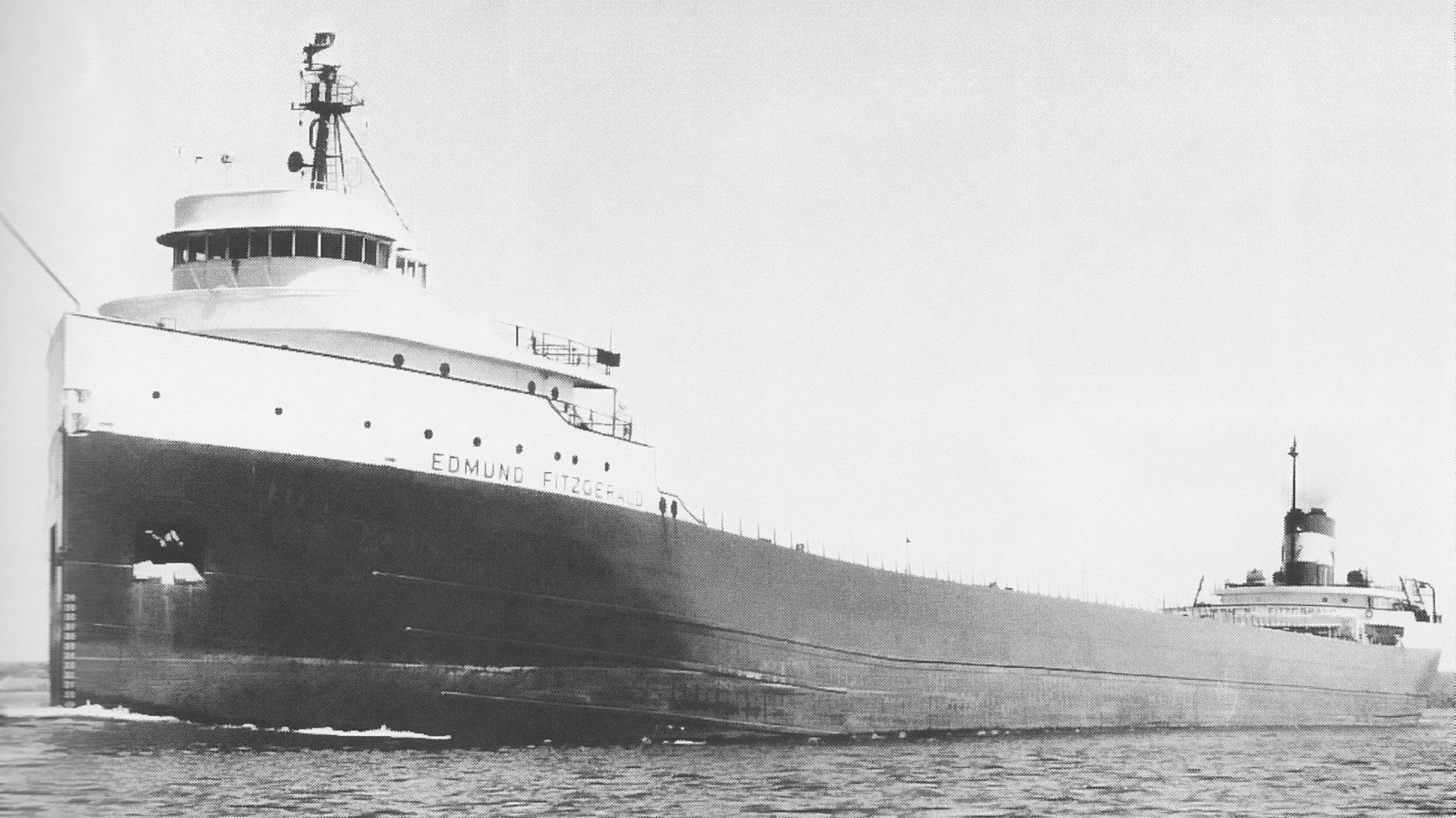
The SS Edmund Fitzgerald, SS Daniel J. Morrell, SS Carl D. Bradley, SS Henry B. Smith, and the SS Mataafa are five of the most notable large shipwrecks to ever take place on the Great Lakes, and all of them share striking similarities. First, they were all massive bulk freighters used to haul massive loads. All five went down during November, a month known for especially bad weather. Finally, the hulls of three of them — the Fitzgerald, Morrell, and Bradley — literally snapped right in the middle.
This system of five lakes was crucial to the early development of North America, serving as a vital shipping route for cargo vessels bound for the furthest reaches of an ever-expanding country. But it came at a steep price. According to the Great Lakes Shipwreck Museum, at least 6,000 ships and 30,000 lives have been lost over the centuries. However, Mark Thompson — historian, author, former college professor, and officer with the Great Lakes Fleet – thinks the number of lost ships could be as high as 25,000.

Stephan is the sports journalist for the Maple Grove Report.