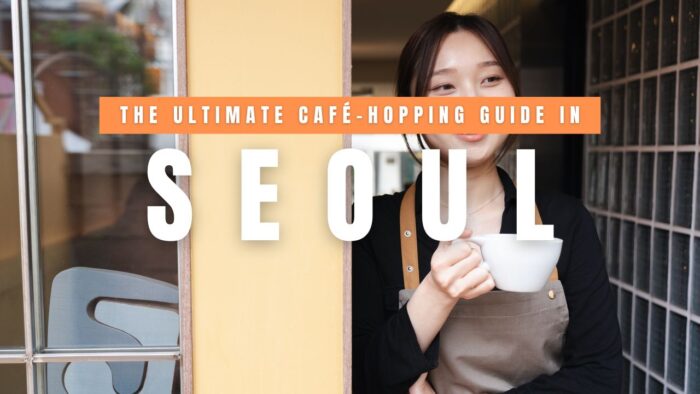

Seoul Coffee Crawl: A Local’s Guide to the Best Cafés
Seoul is a city that takes café culture to an entirely different level. Beyond serving exceptional coffee, the city’s cafés function as architectural landmarks, creative studios, bakeries, cultural spaces, and quiet retreats tucked between bustling shopping districts and historic alleyways. From traditional hanok houses in Jongno to industrial warehouses in Seongsu and hidden speakeasy-style coffee bars in Euljiro, every neighborhood offers a different café experience shaped by Seoul’s unique blend of heritage and innovation.

The Ultimate Seoul Cafe-Hopping Guide
Café-hopping in Seoul is not simply about finding a good cup of coffee—it is about discovering neighborhoods, exploring local design, and experiencing the city through its most beloved social spaces. Whether you are a specialty coffee enthusiast, a pastry lover, a photographer, or a traveler seeking memorable local experiences, these eight cafés represent some of the finest places to begin your journey. Each café offers its own story, atmosphere, signature flavors, and reasons why both locals and visitors continue to return.
1. Cafe Onion Anguk
Located in the historic Anguk neighborhood near Bukchon Hanok Village, Cafe Onion Anguk has become one of Seoul’s most iconic café destinations. To get there, take Seoul Subway Line 3 to Anguk Station and leave through Exit 3. From there, a short five-minute walk through quiet hanok-lined streets leads you to one of the city’s most photographed cafés. The journey itself feels like stepping back into old Seoul, surrounded by tiled rooftops, artisan boutiques, and narrow cultural alleyways.
What immediately makes Cafe Onion unforgettable is its setting inside a beautifully restored traditional Korean hanok. Wooden beams, paper-screen windows, open courtyards, and natural light create an atmosphere that feels calm and timeless. Although the café often attracts long lines, once inside, the pace slows, encouraging visitors to sit, observe, and enjoy the surroundings.
Cafe Onion perfectly blends Korean architectural heritage with contemporary specialty coffee culture. It captures the spirit of old Seoul while serving expertly roasted coffee and bakery items that have developed an almost cult following.
Recommended drink: House Latte
Recommended food: Signature Pandoro pastry covered in powdered sugar
2. Fritz Coffee Company

Nestled in Mapo’s residential Dohwa neighborhood, Fritz Coffee Company is one of Seoul’s most respected specialty coffee pioneers. To reach it, take Subway Line 5 to Mapo Station and walk about seven minutes from Exit 3 through quiet streets lined with neighborhood restaurants and local businesses. The journey offers a glimpse of everyday Seoul, away from heavily touristed districts.
Fritz occupies a beautifully restored Korean house, complete with tiled roofing, exposed wooden beams, and a charming courtyard that welcomes guests before they even step inside. The atmosphere feels warm, approachable, and distinctly Korean, yet the energy inside is modern and lively. Large communal tables, cozy corners, and outdoor seating make it equally inviting for solo travelers, remote workers, and groups of friends.
What makes Fritz truly exceptional is its role in shaping Seoul’s specialty coffee scene. Founded by award-winning baristas and roasters, the café is known for precision, consistency, and the highest-quality sourcing of beans. Every cup reflects serious craftsmanship.
The café’s playful branding and artisan bakery only add to its charm, making it a destination worth seeking out.
Recommended drink: Flat White
Recommended food: Butter toast with house-made jam and cream
3. Anthracite Coffee Roasters

Hidden within Hapjeong, one of Seoul’s most creative and artistic districts, Anthracite Coffee Roasters is a destination for serious coffee lovers and design enthusiasts alike. To get there, take Subway Line 2 or Line 6 to Hapjeong Station and walk approximately eight minutes through side streets filled with independent boutiques, art studios, and creative workspaces.
Anthracite is housed in a converted industrial building, and its dramatic architectural setting first captures visitors. Exposed concrete walls, raw steel beams, oversized windows, and towering ceilings preserve the building’s factory origins while creating a space that feels simultaneously rugged and refined. The café feels less like a coffee shop and more like an art installation or architectural exhibition.
What makes Anthracite so highly recommended is its uncompromising approach to specialty coffee. Beans are roasted in-house with remarkable consistency, and brewing methods are treated with scientific precision. Coffee enthusiasts from across Seoul visit specifically for the quality of the roast.
Combined with Hapjeong’s creative energy, Anthracite offers one of the most authentic modern café experiences in the city.
Recommended drink: Ethiopia Single-Origin Hand Drip
Recommended food: Chocolate Pound Cake
4. Dotori Garden

Located near Anguk in one of Seoul’s most picturesque cultural neighborhoods, Dotori Garden offers a completely different café experience. To get there, ride Subway Line 3 to Anguk Station and walk approximately six minutes through charming alleys lined with hanok homes, boutique galleries, and small artisan shops.
Dotori Garden feels almost storybook-like from the moment you arrive. Traditional architecture is combined with whimsical design elements inspired by forests, fairy tales, and nostalgic childhood imagery. Warm wooden furniture, soft ambient lighting, handcrafted decorations, and lush greenery create a space that feels cozy, imaginative, and emotionally comforting.
What makes Dotori Garden stand out is its ability to create atmosphere beyond aesthetics. Every detail feels intentional, from the music to the tableware. Guests often arrive for coffee but stay much longer simply because the environment feels so welcoming.
Unlike cafés focused purely on visual impact, Dotori successfully balances beauty, comfort, and quality food. It appeals to couples, solo travelers, photographers, and anyone looking for a slower pace.
Recommended drink: Honey Latte
Recommended food: Yogurt bowl with fresh fruit and honeycomb
5. Coffee Hanyakbang
Hidden deep within the alleyways of Euljiro, Coffee Hanyakbang feels like a secret waiting to be discovered. To reach it, take Subway Line 2 or Line 3 to Euljiro 3-ga Station and walk about five minutes through narrow lanes filled with print shops, old workshops, and historic storefronts.
The café’s understated entrance often causes first-time visitors to walk past it before realizing they have arrived. Once inside, however, the atmosphere changes completely. Dim lighting, vintage cabinets, antique drawers, and nostalgic interior details inspired by old Korean herbal medicine shops create an environment that feels cinematic and deeply memorable.
The name “Hanyakbang” reflects the building’s connection to traditional medicine, and that sense of history is preserved throughout the space. The café feels part museum, part speakeasy, and part specialty coffee bar.
What makes Coffee Hanyakbang so recommended is its authenticity. Rather than relying on trends, it creates intimacy through storytelling, heritage, and carefully crafted drinks.
Recommended drink: Cinnamon Iced Coffee
Recommended food: House Tiramisu
6. Lowide Coffee Bakery
Located in trendy Seongsu, often referred to as Seoul’s version of Brooklyn, Lowide Coffee Bakery represents the city’s modern design-driven café culture. To get there, take Subway Line 2 to Seongsu Station and walk roughly ten minutes through streets lined with converted warehouses, fashion studios, and independent concept stores.
Lowide’s exterior is clean and understated, but inside, visitors are welcomed into a spacious interior filled with soft lighting, minimalist furniture, warm textures, and the irresistible aroma of fresh pastries. Large bakery displays immediately capture attention, showcasing artisan breads, cream-filled pastries, and seasonal desserts.
What makes Lowide worth visiting is that it offers much more than visual appeal. The café has built a reputation for consistency in both coffee and baking quality. It attracts a diverse crowd of designers, students, entrepreneurs, and neighborhood regulars, giving it a vibrant yet genuinely local atmosphere.
After your visit, Seongsu itself offers countless galleries, boutiques, and creative spaces to explore.
Recommended drink: Vanilla Bean Latte
Recommended food: Salt Bread with Cream Filling
7. Blue Bottle Coffee Myeongdong
In the heart of Seoul’s energetic Myeongdong district, Blue Bottle Coffee offers a peaceful retreat from one of the city’s busiest shopping areas. To reach it, take Subway Line 4 to Myeongdong Station and walk about five minutes through lively streets filled with fashion stores, street food vendors, and department stores.
The contrast between the neighborhood’s energy and the café’s calm interior is striking. Pale wood finishes, minimalist furniture, soft natural lighting, and clean architectural lines create a quiet, meditative atmosphere that encourages visitors to slow down.
What makes this café worth visiting is its combination of global coffee expertise and Korean design sensitivity. Every detail—from the acoustics to the seating layout—feels intentionally crafted for comfort and mindfulness.
For travelers spending time in central Seoul, this café offers an excellent break between shopping, sightseeing, or evening walks through the district.
Blue Bottle’s commitment to brewing precision ensures consistently excellent coffee, making it a reliable stop for specialty coffee enthusiasts.
Recommended drink: New Orleans Iced Coffee
Recommended food: Seasonal Butter Pastry
8. Soha Salt Pond

Tucked away in the romantic alleys of Ikseon-dong, Soha Salt Pond is one of Seoul’s most visually distinctive café experiences. To get there, take Subway Lines 1, 3, or 5 to Jongno 3-ga Station and walk about six minutes through a maze of restored hanok streets filled with boutiques, dessert shops, and hidden cocktail bars.
The café’s concept draws inspiration from traditional salt harvesting, reflected in textured surfaces, artistic installations, soft turquoise accents, and thoughtfully designed interiors. Despite its compact size, every corner feels carefully curated.
What makes Soha Salt Pond especially recommended is its mastery of one of Seoul’s biggest bakery trends—salt bread. Their pastries combine buttery richness, crisp texture, and subtle savory depth, pairing beautifully with specialty coffee.
The atmosphere is playful yet sophisticated, making it especially popular among locals and travelers alike. Visiting in the late afternoon adds an extra layer of charm as Ikseon-dong is illuminated by warm evening lights.
Recommended drink: Sea Salt Cream Latte
Recommended food: Truffle Salt Bread
Closing Thoughts
Seoul’s café culture is far more than a trend—it is a reflection of the city’s creativity, hospitality, and appreciation for craftsmanship. Every neighborhood tells a different story, and every café offers a unique combination of architecture, flavor, and atmosphere. From historic hanok courtyards to industrial creative spaces and hidden alleyway gems, these eight cafés represent some of the very best experiences Seoul has to offer.
Whether you spend a day exploring Anguk, wandering through Seongsu, or discovering hidden corners in Euljiro and Ikseon-dong, café-hopping in Seoul becomes more than simply drinking coffee—it becomes one of the most memorable ways to experience the city itself.
Seoul Travel Tour Packages You Should Try
Follow and subscribe to OutofTownBlog.com on Facebook , Twitter, Instagram, Pinterest, and YouTube for more Travel-related updates.
Read:

Stacie Harris is a local resident and reporter of the Maple Grove area. Stacie reports on medicine and science for the Maple Grove Report.