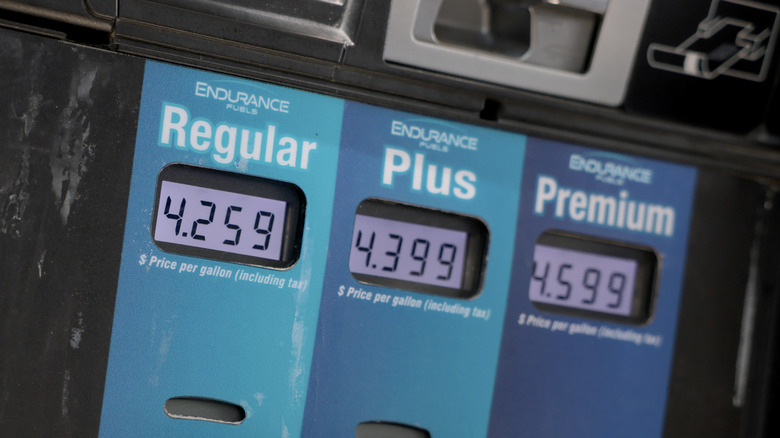

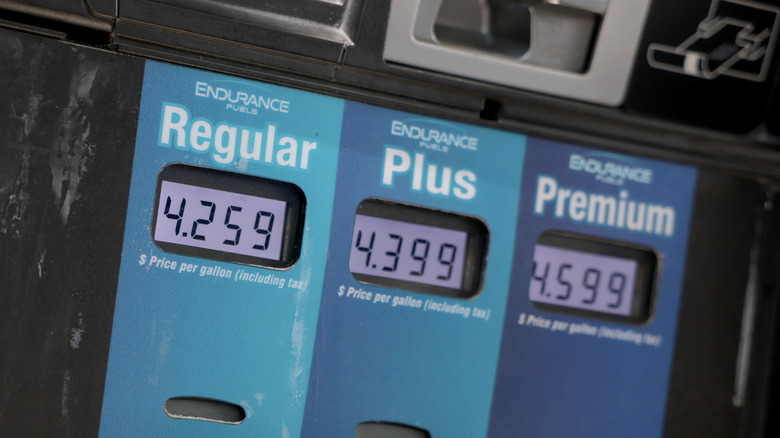
Gas prices continue to climb as the Iran War and the early months of 2026 roll on, and consumers are feeling the effects in multiple ways. Not only does it cost more to fill up at the gas station and cover home utilities, but surging gas prices could mean additional fees through services like Amazon, too. Thus, folks are looking for ways to save, and now even some U.S. states are trying to give the public a helping hand. This involves suspending the gas tax for the time being in the hope of easing consumers’ financial strain over these rising gas prices.
At the time of publication, only a couple of states have completely suspended their gas tax. These states are Indiana, which passed a 30-day suspension in early April, and Georgia, which is halting the tax until May 19. Meanwhile, in February, Utah lawmakers announced that a gas tax cut would go into effect in July. With that said, there’s a chance that other states could follow through with similar suspensions in the future. For instance, there’s a push by New York lawmakers for a gas tax holiday, Pennsylvania lawmakers have discussed the idea, and there’s a movement in Maryland as well.
Suspending the gas tax to reduce prices at the pump is currently a hot topic. The question is, how much of a difference does this actually make in practice, and what are the pros and cons of a suspension?
What a state gas tax suspension looks like
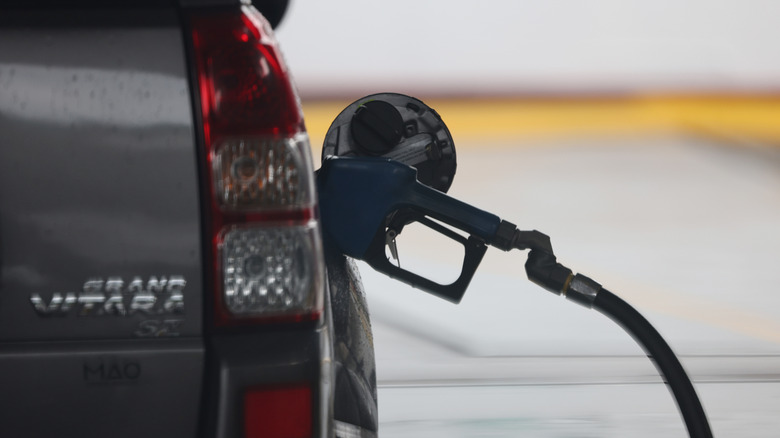
Like most products and services in the U.S., gasoline is taxed to pay for essential services that benefit the public. For example, it pays for maintaining roads, local infrastructure, and the like, but in the short term, is suspending it to offset rising gas costs beneficial? On paper, yes, seeing as the suspension signed by Georgia cut the state tax by $0.33 per gallon of gas and $0.37 per gallon of diesel, and Utah’s reduction lowered the tax by 15%. That seems to be a tangible cost reduction for consumers, but as far as its sustainability and long-term impact, many argue it’s not worth the risk.
The central argument against suspending gas taxes comes down to the idea that it’s not a genuine fix. At the end of the day, it’s a temporary solution for an enduring issue that can spawn bigger issues down the road. States can lose millions in revenue as a consequence and eventually need to recoup that money in the future, putting more pressure on the people once the suspension ends. Also, while these cuts may seem significant, the full savings don’t make it to the pump. A study by Penn Wharton found that similar gas tax suspensions in several states in 2022 only saw between 60% and 70% of the savings actually reach customers.
Unfortunately, gas prices are likely to rise for the foreseeable future. Hopefully, the Iran War and its impact on gas prices will end soon, so that finding ways to save money at the gas pump becomes less of a necessity.

Stephan is the sports journalist for the Maple Grove Report.