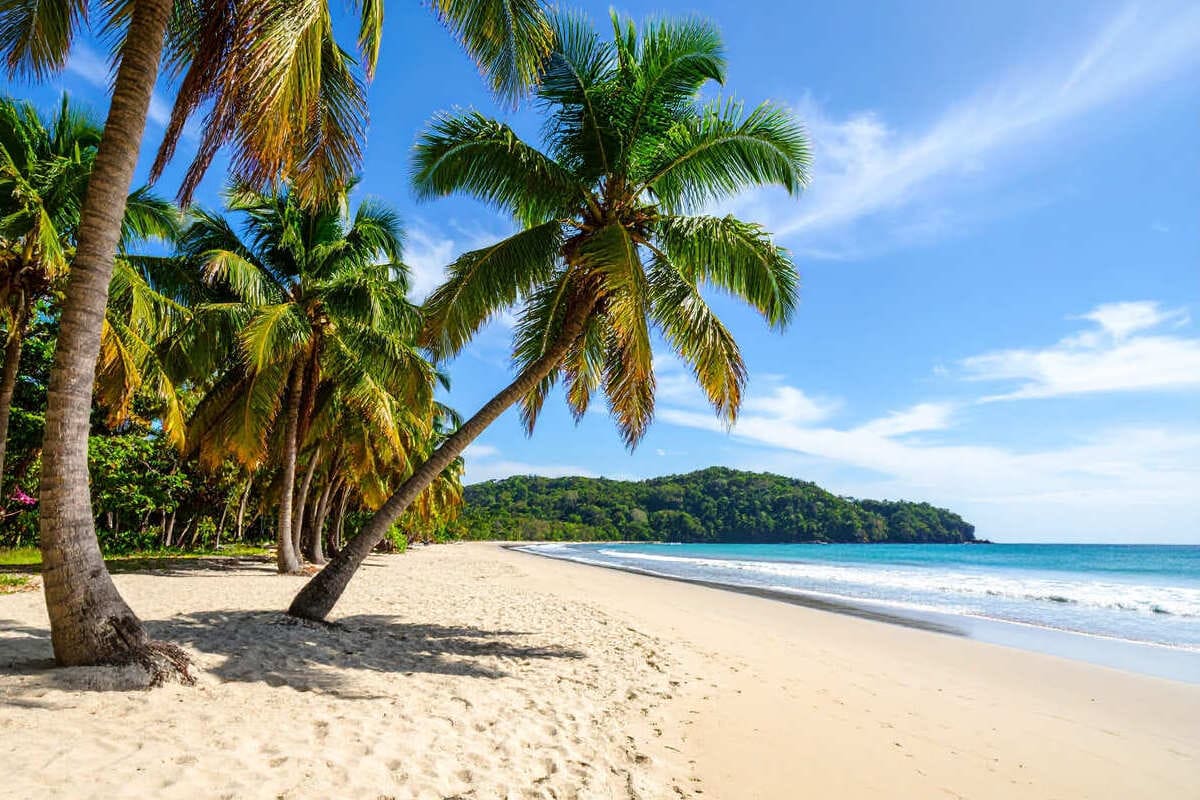

I’m not sure it’s just me, but it feels like forever since this country’s name came up in here. Blame it on El Salvador’s current regional stardom, especially after Bukele completely crushed criminal gangs, or Belize’s newfound trendiness, but Costa Rica seemed to take a backseat for a while.
Not anymore.
Central America’s no-brainer, most iconic getaway is still as popular as ever. In fact, it saw a 10.4% rise in tourism this year compared to same period in 2025. Between January and February 2026, 653,959 international visitors landed in Costa Rica.
In Feb alone, 331,967 arrivals were registed. According to data from the Costa Rican Tourism Institute, that’s a five-month streak of year-over-year growth.
Impressive numbers, but what is the fuss all about?
Small Country, A Plethora Of World Wonders
For a small nation-state roughly the size of West Virginia, Costa Rica packs quite the punch.

Over half of the national territory is blanketed by natural forest, with nature being central to the country’s international appeal. This is somewhere you go to unwind, slow down, enjoy a weekend away in a remote, BoHo chic jungle retreat, and soak up the tropical vibes.
It hosts roughly 5% of the world’s biodiversity, despite its small size, and between the rainforests, misty cloud forests spanned by scenic suspended bridges, and towering volcanos, you’re never exactly far from a mindblowing view here.
Oftentimes, all it takes is looking out the window.
This Is The Fastest-Growing Destination In Costa Rica
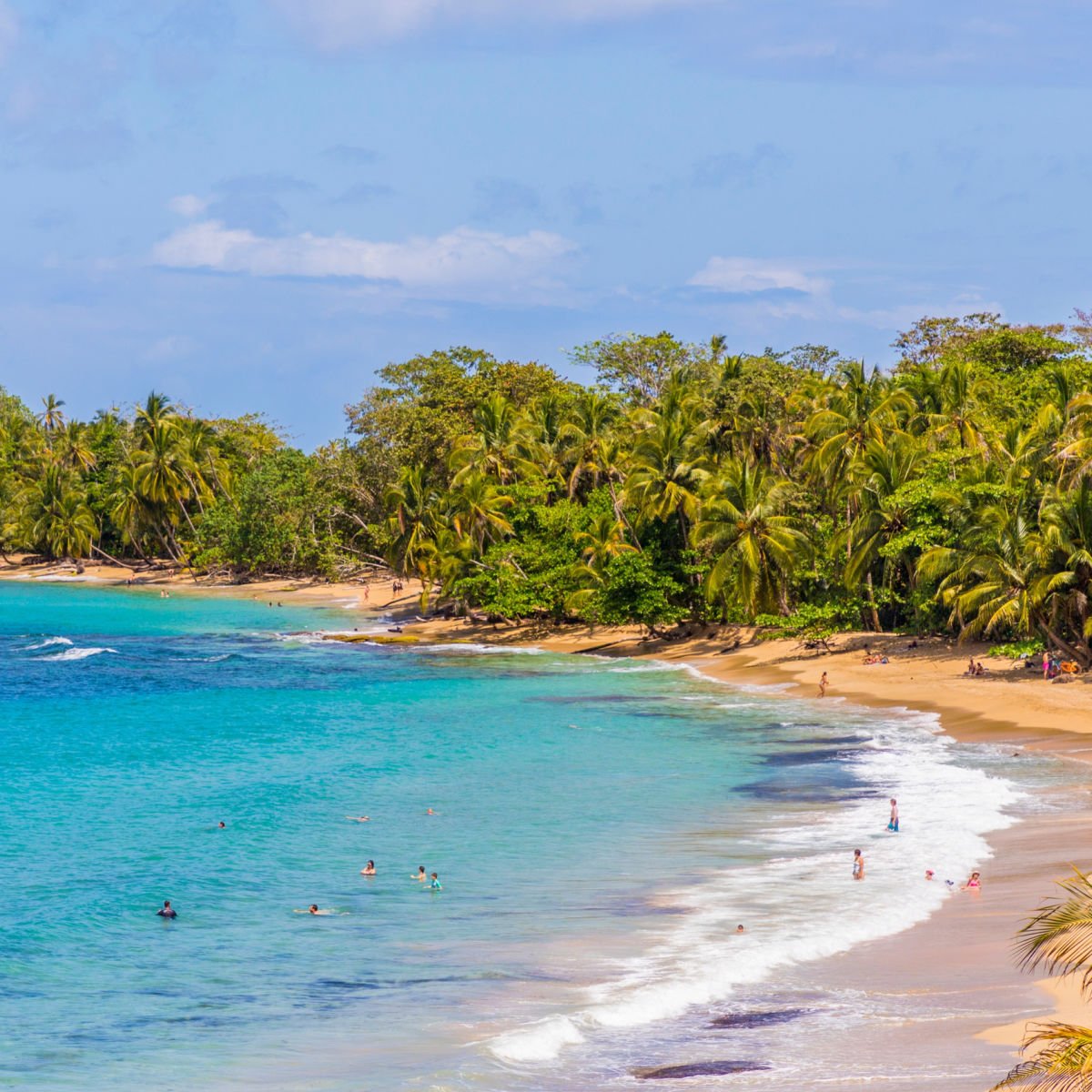
The most visited attraction in the country, Monteverde Cloud Forest is where a majority of visitors will be headed. A mystical, fog-enveloped maze of lush trails, it’s host to over 300 bird species and orchids, and it’s Costa Rica’s prime destinationf or canopy-shaded walks.
The numbers don’t lie: Daniel Oduber Quirós Airport in Liberia recorded 230,406 passengers so far this year, a 16.3% growth from a year earlier.
It’s the fastest-growing international airport in Costa Rica, and the closest major hub to Monteverde, at a 2.5 hour drive.
Although we’d still highly recommend you book a private driver, Costa Rica is relatively safe to drive in.

The country itself is probably the most advanced, infrastructure-wise, in Central America, though El Salvador is quickly catching up.
It boasts a dense road network (28,520 miles, to be precise), and near-full electricity coverage supporting tourism hubs. Paved networks link parks and beaches—none of the Honduras or Nicaragua-style dodgy dirt roads—and overall, it’s a lot safer to visit.
This Is How Safe Costa Rica Is
The U.S. State Department lists Costa Rica as a Level 2 destination, meaning Americans are not discouraged from visiting.

If they do, however, they must exercise certain precautions: avoiding commuting after dark, maintaining a higher level of situational awareness in crowded spaces, and checking credentials before booking guided activites from local operators.
The usual stuff.
This is still Latin America, though, and if there’s one thing we’ve learned from Mexico’s February crime flare-up, it’s that the security situation in the continent can deteriorate without warning. Before you fly out to Costa Rica, though, check any Travel Alerts that may be in place.
Where Are The Crowds Going?
Check Entry Requirements for Costa Rica here.
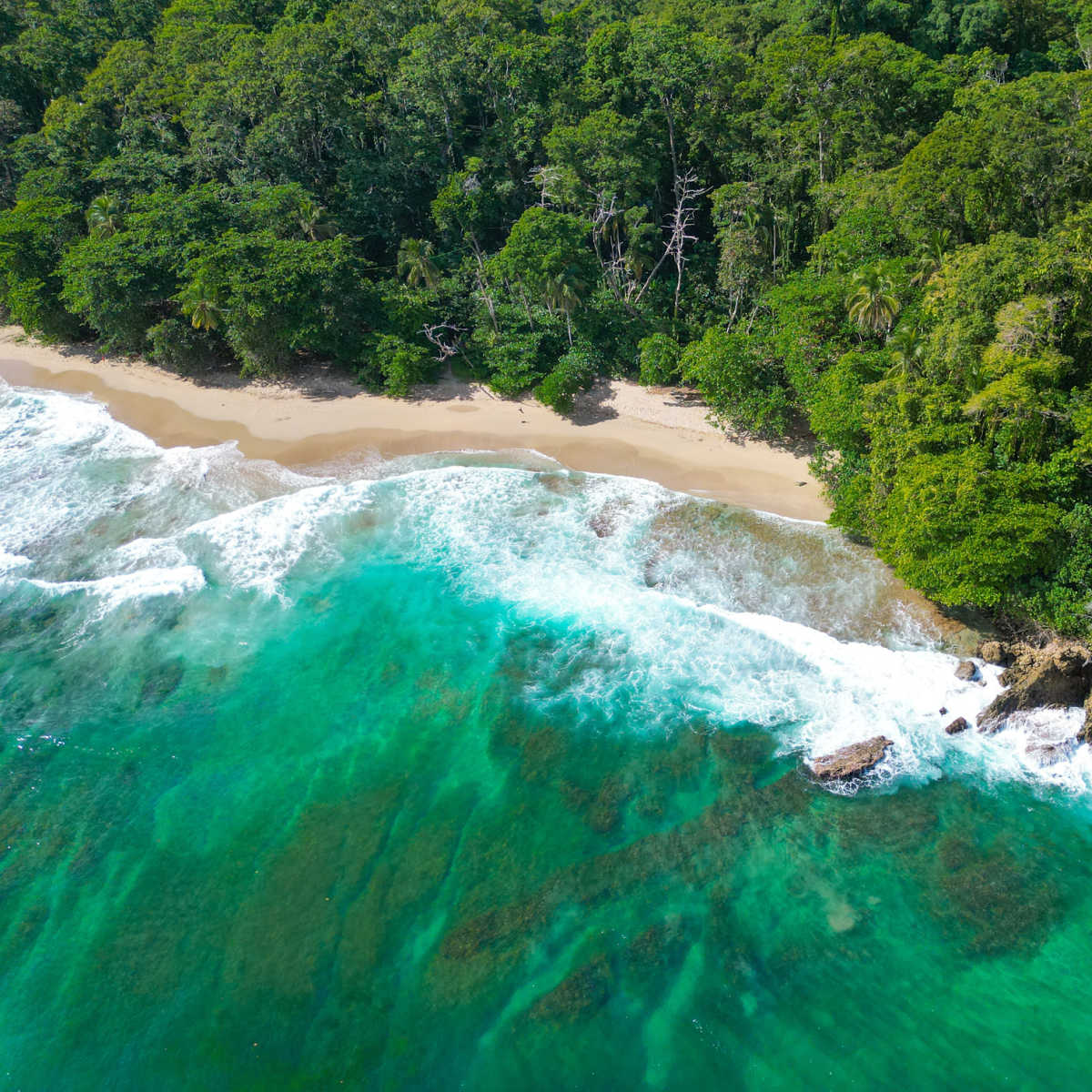
Liberia Airport (LIR) is the main gateway to Guanacaste, a coastal stretch in the Costa Rican Pacific renowned fro tis golden sands, surfing scene, and luxury resorts.
Depending on where you go, your destination is a 25-90 minute drive.
Playas del Coco are a breezy half-hour taxi hop from the airport. These are the postcard-ready, volcanic, dark-sand beaches you see on Instagram.
A little further, some 45 mins, the Papagayo Peninsula is occupied by powerhouses like Four Seasons, on pristine coves largely untouched by mass tourism.

North America continues to lead Costa Rica’s tourism surge, with 454,889 Americans and Canadians touching down there so far this year (as of Feb).
If you’re wondering where the younger crowds are going, look no further than surf mecca Tamarindo, a 1-hour drive from Liberia Airport. It’s the trendy backpacker town on the coast, with a thriving youth hostel scene, a vibrant nightlife, and plenty of paradisiacal beaches with barrelling waves to choose from.
Peak ‘Pura Vida’ vibes, if you know what we mean.
Costa Rica’s #1 Destination
Juan Santamaría International Airport (SJO) is the busiest airport in the country right now, with 372,295 international visitors hosted in the first two months of 2026.

It serves not only the capital, San José—somewhere most tourists connect through on their way to the Costa Rican jungle—but the wider highland region.
Poás Volcano National Park is a 30 minute drive out of town, with its massive turquoise crater lake spewing sulfur fumes, and the iconic La Paz Waterfall (60 min) is a quintet of cascades surrounded by a verdant rainforest.
Keep your eyes peeled for the odd jaguar up in the trees.
Can’t get enough of Costa Rica’s natural wonders?

Irazú (1h away) is the highest volcano in the country, with moon-like craters and otherwordly views from the top.
A bumpy 2 hour journey from the capital, the dormant, cone-shaped Arenal Volcano is yet another must-see. The national park it’s enclosed within is dotted with hot springs and ancient lava flows, and there’s a plethora of unique jungle stays to pick from.
Check out Amor Arenal, a 31 rustic-luxury cabin ensemble nestled in the heart of the rainforested canyon.
Think tropical hardwood design, private jaccuzis with panoramic views of Arenal, and open-air spas.


Stacie Harris is a local resident and reporter of the Maple Grove area. Stacie reports on medicine and science for the Maple Grove Report.