Tired of Gemini interrupting you? This Google Home update fixes that and more


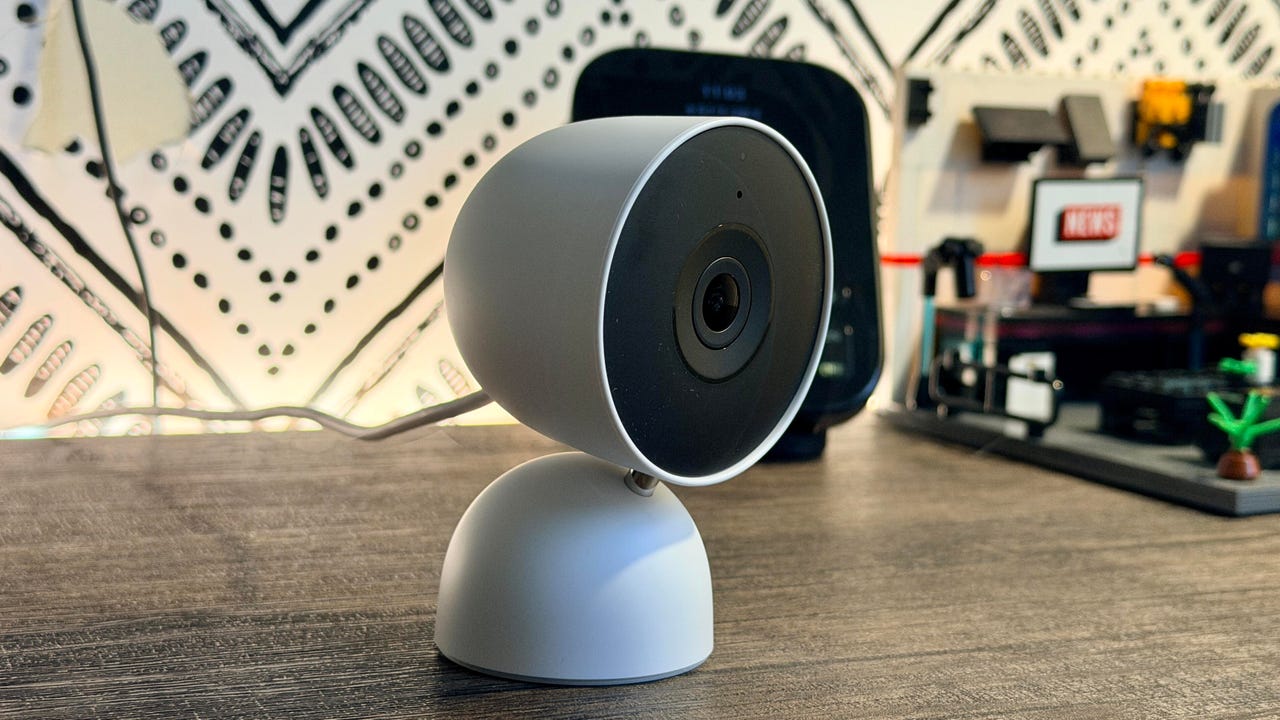
Google Nest Cam Indoor

Maria Diaz/ZDNET

Follow ZDNET: Add us as a preferred source on Google.


ZDNET’s key takeaways

  • The latest Google Home update aims to relieve friction when using Gemini.
  • Users will repeat themselves less and get more correct results from the AI assistant.
  • The update expands parental controls and improves thermostat controls and camera reliability.

Google Home just released an April 2026 update that should make your Gemini experience more reliable. The update will help users get faster reactions and responses from Gemini, have more natural conversations, and even work better in noisy environments. 

Beyond new features, the update is meant to iron out some miscommunication issues that have been bogging down the voice assistant. The release notes specify that Gemini will be better at knowing when you’re done speaking, so it’s less likely to interrupt you mid-sentence. It’s also set to offer quicker responses to simple questions, such as asking for the date and time.

Also: How I cut my power bill with IFTTT automation – in 4 simple steps

In music and media integrations, Gemini will work smarter to find your playlists even if you say the name incorrectly or are in a noisy environment. This will reduce playback errors, such as playing the wrong song or artist. Since Gemini will respond more quickly to simple queries, controls like “play” and “pause” will respond faster.

With improved natural language understanding, Gemini will also allow for more flexible note and list editing without needing to be precise when giving the assistant commands. The update will let Gemini handle complex actions and provide more reliable responses, such as turning notes into lists and moving or removing groups of items.

Gemini will use improved context clues to better understand what you mean when you give it commands, offering more consistent results across different integrations.

Also: This robot mower took care of my lawn for months – and it’s currently $300 off

The Google Home app will also expand parental controls to let users set content filters, limit screen time, pause devices, and schedule downtime. 

In other bug fixes, Google Home will offer an improved camera experience in iOS with more stable live streams and clearer timeline scrubbing. The thermostat interface will offer a more precise temperature slider for advanced setups.



Source link

Leave a Reply

Subscribe to Our Newsletter

Get our latest articles delivered straight to your inbox. No spam, we promise.

Recent Reviews


Staying safe in the winter months means being prepared for icy conditions, as winter weather sees a spike in vehicle pileups. It’s also about using the right kind of tires, which is where the 7-7 rule comes into play. This rule says that when the outside temperature drops below 7 degrees Celsius, or 45 degrees Fahrenheit, for 7 consecutive days, you should change your everyday tires to a winter model.

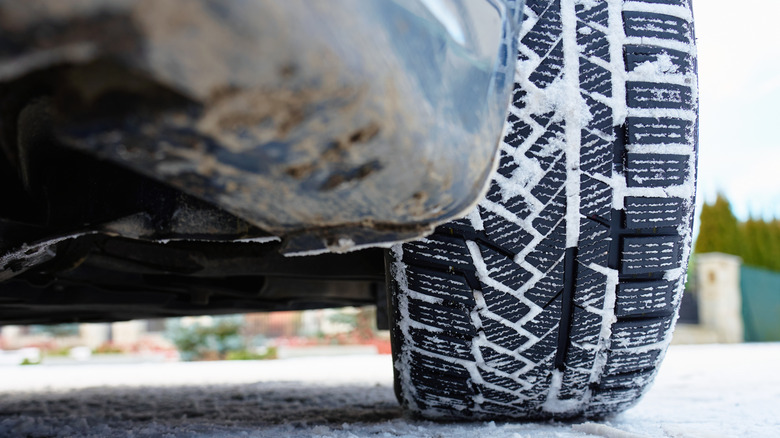
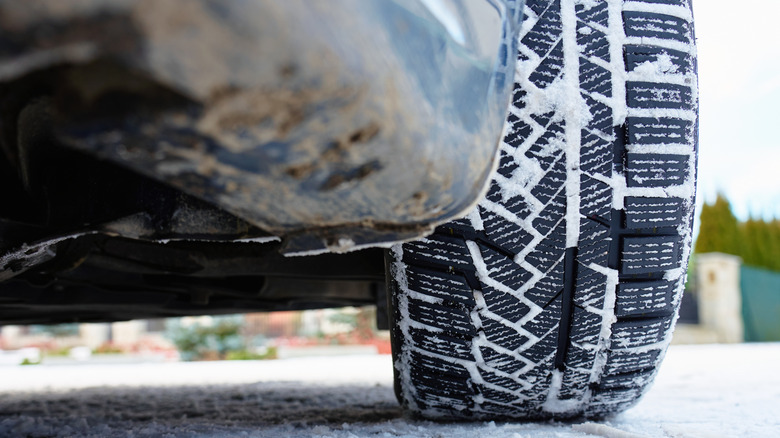
Extended cold snaps are a problem for regular seasonal tires because of how they’re designed. The rubber these tires contain becomes harder and less flexible in colder weather. When this happens, your tires’ ability to actually grip the road is reduced, which can become very dangerous in snow and ice. In contrast, winter tires are built with rubber that stays softer in cold temperatures, as well as deeper tread, which gives you better traction, and improved stopping ability. This means you have more control, which can ultimately keep you safer.

What makes winter tires ideal in cold temperatures can have the opposite effect in non-winter weather. This means that once the cold months have ended, you should switch back. If not, the tread on your winter tires will begin to wear down as the heat impacts the softer rubber. So, even with deep tread, your tires’ ability to properly grip the road can be impacted. If you’d rather not worry about the 7‑7 rule, you could use all-weather or all-terrain tires that work year-round instead.

Winter tire best practices

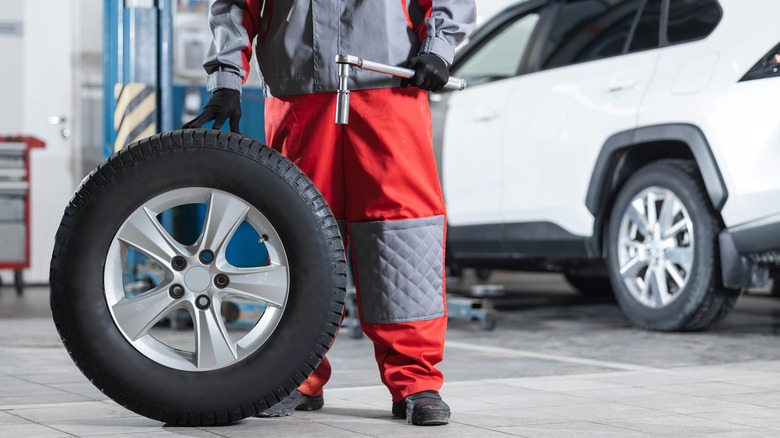
It’s important to safely store your everyday tires after they’ve been replaced by a winter set. If you’re storing them outside, Goodyear recommends protecting them in waterproof bags аnd kept off the ground. Otherwise, they should be indoors, in a cool and dry place, away from direct sunlight. If the tires are off the rim, they should be kept off the floor and stacked flat on top of each other. If the tires are on the rim, they can be stored the same way, or hung by the wheel on wall hooks.

When installing your snow tires, it’s best to use a full set. That’s because having only a pair of winter tires on the drive wheels could reduce your stability on the road. Additionally, if you’re using winter tires that don’t have the special mountain/snowflake symbol on the sidewall, you might want to consider getting new ones. The Three-Peak Mountain Snowflake symbol confirms that your tires meet industry standards for snow traction.

Even then, simply using the right tires isn’t enough, as you’ll need to check your air pressure regularly. Temperature drops can decrease tire pressure, causing you to lose your grip on the road. It can also cause uneven tread wear, which is why you should be monitoring tread depth regularly as well. Be sure to keep your tires properly rotated, and above all, be careful on the road. Winter tires can help keep you safe, but it’s up to you to drive cautiously.


Source link

