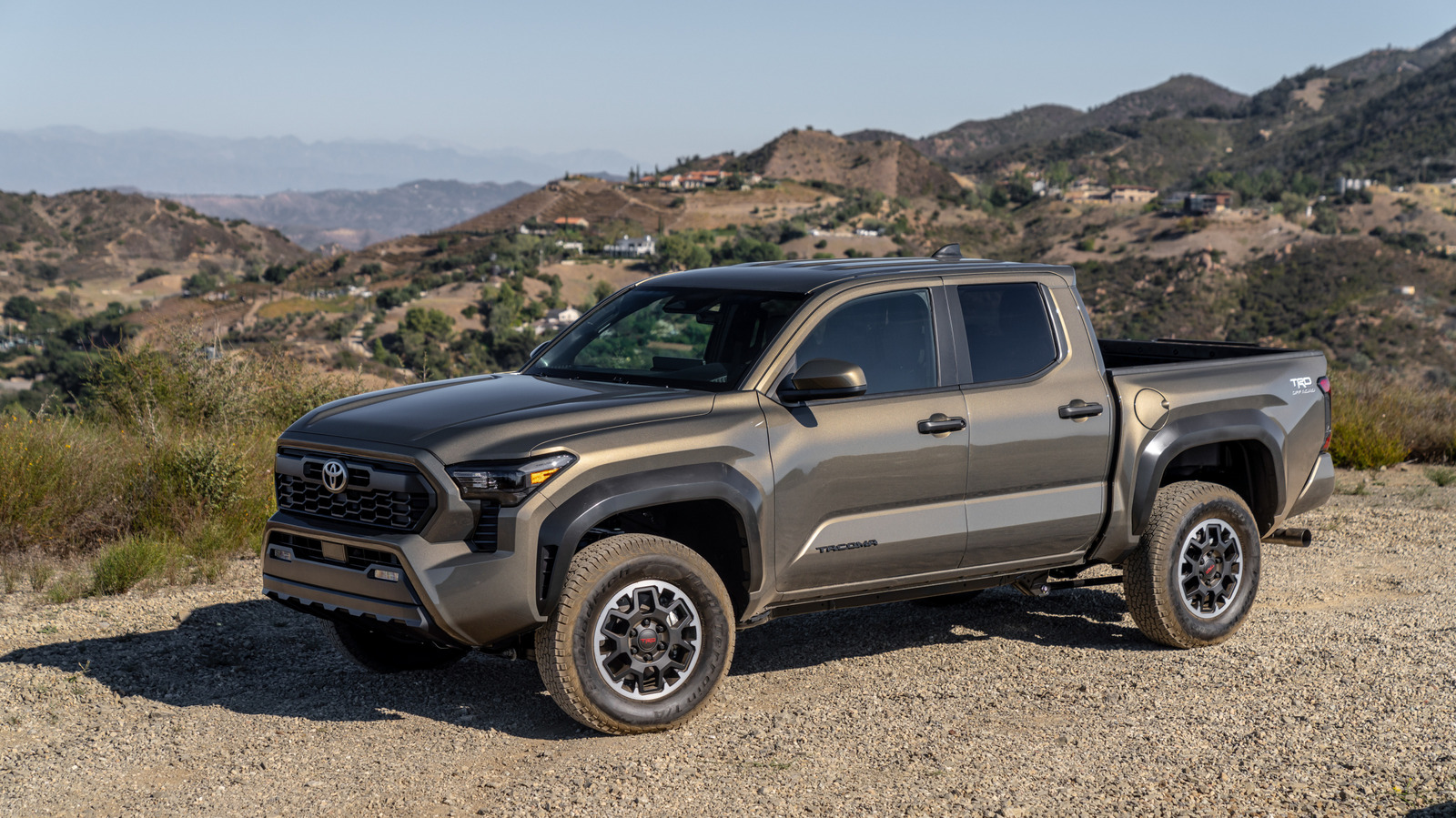

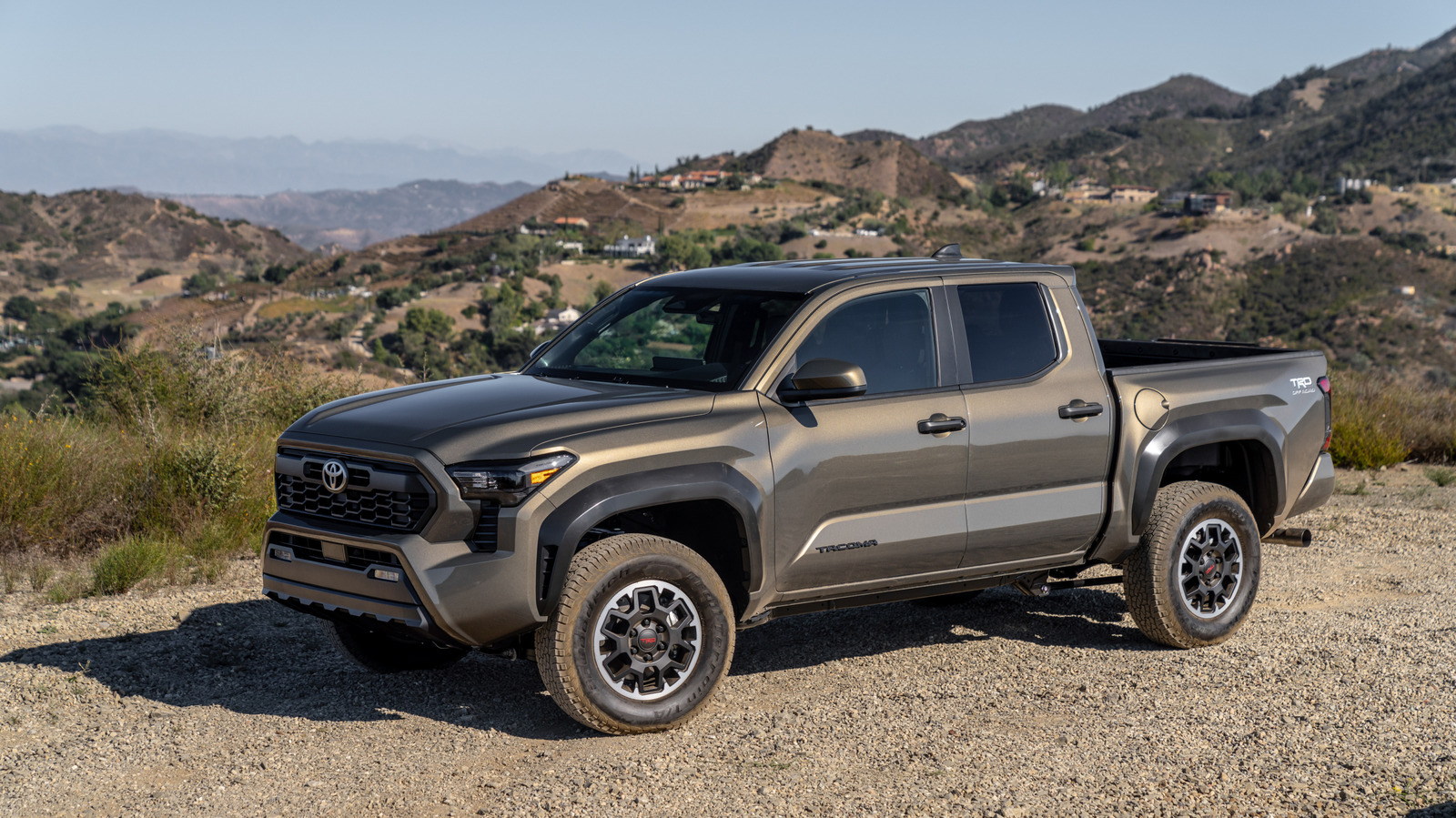
The Toyota Tacoma is a tremendously popular truck. Just last year, Toyota sold 274,638 units of the midsize truck. Currently, the truck is produced at the Toyota Motor Manufacturing Baja California plant in Mexico. However, by 2030, Toyota announced that it plans on moving the truck’s production to Texas as part of a $3.6 billion and 2.5 million square foot expansion to its San Antonio truck manufacturing plant, where the brand already makes the Tundra and Sequoia. Toyota did not announce what’s going to happen to the outgoing Baja plant once Tacoma production moves to Texas.
Despite being a Japanese company, Toyota produces a great many of its vehicles in North America and Central America. It has facilities in Texas, California, West Virginia, Missouri, Mississippi, Alabama, North Carolina, Indiana, and Tennessee. Just the Georgetown, Kentucky plant is responsible for perennial favorites like the Camry and RAV4, numbering 444,414 vehicle made last year, according to Toyota.
Smoothing out production
Putting the obvious political motivations for moving Tacoma production to North America aside (Toyota’s press release included quotes from judges, the governor, senators, and congresspeople), the current generation of Tacoma is a pretty big evolution from previous year’s models. For one, it rides on the hybrid-ready TNGA-F platform, the truck and SUV version of the global TNGA platform that underpins just about every new Toyota.
It’s not a coincidence that Toyota is moving the Tacoma to a plant that makes other vehicles that ride on the same platform, in this case the Tundra and Sequoia. Funnily enough, the Lexus LX, a vehicle that shares a lot of mechanical components with the Sequoia, is made in Japan.
Either way you interpret Toyota’s exact motivations for moving the plant to North America, this will likely streamline production of some of Toyota’s most popular models. And as competition in the midsize truck market heats up with pressure from Ford, General Motors, Nissan, and quite possibly Ram, smoothing out production could be a boon for the company to sell more trucks.

Stephan is the sports journalist for the Maple Grove Report.