U.S. Officials Confirm This Country Is One Of The Safest Destinations In Europe This Summer


Share The Article

There is a specific feeling you get when you step off a plane in a foreign country and realize you can actually lower your guard. It is not about being reckless or ignoring your surroundings; it is that rare, weightless sensation that the “something feels off” sensation has vanished. You are not constantly clutching your passport, you aren’t checking behind you on every corner, and you are not worried about whether you can walk to that highly rated restaurant in the evening.
U.S. Officials Confirm This Country Is One Of The Safest Destinations In Europe This Summer

For thousands of Americans heading to Europe this summer, that feeling of total ease is exactly what they will find in Croatia. As of May 18, 2026, the U.S. government has officially reaffirmed that Croatia remains at a Level 1 travel advisory, the safest possible ranking, meaning travelers are encouraged to exercise normal, everyday precautions.

It is rare to find a destination that combines such world-class beauty with this level of stability. When you arrive in Croatia, you are stepping into a landscape where the Adriatic Sea sparkles with a clarity that looks photoshopped, and the local rhythm is defined by slow-paced coastal dinners rather than frantic tourist traps.
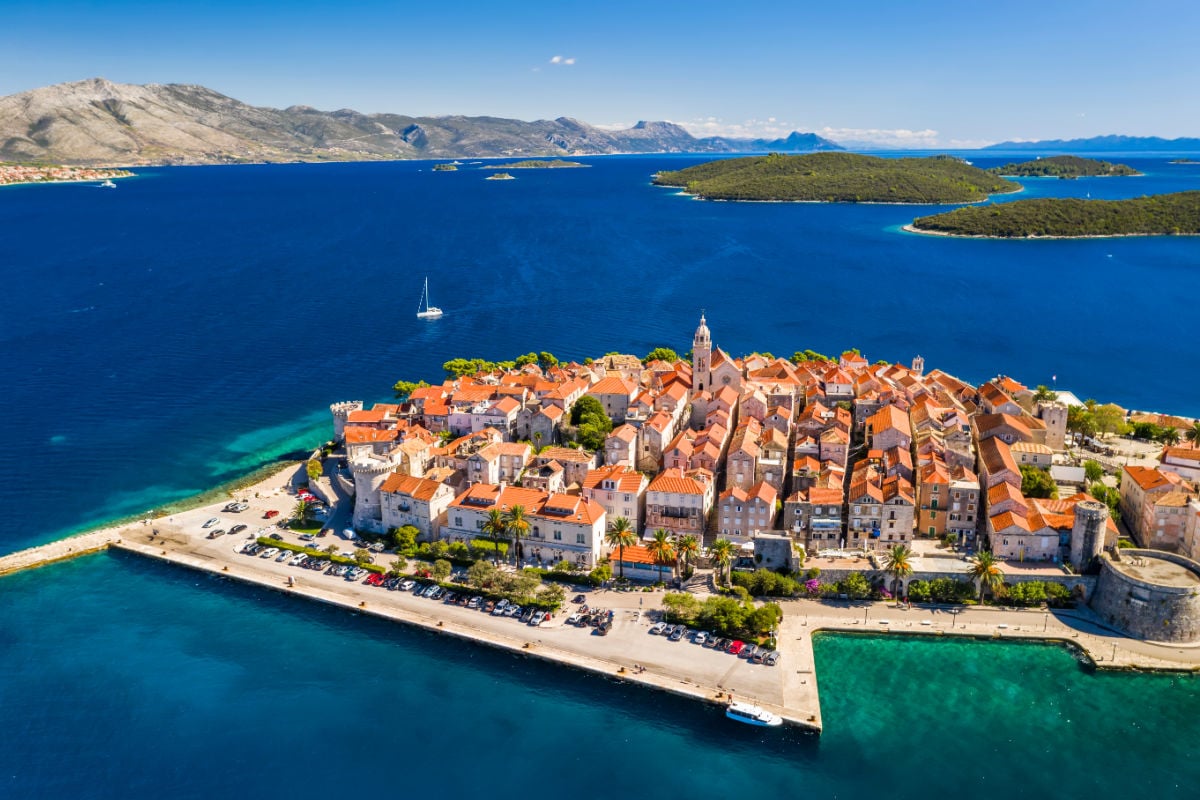
Aerial view of Korcula, Croatia

What Travelers On The Ground Are Saying Right Now

You can take the guesswork out of your next adventure in Croatia with our proprietary Traveler Safety Index, the world’s only real-time reporting system built on what travelers on the ground are actually feeling. Right now, this live data is painting a glowing picture of the Adriatic coast, with visitors currently rating Dubrovnik at an incredible safety score of 95 out of 100.

When you zoom out to look at the country as a whole, the majority of travelers are rating Croatia with a highly impressive 83 out of 100, a clear signal that the vast majority of tourists feel entirely safe and comfortable as they explore the region’s historic walls and hidden island coves.

The Balancing Act: The Hits vs. The Hidden Gems
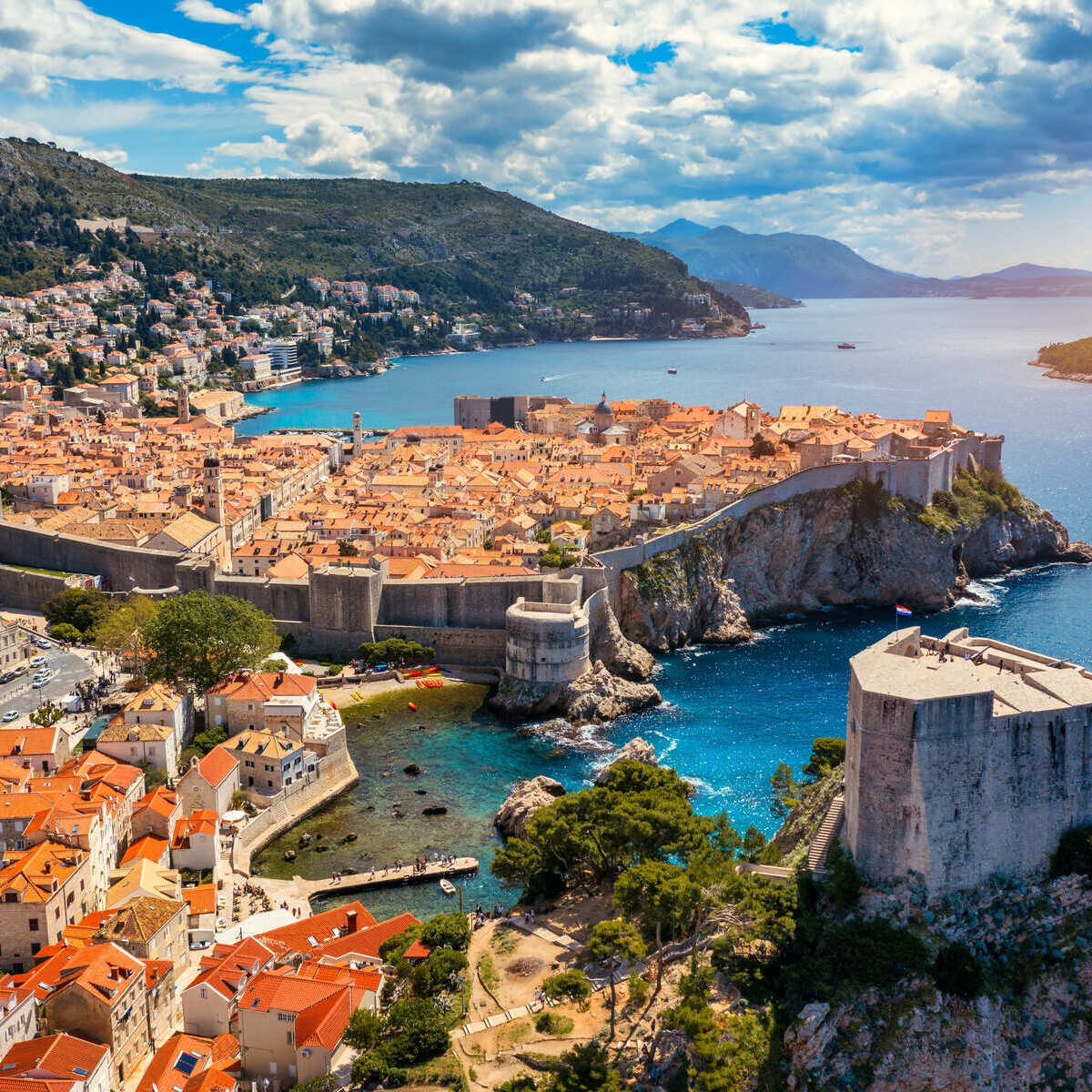
Panoramic View Of Dubrovnik, Croatia

Croatia’s popularity has exploded over the last few years, and for good reason. Cities like Dubrovnik and Split are absolute marvels of history. Walking through Dubrovnik’s medieval walls or stepping onto the ancient stone floors of Diocletian’s Palace in Split feels like walking onto a movie set.

However, popularity comes with a price. During the peak of summer, these two hotspots can get overwhelmingly crowded. You will be shoulder-to-shoulder with thousands of other travelers, waiting in long lines for photos and dealing with the inevitable chaos of massive cruise ship crowds. If you want the safety and the scenery without the crushing density of the main hubs, you have to look just a little bit further afield.
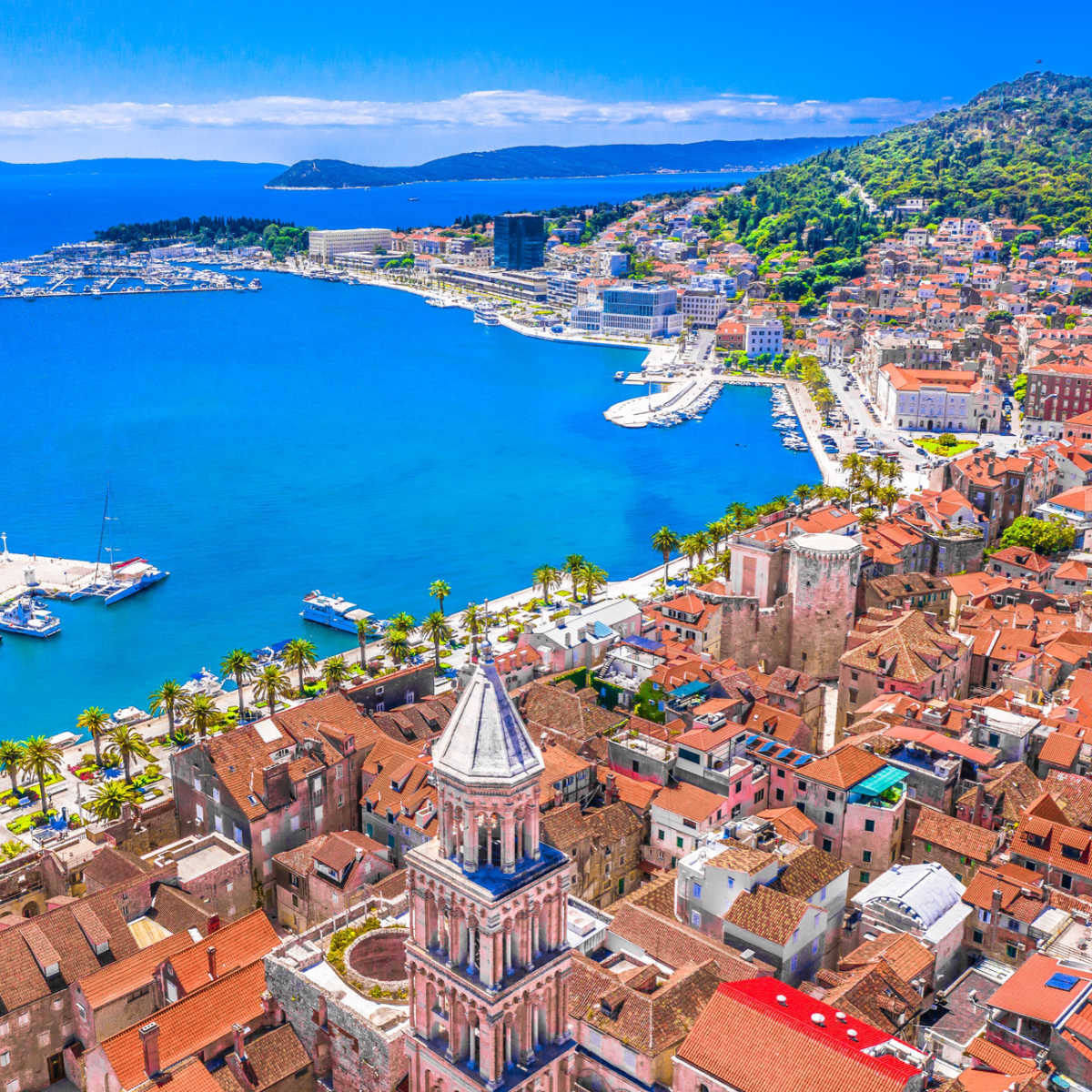
Aerial view of Split, Croatia's vibrant shores and red-tiled cityscape

Where To Go For The “Quiet” Croatia

If you want that authentic, stress-free European summer without the constant jostling of crowds, consider these alternatives that offer all of Croatia’s magic with significantly more breathing room:

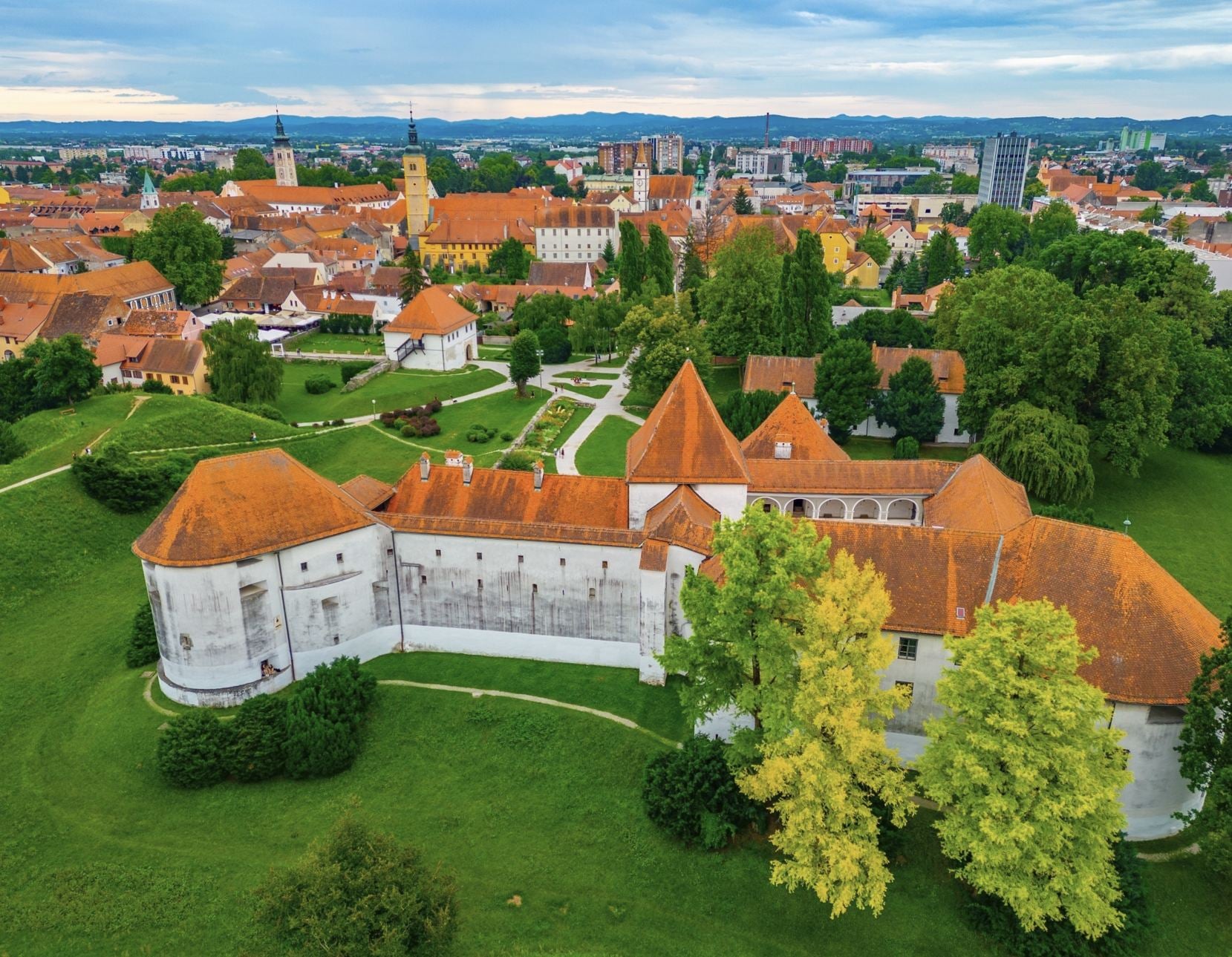
  • Varaždin: Often called a “baroque jewel,” this northern city is the perfect alternative to the coastal crush. It is packed with candy-colored palaces, cobblestone streets, and a striking medieval fortress. It feels noble, quiet, and exceptionally safe, offering a glimpse into the country’s refined history away from the beach-going masses.
  • Šibenik: Located near the famous Krka National Park, Šibenik is a UNESCO-listed gem that most tourists skip entirely. It offers the same dramatic stone architecture as Dubrovnik but feels like a real, functioning city rather than a museum. It is the perfect base for exploring waterfalls and islands without the massive cruise ship influx.
  • The Island of Vis: If your dream is true island authenticity, Vis is the answer. For decades, it was a restricted military base, which kept it entirely off the tourism radar. Today, it remains one of the most untouched spots in the Adriatic. You won’t find flashy megaclubs here; you will find quiet vineyards, hidden coves, and the kind of deep, restorative silence that is becoming impossible to find elsewhere in Europe.
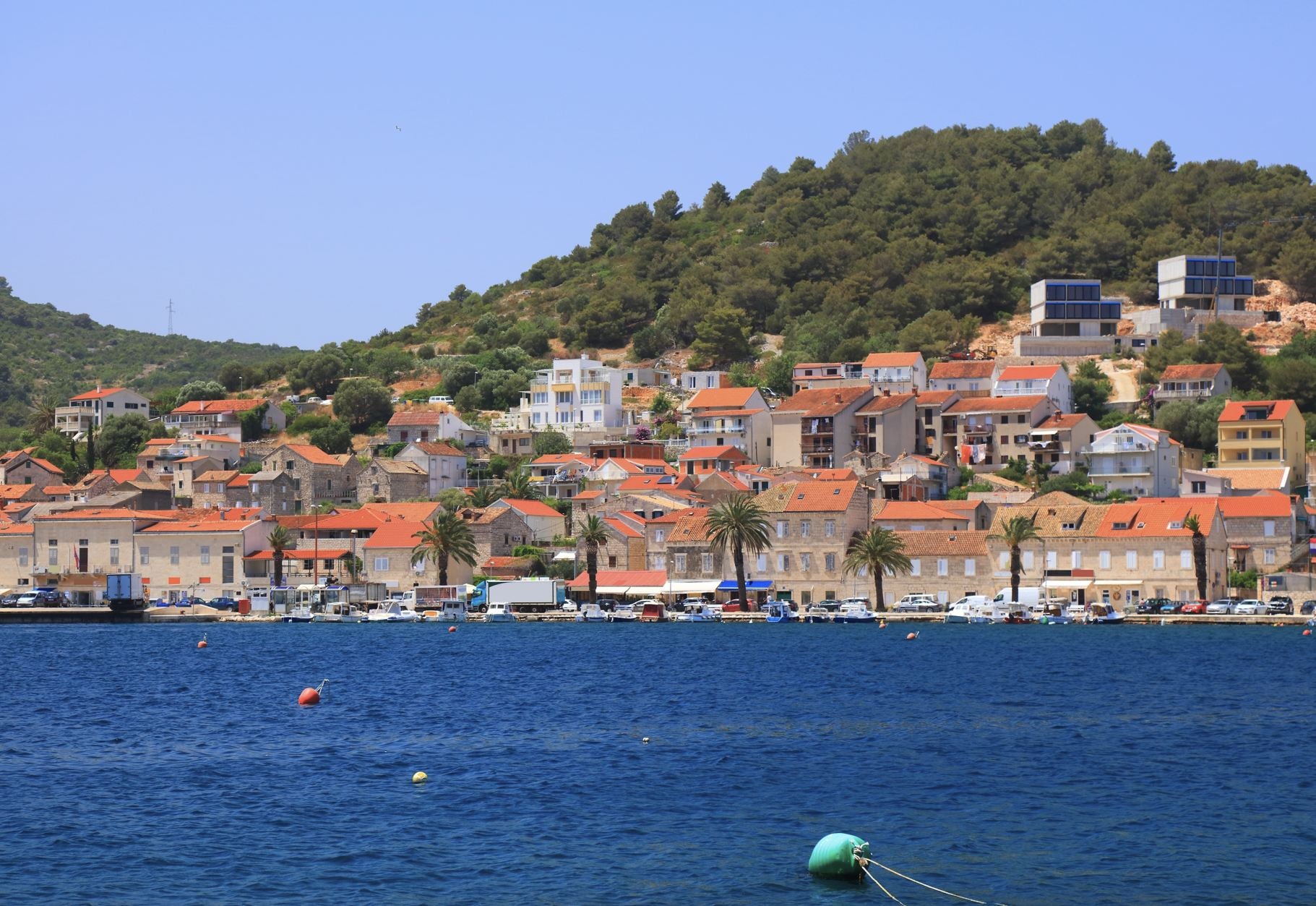
The Island of Vis
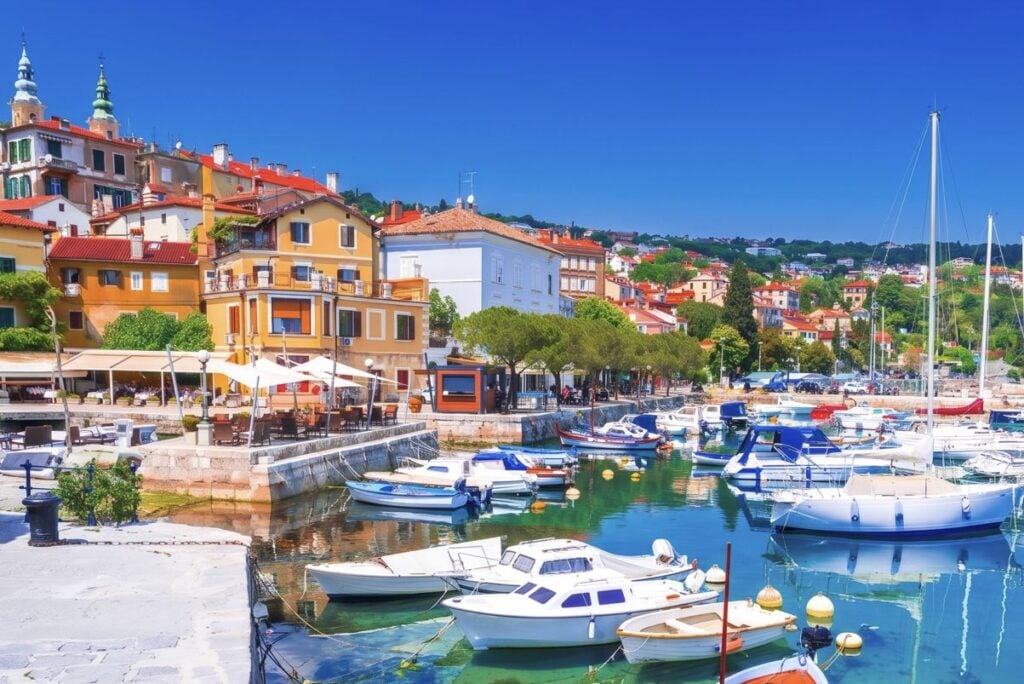
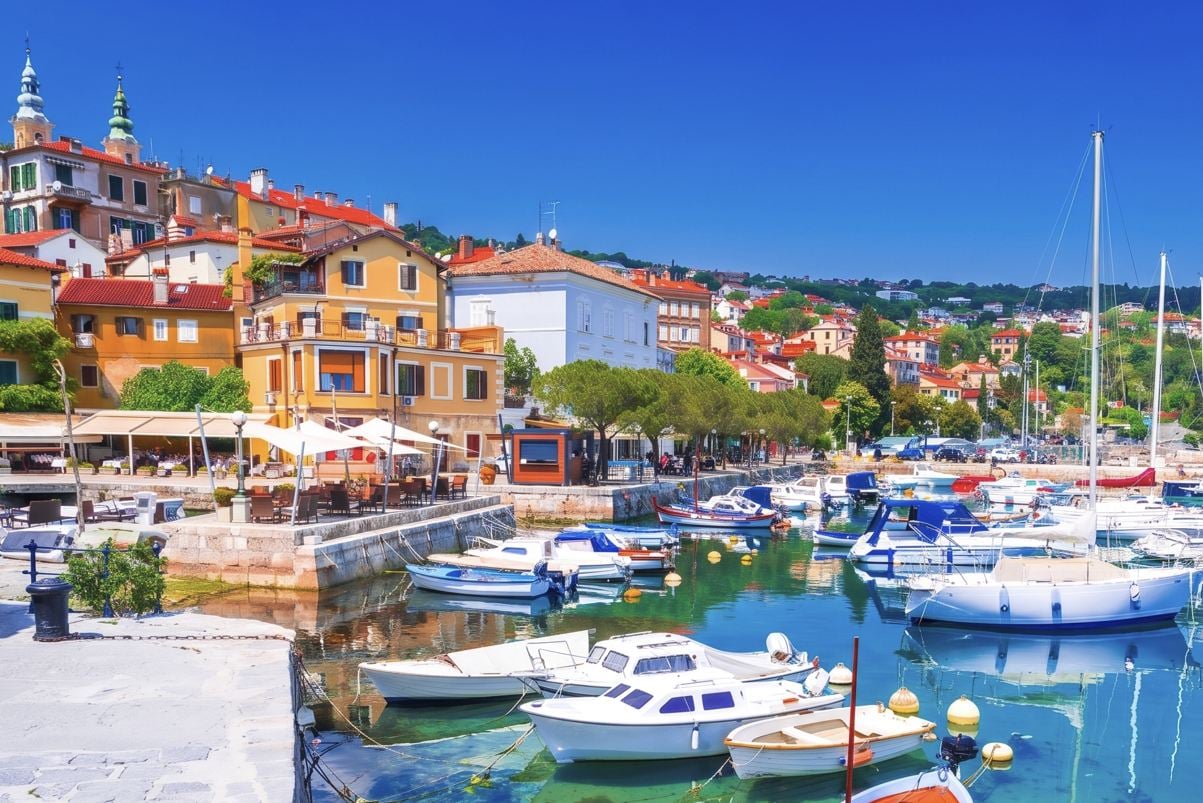
  • Rovinj: Tucked away on the Istrian Peninsula, this town feels more like a fairytale coastal village than a major tourist hub. Its pastel houses tumble right down to the sea, and while it stays lively, it lacks the frenetic, “theme-park” energy of the major southern cities.

Croatia’s status as a Level 1 destination isn’t just a classification; it is an invitation to explore. Whether you choose the famous walls of the south or the quiet vineyards of the north, you are choosing one of the most reliable and beautiful experiences Europe has to offer in 2026.


Source link

Leave a Reply

Subscribe to Our Newsletter

Get our latest articles delivered straight to your inbox. No spam, we promise.

Recent Reviews


Digital marketing changes fast. One minute a platform is hot, the next it’s outdated. Consumer habits shift quickly, and the strategies that worked last year might not work today. If you’re trying to stay relevant in this ever-evolving field, the big question is: how can you level up your skills without going back to school?

Whether you’re brand-new to marketing or a traditional marketer moving into digital, here are seven practical (and proven) ways to sharpen your skills, no formal degree required.

1. Take Online Courses That Actually Teach You Something

Not all online courses are equal. The best ones are built by marketers who actually do this stuff every day not just teach theory. These courses blend hands-on learning with real-world projects that help you build skills employers care about.

What to look for:

  • Instructors with real industry experience
  • Projects based on actual campaigns
  • Updated content that reflects current tools and platforms
  • Certifications that carry weight on your resume

Recommended platforms: Google Skillshop, HubSpot Academy, and LinkedIn Learning are all great places to start.

2. Learn from the Pros in the Industry

Want to know what’s working in digital marketing right now? Follow the experts who are already doing it. They share not just tactics but also insights into the strategy behind successful campaigns. If your goal is to become an SEO expert in Nepal, seek out local professionals who are ranking well or leading agencies you’ll gain insights that are specific to your market.

How to get the most from them:

  • Follow a mix of global and local thought leaders
  • Subscribe to their newsletters and podcasts
  • Ask questions and engage with their content
  • Join their webinars or virtual events

Tip: Pick experts in areas you want to master—SEO, social media, email marketing, or AI tools.

3. Use Free Resources to Explore and Learn

You don’t always have to pay to learn. There’s a ton of free, high-quality content online that covers everything from the basics to advanced strategies.

Top free resources to check out:

  • Coursera & edX: Free courses from top universities
  • Google Digital Garage: Solid fundamentals in digital marketing
  • YouTube: Tutorials, breakdowns, and real case studies
  • Blogs: Keep up with Moz, Search Engine Journal, and Content Marketing Institute

4. Get Hands-On with Personal Projects

Reading is helpful, but doing is where the real learning happens. Try testing strategies on a personal blog, passion project, or fictional brand.

Simple project ideas:

  • Start a blog and learn SEO by optimizing your posts
  • Run a small Instagram or Facebook campaign
  • Build an email list for a hobby or passion project
  • Try a basic Google Ads campaign with a tiny budget

5. Join Online Communities and Connect with Others

One of the best parts of digital marketing is the community. There are countless online (and offline) spaces where marketers help each other grow.

Where to find them:

  • LinkedIn groups: Look for niche-focused communities
  • Reddit: r/digitalmarketing, r/SEO, and r/PPC are packed with advice
  • Slack groups: Many cities and marketing niches have active ones
  • Local events: Don’t underestimate the power of in-person networking

6. Get Certified (It’s Worth It)

Certifications show that you’ve taken the time to learn and understand the tools. They’re especially helpful if you’re transitioning from another field or just getting started.

Top certifications to consider:

  • Google Ads & Google Analytics
  • HubSpot Inbound Marketing
  • Meta (Facebook) Social Media Marketing
  • Salesforce Marketing Cloud (for advanced roles)

7. Analyze Real Marketing Data

Looking at real-world data helps you understand what works—and what doesn’t. Try working with small businesses or nonprofits to get your hands on real campaign results.

Where to find real data opportunities:

  • Help a local business improve their online presence
  • Volunteer for a nonprofit’s marketing team
  • Freelance on small gigs to build a portfolio
  • Ask your employer to let you assist on a digital campaign

The Skills That Will Make You Stand Out

To be great at digital marketing, you need a mix of creative and analytical abilities. The top marketers are flexible, data-savvy, and constantly learning.

Here’s what to focus on:

  • Analytics: Know how to read and act on data
  • Writing and content: Craft messages that get attention and convert
  • Tech skills: A basic understanding of HTML, email tools, and CRMs
  • Strategy: Know how to align marketing goals with business objectives
  • Adaptability: Be ready to pivot with new trends and tools

Start Small, Learn Fast

You don’t need a fancy degree to break into or level up in digital marketing. What you need is consistency, curiosity, and a bit of creativity. Pick one or two of the strategies above that fit your style, and commit to them for the next month.

Most importantly, don’t just learn—apply. Watch a course, then launch a mini-campaign. Read a blog, then try out the strategy on your own site. Digital marketing rewards action, not just knowledge.


Source link