Waymo Issues Another Recall, This Time Over Highway Construction Zones


Nearly 4,000 Waymo vehicles, the company’s entire fleet of fifth-generation robotaxis, are affected by a new recall issued by the National Highway Traffic Safety Administration related to driving near or within freeway construction zones.

According to an NHTSA report, incidents in Phoenix, Arizona, and San Francisco have raised concerns that autonomous taxis are driving into construction zones to avoid traffic hazards. Those incidents took place in April and May, respectively.

A representative for Waymo didn’t immediately return a request for comment.

The report says that Waymo cars could enter closed construction zones “at speed” because they are incorrectly prioritizing other highway hazards and failing to recognize the construction zones.

The issue affects Waymo vehicles using the fifth generation of the company’s Autonomous Driving System, which would be all of its Jaguar vehicles in service. The company has been rolling out sixth-generation vehicles this year, but they are not listed as part of this recall.

Waymo will remedy the situation by making “software improvements to avoid entering a construction zone and detecting that the AV is within a construction zone, as well as additional operational protocols… The remedy will enhance Waymo AVs performance in and around freeway construction zones,”  according to the NHTSA report.

Previous recalls and issues

While Waymos have become reliable ridesharing fixtures on the streets of cities including Austin, Los Angeles, Atlanta and Orlando, they have also been the subject of some high-profile incidents involving vehicles gone wrong.

In May, a similar recall was issued over the risk of Waymo vehicles driving into flooded areas, posing a safety hazard. Waymos have also been the subject of an investigation related to vehicles driving past stopped school buses and stalling during power outages, as happened last year in San Francisco.

Waymo also drew the attention of Austin’s City Council when a robotaxi blocked emergency response vehicles after a mass shooting in March. A similar incident occurred in Dallas earlier this month when a Waymo robotaxi blocked a road that emergency responders were trying to use after an apartment explosion.

Tesla, Zoox and Uber are other companies that are competing with Waymo in the robotaxi market.


Source link

Leave a Reply

Subscribe to Our Newsletter

Get our latest articles delivered straight to your inbox. No spam, we promise.

Recent Reviews


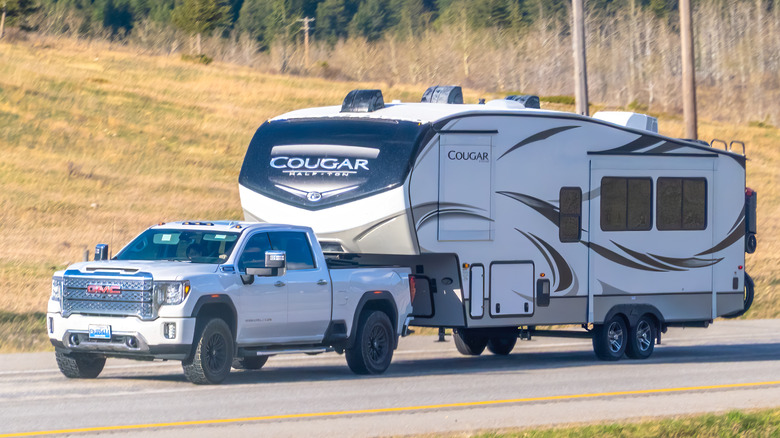
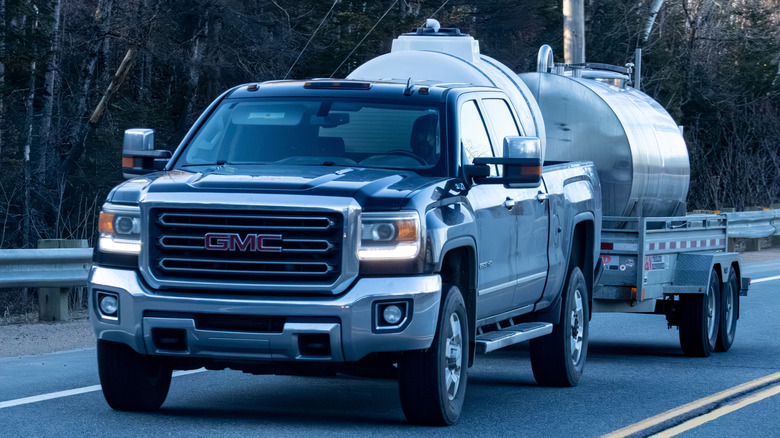
Towing can be a very stressful activity for your truck. If you think of its engine as the beating heart of your truck, then the oil flowing through it is its blood supply. Changing your truck’s oil at the proper intervals keeps it fresh and performing at its peak, which is particularly important if you regularly tow heavy loads. If you tow often and have ever wondered whether it changes how often you need to change your oil, you’re in the right place.

The stress of towing comes in many forms. Towing creates higher friction and generates more heat in your engine. These conditions will cause your oil to wear out much faster, so you should change it more often. A good rule of thumb is to change your oil twice as often as you would if you were not towing, and more frequently if you tow regularly or notice any warning signs. 

These warnings can include reduced fuel efficiency compared to what you normally experience while towing, increased vibration, smoke from your exhaust, strange smells, a noisier engine than usual, or the oil warning light coming on. Consider any of these signs as red flags — pull over and check your oil immediately before it gets any worse. If you’re feeling handy and you’d like to save some cash, it’s also pretty easy to change the oil yourself.

Other factors to bear in mind

You should be aware that towing is generally considered a “severe driving condition,” to quote the Ford F-150 manual. If you use your truck for towing, consult your owner’s manual to see if your manufacturer specifies specific service intervals for these more intense use cases. Newer trucks may also feature oil-life monitoring systems that take the added wear and tear of towing into account and can alert you when the oil needs to be changed.

Other considerations that should be part of your truck’s oil change schedule include the type of oil you use. Synthetic oil is generally preferable for engines that tow regularly, but you should always consult your owner’s manual and use what it recommends for towing or other severe uses. You should also consider the oil weight if you endure harsh winters or if your truck must operate in extreme conditions. Finally, check your oil level regularly to ensure you don’t end up towing with an engine that’s low on oil. Overall, more frequent oil changes in a truck you use for towing will pay off in many ways. It will help keep your truck’s engine in better shape, with fewer issues and less downtime. 


Source link