
Although they all perform the same core job, new refrigerators can differ in a wide variety of ways. Most major refrigerator brands offer options at a selection of different price points, and many pricier refrigerators offer a long list of additional functions and features that some people will find more useful than others. Working out which one is best for your needs can feel like a challenge, but one of the first things to consider if you’re looking for a new appliance is where you’re going to put it.
Virtually all new refrigerators are designed to work in climate-controlled rooms, where the temperature doesn’t fluctuate too much between seasons or between the time of day. However, if you want to place your new fridge in a garage, workshop or anywhere else without a controlled climate, you’ll need an appliance that’s “garage-ready.”
A garage-ready refrigerator is optimized for a wider range of outside temperatures than a standard refrigerator, so it’ll be able to continue functioning normally when the garage gets very hot or very cold. These refrigerators use a different refrigerant that’s better suited to operating in varied temperatures, and they can operate between 38°F and 110°F.
If you need a freezer that’s able to function in even colder conditions, a dedicated chest or upright freezer will be more resilient than a fridge-freezer. A freezer that’s marked as being garage-ready should be able to operate between temperatures of 0°F and 110°F.
What happens if you put a non garage-ready fridge in the garage?
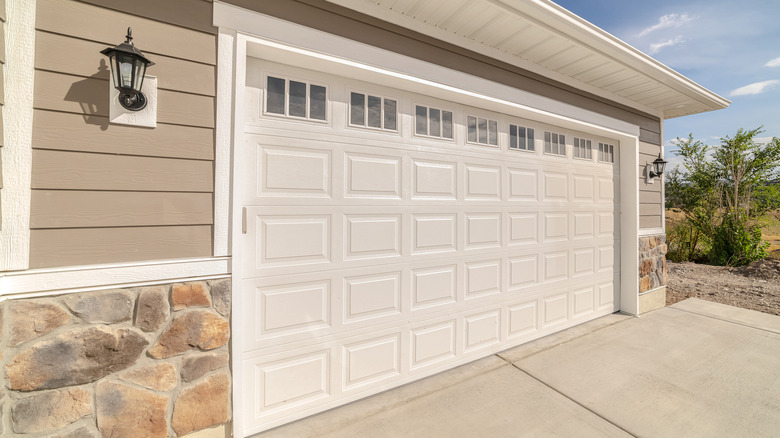
All garage-ready refrigerators and freezers will be able to operate normally if you decide to put them in your kitchen, but a non garage-ready appliance should not be placed in the garage. During summertime, if the garage gets excessively hot, a non garage-ready fridge might struggle to get its internal temperature low enough, which poses a safety risk if there are perishable contents inside.
Even if it is able to reach the correct temperature, it might use more electricity than normal, as it will need to run for a much longer period. Over time, that increased runtime can put added stress on the fridge’s internals. Estimates for how long a new refrigerator can last range somewhere between 12 and 20 years depending on the make and model, but running it in an excessively warm environment can potentially shorten its lifespan. A non garage-ready refrigerator will struggle in excessively cold temperatures too, since it might not be able to fully cycle, which can lead its internal temperature to rise.
Some garage-ready refrigerators have a dedicated “garage mode,” which you’ll need to activate when the garage gets to a very high or low ambient temperature. To check whether your appliance has this mode and work out exactly when you’ll need to use it, you’ll need to consult your owners’ manual. While you’re doing so, it’s worth taking the time to check if there are any other buttons or features that you’re unfamiliar with, like Sabbath mode or Power Freeze mode.

Stephan is the sports journalist for the Maple Grove Report.