
Tires are easily one of the most important fixtures you’ll find on any automobile. They do, after all, have a direct impact on many facets of the driving experience, affecting everything from the comfort and safety of your ride to your vehicle’s overall fuel economy. Given their importance, it’s not surprising that tires are generally pretty expensive, particularly if you’re paying for the sort of quality provided by major tire manufacturers.
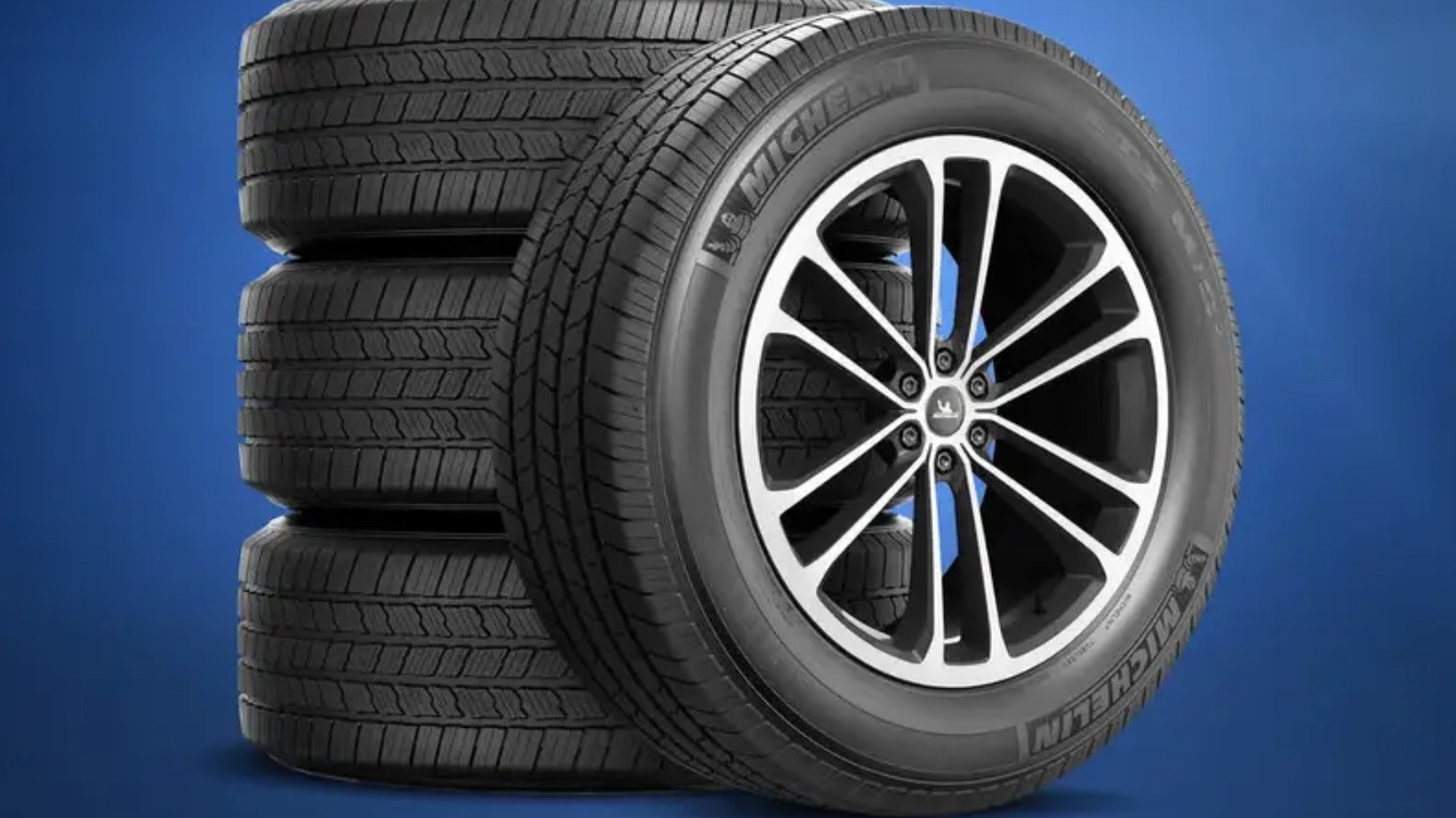
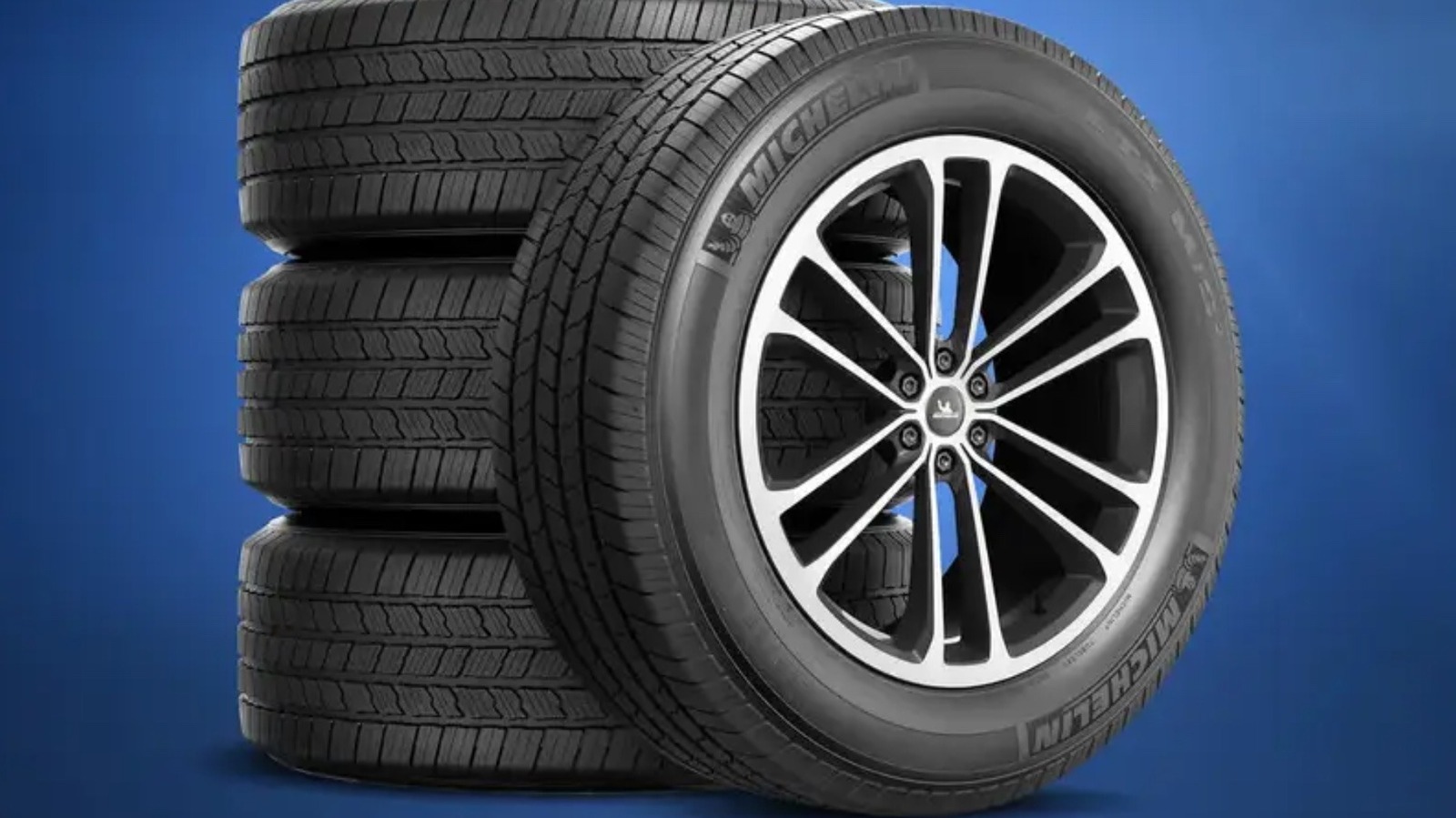
Among those brands, Michelin is a name that regularly appears near the top of such lists. The family-owned faction has long held a reputation for making some of the best tires in the consumer market. However, Michelin also makes a wide range of tires fit for use on virtually every make and model of vehicle. That fact alone can make it difficult to discern which Michelin model is right for your car, truck or SUV. Checking the markings on the tire’s sidewall can, of course, aid dramatically in that endeavor, assuming you know what markings such LTX actually mean.
That particular marking is standard on several models of Michelin tire that you’ll find in any number of retail outlets. Michelin hasn’t officially confirmed the meaning of the LTX designation, though it’s clear the company intends them for use on smaller trucks, vans, crossover utility vehicles, and sport utility vehicles. One might reasonably assume the letters mean Light Truck and Crossover, but it seems the designation was simply trademarked by Michelin to cover one particular family of tires in its lineup.
More information on Michelin’s LTX tires
Now that we’ve revealed what the LTX markings on Michelin tires mean, it’s only natural to wonder exactly what separates that family from the brand’s other tire models. Given the general class of vehicle the LTX tires are designed for, you’d be correct in assuming that they are typically a little larger than you’ll find on your average passenger car.
Like many of those smaller car tires, Michelin’s LTX models are also all-season. That means you’re intended to get the best performance from them no matter what Mother Nature might throw at you and your vehicle the next time you’re out on the road. To that end, Michelin’s LTX tires may be an ideal option as a daily commuter for your light duty truck or SUV.
According to Michelin, the LTX tire family might also be a solid pick for folks who choose to take their vehicles into more out of the way places on the weekends. The company claims that these tires are fit with all-terrain ready traction designed to provide as safe and smooth a ride on concrete as they do on gravel or dirt roads. At present, Michelin’s website lists just a handful of tires in the LTX family, including the LTX A/T2, the LTX M/S2, the LTX Trail, and the Defender LTX Platinum. Those tires all vary in design and function, so you’ll need to study up or consult a tire pro to determine which best suits the needs of your vehicle.
What you can learn by looking at the sidewall of a Michelin tire
According to one of SlashGear’s in-house sources, many of Michelin’s LTX tires are actually p-rated, meaning they aren’t strictly designated for light truck use. Certain LTX tires, particularly those in the Defender lineup, may even be suited for use on smaller vehicles. To that end, it’s worth noting that the LTX label is not a specific tire code classification. Rather, it is intended to designate them as part of Michelin’s LTX tire family.
There is, of course, a treasure trove of other information one might uncover by reading through all the number and letter codes found on the side of Michelin tires, as those signifiers cover everything from a tire’s size to its specific point of origin. As for the former info, size is first indicated by a letter designation, with “P” being passenger, “LT” indicating light truck, and so on. That is typically followed by a number designation indicating a tire’s width and aspect ratio; for example, a Michelin Defender LTX with “LT225/75” on its sidewall means it’s a light truck tire with a 225mm width and a 75% aspect ratio.
Construction type and wheel diameter are typically designated by an R for radial, with a number coming after it, measured in inches. Meanwhile, load rating and speed rating are similarly denoted, though the speed number comes first in this designation, with a letter following after. Load and maximum inflation pressure measurements can also be found on the sidewall, as are numbers indicating the tire’s week and year of manufacture. Michelin additionally indicates a tire’s snow and all-season capabilities, as well as OE (Original Equipment) classification, which indicate if a tire was designed for use on a specific make or model of vehicle.

Stephan is the sports journalist for the Maple Grove Report.