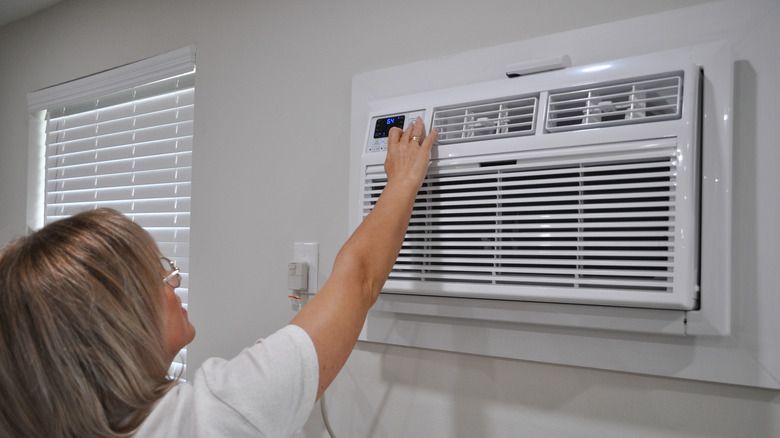

As the summer of 2026 approaches, every day that passes makes your home’s air conditioner an increasingly necessary part of your daily life. Nobody likes sitting on their living room couch sweating because it’s so hot, so having the A/C blowing cool air can be a real lifesaver. While we greatly appreciate the comfort it provides, there are some drawbacks to using A/C in really hot weather that you need to be mindful of. One way to ensure your A/C unit is functioning properly and efficiently in these times is to follow the 20-degree rule.
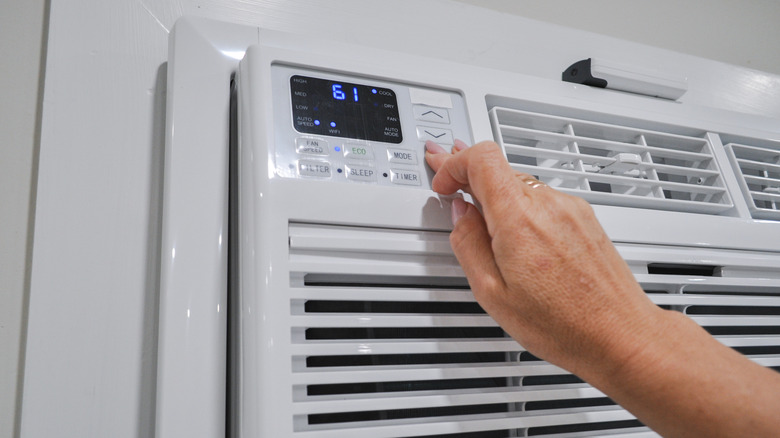
The 20-degree rule states that your A/C shouldn’t be running more than 20 degrees below the outside temperature. So, if it’s 95 degrees outside, your A/C shouldn’t be set anywhere below 75 degrees. If the difference is less than 20 degrees, there’s a high likelihood that your A/C unit will run constantly rather than turn on intermittently, and even then, the unit may not be powerful enough to reach that lower temperature anyway, making that constant running useless. For better results, you should be within that 20-degree gap rather than bumping up against the limit’s edge. This 20-degree rule obviously applies to temperatures measured in Fahrenheit. If you’re using Celsius, the approximate equivalent is an 11-degree rule.
By sticking to this rule, you look to benefit in a number of ways. You extend the life of your home’s A/C and will spend less money per month on your power bill. If you push the limits, it could end up costing you big time.
The consequences of a constantly running air conditioner
There are many variables that affect how much your average monthly air conditioner usage will cost. You have to consider the size of your A/C unit, the area it covers, the climate you live in, your home’s insulation, the cost of energy in your area, and more. Home Guide estimates that people typically spend about 15 cents per kWh, and that a central air conditioning system would cost, on average, anywhere from $30 to $270 per month, taking all of those variables into consideration. These estimates are based on the assumption that your A/C runs about 8 hours per day. Well, if it’s constantly running to try and reach a temperature over 20 degrees below what’s outside, you’re looking at a dramatic increase in these costs. Theoretically, you could be spending three times as much as these averages on A/C power per month if it runs 24 hours per day.
Another way this constant running could cost you more money is by requiring repairs or a complete replacement of your A/C unit. The average lifespan of an air conditioner varies from unit to unit, but you can typically expect 15 to 20 years for a central air unit and 8 to 10 years for a window unit. These ranges account for average usage. By not following the 20-degree rule, you risk overworking them, which can cause parts to break or the unit to fail much earlier than it should. Once that happens, you have to shell out for a whole new A/C unit. This simple rule can save you a ton of money.
Other ways of cooling your home
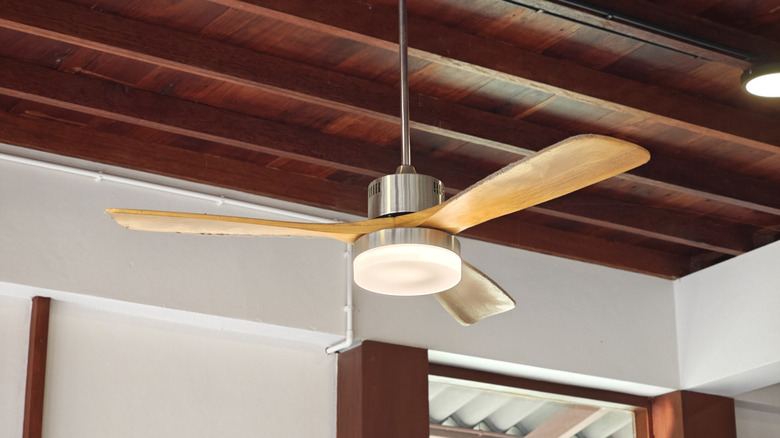
There are times when you need to use reinforcements to help your air conditioner cool your home if following the 20-degree rule doesn’t seem feasible because it’s so hot outside. Probably the most obvious device is a ceiling fan. Often, a room feels hot just because the air is still. If you turn on a ceiling fan and get some circulation going, it’s going to feel a lot more comfortable, even if the actual temperature in the room hasn’t really changed. For those who don’t have ceiling fans, other types of fans should work just as well, whether it’s a small portable fan or an oscillating tower fan.
Another great way to reduce the temperature in your home is to close the drapes on your windows. If you’re in a home where the sun is shining through your windows, it’s just naturally going to get warmer in that room. Getting drapes to block out the sun removes an entire source of heat.
Removing sources of heat inside your home will also help make the temperature feel more comfortable. If you’re running a lot of electronics in your home, they can emit unwanted heat. This includes everything from televisions to computers to even light bulbs. Turning off the ones you don’t need to be using can help as well. While all of these suggestions are great when the 20-degree rule is in effect, they are also just some of the ways to prolong the life of your A/C unit in general and can be applied year-round.

Stephan is the sports journalist for the Maple Grove Report.