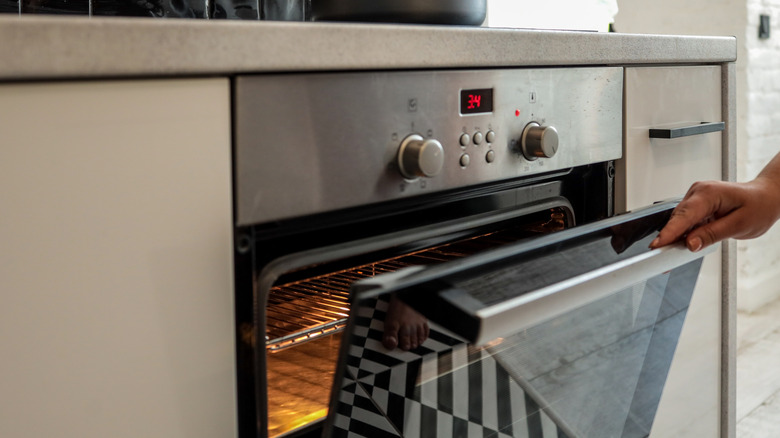

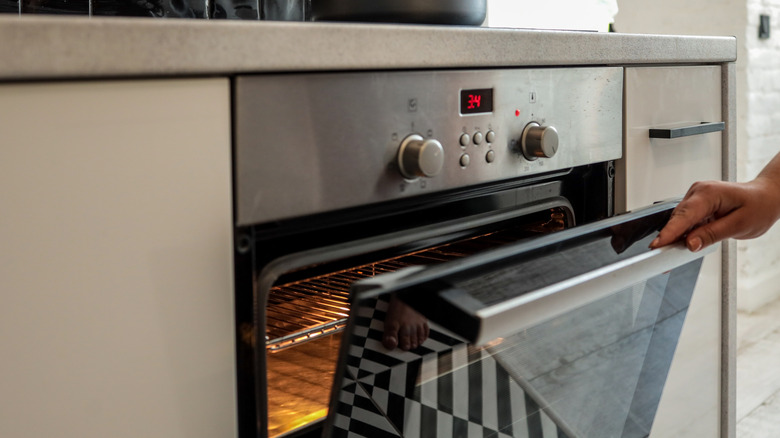
Replacing a kitchen appliance can be an expensive, frustrating venture. Unless you’re intentionally renovating and upgrading your space for a brand-new look, most of us hope to get as much life as possible from our dishwashers, refrigerators, ovens and more. And unless takeout is your main diet, most of our kitchen appliances get a daily workout. From baking muffins on a Sunday morning to roasting a chicken for a weekday meal, the oven is an indispensable part of our cooking routines. But how long does a typical oven last before it needs to be replaced?
Despite its daily use, both electric and gas ovens tend to last longer than other appliances. Dishwashers typically last up to 10 years and microwaves often need replacing in half that time, but you can expect your oven to last 10 to 15 years. If you have a gas oven, you may get up 17 years of life before you’re forced to invest in a new one. Of course, your oven’s lifespan depends on a variety of factors, including the type of oven, how often you use it, the brand, and your maintenance of the appliance. Gas ovens tend to last longer because they have fewer electrical components.
Replacing your oven will cost on average anywhere between $600 to $3,000 or more, depending on the type and brand you select. You may also have to factor in delivery and installation costs. Built-in wall ovens are more expensive, and you may pay slightly more up-front for a gas oven as well.
Signs it’s time to buy a new oven

Unless you’re looking to intentionally upgrade, there’s no reason to shell out hundreds or thousands of dollars for a new oven until you absolutely have to. But until your oven simply stops working completely, how do you know it’s on the decline? There may be several signs that the appliance is running on borrowed time.
If your tried and true recipes are suddenly coming out of the oven either undercooked or overcooked, it’s an indication that something has gone wrong. The heating element may be going bad, or a temperature sensor may have malfunctioned. An oven that is taking longer than normal to heat up is also a bad sign and could be due to a variety of factors, including the thermostat, control panel, or heating element. Other signs of a malfunctioning appliance include a strange odor and dials or controls that stop working.
The general rule of thumb when it comes to appliances is if the repair is more than 50% of the cost of a new unit, it makes more sense to simply replace the appliance rather than pay for the fix. The average cost of an oven repair is about $130 to just over $300, but you often have to add labor to that cost. There are a few simple things you can do to extend the life of your oven. Keep your oven clean, but avoid overusing the self-cleaning mode, which can cause premature wear and tear. Don’t put aluminum foil in the bottom as it can damage the heating element, and keep the vents and area around the oven clean to maximize air flow.

Stephan is the sports journalist for the Maple Grove Report.