
Whether you pay to play on a console or a PC, gaming is an expensive hobby, and it has only gotten pricier in recent years. Thus, it’s a welcome surprise when so many who’ve taken up the pastime have the chance to get some cash back from it. This is what could be about to happen with Sony, which has agreed to a $7.85 million class action lawsuit payout. The company, which didn’t admit wrongdoing, was accused of violating antitrust laws through its PlayStation store. It was alleged that Sony created a monopoly on games and overcharged gamers on digital copies after preventing other retailers from selling digital redemption codes.
In terms of eligibility, numerous PlayStation gamers have the potential to get a part of this payout. Those who made digital game purchases between April 1, 2019, and Dec. 31, 2023 through the PlayStation Network are included, with specific games being included as part of individuals’ eligibility determination. Around 100 different titles from “No Man’s Sky” to “Twisted Metal” to “The Last of Us” are included on the eligible game list from the settlement’s website. Those with active PSN accounts will have their payout sent directly to their account wallet upon fund dispersion.
As of publication, the settlement has only been given preliminary approval, with a final approval hearing slated for October 15, 2026, to finalize it. That’s to say there’s still some waiting to be done before those potential payouts release, so what do you or do you not need to do while you wait?
How to take action (or not) in the Sony settlement case
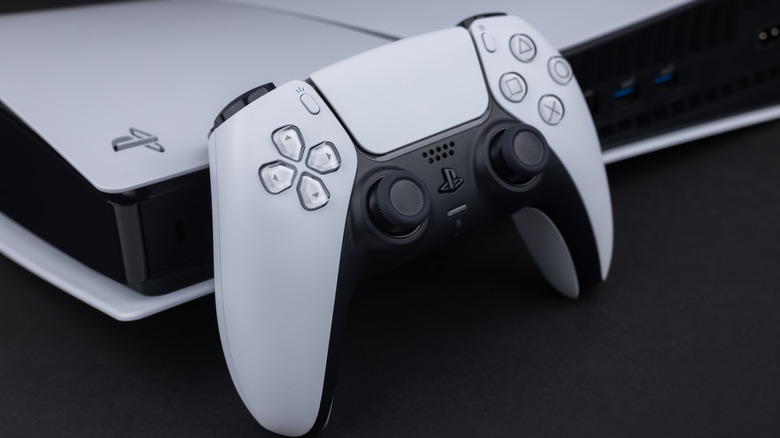
There are multiple avenues to be involved in the $7.85 million Sony settlement case. If you currently have an active PlayStation Network account, fit the aforementioned eligibility criteria, and want your share of the payout, you actually don’t have to do a thing. You’re one of the roughly 4 million gamers already counted in and will automatically receive your share in your account wallet as mentioned. All you’ll need to do is sign into your PSN account and keep an eye on your balance once payouts begin. Should you qualify but don’t want to take the money, like if you intend to pursue individual legal action against Sony, for example, you have until July 2, 2026, deliver an opt-out request.
As for those who had a PSN account during the April 1, 2019, to Dec. 31, 2023 eligibility period but have since deactivated it, you unfortunately have a bit more to take care of. You need to reach out to the email address info@PSNDigitalGamesSettlement.com, where you can inquire about the settlement and your eligibility. You’ll need proper identification, account information, and proof of purchase that identifies you as having made qualifying purchases during the case window. Should you qualify, your share will be delivered as cash payment rather than a PSN wallet credit.
While $7.85 million is a lot of money, spreading it across roughly 4 million PlayStation players doesn’t mean massive payouts from person to person. Still, these days, every bit helps, so at least gamers will have a little something to look forward to should this settlement reach final approval.

Stephan is the sports journalist for the Maple Grove Report.