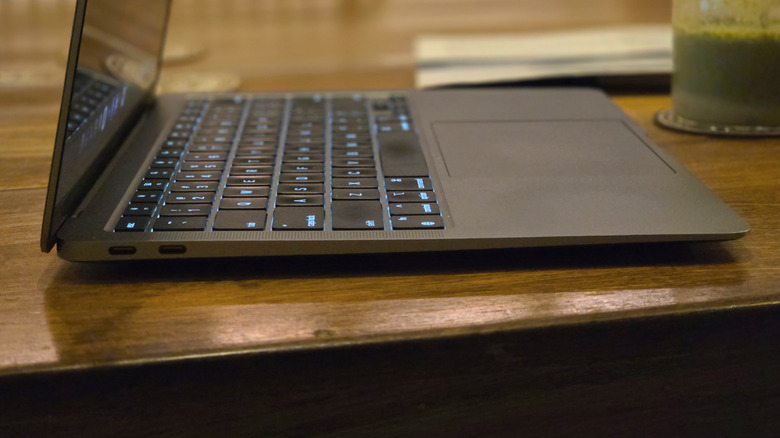
Why Do Some Laptops Not Have Ethernet Ports?


For a very long time, getting wired to the internet simply meant grabbing a cable, finding that rectangular Ethernet port, and clicking it into place. There were no network names to scroll through and no complicated passwords to punch in, and certainly a very low chance of the signal dropping halfway through a download. Then came the thinner laptops. In a world where even USB-A ports are disappearing, the humble Ethernet port has no place.

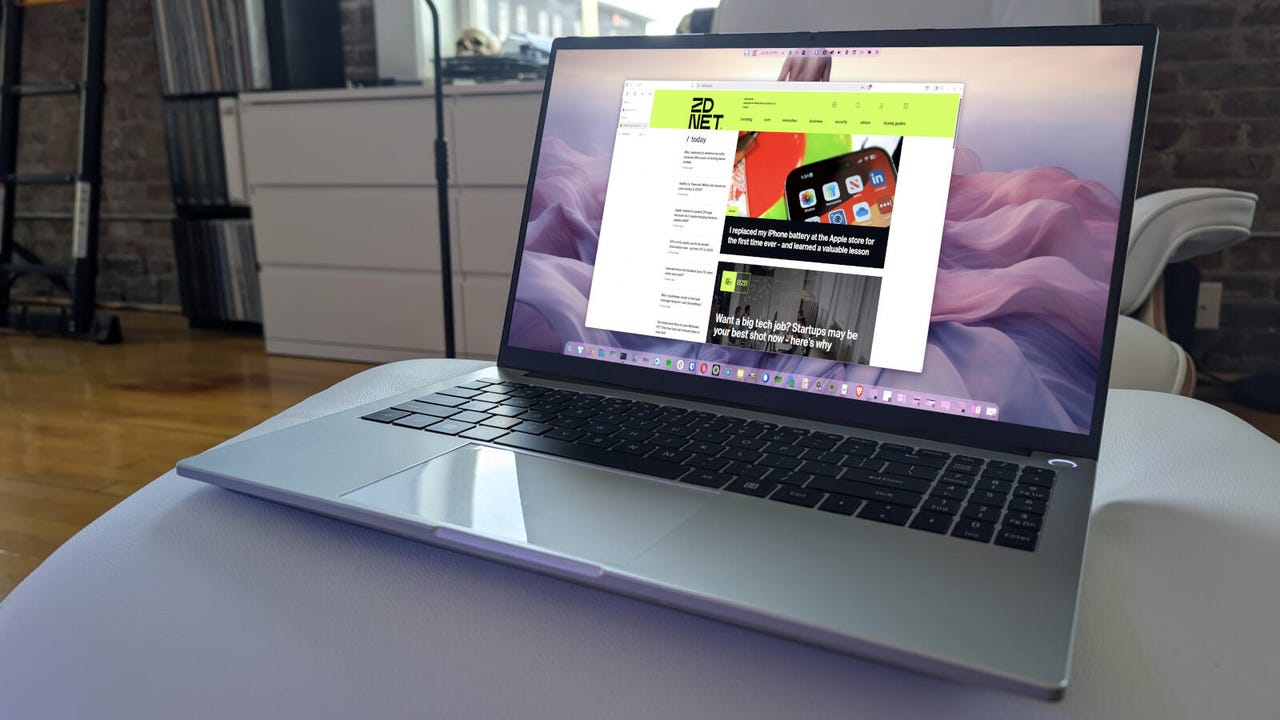
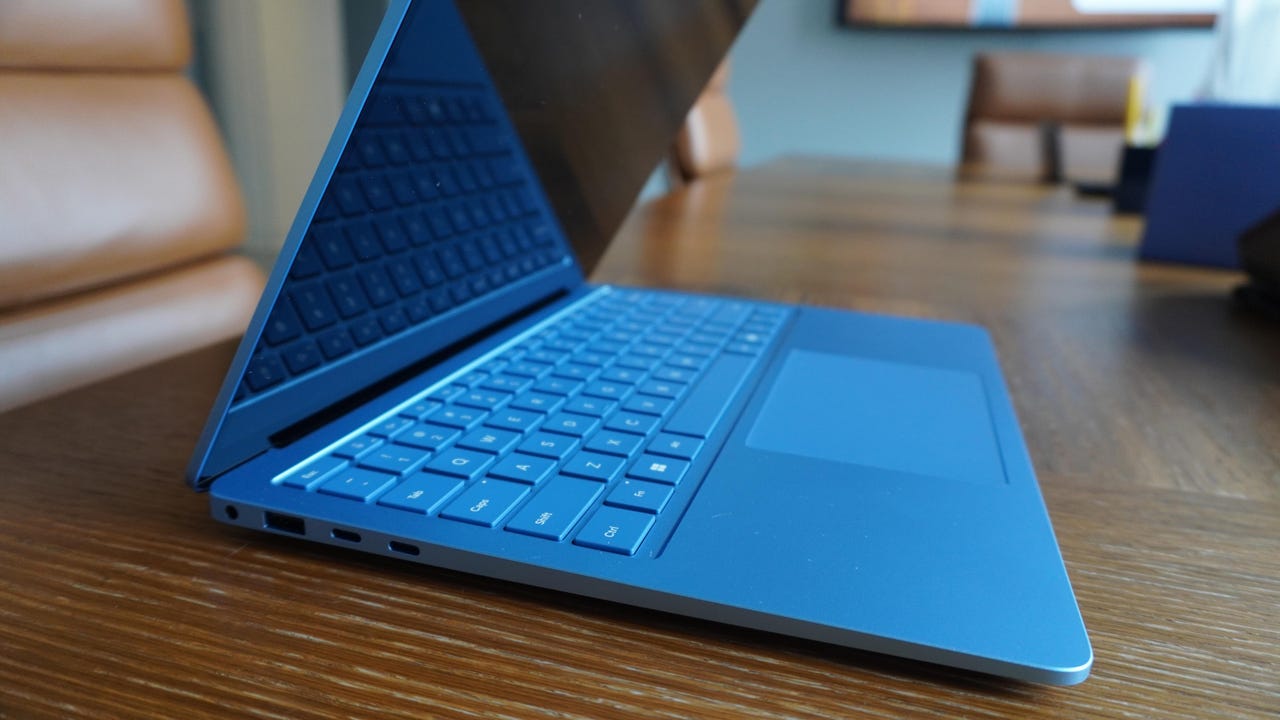
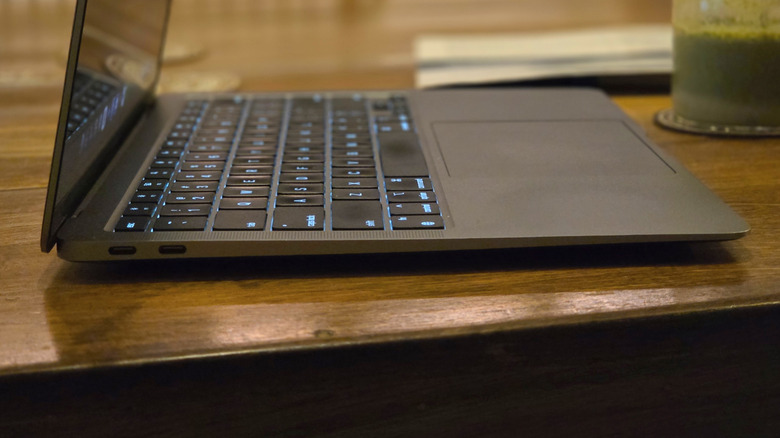
Of course, the reason mainly comes down to size. An Ethernet port is a chunky thing, and with the housing included, it can occupy more than 13mm on the side of a laptop. Meanwhile, most ultrabooks these days measure somewhere between 11 and 16mm thick. But even that figure is taken at its thickest point — many actually have a wedge design that tapers to a noticeably slimmer profile at the front edge.

Sadly, the Ethernet port is not a flexible thing either. It relies on the RJ45 plug, which has stayed the same fixed size for decades. Shrinking it would mean that every cable and router out there would stop fitting it. Unlike USB, which evolved with the times and shrank down to the modern USB-C standard, the good old Ethernet never got the same treatment. And when a company wants to shave a machine down to something you can slide into a folder, this is one of the first parts to go.

The first laptops to cut the cord

The machine that got the ultrabook trend rolling was the MacBook Air. To showcase how impossibly slim it was, Steve Jobs even slid it out of a manila envelope on stage back in January 2008. The Air was 19mm at its thickest point, so technically Apple could have crammed in an Ethernet port should it have wanted to, but the company is known for its minimalist approach — and the Ethernet just ended up being one of the features thrown overboard.

However, unlike Apple, plenty of Windows laptops didn’t want to give up the port quite so fast, given its utility. So designers got creative and started shipping slimmer models with a hinged jack that swung open like a tiny drawbridge when you inserted a cable. Eventually, the industry felt that even that was a little much. A flap that flips out like that can look awkward, and they had a habit of snapping off, too. Of course, besides aesthetics, ditching the port was also simply a way for laptop brands to trim costs, and a cheaper machine can drop it for that reason alone. But perhaps the biggest reason was the popularity of Wi-Fi. Wireless speeds these days are good enough for what most people actually do, so a wired jack started to feel like dead weight.

How to get wired again

Handy as Wi-Fi might be, a cable may still have an edge for things like online gaming — which demands the lowest possible latency – to prevent lag. So a lot of folks may want the option back on their laptops. The easiest fix is a USB-to-Ethernet adapter. This is basically a small dongle that slots into a USB-A or USB-C port and gives you an RJ45 jack on the far end. Most of them run for as cheap as $30, and the setup is as easy as plug and play. They’ve grown plenty speedy too, with a bulk of them being capable of handling full gigabit speeds.

A USB-C hub does even more if you’re looking to expand the port selection beyond just Ethernet. It also throws in spare USB slots and possibly an HDMI output, all off a single connection. And for a desk you rarely leave, picking up a good docking station is an even better solution. You hook it up with one USB-C or Thunderbolt cable, and that single line carries not just Ethernet but also your monitors and power.


Source link

Leave a Reply

Subscribe to Our Newsletter

Get our latest articles delivered straight to your inbox. No spam, we promise.

Recent Reviews


angry-birds-android-auto

Artie Beaty/ZDNET

Follow ZDNET: Add us as a preferred source on Google.


ZDNET’s key takeaways

  • Several mobile games are compatible with Android Auto.
  • The games all have simple touch-screen controls.
  • These are slow-paced, short-burst games. 

If you spend downtime in your car waiting for school pickup or during a lunch break, there’s a good chance you pass the time with mobile games. Here’s what you probably didn’t know: You could be playing some of those games on your car’s screen instead. A handful of popular mobile games are compatible with Android Auto, meaning you can play them in your car.  

Also: 4 Android Auto developer settings that make driving so much easier – how to enable them

You might have browsed your Android Auto apps and already seen the Gamesnacks app, which hosts several dozen light games that are not unlike early internet flash games. However, these games are more robust; they’re the same games you’d play on your phone, just on a bigger screen.

The catalog of Android Auto-compatible games isn’t huge, but it’s worth a look. None of these titles has complex controls or a steep learning curve, and all are perfect for short sessions. 

How to get started

To play on your car’s screen, you will need to install these games on your phone and have your vehicle in park. The good thing is, though, when you’re connected to your car and open the app on Android Auto, you can still use your phone for other things. This is ideal when you have a child in the car with you and need to pass the time, but don’t want to hand over your phone. 

Also: 4 Android Auto apps I highly recommend for your next road trip – beyond Maps and Spotify

I tried a quick run-through of the available games; while they didn’t run as smoothly as on my phone, they’re enough to play comfortably. Here’s a rundown of my favorites.

angry-birds-android-auto

Artie Beaty/ZDNET

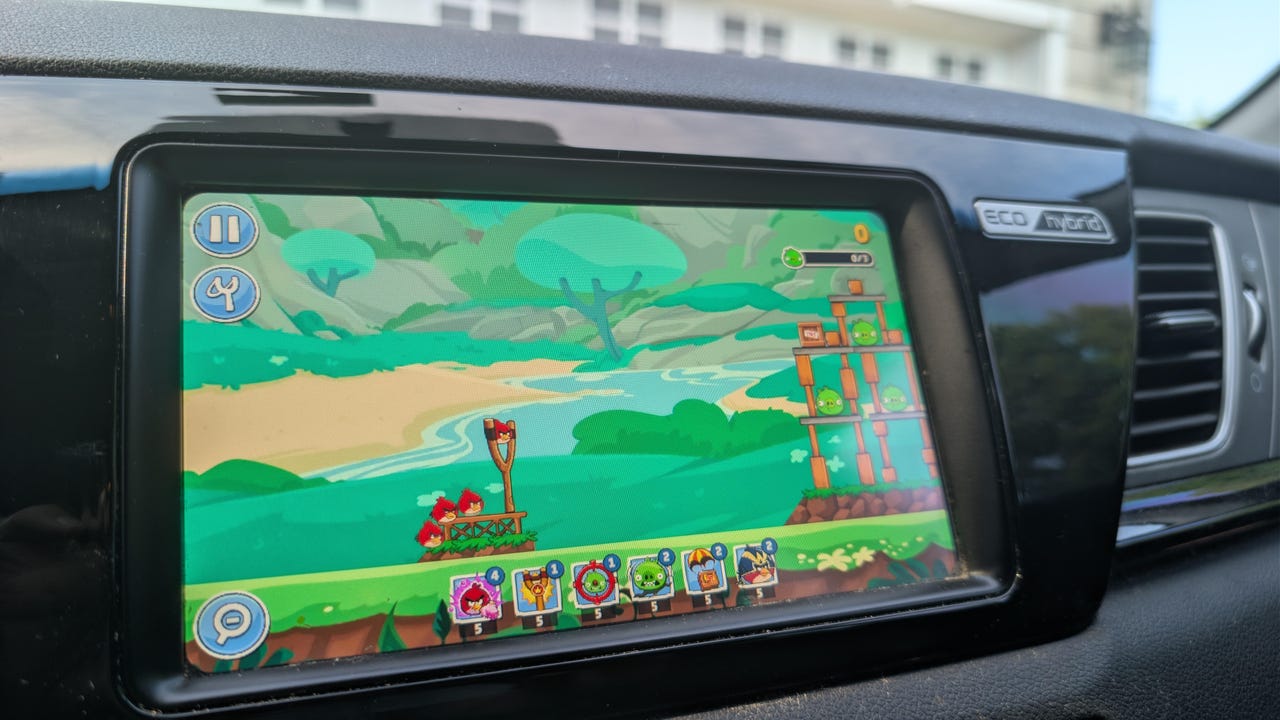
Angry Birds Friends: I hadn’t played Angry Birds in years, but the slingshot-style gameplay was easy to pick back up. It works well on a car touchscreen, and the levels go by quickly. Since the game is actually on your phone, your progress saves, so you can keep going across multiple sessions. I enjoyed not just beating levels, but immediately replaying a level I had just beaten to get a higher score. 

beach-buggy-racing

Artie Beaty/ZDNET

Beach Buggy Racing (1 and 2): Both versions of this cart-racing game feature colorful racers with very simple controls, making them the perfect games to kill 5 or 10 minutes. The tracks are filled with powerups, shortcuts, and other racers to beat (computer players, not online). I feel like this game takes more advantage of the bigger screen than any other on this list, and it’s the one that feels most like a “real” video game.

candy-crush-android-auto

Artie Beaty/ZDNET

Candy Crush Soda Saga: I’ve never been a fan of Candy Crush or its many versions or clones, but this is probably the most popular game available for Android Auto. The match-three gameplay is easy to pick up and play in short bursts, and it is relaxing to just zone out for a few minutes. Since the action is slower, it’s easy to play on a car screen than are games that require more movement.

farm-heroes-android-auto

Artie Beaty/ZDNET

Also: I saw the future of Android Auto, and now Google has me dreading my own car

Farm Heroes Saga: This game is from the same developers as Candy Crush and functions the same way, you’re just matching fruit, vegetables, and water instead of candy. This game goes a bit beyond the standard match-three format, as it sometimes requires you to collect a specific number of a particular piece. I still enjoyed this game, I just gave the more popular name the nod first.


Source link