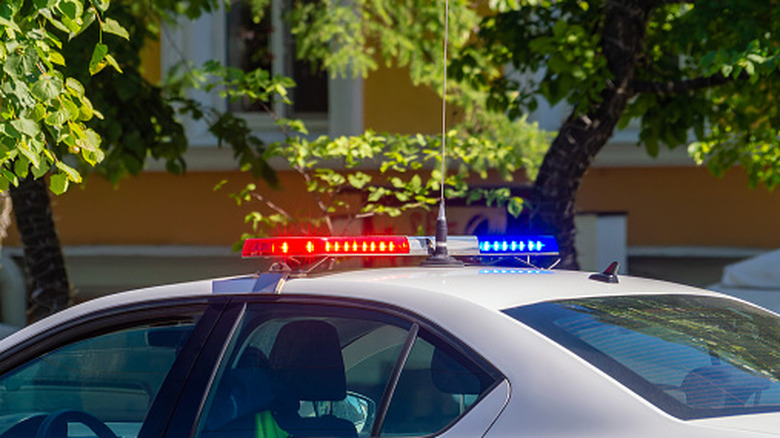

For the longest time, seeing the red and blue lights of a police cruiser behind you meant getting out of their way or pulling over. However, some communities have recently put a policy into place: patrol vehicles now drive around with their red and blue lights on steady, even when nobody’s getting pulled over, and there’s no emergency to respond to. It can be confusing because of how it goes against everything we thought we were supposed to do when seeing those lights, but the hope is that the steady red and blue cruiser lights can actually make these neighborhoods even safer.
When the lights are on, the police vehicles are easier to spot. Take the Lancaster City Bureau of Police in Pennsylvania, for example. They’re one of many departments that have put this new lights-on policy into place. According to the department, residents who need help can more quickly identify the nearest police officer when their cruisers stand out in traffic or while driving through neighborhoods. They also hope the added visibility can curb criminal behavior simply by making the cops’ presence more obvious.
Why not every state is on board with the new initiative
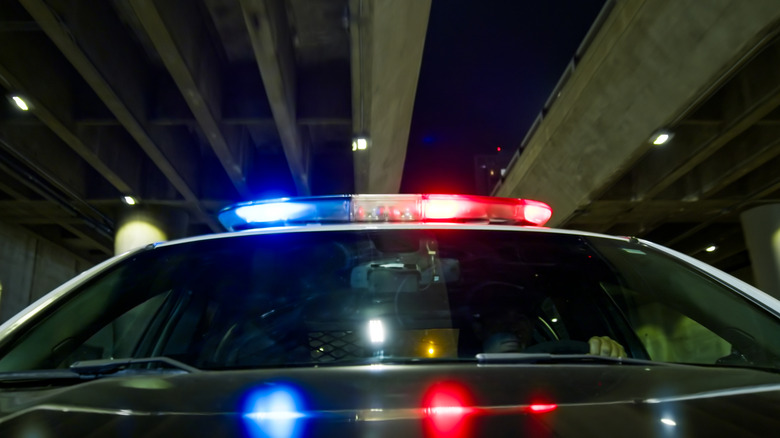
Other agencies have adopted similar approaches, like the Cruise Lights Pilot Program in Orland Park, Illinois. There, residents will see select patrol vehicles with steady red and blue lights on when driving through business districts and residential neighborhoods. (It’s a close cousin of Florida’s “steady burn” technique, which is where they leave the lights on during public events and in busy city centers.) Other jurisdictions are trying a slightly different technique of leaving solid blue lights on only. Michigan State Police cruisers stand out too, though for a different reason — they still use a single red beacon on the roof instead of a modern light bar.
It’s not a nationwide thing just yet, though. In fact, we can assume most departments aren’t leaving steady lights on, and state laws play a significant role in this. Emergency lighting regulations vary from state to state, with some placing more restrictions than others on when red and blue lights may be displayed or under what circumstances they can remain on outside of emergencies or traffic stops.
Even in states where it’s perfectly legal, some agencies may still decide against it for various reasons. For example, they might think that constantly leaving their lights on could lessen the impact of true emergency signals or create confusion with drivers who’ve been conditioned to think red and blue lights mean to pull over or make way. Only time will tell what kind of real impact this decision has on police data, and that’ll likely be the true indicator of whether it’s worth rolling this out wider or scaling it back smaller.

Stephan is the sports journalist for the Maple Grove Report.