4 Popular U.S. Destinations Begging For More Tourists


Share The Article

You might think some of America’s most popular destinations don’t even need to remind us how great they are.

Like a restaurant with a line out the door, the visual alone does all the marketing for them.

But the truth is, even the most renowned destinations find themselves in slumps for one reason or another.
King Neptune statue on boardwalk in Virginia Beach
Chansak Joe / Shutterstock.com

Maybe not New York City, which could stop advertising tomorrow and still have the entire world lining up to visit, but there are still a handful of household names pouring boatloads of money into tourism campaigns hoping travelers like you take the bait.

Ranging from instantly recognizable neon lights to some of America’s most beloved beach getaways, these 4 popular U.S. destinations are practically begging for more tourists.

San Diego, California

Sunset Cliffs in San Diego, CA

Sunny San Diego?

Ehh, not so much right now…

“June Gloom”, as locals like me call it, is in full force with dreary skies and hoodie weather.

Come July, San Diego becomes a much easier sell, but the city recently rolled out a major new tourism campaign to lure even more visitors despite already being a household name.

As LA rides the struggle bus, San Diego isn’t exactly desperate for more beachgoers. The city is desperate for revenue; however, after a massive budget shortfall, officials doubled parking-meter rates and introduced controversial paid parking at Balboa Park despite fierce local pushback.

Cotton-candy-skies-over-San-Diego-skyline

There are already plenty of Nevada and Arizona plates on SoCal roadways, but San Diego still wants to show off its world-famous attractions, highly anticipated airport glow-up, and grand openings like the Element by Marriott, which is breathing new life into an otherwise sleepy Mission Valley — all while helping shore up the city’s budget.

If there’s one thing San Diego has going for it, it’s safety. Well, maybe with the exception of the zombie-land of East Village and the fact you have to check for extreme bacteria levels at popular beaches…

Travelers (including myself) currently rank San Diego’s safety levels with a score of 84/100 on our Safety Index.

Be sure to check the latest Travel Alerts before your trip.

Las Vegas, Nevada

Are we ready to say an icon has fallen?

Not quite. Maybe when people stop filling up seats at The Sphere, then we can have an intervention.

‘Til then, Vegas still sees a fair share of tourists, but nothing like it used to.

Neon Vegas sign in downtown Las Vegas

Piggybacking off widespread complaints about sky-high prices, I’ve personally sworn off visiting Vegas again because even if you win big on the slots, you still somehow lose in the end once the final bill arrives.

Sin City isn’t quite in “crisis mode,” but the once-unbeatable getaway has become more off-putting than inviting, with tack-on fees seemingly everywhere and a growing sense that travelers are paying more for less.

As such, tourism officials have launched a much-needed image refresh, hoping to remind travelers why Vegas became ‘fabulous’ in the first place — and convince them it’s still worth the gamble.

People enjoying Las Vegas attractions on sunny day

Even with less fanfare, the city has some work to do regarding safety too. The current safety score is 78/100:

Virginia Beach, Virginia

Everybody knows where Virginia Beach is — I mean, it’s right there in the name…

But its appeal goes beyond prime oceanfront real estate. It’s one of the East Coast’s most sought-after beach escapes outside of Florida.

Unfortunately, Virginia Beach has dealt with a string of violent incidents lately, including two Oceanfront shootings that prompted officials to impose a temporary curfew in part of the resort district.

Yeah, that’s not exactly the warmest welcome mat for outsiders looking for a relaxing beach vacation, now is it?
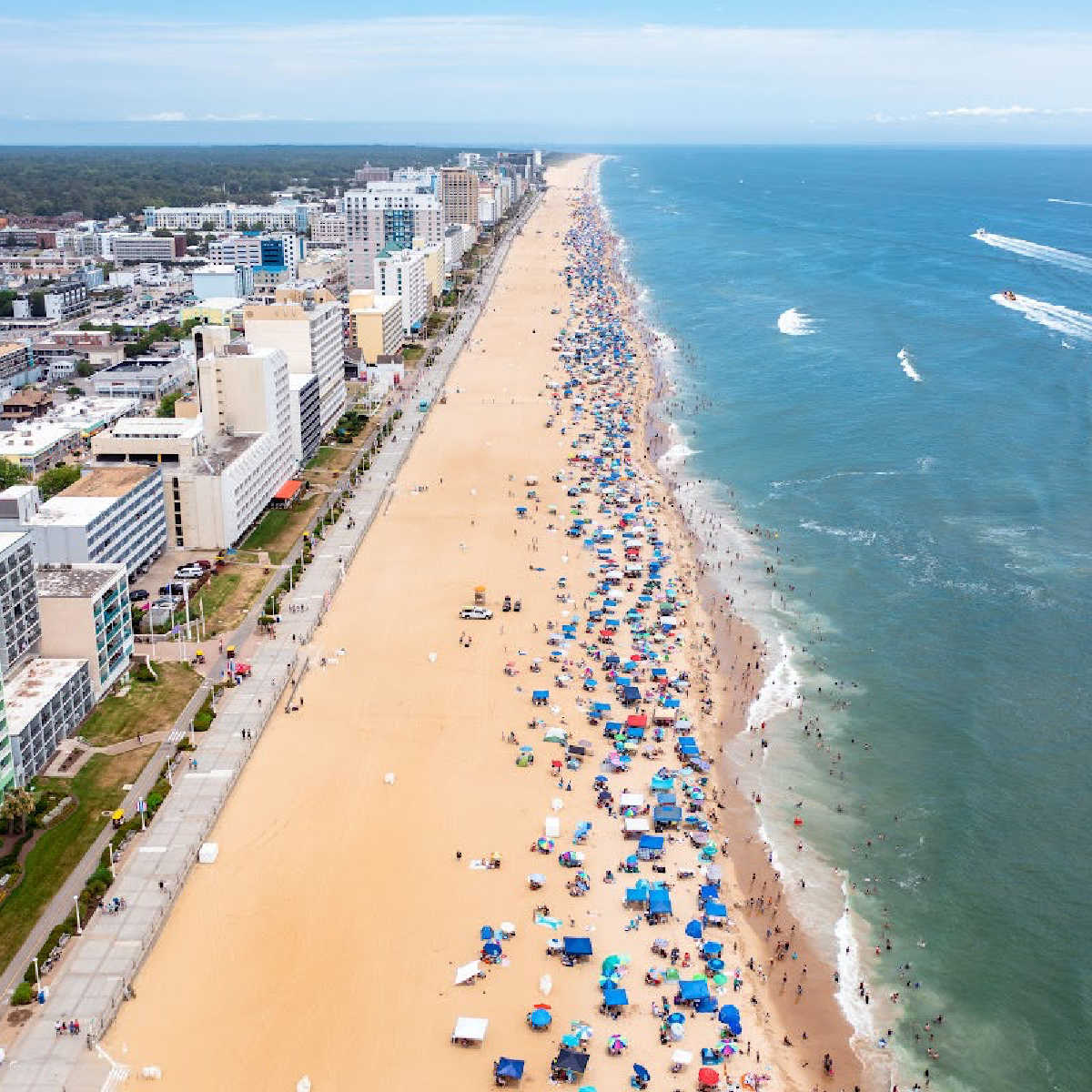
Aerial view of Virginia Beach in summer

As a result, the city is pouring $1 million into a new tourism campaign aimed at reassuring travelers that Virginia Beach remains a safe, family-friendly getaway — and keeping unsettling headlines from drowning out everything else the city has to offer.

Has the damage been done? Maybe.

But there’s no denying Virginia Beach still checks all the right boxes for a summer escape: soft sand, warm Atlantic waters, oceanfront restaurants, and enough space to make the crowds feel manageable, even though its a very popular getaway.

Ferris Wheel in Virginia Beach, VA

Despite some unfortunate headline-turning incidents, Virginia Beach is still in the green, earning a current score of 80/100:

Hawaii

The only thing standing in the way of Hawaii’s year-after-year dominance has been Mother Nature, after the Maui fires made travelers question if Hawaii was not only ready to visit, but also ethical.

Take it straight from the horse’s mouth, as my southern roots show, that Hawaii is indeed ready to become a powerhouse destination once again, no matter if you’re scoping out Waikiki, Maui, or a remote black sand cove as your beach paradise of choice.

Punaluʻu Black Sand Beach - Hilo, Hawaii

You may still picture Maui’s devastation, but tourism is the lifeblood of Hawaii’s economy. Visiting responsibly means supporting locally owned restaurants, booking local tours, respecting off-limits areas, and helping communities move forward rather than leaving them behind, which is what Hawaii’s latest tourism initiative is all about.


Source link

Leave a Reply

Subscribe to Our Newsletter

Get our latest articles delivered straight to your inbox. No spam, we promise.

Recent Reviews


There are certain engine configurations that are known even to those whose interest in engines is minimal. For instance, most people will know what makes a V-engine a V-engine, and even the differences between an in-line and flat engine

One engine design trait that’s perhaps less well-known is also related to the engine block, but not to with how the cylinders are arranged in the engine, rather with how they’re supported and cooled. When looking at this aspect of engine design, there are really three main types of engine block to look at. At the extremes are closed-deck and open-deck engine blocks, with some modern engines taking a halfway house approach with a semi-closed design. 

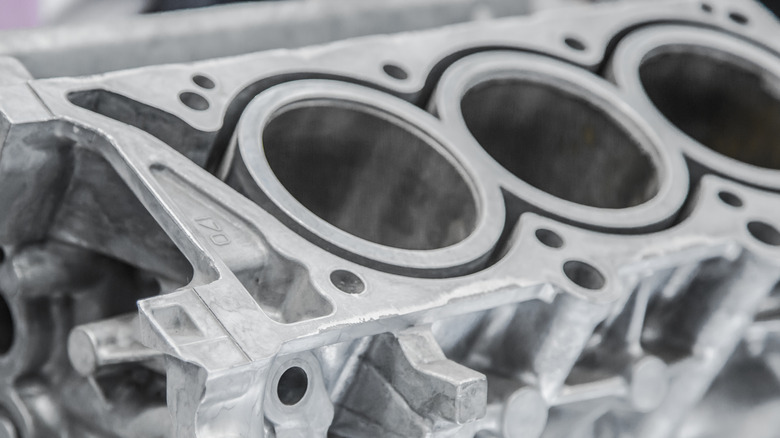
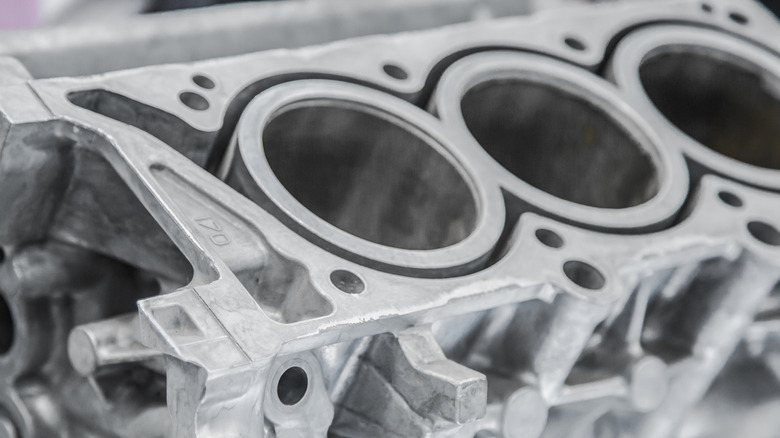
Let’s start by defining what an engine deck is. Essentially, the engine deck is that part of the block that the head gasket sits on, and the engine head attaches to. This means that an inline engine with a single line of cylinders will have one deck, whereas a V-configuration with two banks of cylinders will have two decks. 

Now that we understand that, we can begin to discuss the differences between closed-deck and open-deck engine blocks. In an open-deck engine, there is open space around the top of the cylinders that allows the coolant to circulate more freely. In a closed-deck design, in case you haven’t guessed it by now, the deck features extra material that offers less in the way of cooling, but it does support the cylinders more rigidly. Let’s pop the cylinder head off and have a closer look at these engine block types and why they matter more than you may think. 

Open-deck engines are cool, but flawed

For engine makers, there are definite advantages to open-deck designs — they cost less to manufacture when compared to closed-deck engines, and keep the engine cooler by exposing more of the surface area of the cylinder to the cooling liquid. 

However, all this open space around the cylinders is all very well and good when looking at cooling and manufacturing complexity — but cracks start to appear (sometimes literally) when we look at other aspects of closed-deck engine blocks. While it’s unfair to call open-deck engines unreliable and leave it at that, there are trade-offs in the design, and these become more noticeable in high-performance situations.

Essentially, the lack of material at the top of the engine deck means the engine is less structurally rigid right at the point where it meets some of the most extreme forces engines have to cope with — the combustion point at the top of the cylinder.

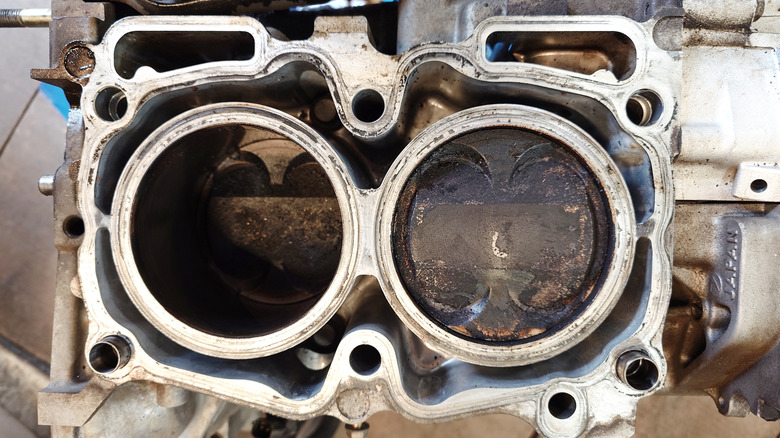
If you removed the head from an open-deck design and look down at the deck, this structural weakness is visible. From this viewpoint, the cylinders look separate from the rest of the engine block, with the gap between the two being used for coolant, as some open-deck designs have limited support at either end of the cylinder bank. While this gives more space for coolant to move freely, the downside is that it also does the same for the cylinder. Over time, even the limited movements of cylinders can weaken the head gasket and bring all the associated troubles that follow such a failure. 

Why some engines use closed- and semi-closed deck designs

Open-deck engine blocks are optimized for cooling and manufacturing efficiency. However, incorporate such a configuration in a high-revving, turbocharged brute of an engine and, well, it could end very badly. This is why such engines will usually use a closed-deck configuration. 

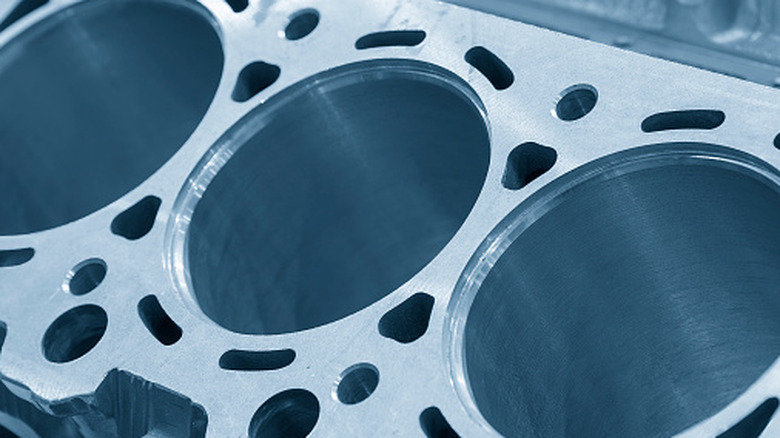
In a closed-deck engine, the open spaces around the cylinders of an open deck are filled with additional material. Obviously, the removal of such space and the flexibility it gives to the cylinders substantially strengthens the engine block. This is why some people fill engine blocks with concrete — it removes the flexibility afforded by the presence of cooling chambers. This is especially important for high-performance engines, but to call it overkill for the family runabout is not overstating the case. 

However, and the more observant among you will be there by now, filling an engine’s cooling cavities with material may add strength — but at the expense of cooling efficiency. This is why many modern turbocharged engines or higher-performance engines use a halfway house design in the form of semi-closed decks. 

Semi-closed decks are a compromise design that offers more rigidity to the cylinders by adding more support points. These supports are usually at the top of the cylinder. For instance, while there are pros and cons to Subaru’s EJ20 engine, the company released a version with a semi-closed deck with four additional support points, which should make it less prone to bore distortion. Ultimately, open-deck and closed-deck engine blocks represent design decisions based on the demands the engine is expected to handle. 


Source link