
We may receive a commission on purchases made from links.
With over half a century of history, Costco has gone from serving small business owners in San Diego, California to millions of customers in eight countries all over the world. Through the years, it has also churned out all kinds of benefits for its members such as tech support, health insurance, travel deals, and car rentals.
While there are also several Costco membership perks that have been axed for several reasons, such as its photo services, extended warranty benefits, and unlimited electronics returns, the main reason why many people keep coming back is still because of its discounted product offers.
These days, Costco has almost endless product listings that are available both in-store or as exclusive online products, and that includes automotive care and electronics. Discounts aside, there are several reasons why it’s worth purchasing similar items at Costco instead of its competitors. For example, it offers installment payment options, insurance plans, and generous return policies, which even lets you return electronics up to 90 days from its purchase date at any of its hundreds of warehouses.
And of course, Costco still lets customers access to a ton of products that beat out other brands available from other big retailers, including Sam’s Club. So, if you’re the type of person who shops across both retails, here are some tech and auto products that might be worth picking up on Costco instead of Sam’s Club.
Kirkland Signature Alkaline Batteries, 48-count
While there are definitely advantages to being able to recharge your electronics with a plug, there are also times that a regular single use battery can save the day, such as in emergencies like power outages or off-grid adventures. Because of this, you might want to stock on the Kirkland Signature Alkaline batteries.
Priced at $16.99, the Kirkland Signature AA batteries come in a pack of 48, which is more than enough for small household gadgets, like radios and flashlights. Boasting a 12-year shelf life, these alkaline batteries can be the perfect addition to your home or vehicle’s emergency supply kits. In general, most people tend to be quite satisfied with it with over 630 Costco reviewers rating it 4.2 stars on average with around 69% giving it a perfect rating. The 48-pack Kirkland Signature Alkaline AAA batteries has a slightly better rating of 4.4 stars from more than 680 Costco customers with the same price. Either way, it comes out to about $0.35 per battery.
While it shares the same quantity and guaranteed 12-year shelf life, the Member’s Mark AA Alkaline Batteries are slightly more expensive. For its 48-pack, the Sam’s Club alternative retails for just under $18. Although, it does have a higher average rating of 4.6 stars from 300+ customers. Following the relatively higher price trend, the Member’s Mark AAA Alkaline Batteries retail for $17.98 too (or $0.37 per unit) with a 4.7-star average rating from 680+ Sam’s Club buyers.
Kirkland Signature Ultra Plush Microfiber Towel
One of the most versatile things you can have in your home, microfiber towels are useful for all kinds of cleaning needs. Some of the cheapest, but highest quality microfiber towels out there, we’ve already sung praises for the Kirkland Signature Ultra Plush Microfiber Towel before. For its pack of 36, you can get the Kirkland Signature Ultra Plush Microfiber Towel for just $16.99 (or $0.47 each).
One of the most popular and highest rated items on this list, it boasts an average rating of 4.8 stars from more than 1,100 Costco customers. You can get a similar product on Sam’s Club, the Member’s Mark Microfiber Towel, which also has a good rating, but the only major difference are the different colors — the per-towel price is actually slightly higher at $0.49.
Although Costco markets it heavily for detailing cars, boats, and motorcycles, it’s also useful for other surfaces inside your home from your living room, kitchen, to your garage. Made of polyamide and polyester, you can use it for all kinds of chemical-free cleaning in your home. Each towel measures 16 inches by 16 inches and is designed to absorb seven times its own weight.
Eurow Automotive Trunk Organizer
Keeping your car organized can be challenging, especially if you plan to or already go on long trips relatively frequently. If you’re looking for an affordable way to get more storage space in your small car, a trunk organizer can be your saving grace, like Costco’s Eurow Automotive Trunk Organizer.
With an average rating of 4.8 stars from more than 90 customers, the just-under-$30 Eurow Automotive Trunk Organizer is a multi-functional storage system with two removable dividers. You can adjust the number of compartments or use one of its many pockets (four mesh pockets on the side and one on the flap). When it’s not folded flat, it measures 23.6 inches by 14 inches by 12 inches.
While Sam’s Club does have its own trunk organizer from CAT, it is more expensive. Priced at $34.99, it has a lot of similar features like carry handles, custom dividers, and water resistance. A key way that it is different is that it has a front seat organizer, but it lacks the cover, which can be a deal breaker if you don’t want things flying around while you’re on bumpy roads. If you prefer having more exterior pocket options, the Costco option is the one to go for in this case.
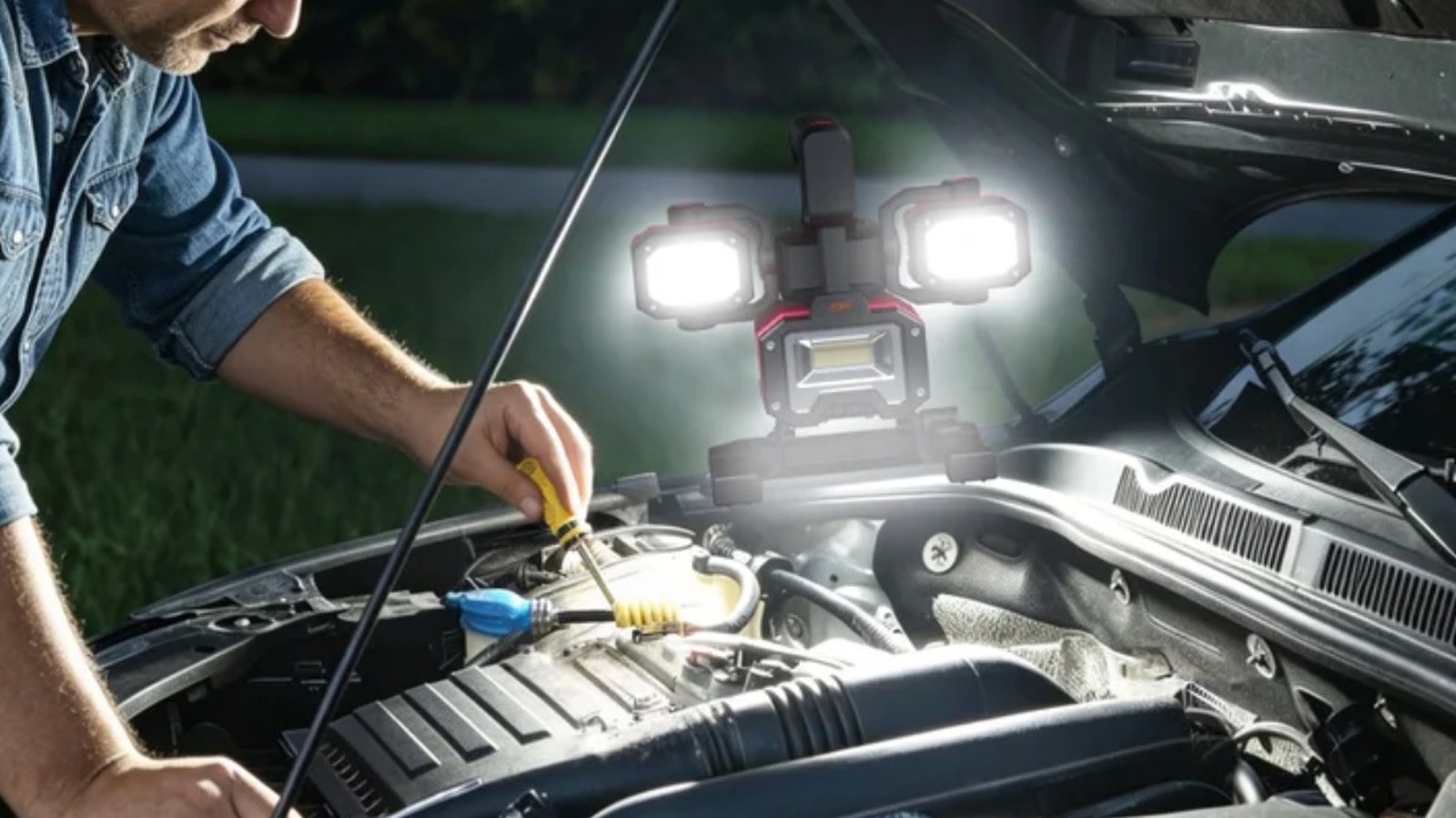
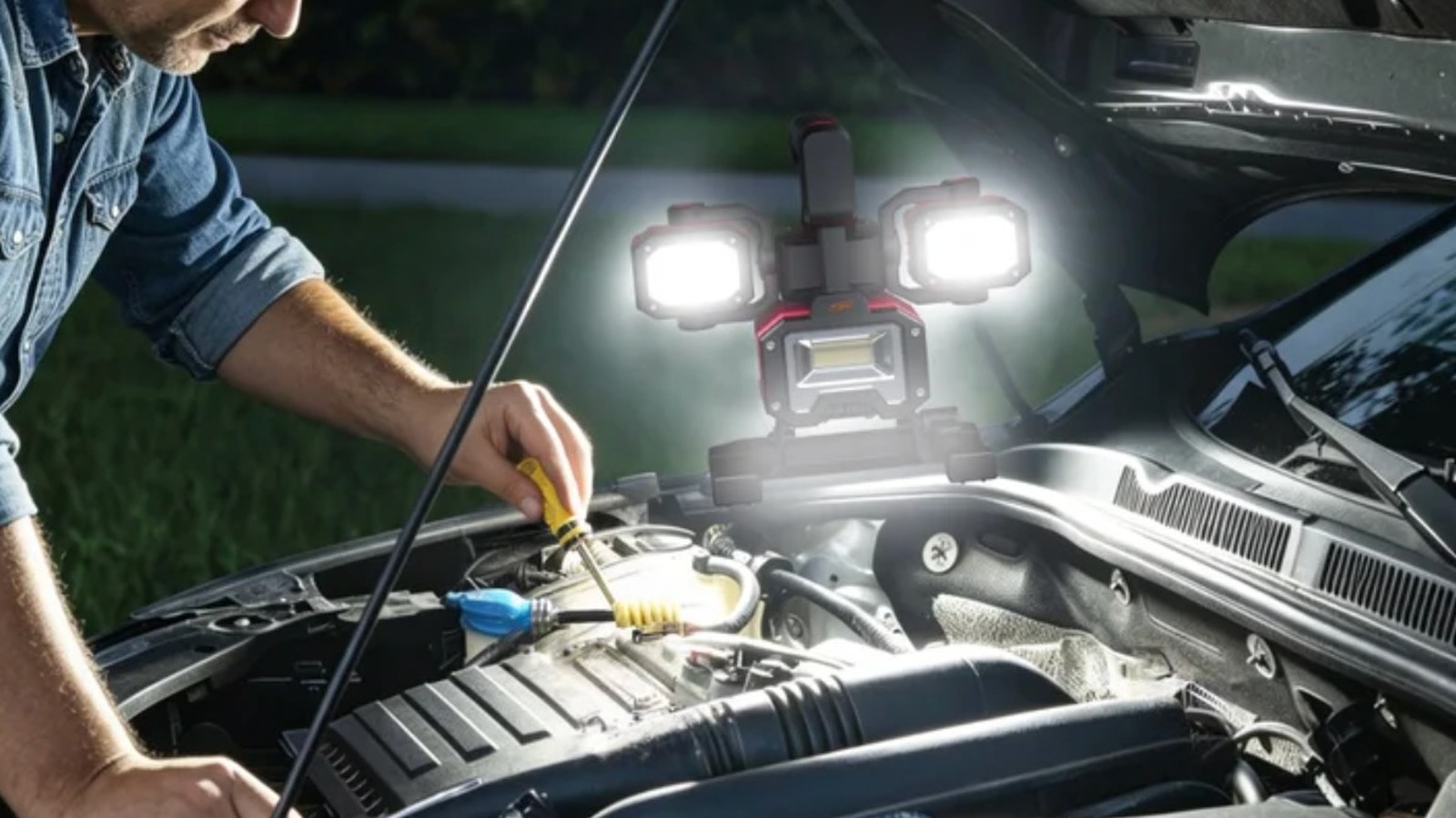
eP 360 SIRIUS 2000 Rechargeable LED Worklight and Powerbank
Having both a light source and a power bank can be incredibly useful for car owners, whether you’re working in your garage or camping. It’s no wonder that both Costco and Sam’s Club have rechargeable work lights that can do both: The $29.99 eP 360 SIRIUS Rechargeable LED Worklight and $39.98 Westinghouse Rechargeable LED Work Light.
Both are capable of generating up to 2,000 Lumens of brightness, which is split between its 1,000 Lumen center light and two 500 Lumen lights on both sides. Apart from being detachable, the two side lights can also be adjusted to distribute the light better. In a jiffy, they can also function like power banks and charge devices.
Another benefit of Costco’s eP 360 SIRIUS 2000 is a better option is its price, as well as its transparency with its limitations. On the Costco listing, it specifically states that it’s made to run up to 8 hours on low intensity mode for both its center and side lights. In total, this means you get up a full 24 hours when used as separate lights.
It also notes that it has an IP44 rating, which means it’s not entirely waterproof, but it is splash proof, which can matter for outdoor job sites, where it might be exposed to rain. The Sam’s Club product doesn’t list a maximum run time or water resistance rating, so you don’t have any assurance before purchasing.
Aluratek Combo Wireless Car Adapter
While there are pros and cons to wireless CarPlay, it’s still worth the upgrade for many car people who want a smarter car experience. These days, there’s no shortage of Apple CarPlay wireless adapters in the market, which can also work with Android devices. But if you’re a Costco member looking to get more out of your membership, the Aluratek Combo Wireless Car Adapter retails for $46.99 and holds an average rating of 4.1 stars from 28 reviewers.
Aluratek’s wireless car adapter has everything you can expect from other brands; it lets you use a slew of practical apps for navigation, messaging, and entertainment. But unlike other wireless adapters, this Costco online exclusive product states that it lets you pair with two phones and toggle in between them. It also doesn’t need you to download another app for it to work. Measuring 0.91 inches by 0.43 inches by 1.85 inches and weighing around 0.4 oz, it’s a compact solution that comes with USB-C and USB-A cables.
In comparison, Sam’s Club offers a slightly more expensive product, the Rexing CPW-32 Wireless CarPlay & Android Auto Adapter. Apart from being priced much higher at $59, it’s also less popular with only a single review rating it 4 stars. Unlike the Costco model, it also doesn’t specifically mention if it can connect more than a single device, which matters if you want to be able to pair multiple phones.
Methdology
To make this list, we first look into the automotive and tech gadgets that are currently available on both the Costco and Sam’s Club websites. Next, we looked for products with similar functions from both portfolios. We made sure to include things that span different product categories, like cleaning or storage, so readers can have an idea of the breadth of offers. To fit different budgets, we also added items with price points that range between between $16 to $50.
Then, we reviewed which items are listed to be cheaper on Costco in terms of price. When possible, we shared the estimated cost per unit for products sold in bulk. Lastly, we selected Costco products that have features that exceed those of their Sam’s Club counterparts, which can include being able to pair more devices, additional designs like flaps, and durability claims.

Stephan is the sports journalist for the Maple Grove Report.