5 Old World Towns In The Americas Everyone Should Visit At Least Once


Share The Article

Every time I start getting the itch to book a massive, complex flight across the pond to wander through Europe, I have to remind myself that we have some absolutely incredible, centuries-old history sitting right here in our own hemisphere.

We all love the idea of getting lost in ancient cobblestone alleys, drinking coffee next to 16th-century cathedrals, and soaking in that heavy, romantic “Old World” charm. But burning two days of your itinerary on exhausting layovers and dealing with brutal jet lag is tough. You don’t always have to cross an ocean to find staggering colonial architecture and walkable, historic streets.

If you want to trade the 10-hour flights for quick hops, here are 5 incredibly vibrant, historic towns right here in the Americas that completely deliver that Old World magic that everyone should visit at least once.

1. Quebec City, Canada

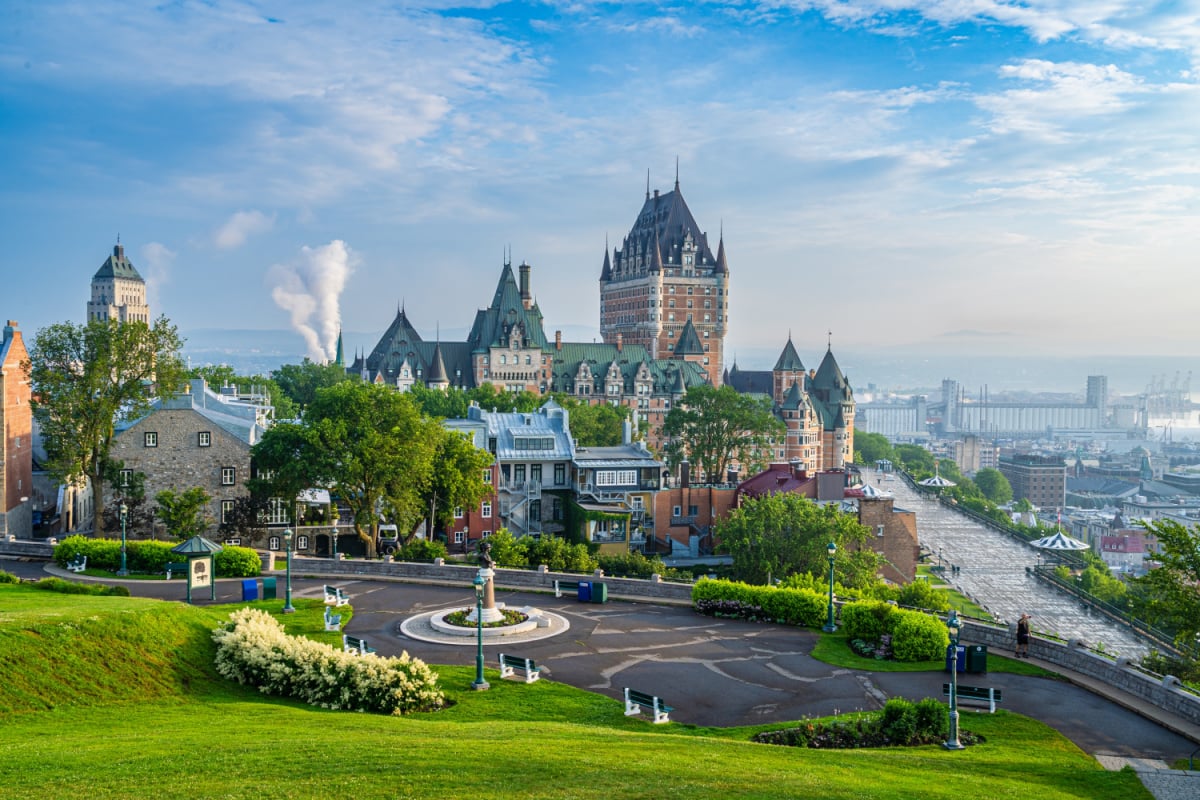
A scenic high-angle view captures the iconic Chateau Frontenac in Quebec City, Canada, under a bright blue sky

If you want the absolute closest thing to France without actually flying to Europe, Quebec City is the ultimate cheat code. It is officially the only walled city north of Mexico, and walking through the historic center feels entirely like time travel.

  • The Vibe: The Petit-Champlain district is an absolute sensory overload in the best way possible. You are surrounded by heavy stone buildings, brightly colored shutters, and the smell of fresh bakeries pouring out into the street. If you happen to visit in August, you can catch the Fêtes de la Nouvelle-France, a festival where locals and travelers wear colonial costumes and the streets are filled with 18th-century flair.
  • The Ground Experience: The culinary scene here goes way beyond standard poutine. The 2025 Michelin Guide has firmly put Québec’s dining scene on the map, highlighting its incredible devotion to local ingredients.
  • The Wow Factor: You can walk the city’s ramparts—which stretch nearly three miles and are lined with cannons—for sweeping views of the St. Lawrence River below.
  • My Top Tip: If you want the absolute best photos of the iconic Château Frontenac without 4,000 tourists in the frame, wake up at 5:30 AM and shoot from the Pierre-Dugua-De-Mons Terrace. As a bonus, you get the morning mist rolling off the St. Lawrence River in total silence before the bakeries even open.

2. Antigua, Guatemala
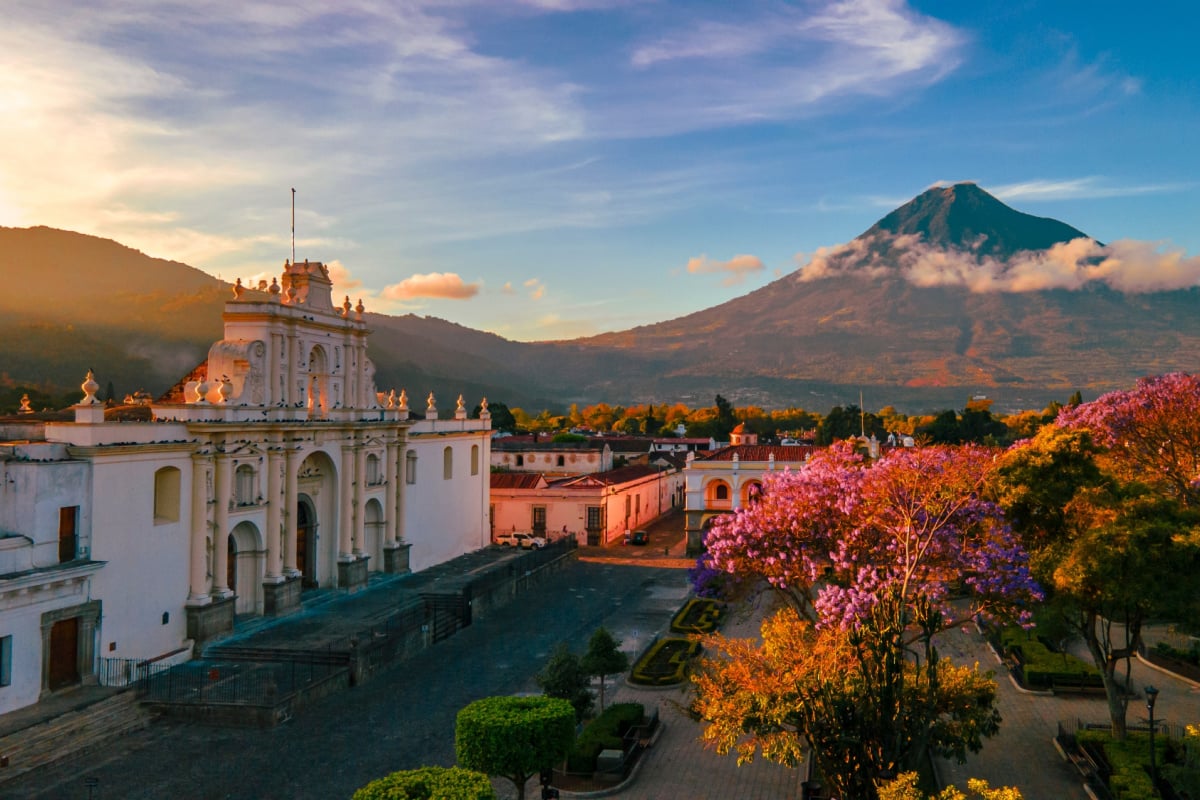
A breathtaking view of Antigua Guatemala as the sun sets, highlighting the historic architecture and the imposing volcano in the background.

Antigua is a colonial masterpiece that hooks you the second you arrive. It is situated in a valley surrounded by three stunning volcanoes, creating one of the most dramatic backdrops for a city anywhere in the world.

  • The Vibe: Because the city sits at an elevation of around 5,000 feet, you get surprisingly mild, pleasant weather instead of brutal tropical heat. It is incredibly walkable, packed with aesthetic coffee shops, and deeply safe for travelers sticking to the central areas.
  • The Ground Experience: You will spend hours wandering the cobblestones and photographing historic ruins damaged by the 1773 Santa Marta earthquake. When you get hungry, grab some local street food like empanadas—which the locals call dobladas.
  • The Wow Factor: The 17th-century Arco de Santa Catalina is easily the most iconic landmark in the city, but Antigua also serves as the ultimate basecamp if you want to tackle an overnight hike up the famous Acatenango volcano.
  • My Top Tip: Skip the main plaza cafes and head straight to a hidden courtyard spot like Fernando’s Kaffee. The coffee is world-class, but the real insider move is buying a bag of their house-made artisan chocolate to throw in your hiking pack. It is the ultimate morale booster when you are freezing on the side of a volcano.

3. Old San Juan, Puerto Rico
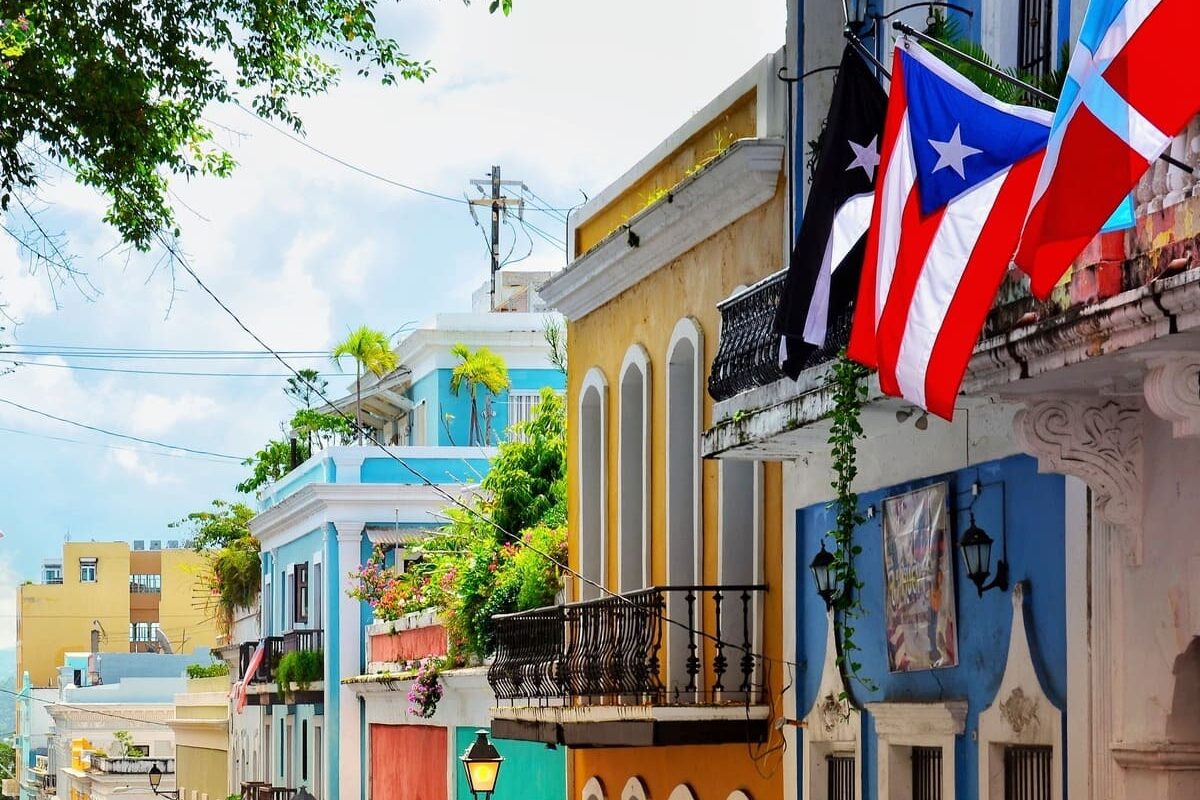
Colorful Houses In Old San Juan Puerto Rico

This is an absolute gem for American travelers because you get staggering 16th-century Spanish colonial history without even needing to dig your passport out of your drawer.

  • The Vibe: Old San Juan is famous for its narrow, winding streets paved entirely in striking blue cobblestones (adoquines). The buildings are painted in ridiculously bright pastel colors, with wrought-iron balconies covered in tropical flowers hanging over the sidewalks.
  • The Ground Experience: The food scene here is a massive draw. You can bounce between historic dive bars serving perfectly crafted piña coladas (the drink was invented here) and upscale spots serving incredible mofongo—a legendary local dish made from mashed plantains, garlic, and chicharrón.
  • The Wow Factor: You cannot visit without exploring Castillo San Felipe del Morro. It is a massive, sprawling stone fortress sitting right on the edge of the ocean that the Spanish spent over 200 years building to protect the harbor. Walking through its dark stone tunnels and looking out over the crashing Atlantic is unforgettable.
  • My Top Tip: Don’t just walk the grassy upper perimeter of El Morro. Head down to the Paseo del Morro at the very bottom right before sunset. The way the late afternoon light hits the massive stone walls while the local feral cats wander the coastal path is pure magic—and it is usually completely empty.

4. Colonia del Sacramento, Uruguay
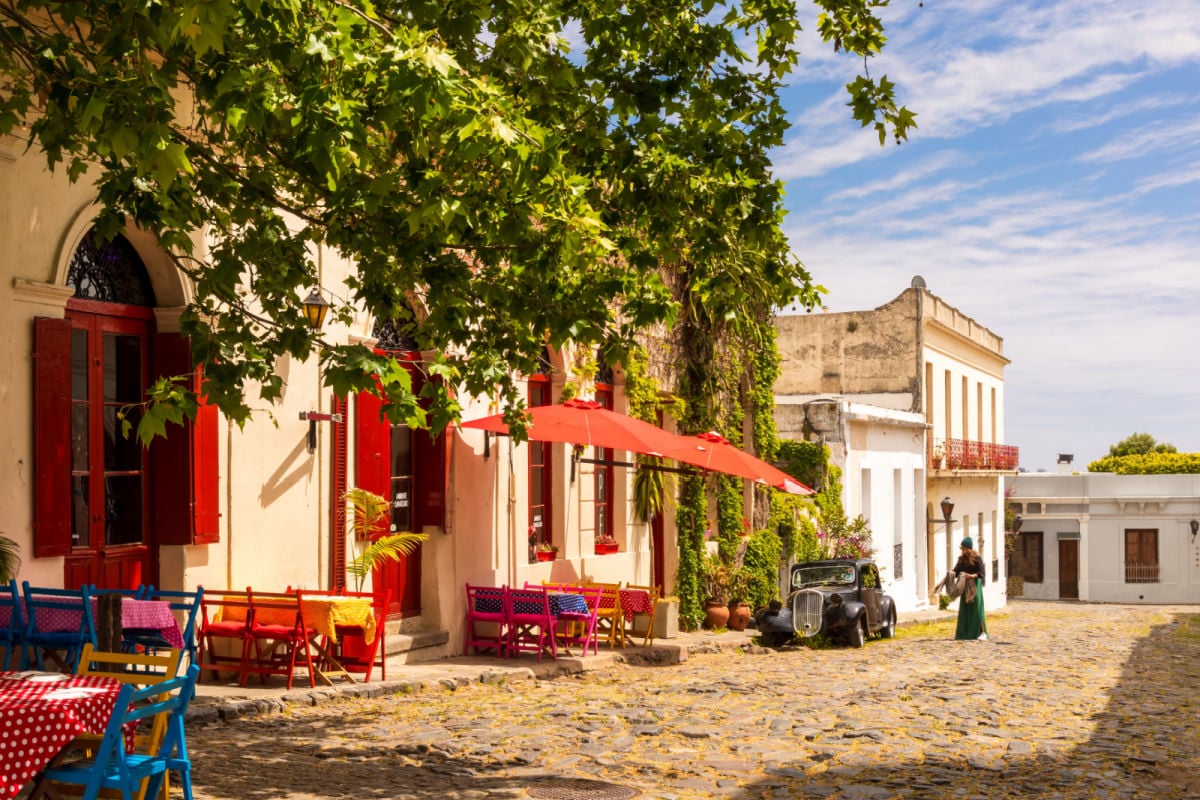
Colonia del Sacramento - Colonia Department - Uruguay Architectural complex of Colonia del Sacramento

Most people hit Buenos Aires and never look across the water, which is a huge mistake. Just a quick ferry ride across the Rio de la Plata sits Colonia del Sacramento.

  • The Vibe: This tiny town is a UNESCO World Heritage Site that was fought over by the Spanish and Portuguese for over a century. The result is a highly unique, deeply charming mix of both architectural styles. Adding to the aesthetic, the residents are absolutely crazy about vintage cars, which you will spot parked along the ancient streets.
  • The Ground Experience: The pace of life here is gloriously slow. You can spend your afternoon walking down the famous, flower-draped Calle de los Suspiros (Street of Sighs), and grabbing a glass of the local Tannat wine at a cafe.
  • The Wow Factor: You can climb the 112-foot El Faro Lighthouse to get an incredible 360-degree view of the town. Fascinatingly, this lighthouse was constructed right on top of the stone ruins of a 17th-century convent.
  • My Top Tip: Everyone rushes back to the ferry terminal at 5:00 PM to return to Argentina. Ignore them and book a room for the night. Once the last boat leaves, the town completely empties out, the antique street lamps turn on, and you basically have a private 17th-century village to yourself for dinner.

5. Guanajuato City, Mexico
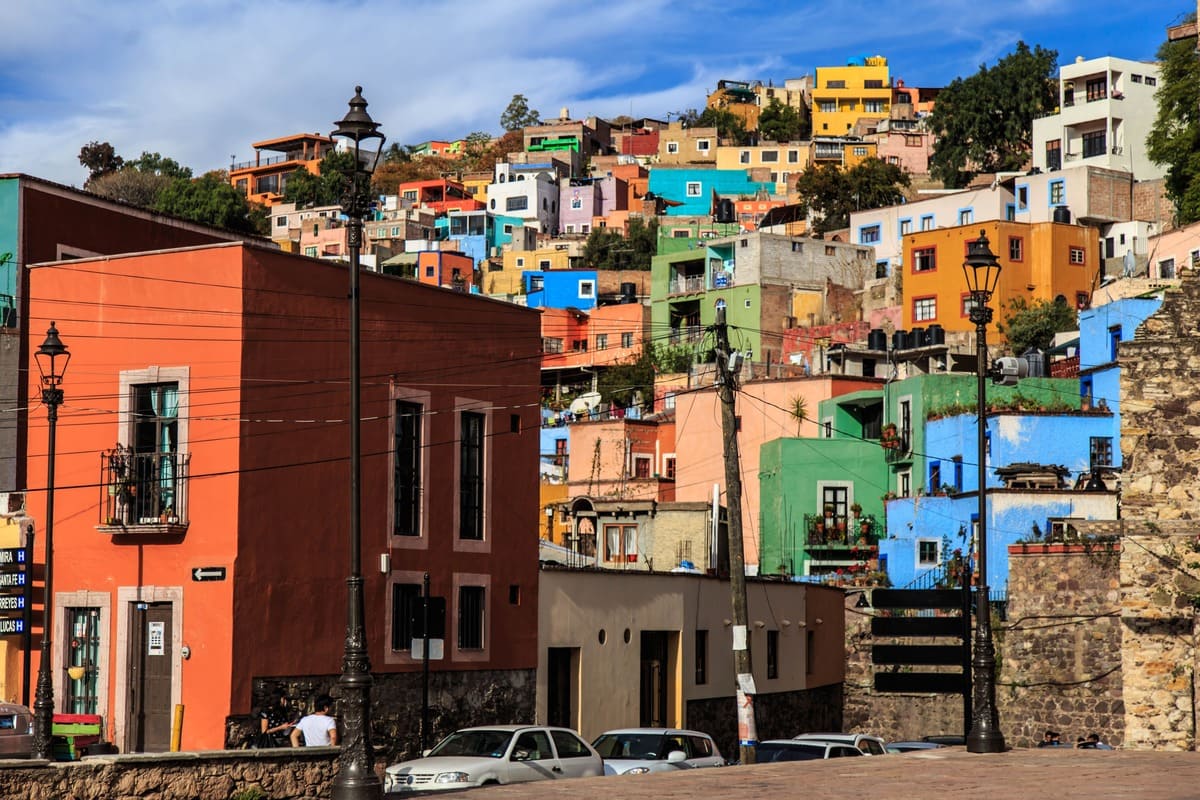
Colorful Houses Of Guanajuato, Colonial City Of Mexico

While most travelers flock to the Mexican coastline, heading inland to the central highlands rewards you with one of the most visually stunning, culturally rich cities in the entire country.

  • The Vibe: Guanajuato was built on massive silver wealth, and the architecture reflects it. The city is a tightly packed labyrinth of brightly colored houses sprawling up the sides of a steep ravine. Because of the insane geography, a lot of the city’s traffic is actually routed through a network of subterranean stone tunnels, leaving the plazas up top highly walkable and incredibly peaceful.
  • The Ground Experience: This is a lively university town that hums with energy. In the evenings, you can join a callejoneada—a traditional walking tour led by local musicians in period costumes who guide you through the narrow alleyways singing and telling stories.
  • The Wow Factor: You have to take the funicular up the steep hillside to the Pipila monument. Standing up there at sunset, looking down at the massive, colorful sprawl of the city below and the ornate basilica in the center, is one of the greatest views in North America.
  • My Top Tip: The steep, winding alleyways are incredible to explore, but they are brutal on the knees. My absolute favorite cheat code is taking the funicular up to the Pipila monument just before dusk, shooting my landscape photos during golden hour, and then walking down the labyrinth of colorful alleys back into the city center instead of trying to hike up them.

Now take this quiz to find your perfect match!


Step 1 of 3

What is your ideal historic backdrop?

🏰 Massive stone walls & fortresses

🌋 Dramatic volcanoes & steep ravines

🚙 Sleepy streets & vintage aesthetics

Step 2 of 3

What unique experience do you crave?

🥾 Hiking epic trails & scenic views

🚇 Exploring underground stone tunnels

🗼 Climbing a 17th-century lighthouse

Final Step

Pick your perfect local treat:

🥐 Michelin-star meals & fresh pastries

🍹 Pina coladas & Caribbean street food

🎶 Singing walking tours & local wine

🇨🇦

Quebec City

The French Fairytale

Tap to Reveal Details

Quebec City, Canada

Why it’s a match: You want the absolute closest thing to France without crossing the ocean. It is the only walled city north of Mexico, offering complete time travel!

Must Do: Walk the three miles of fortified ramparts for sweeping views of the St. Lawrence River, and indulge in a dining scene highlighted by the Michelin Guide!

🇵🇷

Old San Juan

The Colonial Coast

Tap to Reveal Details

Old San Juan, Puerto Rico

Why it’s a match: You want staggering 16th-century Spanish colonial history combined with tropical breezes—and you do not even need a passport to get there!

Must Do: Walk the bright blue cobblestones (adoquines), explore the dark stone tunnels of Castillo San Felipe del Morro, and eat mofongo with a perfectly crafted pina colada!

🇬🇹

Antigua

The Volcano Valley

Tap to Reveal Details

Antigua, Guatemala

Why it’s a match: You want a colonial masterpiece with a dramatic backdrop. Situated in a valley surrounded by three volcanoes, you get incredible history with surprisingly mild weather.

Must Do: Photograph the 17th-century Arco de Santa Catalina, eat dobladas on the street, or use the city as your basecamp for an epic overnight hike up the Acatenango volcano!

🇺🇾

Colonia

The Historic Hideaway

Tap to Reveal Details

Colonia, Uruguay

Why it’s a match: You prefer a slow, deeply charming pace of life. This UNESCO site mixes Spanish and Portuguese architecture, filled with vintage cars parked along ancient streets.

Must Do: Climb the El Faro Lighthouse built on top of a 17th-century convent, then walk down the flower-draped Calle de los Suspiros for a glass of local Tannat wine!

🇲🇽

Guanajuato

The Highland Labyrinth

Tap to Reveal Details

Guanajuato City, Mexico

Why it’s a match: You want visually stunning architecture built on silver wealth. It is a tightly packed labyrinth of brightly colored houses sprawling up the sides of a steep ravine.

Must Do: Navigate the subterranean stone tunnels, take the funicular up to the Pipila monument for an epic sunset, and join a singing walking tour (callejoneada) in the evening!


Source link

Leave a Reply

Subscribe to Our Newsletter

Get our latest articles delivered straight to your inbox. No spam, we promise.

Recent Reviews


What Is Invoice Factoring in Plain English?

At its core, invoice factoring (also known as accounts receivable financing) is about selling your invoices to a factoring company in exchange for immediate cash. You’ll usually get 70–90% upfront, then the remainder (minus fees) once your customer pays.

This is not a loan. You’re not creating new debt or taking on monthly repayments. You’re simply trading tomorrow’s receivables for today’s working capital.

👉 Forbes Advisor explains invoice factoring as one of the most practical ways small businesses improve liquidity.


How Does Invoice Factoring Work?

Here’s the play-by-play:

  1. You invoice your customer for goods or services.

  2. Instead of waiting for them to pay, you sell that invoice to a factoring company.

  3. The factoring company advances you 70–90% of the invoice value.

  4. They collect directly from your customer.

  5. When the customer pays, you receive the remaining balance, minus factoring fees.

Example: You invoice a client for $50,000. A factor gives you 85% upfront ($42,500). Your client pays in 45 days. After collecting their fee (say 2%), the factor pays you the rest ($6,500). End result: You didn’t wait 45 days to get paid.

💡 Pro Tip: Pair invoice factoring with a revolving line of credit for maximum flexibility in managing cash flow gaps.


Invoice Factoring vs. Invoice Financing

They sound similar, but there’s a big difference:

Invoice Factoring Invoice Financing
Sell invoices outright Borrow against invoices
Factor collects payment You still collect
Not treated as debt Loan repayment required
Transparent but higher cost Often cheaper but more responsibility

👉 If you prefer to stay in control of collections, invoice financing might work better. But if you just want fast cash and less admin, factoring is the way to go.


Pros and Cons of Invoice Factoring

Pros Cons
✅ Immediate access to working capital ❌ More expensive than bank loans
✅ Based on customer creditworthiness ❌ Customers know factoring is in place
✅ No new debt or repayments ❌ Limited to B2B invoices
✅ Supports cash flow management ❌ Recourse factoring = you take the risk

💡 Pro Tip: If you’re worried about non-paying customers, look for non-recourse factoring. It costs more, but the factor—not you—takes the hit if your client defaults.


Who Uses Invoice Factoring?

Certain industries rely heavily on factoring because slow-paying customers are the norm. Top sectors include:

  • Trucking & logistics: Carriers often wait 30–90 days for brokers or shippers to pay. Factoring ensures they cover fuel and payroll immediately.

  • Staffing agencies: Weekly payroll but client invoices that pay monthly? Factoring bridges that gap.

  • Construction & subcontracting: Payment delays are common due to project milestones. Receivables financing through construction business loans keep crews running.

  • Wholesale & manufacturing: Large-volume orders often come with long terms. Factoring maintains liquidity.

  • Marketing & creative agencies: Agencies billing retainers or project-based fees often use factoring to smooth out revenue cycles.

👉 Fun fact: Staffing and trucking together account for the majority of factoring volume in the U.S.


How to Choose the Right Factoring Company

Not all factoring companies are created equal. Before signing a deal, compare:

  • Fees & transparency: Is it a flat fee or tiered by days outstanding?

  • Advance rates: Some offer 70%, others 95%.

  • Contract length: Month-to-month is flexible; year-long contracts can trap you.

  • Industry expertise: A factor that knows trucking ≠ one that specializes in creative agencies.

  • Non-recourse vs. recourse: Decide how much risk you want to carry.

For a deeper look, read Wolters Kluwer’s guide on factoring and cash flow.


Costs & Fees of Factoring Receivables

Typical fees run 1–5% per month depending on invoice size, industry, and risk. The longer your client takes to pay, the higher the fee.

Two key costs to look for:

  1. Factoring Fee (Discount Rate): Percentage of the invoice charged.

  2. Reserve Hold: Portion of the invoice held back until payment clears.

💡 Pro Tip: Always check if the factor files a UCC-1 lien. This filing can block you from getting other types of financing until the lien is released.


Real Case: Startup Scales With Invoice Factoring

A small tech startup wanted to grow but didn’t want to take on venture capital or debt. By factoring their invoices, they accessed quick cash, hired aggressively, and scaled operations. Within three years, they sold for $35 million—without giving up equity.

That’s the power of cash flow management through factoring.


Alternatives to Invoice Factoring

Invoice factoring is great—but it’s not the only way to fund your business. Alternatives include:

  • SBA 7a loans: Lower cost, but longer approval timelines. 

  • Business credit cards: Fast but can carry high interest.

  • Lines of credit: Flexible but harder to qualify for.

  • Revenue-based financing: Funding based on your sales.

💡 Pro Tip: Use factoring for short-term cash flow gaps, but consider long-term financing for expansion projects.


Source link