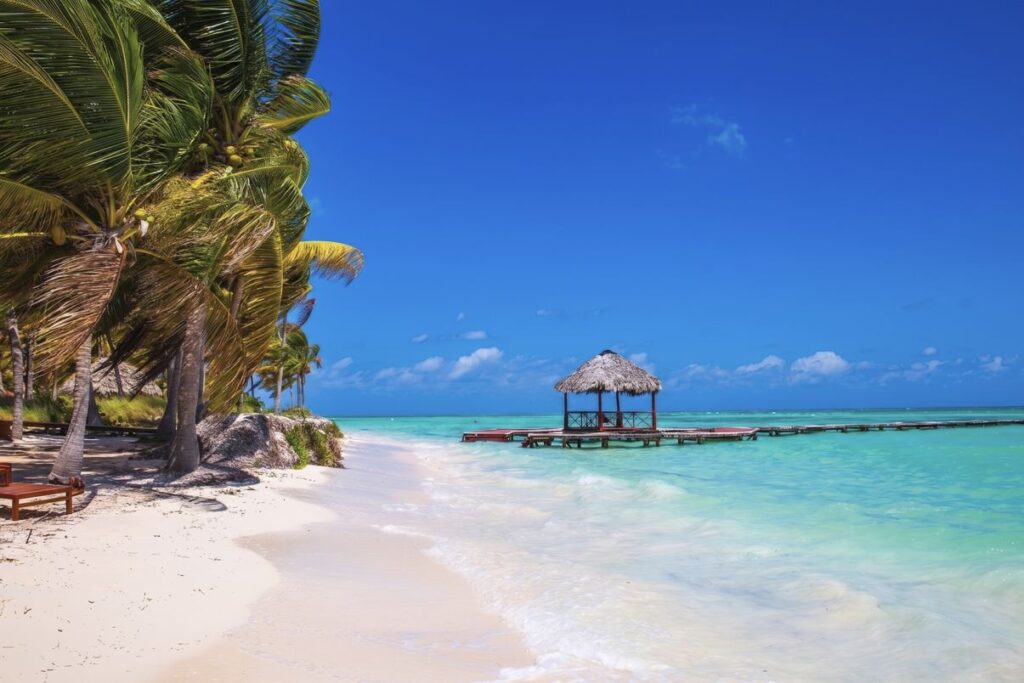

Summer is officially here, which means millions of Americans are currently scrambling to lock in a beach vacation before the season slips away. But before you blindly book a flight to the first tropical hotspot you see on Instagram, you need to pause and look at the actual data for Summer 2026.
This summer is shaping up to be a logistical minefield for several massive beach destinations. Between unprecedented surges in sargassum seaweed, collapsing local infrastructure, and record-breaking crowds driving prices through the roof, the “dream vacation” you are picturing might actually turn into an expensive, frustrating headache. Travel experts are actively warning Americans to pivot their summer plans to avoid these specific pitfalls.
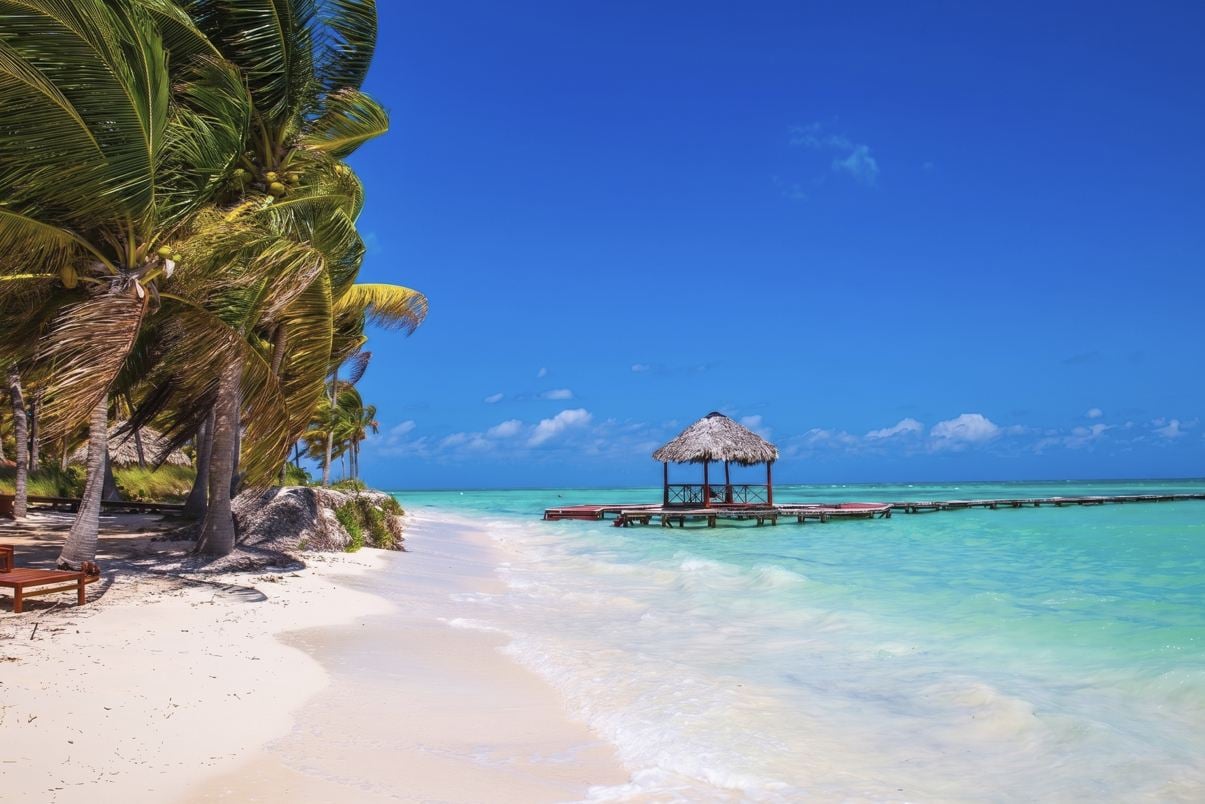
You deserve a vacation where the beaches are actually swimmable, the air conditioning stays on, and you aren’t fighting thousands of cruise ship passengers for a sliver of sand. Here are 7 iconic beach destinations experts say you must skip this summer, along with the incredible, uncrowded alternatives you should book instead.
1. Cuba: Logistical and Ethical Misery

For decades, the allure of Cuba’s time-capsule streets and pristine beaches has captivated adventurous travelers. However, the current situation on the ground has crossed the line from “rustic charm” to a full-blown humanitarian and logistical crisis.
- The Vibe: An authentic, frozen-in-time Caribbean cultural immersion.
- Why Experts Say “NO” This Summer: As of June 2026, Cuba is experiencing its most severe economic crisis in decades. The island’s power grid is failing, resulting in daily, rolling blackouts that kill the air conditioning during the peak of summer heat. Fuel shortages mean transportation is severely limited, and food and medicine are scarce. To make matters worse, recent banking changes mean international credit cards are widely unaccepted. Navigating these compounding crises as an American tourist feels incredibly unethical and creates a highly stressful, exhausting trip rather than a vacation.
- The Alternative: Isla Holbox, Mexico. If you want a car-free, rustic island with unpaved sandy streets, incredibly warm locals, and a laid-back, undeveloped vibe, Holbox is the answer. It delivers the ultimate “off-the-grid” Caribbean feeling while remaining incredibly safe, welcoming, and entirely functional for tourists.
Directly reflecting the intense on-the-ground realities and traveler frustrations, Cuba has dropped to a safety score of 63 on our proprietary index.
2. Nassau, Bahamas: Mega-Cruise Congestion
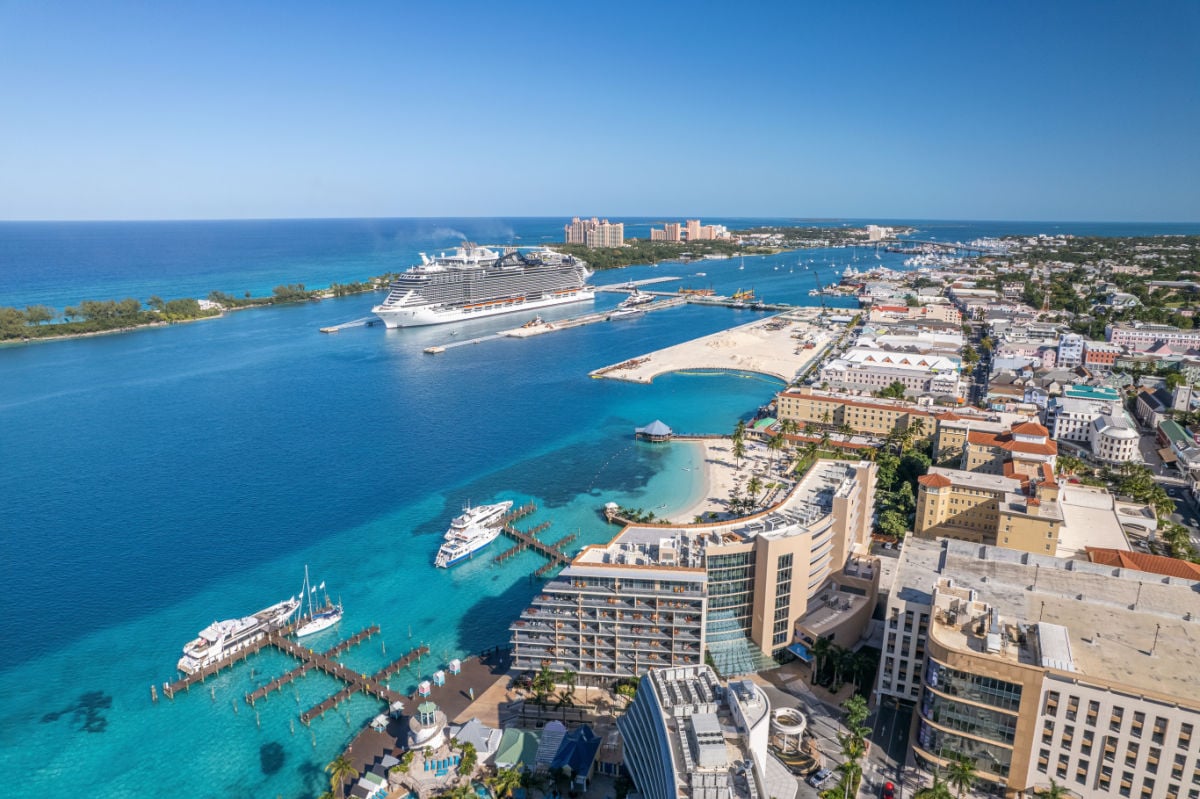
Nassau is the undisputed heavyweight champion of the quick Caribbean getaway, but the sheer volume of daily arrivals has fundamentally broken the island experience.
- The Vibe: A classic, easy-to-reach Caribbean staple filled with massive casinos and waterparks.
- Why Experts Say “NO” This Summer: Nassau has become entirely too successful. On any given summer day, up to six massive mega-cruise ships can dock simultaneously, dumping tens of thousands of day-trippers directly into the city. Popular spots like Cabbage Beach instantly turn into congested mosh pits, completely destroying any sense of island serenity. Add in the U.S. State Department’s ongoing Level 2 travel advisory due to localized crime spikes and just yesterday a recent U.S. Embassy security alert.
- The Alternative: Long Island, Bahamas. Skip the mega-resorts of New Providence entirely and head to the Bahamian “Out Islands.” Long Island offers completely untouched, spectacular white-sand beaches, dramatic cliffs, and the breathtaking Dean’s Blue Hole. You get the flawless Bahamian water with zero cruise ship crowds.
Measuring the latest experiences from returning resort and cruise guests, Nassau sits at a safety score of 83 on our live traveler dashboard.
3. San Juan, Puerto Rico: Infrastructure Overload
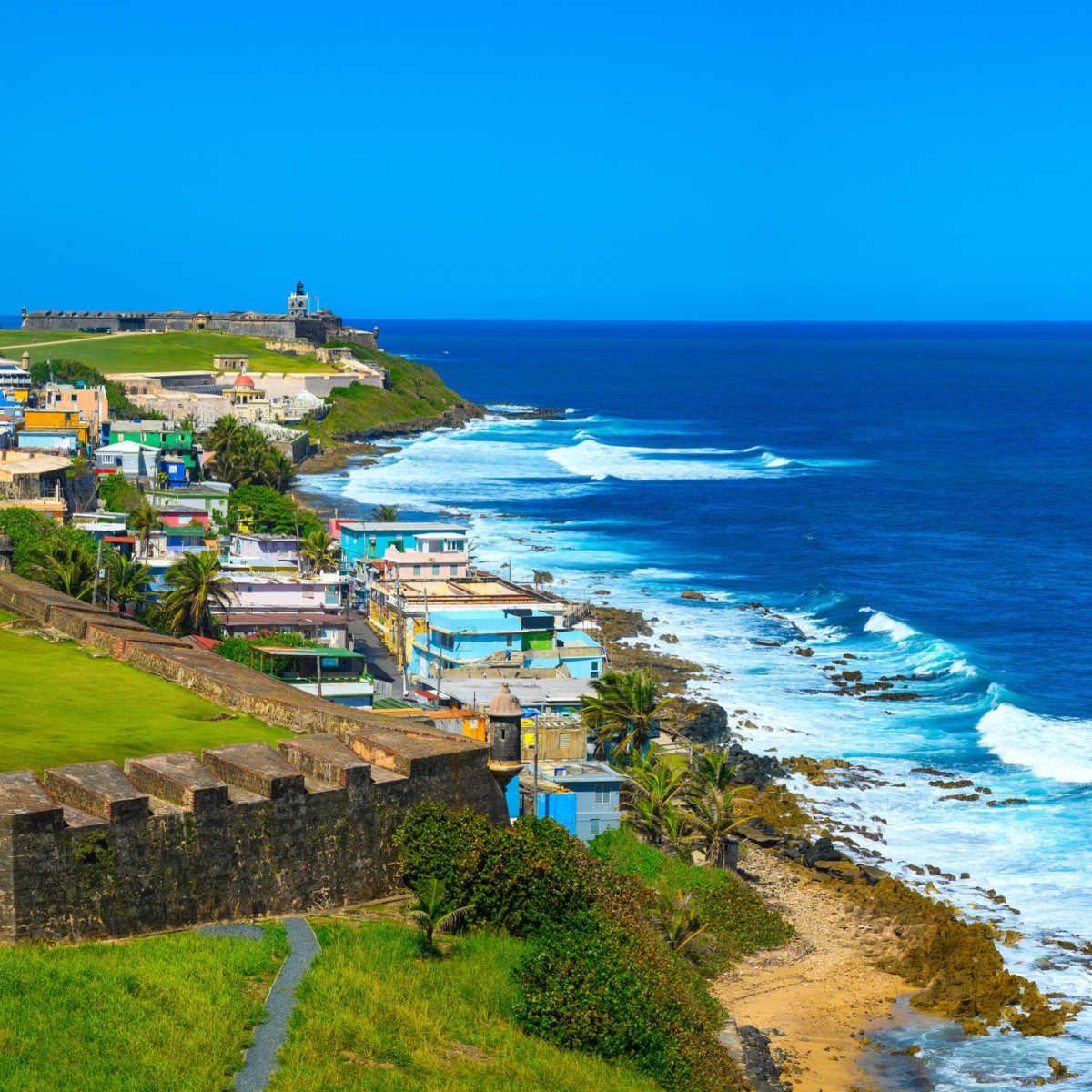
San Juan offers an incredible mix of deep colonial history and modern high-rise beach resorts, making it a favorite for Americans who want to travel without a passport.
- The Vibe: Historic 16th-century forts blending seamlessly into vibrant, rum-soaked nightlife.
- Why Experts Say “NO” This Summer: The island’s power grid is notoriously unstable and highly vulnerable. During the peak summer months, the massive demand for air conditioning frequently overwhelms the system, leading to widespread, frustrating blackouts. Paying top dollar for a luxury oceanfront suite in Condado or Isla Verde loses its appeal very quickly when you are sweating through the night without a functioning fan or elevator.
- The Alternative: Rincón, Puerto Rico. Head to the far west coast of the island. Rincón operates at a completely different pace. Known as the surfing capital of the Caribbean, it has a much more stable local infrastructure, a deeply relaxed local culture, incredible sunsets, and none of the mass-tourism overwhelm found in the capital city.
4. Punta Cana, Dominican Republic: The Timing Trap

Punta Cana is legendary for its sprawling all-inclusive resorts and beautiful Atlantic coastline, but right now, it is a victim of its own massive success.
5. Jacó, Costa Rica: The Overdevelopment Trap
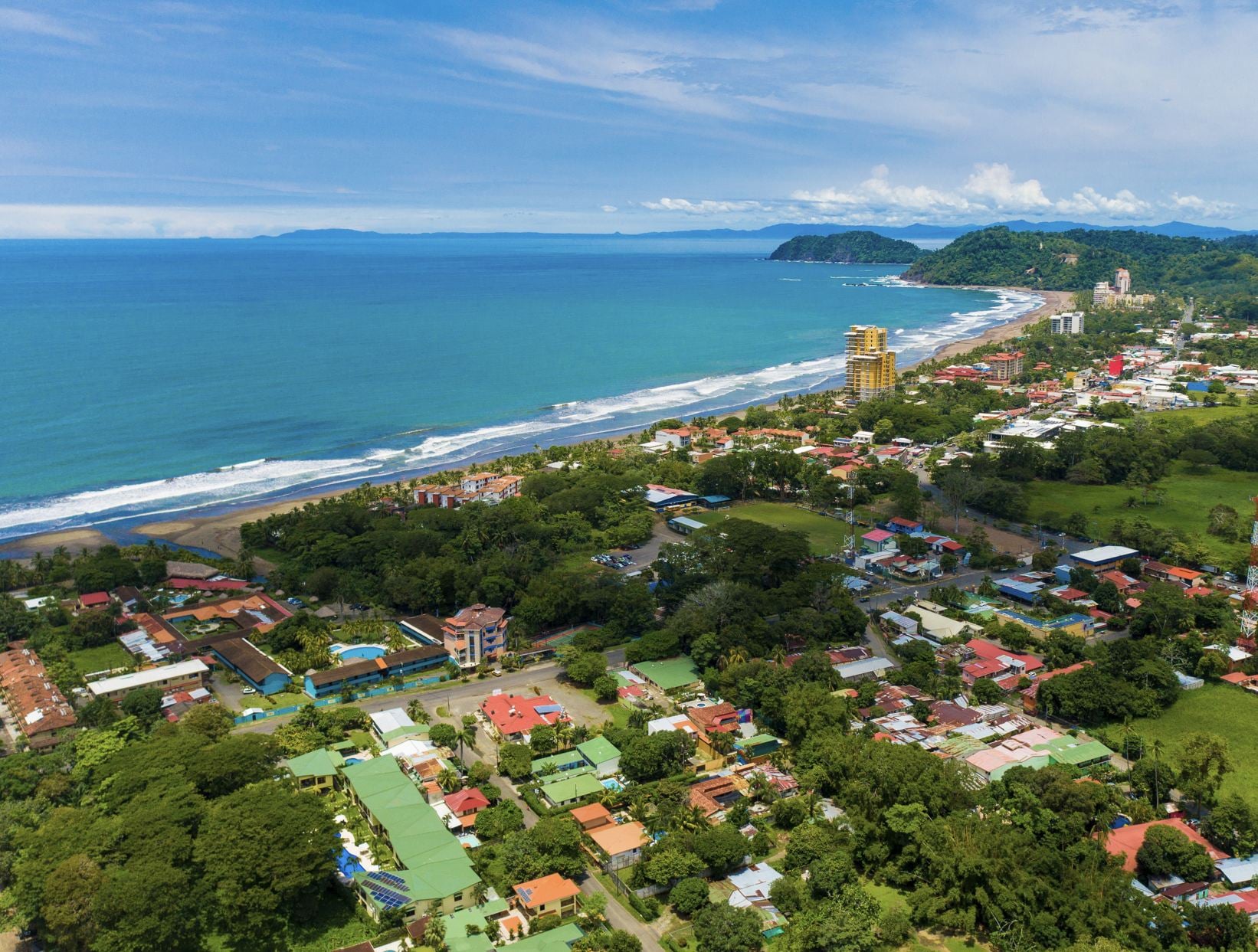
Costa Rica is famous for its “Pura Vida” lifestyle and stunning biodiversity, but Jacó has morphed into something entirely different.
- The Vibe: A high-energy, heavily developed party beach just a short drive from the capital.
- Why Experts Say “NO” This Summer: Jacó has fallen into the overdevelopment trap. It feels much more like a concrete “gringo trail” party town than an authentic Costa Rican jungle escape. More importantly, summer marks the peak of the rainy season on the Pacific coast. The daily, torrential downpours wash massive amounts of river mud and runoff directly into the ocean in Jacó, turning the water murky brown and making the humidity absolutely suffocating.
- The Alternative: Santa Teresa, Costa Rica. Located further down the Nicoya Peninsula, Santa Teresa requires a bit more effort to reach, which naturally keeps the massive crowds away. It offers a stunning, authentic “barefoot luxury” aesthetic, world-class yoga retreats, and a rugged surf culture that perfectly captures the true essence of Costa Rica.
Tracking real-time visitor sentiment across the country’s popular coastlines, Costa Rica maintains a solid safety score of 85.
6. North Shore of Oahu, Hawaii: Severe Overtourism
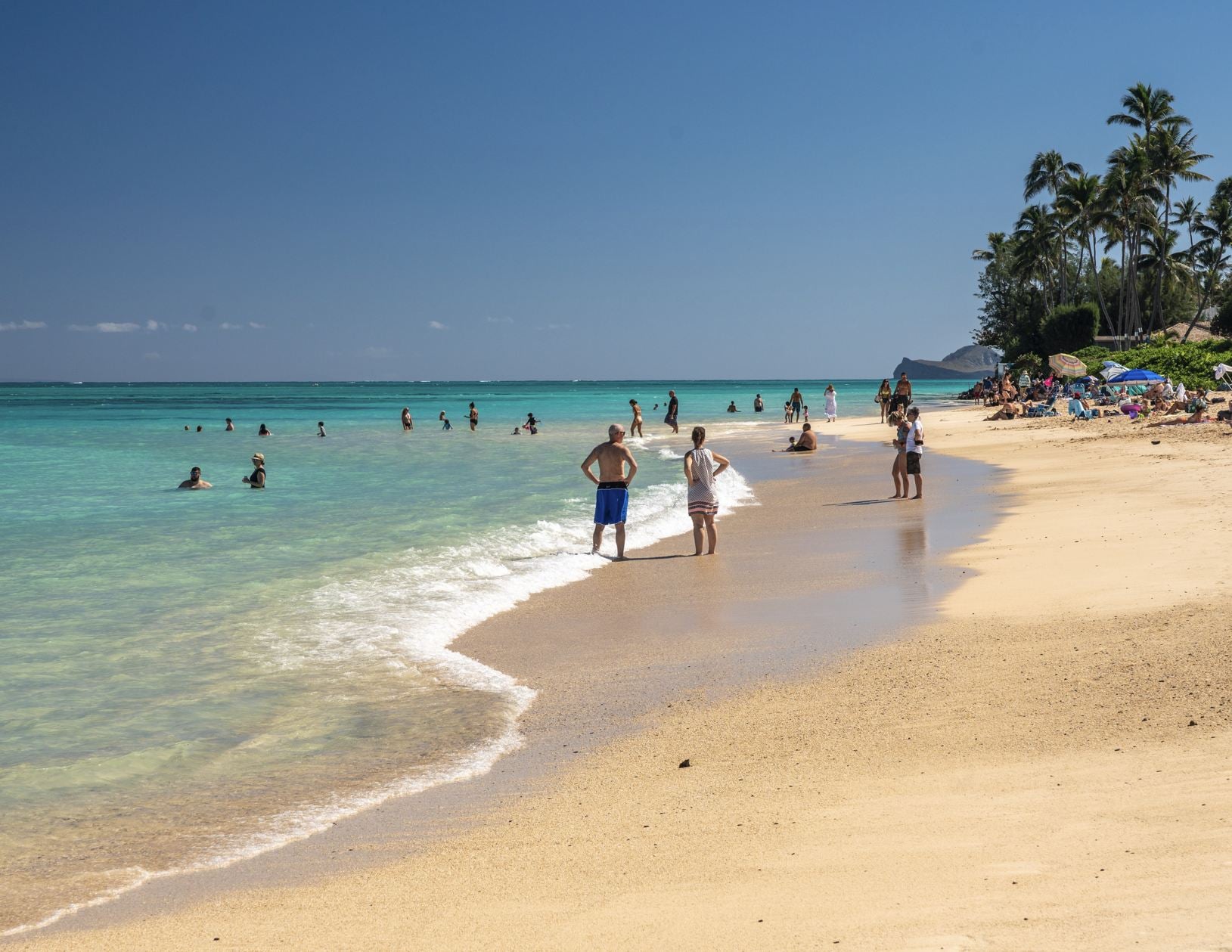
The North Shore is legendary in the surfing world, known for its massive winter waves and laid-back country lifestyle.
- The Vibe: Legendary big-wave surfing culture, food trucks, and a slow, rural island pace.
- Why Experts Say “NO” This Summer: The infrastructure has completely collapsed under the weight of modern tourism. The single, two-lane Kamehameha Highway that services the entire coast gets gridlocked for hours every single day. This extreme congestion has led to intense friction with the local residents, who are actively pleading for tourists to give the area a break so they can simply get to work or go to the grocery store. Combine the ethical concerns with sky-high summer pricing and aggressive crackdowns on short-term rentals, and the North Shore is a highly stressful booking.
- The Alternative: Molokaʻi, Hawaii. If you are desperate to experience the Pacific islands and are willing to travel respectfully, Molokaʻi is the answer. Often referred to as “Old Hawaii,” the island has no traffic lights, no massive mega-resorts, and no gridlocked tourist traps. It offers spectacular, towering sea cliffs and a deeply rooted Hawaiian culture that remains beautifully intact.
7. Tulum, Mexico: The Sargassum & Price Squeeze

Tulum built its reputation as an eco-chic, bohemian paradise, but the reality of visiting in the summer of 2026 is far less glamorous.
- The Vibe: High-end influencer luxury, massive beach clubs, and jungle parties.
- Why Experts Say “NO” This Summer: You are paying ultra-luxury prices to stare at a brown, smelly beach. The University of South Florida’s Sargassum Watch System has officially declared summer 2026 a “record year” for sargassum seaweed. Local authorities in the Riviera Maya have already designated multiple northern beaches as “red zones” due to the massive offshore biomass crashing into the coast. Furthermore, the daily rates for hotels and taxis in Tulum have skyrocketed, often surpassing the cost of a trip to Europe. Stick to the winter when the sargassum isn’t heavy to get the most bang for your buck.
- The Alternative: Bacalar, Mexico. Located just a couple of hours south, Bacalar is known as the “Lagoon of Seven Colors.” Because it is a massive, crystal-clear freshwater lagoon, it receives absolutely zero sargassum—ever. It offers the exact same rustic, eco-chic aesthetic that made Tulum famous ten years ago, but with pristine, swimmable water and a fraction of the cost.
Driven by real-time sentiment from tourists currently on the ground, our proprietary index shows Tulum with a live safety score of 77.
Plan Smarter Before You Book
The summer travel season moves incredibly fast, and conditions on the ground can shift overnight. Whether you are dealing with sudden infrastructure issues, unexpected weather alerts, or shifting local safety rules, it is absolutely crucial to stay informed before you hand over your credit card for non-refundable flights. Even if you choose one of our highly recommended, uncrowded alternative escapes, you need to know exactly what you are walking into.

Before you finalize any plans, always verify the current situation on the ground. You can instantly check the latest travel alerts for your specific destination to ensure there are no surprise advisories or safety spikes. Additionally, border rules are constantly evolving this year, so take a moment to review the exact customs requirements to guarantee a smooth, stress-free arrival at the airport. Your vacation time is way too valuable to leave to chance, so use the data, travel safer, and get ready to actually enjoy your time on the sand.

Stacie Harris is a local resident and reporter of the Maple Grove area. Stacie reports on medicine and science for the Maple Grove Report.